
The best way to treat rosacea in the United States is to combine gentle skin care, trigger control, and treatment matched to the rosacea type. A dermatologist may prescribe topical medicine for redness or bumps, oral medicine for wider flare-ups, and laser or light treatment for visible blood vessels. There is no single cure, but most people can reduce symptoms with a steady plan.
Rosacea can look different from person to person. Some people mainly have facial flushing. Others have acne-like bumps, thickened skin, or eye symptoms. The right treatment depends on which symptoms you have, how often they occur, and how your skin responds.

What is rosacea?
Rosacea is a long-term skin condition that often affects the center of the face. It may cause flushing, lasting redness, visible small blood vessels, bumps, pus-filled spots, burning, or stinging.
Rosacea is not the same as acne, an allergy, or poor hygiene. It is also not contagious. The exact cause is not known, but blood vessel changes, skin inflammation, the immune system, genetics, and environmental triggers may play a role.
The American Academy of Dermatology Association describes four common patterns:
- Persistent redness and flushing: The face becomes red easily or stays red.
- Bumps and pus-filled spots: Small red bumps can resemble acne.
- Visible blood vessels: Tiny facial blood vessels may become easier to see.
- Thickened skin: Skin may thicken over time, often around the nose. This is called rhinophyma.
- Eye symptoms: Eyes or eyelids may burn, feel dry, look red, or become gritty.
Many people have more than one pattern. A person with redness and bumps may need a different plan from someone whose main concern is visible blood vessels.
Rosacea can also be mistaken for other conditions, such as lupus, seborrheic dermatitis, contact dermatitis, acne, or a reaction to medication. A health care professional should confirm the diagnosis when symptoms are new, severe, or unclear.

What is the most effective rosacea treatment?
The most effective treatment is usually a combination of daily prevention and prescription care. The goal is not only to calm a current flare but also to reduce future flares.
A dermatologist may use the following treatments:
| Main symptom | Treatments a clinician may consider | What to know |
|---|---|---|
| Persistent facial redness | Brimonidine gel or oxymetazoline cream | These can temporarily reduce facial redness |
| Redness with bumps or pustules | Metronidazole, azelaic acid, or ivermectin cream or gel | These target inflammation and rosacea-related lesions |
| Many bumps or pustules | Low-dose doxycycline or another oral medicine | Oral treatment may help when topical treatment is not enough |
| Visible blood vessels | Vascular laser or intense pulsed light, or IPL | These treatments require a trained medical professional |
| Thickened skin | Laser treatment, surgery, or other procedures | Early treatment may help limit progression |
| Dry, irritated, or gritty eyes | Eyelid care, artificial tears, or prescription eye treatment | Eye symptoms may need an eye doctor |
These medicines do not all work in the same way. For example, ivermectin is often used for inflammatory bumps, while brimonidine and oxymetazoline act mainly on facial redness. A treatment that helps one symptom may not help another.
The National Rosacea Society and the American Academy of Dermatology Association both stress that treatment should match the person’s symptoms. This is why a “best rosacea cream” is not the same for everyone.

Step 1: Identify your main rosacea symptoms
Start by tracking what your skin does. This helps a clinician choose treatment and helps you spot triggers.
Record:
- When flushing or redness starts
- How long each flare lasts
- Foods, drinks, weather, or products used before the flare
- Whether the skin burns, stings, itches, or feels dry
- The number and location of bumps
- Any eye pain, light sensitivity, blurred vision, or gritty feeling
- Medicines and skin products you currently use
Take clear photos in the same light. Photos can show changes that are hard to remember during an office visit.
Pay special attention to eye symptoms. Red eyes are not always caused by rosacea, but untreated ocular rosacea can affect the surface of the eye. Seek prompt medical care for eye pain, vision changes, marked light sensitivity, or a feeling that something is stuck in the eye.
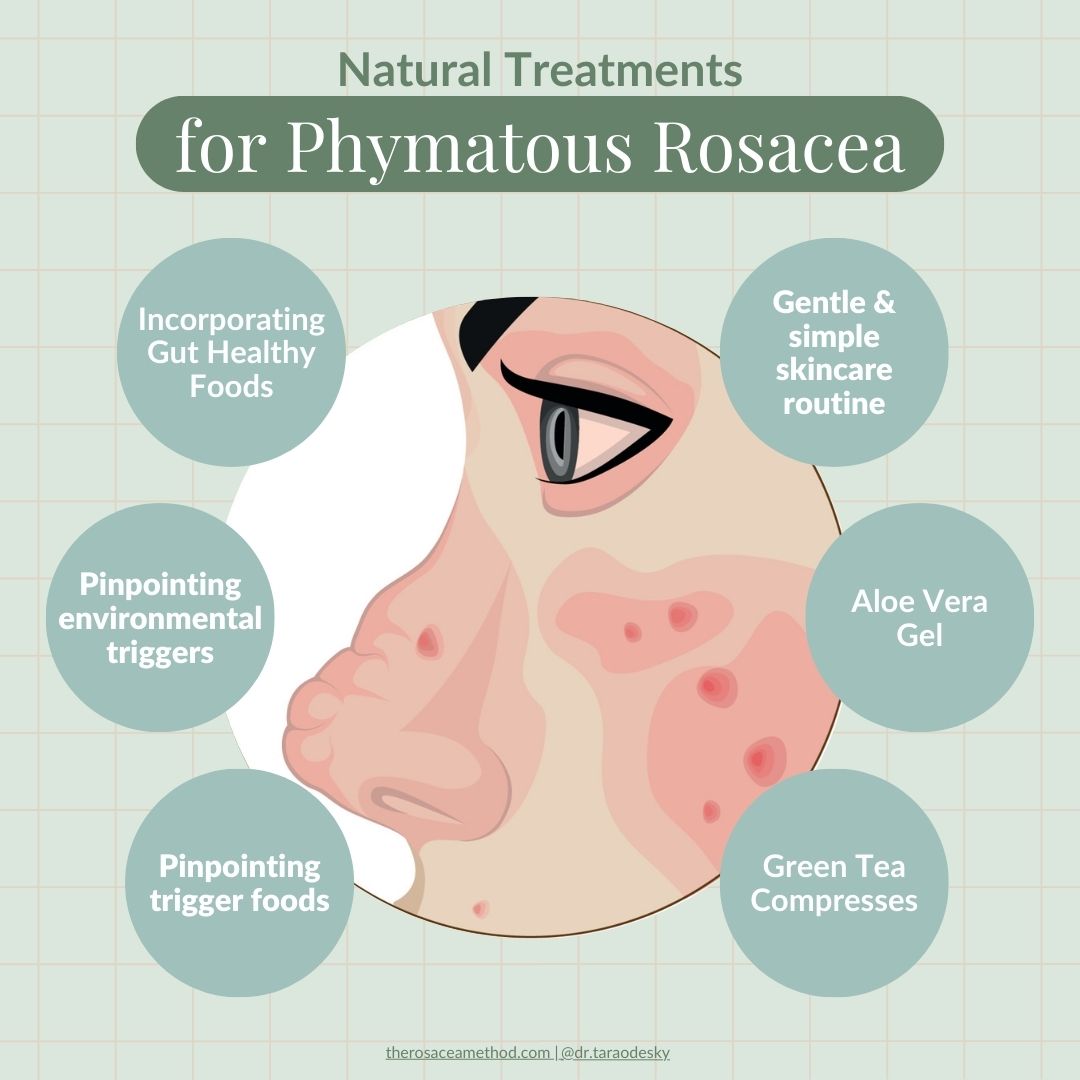
Step 2: Build a gentle daily skin-care routine
Gentle skin care is a core part of rosacea treatment. It will not replace prescription medicine, but it can reduce irritation and make treatment easier to tolerate.
Morning
- Wash with lukewarm water and a mild, fragrance-free cleanser.
- Pat the face dry with a soft towel. Do not rub.
- Apply a simple moisturizer made for sensitive skin.
- Use broad-spectrum sunscreen with SPF 30 or higher.
Mineral sunscreens that contain zinc oxide or titanium dioxide may be easier for some people to tolerate. However, any sunscreen can irritate sensitive skin. Test a small area first.
Evening
- Remove makeup with a gentle cleanser.
- Apply prescribed medicine as directed.
- Use moisturizer if the skin feels dry or tight.
Do not add many new products at once. If irritation starts, it becomes hard to know which product caused it. A simple routine is often more useful than a shelf full of “calming” products.
Avoid scrubs, cleansing brushes, strong exfoliating acids, astringents, and products with fragrance if they cause burning or stinging. Essential oils and harsh “natural” remedies can also irritate rosacea-prone skin.

Step 3: Reduce your personal rosacea triggers
Triggers vary. A food or activity that causes a flare for one person may have no effect on another.
Common triggers include:
- Sun exposure
- Hot weather or sudden temperature changes
- Hot drinks
- Alcohol, especially red wine
- Spicy foods
- Emotional stress
- Intense exercise
- Hot baths, saunas, and heated rooms
- Wind and cold
- Harsh skin products
Do not remove every possible trigger from your life at once. Instead, keep a simple diary for two to four weeks. Note the trigger, the amount, and the skin response. This can show patterns and prevent needless restrictions.
You can often reduce exposure without giving up an activity. For example, drink beverages warm rather than very hot, exercise in a cool room, wear a hat in strong sun, and use a scarf to protect the face from cold wind.
Trigger control works best as support for medical treatment. It does not prove that a food allergy is causing rosacea.

Step 4: Use prescription treatments based on the symptom
For rosacea bumps and pustules
Common prescription options include:
- Metronidazole: Available as a cream, gel, or lotion. It helps reduce inflammation.
- Azelaic acid: Available in prescription strengths and may help with bumps, pustules, and some discoloration.
- Ivermectin: Often used once daily for inflammatory bumps and pustules.
- Doxycycline: A low-dose form may reduce inflammation without acting mainly as an antibiotic.
These treatments often take several weeks to show clear improvement. Applying more medicine than directed usually does not make rosacea clear faster. It may increase dryness, burning, or peeling.
Doxycycline can cause stomach upset and increased sun sensitivity. It may not be suitable for everyone, including some pregnant people and young children. Take it only as prescribed, and ask the prescriber how to use it safely with food, supplements, and sun exposure.
For persistent facial redness
Two prescription options approved by the U.S. Food and Drug Administration include:
- Brimonidine gel
- Oxymetazoline cream
These medicines can temporarily narrow facial blood vessels and reduce visible redness. They do not remove the underlying tendency to flush, and the effect wears off.
Some people experience increased redness after the medicine wears off. Follow the label and prescriber’s directions. Apply a small amount as directed rather than using extra product.
For visible blood vessels
Topical creams usually do not remove visible blood vessels. A dermatologist may discuss vascular laser treatment or IPL.
Results depend on the number and size of vessels, skin tone, the device used, and the provider’s skill. Several sessions may be needed. Side effects can include temporary redness, swelling, pigment changes, blistering, or scarring.
Choose a qualified medical provider who can assess your skin type and explain the risks. Laser and light treatment is not a do-it-yourself procedure.
For thickened skin
Thickened skin, especially around the nose, may require a procedure. Options can include laser resurfacing, electrosurgery, or surgical reshaping.
Treatment works best when a dermatologist assesses the tissue early. Do not try to shave, freeze, burn, or peel thickened skin at home.

Step 5: Treat ocular rosacea early
Ocular rosacea affects the eyes or eyelids. Signs may include:
- Burning or stinging
- Dryness
- Gritty or sandy feeling
- Red eyelids or eyes
- Watery eyes
- Swollen eyelids
- Recurrent styes
- Blurred vision
A clinician may suggest warm compresses, careful eyelid cleaning, artificial tears, or prescription treatment. Some people need oral medicine or evaluation by an ophthalmologist.
Do not use leftover antibiotic eye drops or redness-relief drops without medical advice. Some eye products can worsen irritation or hide a problem.
Seek urgent eye care for vision loss, strong eye pain, new light sensitivity, or severe redness. These symptoms may signal a condition that needs fast treatment.

How long does rosacea treatment take?
Rosacea treatment often needs patience. Some people see early improvement within a few weeks, but fuller results may take two to three months or longer.
A typical review plan looks like this:
- First few weeks: Watch for irritation, allergy, or worsening symptoms.
- Around one to two months: Check whether flushing, bumps, or burning are improving.
- Around two to three months: Discuss whether to continue, change, or add treatment.
- After control improves: Continue the plan that prevents relapse.
Rosacea is usually managed rather than cured. Symptoms may return when treatment stops or triggers continue. This does not mean the treatment failed. It may mean the condition needs long-term maintenance.
If a treatment causes severe burning, swelling, hives, blistering, or rapid worsening, stop and contact the prescribing clinician. Do not keep using a product simply because it was expensive or prescribed.

What treatments should you avoid?
Avoid treatments that promise to cure rosacea quickly or permanently without good evidence. Common problems include:
- Steroid creams used on the face without medical guidance
- Abrasive scrubs
- Strong peels
- High-strength retinoids started without advice
- Fragrance and essential oils that sting
- Home devices that heat or damage the skin
- Repeated antibiotic use without a clear medical plan
- Tanning beds and deliberate sun exposure
- Heavy use of redness-relief eye drops
Topical corticosteroids can sometimes cause or worsen facial redness when used incorrectly or stopped after prolonged use. They may be appropriate for certain skin conditions under medical supervision, but they are not a routine rosacea treatment.
“Natural” does not always mean gentle. If a product burns, stings, or causes a rash, wash it off and stop using it.

When should you see a dermatologist?
Make an appointment if facial redness lasts, keeps returning, or affects your quality of life. A dermatologist can confirm the diagnosis and separate rosacea from acne, dermatitis, lupus, and other conditions.
Ask for medical advice sooner if:
- Over-the-counter care has not helped after several weeks
- You have painful or spreading bumps
- You develop thickening of the nose or other facial skin
- Your eyes feel gritty, painful, or very light-sensitive
- You have blurred vision
- A new medicine seems to trigger flushing
- You are pregnant, breastfeeding, or planning pregnancy
- You have a darker skin tone and need advice about pigment risk from a procedure
Bring your product list, medicine list, photos, and trigger notes. This can make the visit more useful.

Best rosacea treatment by situation
| Situation | Practical first step | When to get professional help |
|---|---|---|
| Mild redness that comes and goes | Sunscreen, gentle skin care, and a trigger diary | If redness becomes persistent or distressing |
| Persistent redness | Dermatology evaluation for prescription redness treatment | If redness worsens or rebounds strongly |
| Red bumps or pustules | Gentle cleanser and clinician-guided topical treatment | If lesions are widespread, painful, or leave marks |
| Visible blood vessels | Sun protection and dermatology consultation | Before laser or IPL |
| Eye dryness or gritty feeling | Artificial tears and gentle eyelid care | Promptly if pain, light sensitivity, or vision changes occur |
| Thickened skin | Dermatology assessment | As soon as possible, especially if thickening is progressing |
| Flare after a new product | Stop the suspected irritant and simplify care | If swelling, hives, blistering, or severe pain develops |
The key trade-off is simple: home care is useful for prevention and mild symptoms, while prescription or procedural care is often needed for persistent redness, inflammatory bumps, eye disease, visible vessels, or thickened skin.

Frequently asked questions
Can rosacea go away permanently?
Rosacea usually cannot be cured permanently, but treatment can control it well. Many people need ongoing skin care and occasional or continued prescription treatment to prevent symptoms from returning.
What is the best cream for rosacea?
There is no single best cream. Metronidazole, azelaic acid, and ivermectin are commonly used for bumps and pustules. Brimonidine and oxymetazoline are used mainly for persistent facial redness. A clinician can match the medicine to your symptoms.
Is ivermectin cream safe for rosacea?
Topical ivermectin is an FDA-approved treatment for inflammatory lesions of rosacea. Use it only as directed. Tell your clinician about allergies, pregnancy, breastfeeding, and other medicines before starting treatment.
Should I avoid coffee if I have rosacea?
Not always. Some people flush after hot drinks, while others do not. Try tracking the drink’s temperature, amount, and your skin response before removing coffee or tea completely.
Can diet cure rosacea?
No diet has been proven to cure rosacea. Some people notice flares after alcohol, spicy foods, or hot drinks. A trigger diary can help you find personal links without making unnecessary food restrictions.
Is rosacea caused by mites?
A microscopic mite called Demodex may be more common on the skin of some people with rosacea. This does not mean mites are the sole cause. Treatments such as ivermectin may help certain inflammatory rosacea symptoms, but a clinician should guide diagnosis and care.
Conclusion
The best way to treat rosacea is to match treatment to the main symptom. Use gentle skin care and daily sun protection, track personal triggers, and see a dermatologist when redness persists, bumps develop, or symptoms affect the eyes.
For a practical next step, take photos of your skin, list your current products and medicines, and keep a short trigger diary. Bring that information to a U.S. dermatologist or primary care clinician for a treatment plan that fits your symptoms.
