
Rosacea-related red cheeks often improve with gentle skin care, trigger control, sunscreen, and the right medical treatment.
Learning how to treat red cheeks caused by rosacea starts with knowing what is driving the redness. Rosacea can involve sensitive skin, visible blood vessels, bumps, burning, and flushing. This guide explains safe home steps, prescription options, common mistakes, and when to see a dermatologist.

What causes red cheeks in rosacea?
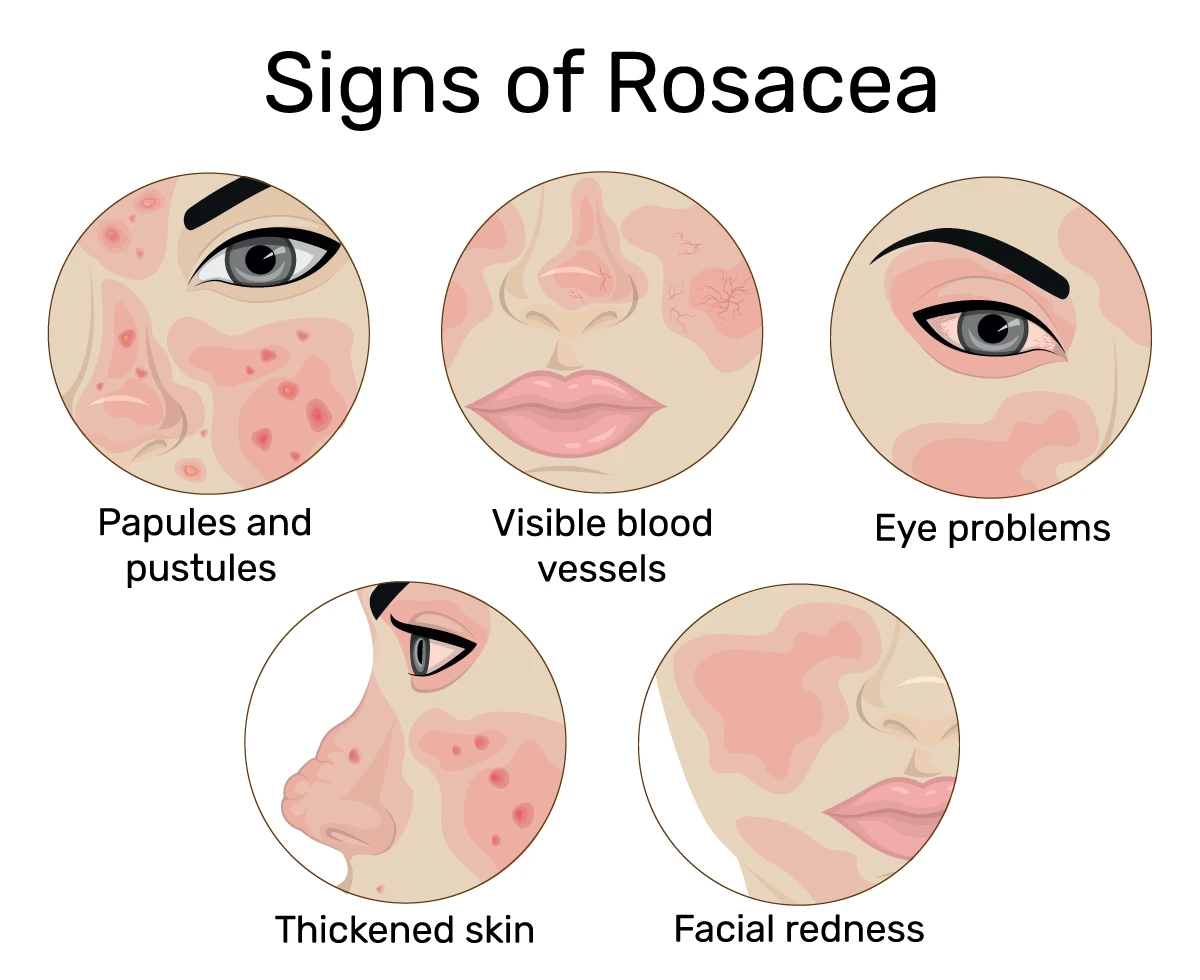
Rosacea is a long-term skin condition that often affects the center of the face. It may cause red cheeks, flushing, small bumps, swelling, visible blood vessels, or a burning feeling. The skin may also sting when you apply products that never caused trouble before.
Experts do not know one single cause. Rosacea may involve an overactive immune response, changes in facial blood vessels, skin barrier damage, and microscopic organisms that live naturally on the skin. Family history may also play a role.
Learning how to treat red cheeks caused by rosacea is easier when you identify your main pattern:
• Persistent redness that stays most of the day
• Flushing that comes and goes
• Small red bumps or pus-filled spots
• Visible thread-like blood vessels
• Burning, stinging, dryness, or rough skin
Rosacea is not the same as acne, eczema, or an allergic rash. It can look like these conditions, so a dermatologist may need to examine your skin before treatment begins.
How to treat red cheeks caused by rosacea at home
Home care cannot cure rosacea, but it can reduce irritation and help medical treatment work better. Think of your skin barrier as a thin raincoat. When it is damaged, heat, wind, products, and sunlight can reach the deeper skin more easily.
Use a simple routine for several weeks before adding new products.
1. Wash with a mild cleanser
Cleanse your face with lukewarm water and a gentle, fragrance-free cleanser. Use your fingertips instead of a washcloth, brush, or facial scrub.
Avoid very hot water. Heat can widen facial blood vessels and make flushing worse. Pat your face dry with a soft towel instead of rubbing it.
2. Moisturize every day
Choose a plain moisturizer made for sensitive skin. Helpful ingredients may include:
• Ceramides
• Glycerin
• Hyaluronic acid
• Dimethicone
• Colloidal oatmeal
Apply moisturizer after cleansing, while your skin is still slightly damp. This helps reduce water loss and may make stinging less intense.
3. Wear sunscreen
Daily sunscreen is one of the most important steps in how to treat red cheeks caused by rosacea. Ultraviolet light can worsen redness and trigger flare-ups, even on cool or cloudy days.
Choose a broad-spectrum, water-resistant sunscreen with SPF 30 or higher. Mineral sunscreens with zinc oxide or titanium dioxide may feel gentler for people with reactive skin.
Reapply every two hours when you are outdoors, and wear a wide-brimmed hat when possible.
4. Keep your routine simple
Try one new product at a time. Test it on a small area near the jaw for several days before applying it to your whole face.
Avoid products with:
• Fragrance
• Alcohol denat
• Menthol
• Camphor
• Eucalyptus oil
• Strong essential oils
• Rough exfoliating particles
• High-strength acids
A product can be labeled “natural” and still irritate rosacea-prone skin. Natural does not always mean gentle.

Identify and reduce rosacea triggers
Triggers differ from person to person. A food or activity that causes a flare in one person may not affect someone else. Keeping a simple diary can help you spot patterns.
Common rosacea triggers include:
• Sun exposure
• Hot weather
• Cold wind
• Sudden temperature changes
• Hot drinks
• Spicy foods
• Alcohol
• Stress
• Intense exercise
• Hot baths and saunas
• Harsh skin products
• Poor sleep
You do not need to avoid every possible trigger. That can make daily life stressful and may not be necessary. Instead, look for your own repeat patterns.
For example, if hot coffee makes your cheeks flush, let it cool before drinking it. If exercise causes redness, work out in a cool room, drink water, and take short breaks. If winter wind causes burning, cover your cheeks with a soft scarf and apply moisturizer before going outside.
Stress can be harder to manage than a food trigger. Slow breathing, regular sleep, gentle movement, and short breaks may help lower stress-related flushing. These steps support skin health, but they do not replace medical care.

Medical treatments for rosacea redness
When home care is not enough, a dermatologist can choose treatment based on your rosacea type. The best answer to how to treat red cheeks caused by rosacea may involve more than one approach.
Prescription creams and gels
For persistent redness, a doctor may prescribe brimonidine gel or oxymetazoline cream. These medicines temporarily narrow facial blood vessels and can reduce visible redness for several hours.
Use them exactly as directed. Some people experience a return of redness after the effect fades. Severe rebound redness is less common when the product is used carefully, but it can happen.
For bumps and inflammation, doctors may use medicines such as:
• Metronidazole
• Azelaic acid
• Ivermectin
These treatments target inflammation and rosacea-related bumps. They do not always remove long-standing background redness.
Oral medication
A dermatologist may prescribe low-dose doxycycline when rosacea causes many inflamed bumps or eye symptoms. At low doses, doxycycline mainly helps control inflammation rather than acting as a strong antibiotic.
Take it as prescribed. Doxycycline can cause stomach upset and increased sun sensitivity. It may not be suitable for everyone, including some pregnant people and young children.
Laser and light treatment
Vascular laser treatment and intense pulsed light may reduce visible blood vessels and persistent redness. Results vary by skin tone, device, treatment settings, and the skill of the provider.
These treatments may require more than one visit. They can also cause temporary swelling, bruising, pigment changes, or discomfort. Choose a board-certified dermatologist or a qualified medical professional with experience treating your skin tone.
Laser treatment can improve redness, but it does not stop rosacea triggers. You will still need sunscreen and gentle skin care.

How to choose the right treatment plan
There is no single best treatment for every person. A dermatologist may ask about your symptoms, skin products, medicines, health history, and common triggers.
Your plan may look like this:
Confirm that rosacea is the cause of the redness.
Repair the skin barrier with gentle cleansing and moisturizer.
Add daily sunscreen.
Treat bumps, visible blood vessels, or flushing with targeted therapy.
Track improvement and side effects.
Adjust treatment if your skin becomes more irritated.
Take photos in the same light every few weeks. Rosacea can change slowly, and daily mirror checks may make small improvements hard to notice.
A useful practical lesson is to change only one major part of your routine at a time. If you begin three products together and your skin worsens, you will not know which product caused the problem.

Common mistakes that can worsen red cheeks
Many people try to scrub away redness because the skin feels rough or congested. Scrubbing often makes rosacea worse by creating more irritation.
Avoid these common mistakes:
• Using hot water on the face
• Exfoliating red or burning skin
• Applying steroid cream without medical advice
• Switching products too often
• Skipping sunscreen
• Using strong acne treatments without guidance
• Applying essential oils to the cheeks
• Covering redness with heavy, irritating makeup
Topical corticosteroids can reduce redness for a short time, but they may worsen rosacea or cause steroid-related facial changes when used incorrectly. Do not use a steroid cream on your face unless a clinician tells you to do so.
Makeup is not automatically harmful. Look for fragrance-free, noncomedogenic products and remove them gently at night. A green-tinted primer may visually reduce redness, but it does not treat the underlying condition.

How long does rosacea redness take to improve?
The time needed to see results depends on the type and severity of rosacea. A gentle routine may reduce stinging and dryness within a few weeks. Prescription treatments may take several weeks or longer to show their full effect.
Persistent visible blood vessels usually do not disappear with creams alone. Laser or light treatment may be needed for those vessels.
Rosacea is usually managed rather than permanently cured. Symptoms can improve for long periods, then return after a trigger or treatment change. This does not mean you have failed. It means the condition needs ongoing care.
If a product causes intense burning, swelling, blistering, or worsening redness, stop using it and contact a medical professional. Seek urgent care for facial swelling with trouble breathing, widespread hives, or sudden eye pain and vision changes.

Rosacea and eye symptoms
Rosacea can affect the eyes and eyelids. Signs may include dry eyes, gritty feelings, red eyelids, watery eyes, light sensitivity, or repeated styes.
Do not ignore eye symptoms. Eye rosacea can sometimes affect the cornea and vision. An eye doctor or dermatologist can recommend lubricating drops, eyelid care, prescription medicine, or other treatment.
Seek prompt medical care if you have:
• Eye pain
• Blurred vision
• Strong light sensitivity
• A feeling that something is stuck in the eye
• Sudden vision changes
Facial redness with eye symptoms needs a broader plan. Treating only the cheeks may not address the full condition.

What research says about rosacea care
Clinical guidance supports a combination of trigger control, gentle skin care, sun protection, and treatments matched to the rosacea subtype. Dermatology groups also emphasize that rosacea can affect quality of life, confidence, and social comfort.
Research supports several prescription options for inflammatory rosacea, including topical metronidazole, azelaic acid, ivermectin, and low-dose doxycycline. Vascular lasers and light devices can help reduce visible vessels and persistent redness in suitable patients.
Evidence is less consistent for many home remedies and supplements. Probiotics, herbal creams, and special diets may help some people, but they should not replace proven care. Always discuss supplements with a health professional, especially if you take other medicines.
A simple daily routine for red cheeks
Here is a basic routine for people learning how to treat red cheeks caused by rosacea.
Morning
Wash with a gentle cleanser or rinse with lukewarm water.
Apply a fragrance-free moisturizer.
Apply broad-spectrum SPF 30 or higher.
Add makeup only if it feels comfortable.
Evening
Remove makeup with a gentle cleanser.
Apply prescribed rosacea medicine as directed.
Moisturize after the medicine dries, if your clinician recommends it.
During the day
• Carry sunscreen for reapplication.
• Avoid overheating when possible.
• Keep a record of flushing triggers.
• Protect your face from wind and cold.
• Drink cool or room-temperature drinks if hot drinks trigger flushing.
This routine is simple by design. Rosacea-prone skin often responds better to steady care than to a long list of active ingredients.
When to see a dermatologist
Make an appointment if redness lasts for weeks, keeps returning, or affects your confidence. You should also seek care if you develop bumps, visible blood vessels, burning, swelling, or eye symptoms.
A dermatologist can tell rosacea apart from acne, lupus, seborrheic dermatitis, contact dermatitis, and other conditions that may look similar. The correct diagnosis matters because the wrong treatment can increase irritation.
Bring a list of products and medicines to your visit. Photos of your skin during a flare can also help, especially if your redness comes and goes.
Frequently Asked Questions
How do you treat red cheeks caused by rosacea naturally?
Use gentle skin care, avoid personal triggers, protect your face from sunlight, and keep your skin moisturized. Natural remedies are not always safe, so avoid essential oils, harsh scrubs, and untested herbal products.
Can rosacea redness go away permanently?
Rosacea usually cannot be cured permanently, but treatment can control symptoms for long periods. Redness may return after sun exposure, heat, stress, or other personal triggers.
What is the best cream for red cheeks caused by rosacea?
The best cream depends on the type of rosacea. Doctors may prescribe metronidazole, azelaic acid, ivermectin, brimonidine, or oxymetazoline based on your symptoms.
Does drinking water help rosacea redness?
Drinking enough water supports overall health, but water alone does not treat rosacea. Cooling the body, avoiding personal triggers, using sunscreen, and following a suitable treatment plan are more helpful.
Can I use moisturizer on rosacea-prone cheeks?
Yes. A fragrance-free moisturizer can support the skin barrier and reduce dryness and stinging. Choose a simple product and test it on a small area before using it on your whole face.
Should I exfoliate red cheeks caused by rosacea?
Most people with active rosacea should avoid physical scrubs and strong exfoliants. Exfoliation can increase burning, dryness, and redness, so ask a dermatologist before using acids or retinoids.
Does sunscreen help red cheeks caused by rosacea?
Yes. Sun exposure is a common rosacea trigger, and daily broad-spectrum SPF 30 or higher may help prevent flares. Mineral sunscreen may be more comfortable for very sensitive skin.
Conclusion
Learning how to treat red cheeks caused by rosacea involves steady, gentle care rather than quick fixes. Use a mild cleanser, moisturize, apply sunscreen daily, track your triggers, and avoid harsh products. Prescription creams, oral medicine, laser treatment, or light therapy may help when home care is not enough.
Rosacea can improve with the right plan, even though it often needs long-term management. Start with one small change today, arrange a dermatologist visit if your symptoms persist, and explore reliable skin-care resources to build a routine that your skin can tolerate.
