
Introduction
Yes, lip tint can stain your lips. Most tints use colorants that leave a light layer of color after the gloss, balm, or liquid base wears away.
The stain is usually temporary. It may last for several hours or, with some formulas, into the next day. The result depends on the tint’s ingredients, how long you wear it, and the condition of your lips.
For people in the United States, lip tints sold as cosmetics must follow U.S. cosmetic safety rules. However, the FDA does not approve most cosmetics before they reach the market. Always check the ingredient list and stop using a product that causes burning, swelling, itching, or a rash.

Why Does Lip Tint Stain Your Lips?
Lip tint stains because its colorants can remain on the surface of the lips after the product’s softer ingredients fade or transfer away.
A lip tint may contain:
- Dyes, which can dissolve and spread across the lip surface.
- Pigments, which sit on the surface and create visible color.
- Film-forming ingredients, which help color stay in place.
- Oils, waxes, alcohols, or water, which affect how the tint applies and wears.
Many long-wear tints use water-soluble dyes or similar colorants. These can settle into the tiny lines and dry areas of the lips. That is why a tint may look even at first but darker around flaky patches later.
The stain is not the same as a tattoo. Lip skin naturally sheds, and normal eating, drinking, brushing, and cleansing remove the color over time.
The FDA regulates color additives used in U.S. cosmetics. Some color additives are allowed only for certain uses, so a responsible brand should list its ingredients and follow the rules for the product’s intended use. You can review general U.S. cosmetic guidance through the FDA’s cosmetics information.

How Long Does Lip Tint Stain Last?
A lip tint stain may last from a few hours to about a day, but there is no fixed time for every product or person.
| Factor | Likely effect on the stain |
|---|---|
| Thin, sheer formula | Fades sooner |
| Strong long-wear formula | Lasts longer |
| Dry or flaky lips | May look darker or uneven |
| Oily food | Can break down some formulas |
| Gentle cleansing | Removes surface color over time |
| Repeated layers | Creates a deeper stain |
| Frequent lip licking | May cause patchy fading |
| Very hydrated lips | Often allows smoother, more even wear |
A tint may appear to last longer because some color remains in the lip lines. This does not mean the product has permanently changed your lips.
If color remains after one night, give your lips time to shed it naturally. Avoid harsh scrubbing. Strong rubbing can make the lips sore and may increase dryness.

What Makes a Lip Tint More Likely to Stain?
The formula matters more than the word “tint” on the package. Some lip tints behave like sheer lipsticks. Others use dyes that leave a strong wash of color.
A tint is more likely to stain when it has:
- A “peel-off,” “water tint,” or “long-wear” claim
- A thin liquid texture
- Strong color payoff from one layer - A fast-drying finish
- A high concentration of red, pink, berry, or orange color
- Instructions that recommend several layers
Red and berry tones often seem to stain more than pale nude shades. This does not mean every red tint stains more. The exact colorants and formula control the result.
Your lips also affect the outcome. Cracked or peeling lips have an uneven surface. Color can collect in those areas and make the stain look stronger. Sun exposure, cold weather, indoor heat, and frequent lip licking can all contribute to dry lips.
The [American Academy of Dermatology Association](https://www.aad.org/public/everyday-care/skin-care-basics/dry/ heal-dry-chapped-lips) recommends using gentle lip care and avoiding ingredients that irritate chapped lips. If a product stings when you apply it, that sensation is not proof that it is working.
Is Lip Tint Staining Permanent?
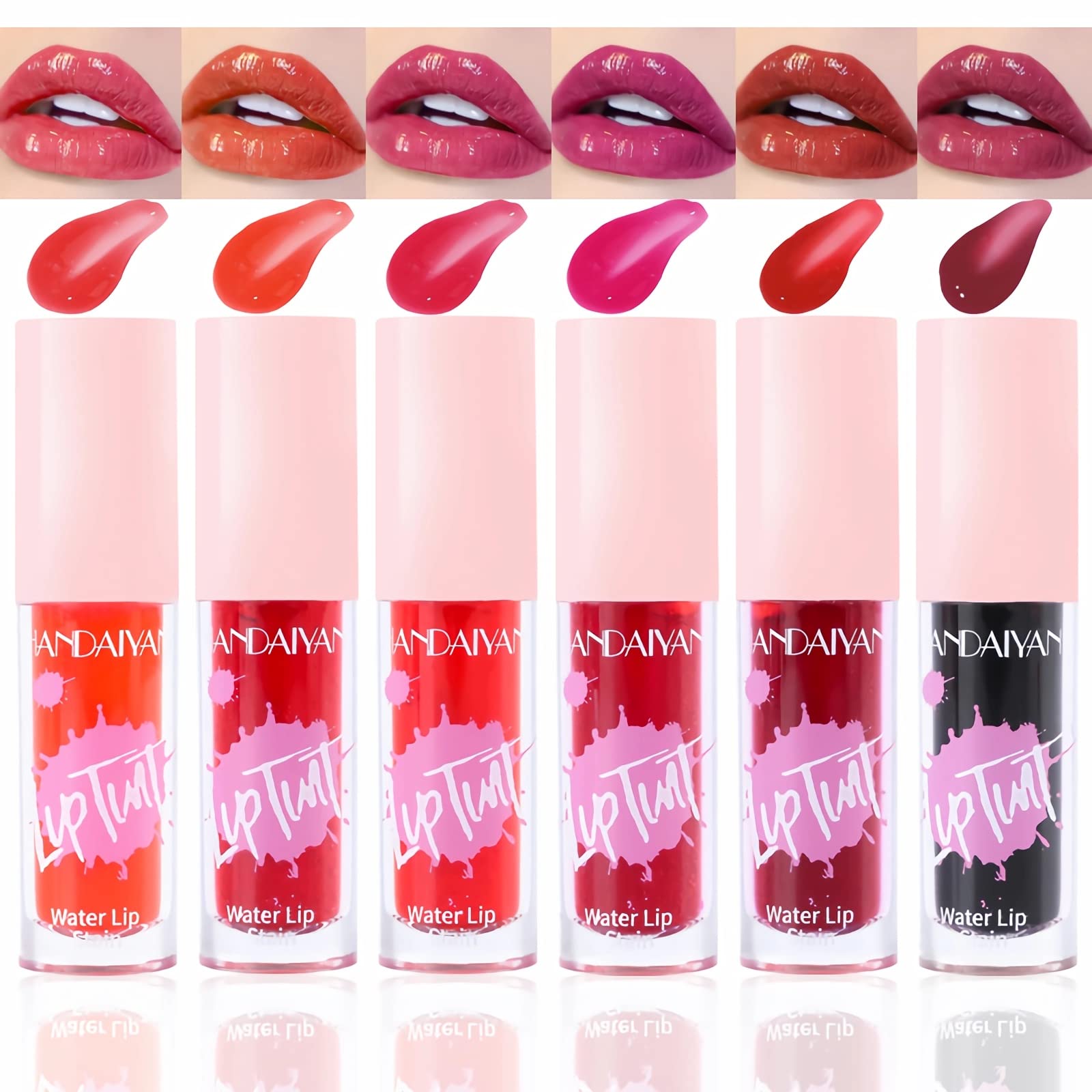
No. Normal lip tint staining is temporary.
The color usually fades as the outer lip surface wears away. Meals, drinks, saliva, brushing, and gentle cleansing also reduce the stain. A tint cannot normally penetrate deeply enough to act like permanent makeup.
A stain that lasts for many days may have another cause. Possible causes include:
- Irritant contact dermatitis
- An allergic reaction
- A dark mark left after inflammation
- A separate lip product or food color
- Sun-related pigmentation
- A cold sore or other lip condition
If your lips remain unusually dark, sore, swollen, cracked, or itchy after the color should have faded, stop using the product. Seek medical advice if symptoms are severe, spread, or do not improve.
Do not assume that persistent discoloration is only a cosmetic stain. The American Academy of Dermatology advises medical evaluation for changing, bleeding, painful, or nonhealing spots on the lips.
How to Remove Lip Tint Safely
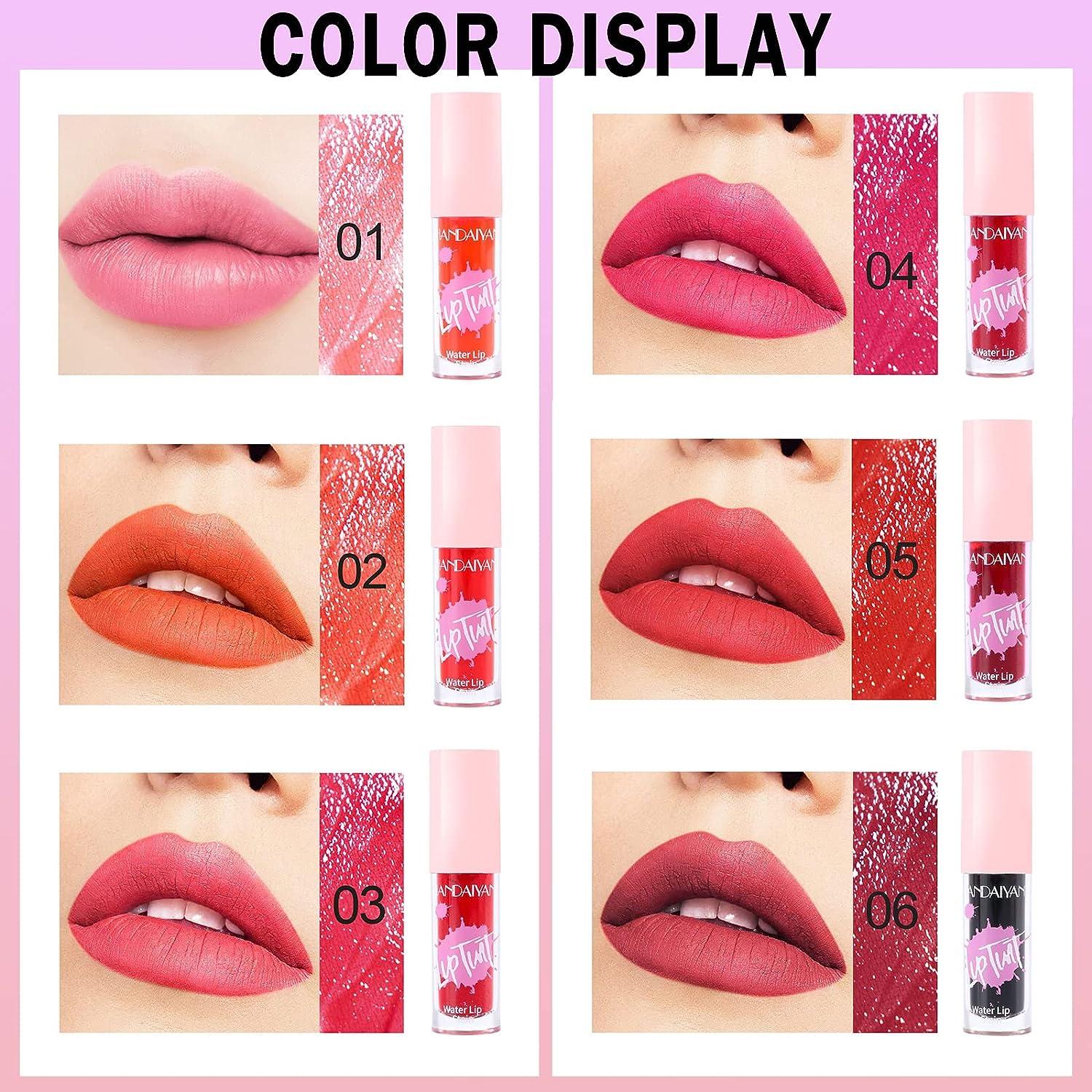
You can usually remove lip tint with an oil-based cleanser, micellar water made for makeup, or a gentle facial cleanser.
Follow these steps:
- Apply a makeup remover to a cotton pad or clean cloth.
- Hold it on the lips for 10 to 20 seconds. This helps loosen the color.
- Wipe gently without scrubbing back and forth.
- Repeat once if color remains.
- Rinse or cleanse according to the product directions.
- Apply a plain lip balm to reduce dryness.
An oil-based remover may work well because oils can loosen some long-wear cosmetic ingredients. However, avoid products that burn or make your lips feel tight.
Do not use bleach, rubbing alcohol, hydrogen peroxide, baking soda, or strong facial acids on your lips. These products can irritate the delicate skin and may worsen dryness or discoloration.
If you wear lip tint often, remove it before bed. Leaving makeup on overnight may increase dryness and irritation, especially if the formula contains fragrance or drying ingredients.

How to Prevent Lip Tint From Staining Unevenly
The best way to prevent patchy staining is to start with smooth, comfortable lips.
Try this routine:
- Check your lips first. Do not apply tint over open cracks, sores, or a rash.
- Use a plain balm. Apply a small amount and let it absorb.
- Blot extra balm. Too much oil can make the tint slide.
- Apply one thin layer. Build color slowly instead of applying a thick coat.
- Stay inside the natural lip line. Tint can leave a visible mark around the mouth.
- Blot if needed. This removes extra product before it settles.
- Reapply evenly. Add color to the whole lip rather than only to faded spots.
A gentle lip scrub is not required. If you choose to exfoliate, do it rarely and stop if your lips feel tender. Scrubbing dry lips can create tiny injuries and make the color look more uneven.
For daily use, a tint with moisturizing ingredients may feel more comfortable than a fast-drying stain. Still, the ingredient list matters more than marketing terms such as “hydrating” or “clean.”
Can Lip Tint Cause Dryness or Irritation?
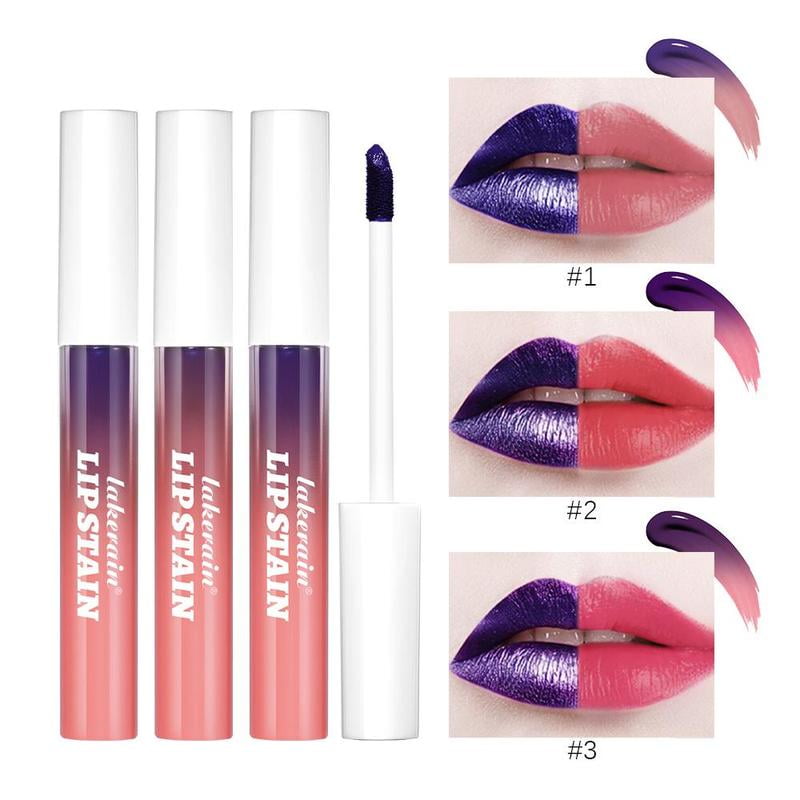
Yes, lip tint can cause dryness or irritation in some people.
Possible triggers include fragrance, flavor, preservatives, certain dyes, alcohol, and other ingredients. A reaction may cause:
- Burning or stinging
- Itching
- Redness
- Swelling
- Scaling
- Cracking
- Small bumps or a rash around the lips
A mild tingle is not always dangerous, but it is a reason to pay attention. Stop using the tint if discomfort continues or becomes stronger.
For a suspected reaction, gently remove the product and use a simple, fragrance-free lip moisturizer. Avoid adding more makeup until the skin feels normal. Get urgent care for trouble breathing, severe swelling, or swelling of the tongue or throat.
If the reaction returns each time you use the same product, ask a dermatologist about possible allergic contact dermatitis. Keep the package or ingredient list. It can help with evaluation.

Lip Tint vs. Lip Stain: Are They the Same?
The terms are often used in similar ways, but they can describe different product styles.
| Product type | Main feature | Typical result |
|---|---|---|
| Lip tint | Adds a light wash of color | Sheer, soft color |
| Lip stain | Designed to leave color after the base fades | Longer-lasting color |
| Tinted balm | Adds color with moisture | Softer, less lasting color |
| Liquid lipstick | Usually contains more pigment | Stronger, more opaque color |
| Lip liner | Defines the lip edge | Focused, precise color |
Marketing terms are not perfectly consistent. One brand may call a product a tint, while another uses “stain” for a similar formula.
To predict whether a product will stain, look at its texture, wear claims, color strength, and removal instructions. A sheer balm usually leaves less color than a watery, fast-drying stain.
Common Mistakes That Make Lip Tint Look Darker
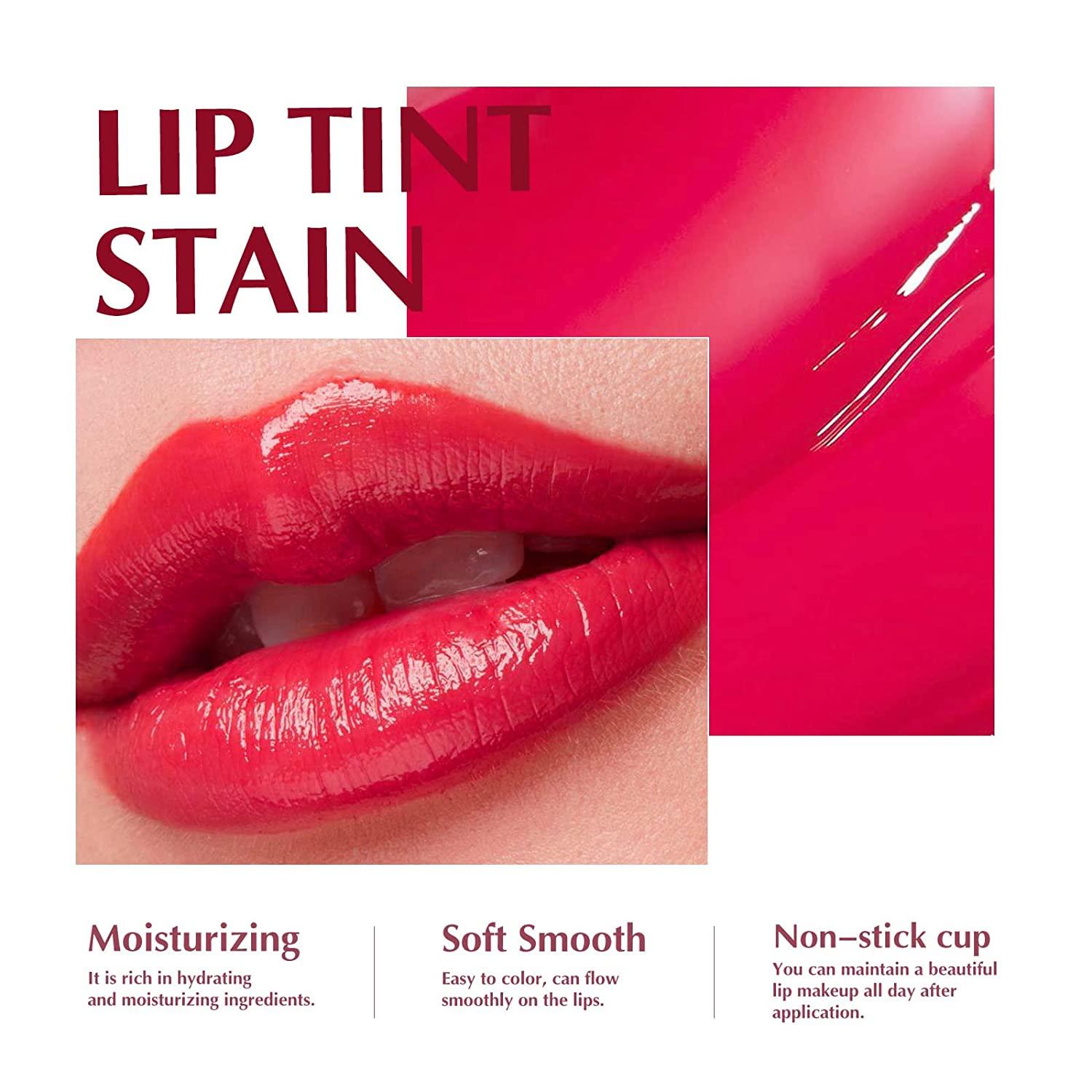
Several habits can make a tint appear more intense than expected.
Applying it to dry lips
Flakes can trap color. The stain may look darker in some areas and pale in others.
Using too many layers
Each layer adds more colorant. Wait for the first layer to dry before deciding whether you need more.
Applying balm over the tint too soon
A thick balm can move the tint into lip lines or outside the lip border.
Rubbing the lips together repeatedly
This may spread the color unevenly before it sets.
Choosing a shade only by the tube color
Lip chemistry, natural lip color, and formula can change the final result. A pink tint may look redder on one person and mauve on another.
Testing directly on damaged skin
A tint may sting and stain more strongly on cracked lips. Test new products on healthy skin and follow the product’s directions.
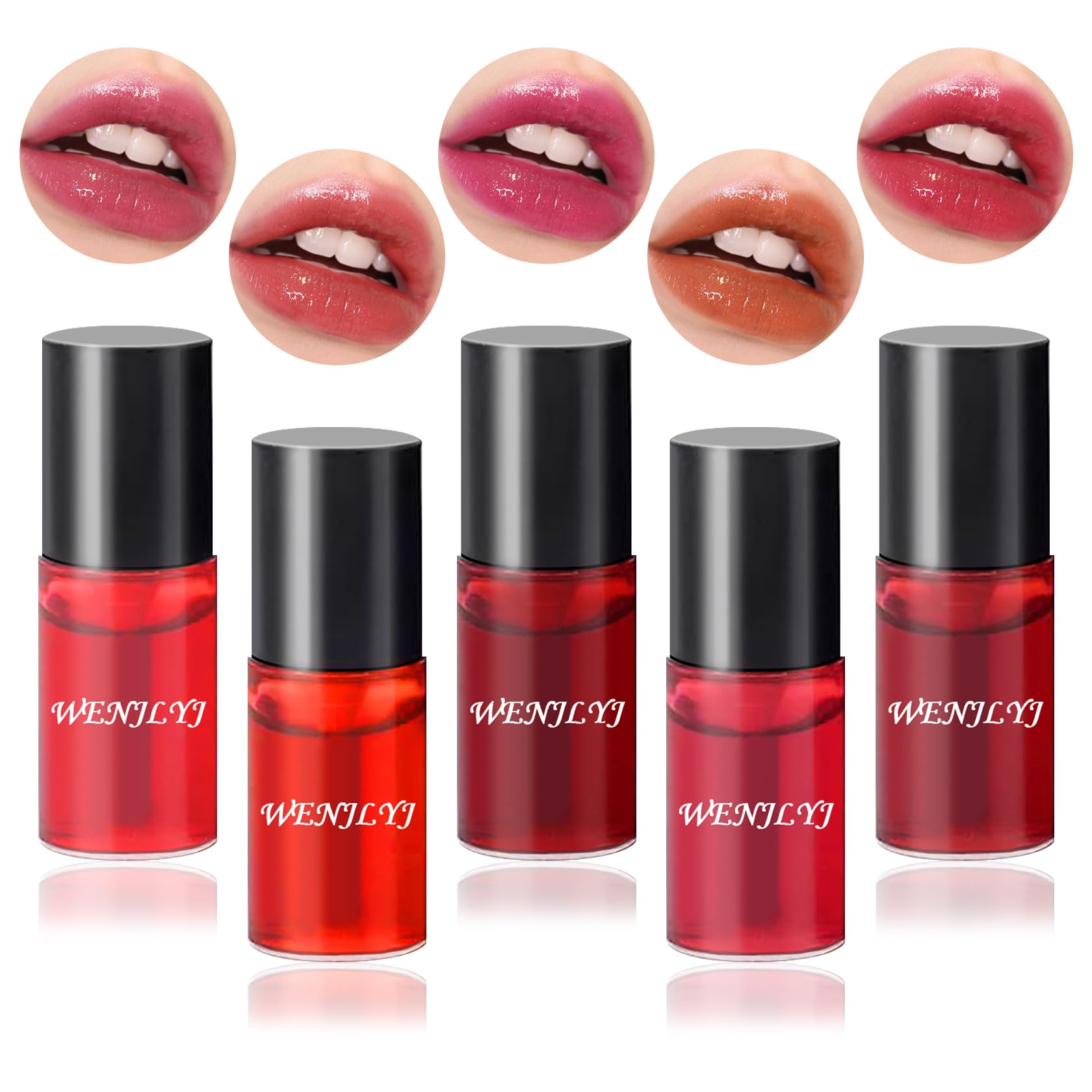
How to Test a New Lip Tint
A small test can help you identify irritation before wearing a new tint for a full day.
Apply a small amount to one area of the lip or nearby skin only if the product label permits it. Watch for immediate burning, swelling, itching, or redness. A delayed reaction can appear later, so pay attention over the next day.
This kind of test cannot guarantee that you will not react. It also cannot predict how evenly a tint will stain. It simply reduces the chance of wearing a new product over the entire lip without noticing a problem.
Do not share lip tint. Sharing can spread germs, especially when the applicator touches the lips. Replace the product if it changes smell, texture, or color, or if it is past the manufacturer’s recommended use period.

When Should You Stop Using Lip Tint?
Stop using a lip tint if it causes persistent burning, swelling, itching, rash, cracking, or pain.
Contact a health care professional if:
- The reaction is severe.
- Your lips swell quickly.
- You have trouble breathing or swallowing.
- The skin blisters or becomes infected.
- Discoloration does not fade.
- A sore does not heal.
- A spot bleeds, changes, or becomes painful.
For mild dryness, remove the tint and use a plain, fragrance-free balm. Avoid exfoliation and other lip makeup until the skin recovers.
The safest choice is not always the product with the longest wear. If your lips are sensitive, comfort and a simple formula may matter more than a stain that lasts all day.

Frequently Asked Questions
Does lip tint stain your lips overnight?
It can. A long-wear tint may leave color overnight, especially after several layers. Remove it gently before bed and apply a plain lip moisturizer if your lips feel dry.
Does lip tint make your lips darker?
A tint can make your lips look darker while the color remains. It should not permanently darken healthy lips. Ongoing darkening, irritation, or discoloration needs medical assessment.
Does lip tint come off with water?
Some tints fade with water, but many do not fully come off with water alone. Micellar water, an oil-based remover, or a gentle cleanser may work better.
Can you wear lip tint every day?
Many people can wear lip tint daily without a problem. Avoid daily use if it causes dryness or irritation. Remove it at night and keep the lips moisturized.
Is lip tint safe for chapped lips?
It is better to avoid tint on cracked, bleeding, or sore lips. Color may settle unevenly and some ingredients may sting. Let the lips heal first.
Why does my lip tint look different after a few hours?
The color may mix with saliva, balm, food, natural lip color, or oil from the skin. Dry patches can also hold more pigment, making parts of the lips look darker.
Key Takeaways
- Lip tint can stain your lips, but the stain is usually temporary.
- Long-wear, liquid, and highly pigmented formulas tend to leave more color.
- Dry or flaky lips can make the stain look patchy or darker.
- Remove tint with a gentle cleanser or makeup remover. Do not scrub hard.
- Stop using the product if it causes burning, swelling, itching, or a rash.
- Persistent discoloration or a sore that does not heal should be checked by a medical professional.
Conclusion
Lip tint stains because its colorants can remain after the rest of the formula wears away. The color usually fades within hours or by the next day, depending on the product and your lips.
For an even result, apply a thin layer to smooth, healthy lips. Remove it gently, moisturize afterward, and avoid harsh household products. If the color lasts unusually long or comes with pain, swelling, itching, or sores, treat it as a possible skin problem rather than a normal stain.
