
To stop flushing from rosacea, identify triggers, cool your skin gently, and use a dermatologist-guided treatment plan.
Rosacea flushing can feel sudden, hot, and hard to control. It may appear after a hot drink, a stressful meeting, a workout, or a warm room. The good news is that you can often reduce the frequency and strength of these episodes. This guide explains how to stop flushing from rosacea with simple daily steps, medical treatments, and trigger control. It also covers common mistakes, safety limits, and when to see a dermatologist.
What causes rosacea flushing?
Rosacea flushing happens when facial blood vessels widen too easily. More blood reaches the skin, which causes heat, redness, and sometimes stinging. Over time, repeated flushing may make the skin more reactive.
Common triggers include:
• Heat and sudden changes in temperature
• Sunlight and ultraviolet exposure
• Hot coffee, tea, soup, or other drinks
• Spicy foods
• Alcohol, especially red wine
• Exercise
• Stress, embarrassment, or anger
• Hot baths, saunas, and heated rooms
• Harsh skin care products
• Wind and cold weather
• Some medicines or supplements
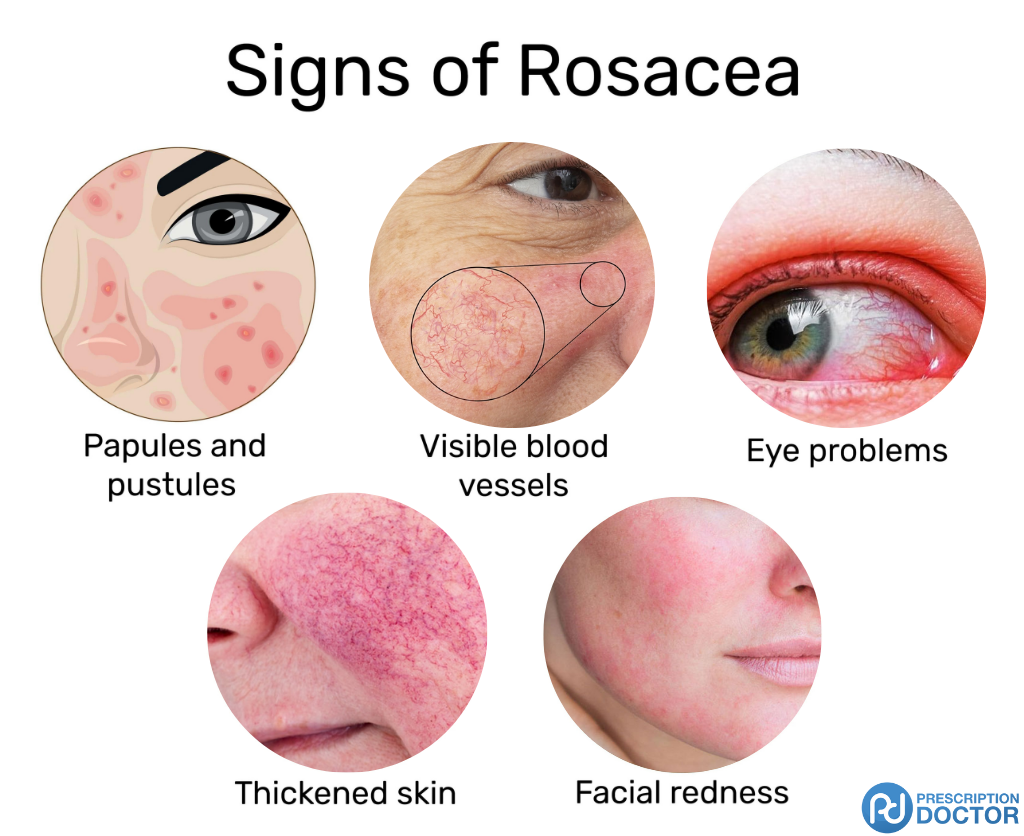
Rosacea is not simply “sensitive skin.” It is a long-term inflammatory skin condition. Many people also have visible small blood vessels, bumps, dry skin, burning, or eye symptoms.
A helpful way to think about flushing is like an overly sensitive thermostat. Small changes can make the system react too strongly. The goal is not to avoid every part of life. It is to lower the number of strong signals reaching your skin.

How to stop flushing from rosacea at home
Home care can help calm an episode and reduce future flares. These steps work best when you use them every day, not only after your face turns red.
Cool your skin gently
Move to a cool room when flushing begins. Use a clean, cool, damp cloth on your face for several minutes. A fan may also help if it does not dry or irritate your skin.
Avoid placing ice directly on your skin. Extreme cold can damage the skin barrier and may cause another rebound reaction. Your goal is gentle cooling, not a sudden temperature shock.
Use a simple skin care routine
Choose products made for sensitive skin. A basic routine often works better than a shelf full of active ingredients.
Use:
• A mild, fragrance-free cleanser
• A plain moisturizer with ceramides or glycerin
• A broad-spectrum SPF 30 or higher sunscreen
• Lukewarm water instead of hot water
Apply moisturizer while your skin is still slightly damp. This helps reduce water loss and may lessen tightness and stinging.
Protect your face from the sun
Sun exposure is one of the most common rosacea triggers. Use sunscreen each morning, even on cloudy days. Mineral sunscreens with zinc oxide or titanium dioxide may feel more comfortable for some people with reactive skin.
A wide-brimmed hat, sunglasses, and shade add extra protection. Reapply sunscreen after sweating or spending time outdoors.
Keep a flushing diary
Write down what happened before each episode. Include food, weather, exercise, stress, skin products, and medicines. After two to four weeks, patterns often become easier to see.
Do not remove many foods at once. That can make life harder and may lead to poor nutrition. Test one possible trigger at a time when possible.

How to avoid common rosacea flushing triggers
Trigger control is one of the most useful ways to stop flushing from rosacea. Still, triggers vary from person to person. A food that affects one person may not affect another.
Food and drinks
You may not need to stop drinking coffee or eating spicy food forever. Instead, try small changes:
• Let hot drinks cool before drinking them
• Choose mild spices during a flare
• Limit alcohol or avoid it if it clearly triggers redness
• Eat smaller meals if large meals make you feel hot
• Drink cool water during meals
Some people flush from the temperature of a drink rather than its caffeine content. Keep this in mind when testing your triggers.
Exercise
Exercise is healthy and does not need to stop because of rosacea. Try lower-heat options such as walking, indoor cycling, swimming in a comfortable pool, or strength training in a cool room.
Helpful tips include:
• Exercise during cooler parts of the day
• Keep a cool towel nearby
• Drink water before and after activity
• Use a fan or choose a well-ventilated space
• Reduce intensity for a few minutes if flushing becomes strong
A red face after exercise is not always a rosacea flare. The key concern is persistent burning, discomfort, or redness that lasts much longer than expected.
Stress and strong emotions
Stress can activate the nervous system and increase facial warmth. You cannot prevent every stressful moment, but you can reduce the body’s response.
Try slow breathing, short walks, progressive muscle relaxation, or a brief pause in a cool space. These methods will not replace medical care, but they may help shorten a flushing episode.
Weather and temperature changes
Move between hot and cold areas slowly when possible. Dress in light layers so you can remove clothing before you overheat. In winter, protect your face from wind with a soft scarf, but avoid rough fabrics that rub the skin.
At home, keep bedrooms and work areas comfortably cool. A humidifier may help if dry indoor air worsens irritation, but clean it often to prevent mold and bacteria.

Medical treatments that may reduce rosacea flushing
If lifestyle changes are not enough, a dermatologist can recommend treatment based on your symptoms. The best plan depends on whether you have brief flushing, lasting redness, visible blood vessels, bumps, or eye problems.
Prescription creams and gels
Brimonidine gel and oxymetazoline cream are approved treatments for persistent facial redness in adults with rosacea. They work by narrowing certain blood vessels in the skin. They may reduce background redness for several hours, but they do not cure rosacea.
Use these medicines exactly as prescribed. Some people experience worsening redness after the effect wears off. Applying too much can increase side effects, so more product is not better.
Other prescription treatments, such as metronidazole, azelaic acid, or ivermectin, mainly target bumps and inflammation. They may improve the overall condition of the skin, but they are not quick fixes for sudden flushing.
Oral medicines
For frequent or severe flushing, a dermatologist may consider an oral medicine. Options can include certain beta blockers, alpha-agonist medicines, or other drugs used off label.
These treatments are not right for everyone. Heart rate, blood pressure, asthma, pregnancy, other medicines, and existing health conditions all matter. Never borrow a medicine or change a dose without medical guidance.
Laser and light treatments
Vascular laser treatment and intense pulsed light may reduce visible blood vessels and lasting redness. They do not remove every rosacea trigger, and several sessions may be needed.
Possible side effects include temporary swelling, bruising, color changes, or irritation. Treatment should be performed by an experienced medical professional who understands rosacea and your skin type.

How to build a rosacea-friendly skin care routine
A calm skin barrier is easier to manage. When the barrier is damaged, products and weather can feel much harsher.
Morning routine
- Rinse with lukewarm water or use a gentle cleanser.
- Apply a fragrance-free moisturizer.
- Use broad-spectrum SPF 30 or higher.
- Add a hat or sunglasses when outdoors.
Evening routine
- Remove sunscreen and makeup with a mild cleanser.
- Pat your face dry with a soft towel. Do not rub.
- Apply prescribed treatment if your clinician instructed you to do so.
- Finish with a plain moisturizer.
Patch-test new products on a small area first. Wait at least one day before applying a new product across your face.
Avoid common irritants such as:
• Fragrance and essential oils
• Menthol, camphor, and eucalyptus
• Alcohol-heavy toners
• Strong scrubs and cleansing brushes
• Hot water
• Unsupervised steroid creams
• High-strength acids and retinoids during a flare
Steroid creams may briefly reduce redness, but they can worsen rosacea or cause rebound problems when used on the face without medical supervision.
A practical plan for a sudden flushing episode
When flushing starts, act early. A simple routine may prevent the episode from becoming more intense.
- Stop the activity that may be raising your body temperature.
- Move to a cool, quiet place.
- Remove extra layers or tight clothing.
- Sip cool water.
- Place a cool, damp cloth on your face.
- Avoid rubbing, scrubbing, or adding several products.
- Use prescribed medicine only as directed.
- Note the possible trigger after your skin settles.
Do not use ice packs directly on your cheeks. Do not splash your face with very cold water if temperature changes trigger you. Gentle, steady cooling is safer than a dramatic change.
One common mistake is trying five new products after a flare. This often makes the skin more irritated and makes the real trigger harder to identify. Keep your routine boring while your skin recovers.

When to see a dermatologist
Make an appointment if flushing is frequent, painful, spreading, or affecting your work and social life. A dermatologist can confirm whether rosacea is the cause. Conditions such as lupus, contact dermatitis, menopause-related flushing, medication reactions, and other disorders can look similar.
Seek medical advice if you notice:
• Redness that does not fade
• New visible blood vessels
• Repeated bumps or pus-filled spots
• Severe burning or swelling
• Eye redness, pain, light sensitivity, or blurred vision
• Flushing after starting a new medicine
• Symptoms that suddenly become much worse
Eye pain or vision changes need prompt medical attention. Rosacea can affect the eyes, and untreated eye inflammation may damage the cornea.
Take photos during a flare if the redness fades before your appointment. Also bring a list of medicines, supplements, skin products, and suspected triggers. These details can help your clinician make a more accurate plan.

Mistakes that can make rosacea flushing worse
Some well-meaning solutions create more irritation. Avoid these common mistakes:
• Washing your face with hot water
• Applying ice directly to the skin
• Scrubbing away flakes or redness
• Using several strong products at once
• Applying steroid cream without advice
• Ignoring sunscreen
• Exercising in extreme heat
• Assuming every red face is caused by one food
• Stopping prescribed treatment too soon
• Using someone else’s rosacea medicine
Another mistake is expecting instant results from every treatment. Skin care changes may take weeks. Prescription creams often need regular use. Laser treatments may require more than one session. Patience matters, but worsening symptoms should still be reviewed.
How long does it take to reduce rosacea flushing?
The time varies. Gentle cooling may reduce the heat and discomfort during an episode. Avoiding a personal trigger may reduce flushing within days or weeks, but the pattern may return if the trigger comes back.
Prescription treatments often need consistent use before you can judge the result. Your dermatologist may adjust the treatment after reviewing your response. Keep notes, because gradual improvement can be hard to notice from day to day.
Rosacea usually needs long-term management rather than a single cure. Think of treatment as lowering the volume on an overactive alarm. The alarm may still sound sometimes, but it should become less frequent and less disruptive.

Frequently Asked Questions About How to Stop Flushing From Rosacea
What is the fastest way to stop rosacea flushing?
Move to a cool area, stop the trigger, and use a cool damp cloth on your face. Avoid ice, rubbing, and very cold water, because sudden temperature changes may worsen irritation.
Can drinking water stop rosacea flushing?
Water may help if heat, exercise, or dehydration contributes to your symptoms. It will not remove the underlying cause, so combine hydration with trigger control and medical treatment when needed.
Does cold water help rosacea flushing?
Cool water may feel soothing, but very cold water can shock reactive skin. Use lukewarm water for cleansing and a cool, damp cloth for short periods during a flare.
Can a dermatologist prescribe medicine for rosacea flushing?
Yes. Depending on your symptoms, a dermatologist may prescribe topical redness treatments or consider oral medicines. Some treatments target persistent redness, while others focus on bumps, inflammation, or visible blood vessels.
Should I stop exercising if exercise causes flushing?
Usually, no. Exercise supports overall health, but you may need to lower heat exposure, choose cooler times, take breaks, and keep a cool towel nearby.
Can rosacea flushing go away permanently?
Rosacea can often be controlled, but it is usually a long-term condition. A combination of trigger management, gentle skin care, and medical treatment can reduce episodes and limit lasting redness.
When is facial flushing a medical emergency?
Get urgent help for facial flushing with trouble breathing, swelling of the lips or tongue, fainting, chest pain, or signs of a severe allergic reaction. Eye pain or vision changes also require prompt medical care.
Conclusion
Learning how to stop flushing from rosacea starts with finding your triggers and protecting your skin barrier. Cool your face gently, avoid extreme heat, use daily sunscreen, and keep your skin care routine simple. If flushing remains frequent or severe, a dermatologist can offer prescription treatments, oral options, or laser and light therapy.
Begin with one small change this week, such as cooling hot drinks or keeping a trigger diary. Track what helps, follow medical advice, and explore trusted dermatology resources for long-term support.
