
Rosacea has no permanent cure in the United States because it is a long-term condition with several possible causes, types, and triggers. Current treatments can lower redness, bumps, burning, and eye symptoms, but they do not remove the tendency for rosacea to return.
That does not mean rosacea cannot be managed. Many people in the U.S. control their symptoms well with a mix of skin care, trigger changes, prescription medicine, and sometimes laser or light treatment.

What rosacea is—and what “no cure” really means
Rosacea is a chronic skin condition that often affects the center of the face. It may cause flushing, lasting redness, visible blood vessels, acne-like bumps, stinging, dry skin, or swelling. Some people also develop eye symptoms, called ocular rosacea.
The American Academy of Dermatology Association describes four common patterns:
- Erythematotelangiectatic rosacea: flushing, persistent redness, and visible small blood vessels.
- Papulopustular rosacea: red bumps and pus-filled spots.
- Phymatous rosacea: thickened skin, often on the nose.
- Ocular rosacea: irritated, dry, red, or gritty eyes.
A person may have more than one pattern. Symptoms may also change over time.
A cure would permanently remove the underlying disease process. Rosacea treatment usually does something different: it reduces inflammation, narrows visible blood vessels, treats bumps, protects the skin barrier, or prevents symptoms from becoming worse.
That is why remission and cure are not the same:
- Remission: symptoms become mild or disappear for a period of time.
- Control: treatment keeps symptoms at a manageable level.
- Cure: the condition ends and does not return without ongoing care.
Rosacea can enter a quiet phase, but its underlying tendency may remain. Stopping treatment or meeting a strong trigger can lead to a flare.

Why rosacea has no permanent cure
1. Rosacea probably has more than one cause
Researchers have not found one cause that explains every case. Rosacea may involve several linked processes, including:
- An overactive immune response
- Abnormal widening of facial blood vessels
- Changes in nerves that control flushing and pain
- A weakened skin barrier
- Inflammation around hair follicles
- Possible changes in skin microorganisms
- Genetic susceptibility
- Sun-related skin damage
These factors may differ from one person to another. A medicine that helps facial bumps may not stop flushing. A treatment that reduces visible blood vessels may not relieve eye irritation.
The National Rosacea Society and dermatology researchers continue to study these pathways. So far, research has not produced one treatment that safely corrects all of them at once.
2. Rosacea is a chronic condition
Rosacea often behaves more like asthma or eczema than a short-term infection. Symptoms may improve, but the skin can remain sensitive to heat, sunlight, alcohol, spicy foods, stress, or skin products.
The condition may also worsen and improve in cycles. A quiet period does not always mean the disease has ended. It may mean that treatment, lifestyle changes, or time have reduced inflammation.
3. Rosacea is not one single disease
“Rosacea” is a broad label. Flushing, bumps, thickened skin, and eye symptoms may share some biology, but they do not respond to the same treatment.
For example:
- Persistent redness may respond to a topical vasoconstrictor or vascular laser.
- Bumps may improve with ivermectin, azelaic acid, metronidazole, or an oral anti-inflammatory dose of doxycycline.
- Eye symptoms may require eyelid care, artificial tears, or an eye-care evaluation.
- Thickened nose skin may need a procedure such as laser treatment or surgical reshaping.
This variety makes a universal cure unlikely with current medical knowledge.
4. Triggers can activate several body systems
A rosacea trigger is not necessarily the root cause. It is something that can set off symptoms in a person who is already prone to rosacea.
Common triggers include:
- Sun and ultraviolet light
- Hot weather or cold wind
- Hot drinks
- Alcohol
- Spicy foods
- Exercise
- Stress or strong emotions
- Hot baths and saunas
- Harsh skin products
These triggers can affect blood flow, nerve signals, body temperature, or inflammation. Avoiding a trigger may lower flares, but it does not permanently change the condition.
5. Current treatments target symptoms, not every underlying pathway
Most available treatments have a specific job. They may:
- Reduce inflammation
- Lower the number of bumps
- Temporarily reduce facial redness
- Treat bacteria or microorganisms linked to inflammation
- Reduce visible blood vessels
- Protect the eyes
- Repair or support the skin barrier
No approved treatment reliably resets every system involved in rosacea. This is the central reason doctors describe rosacea as manageable rather than curable.
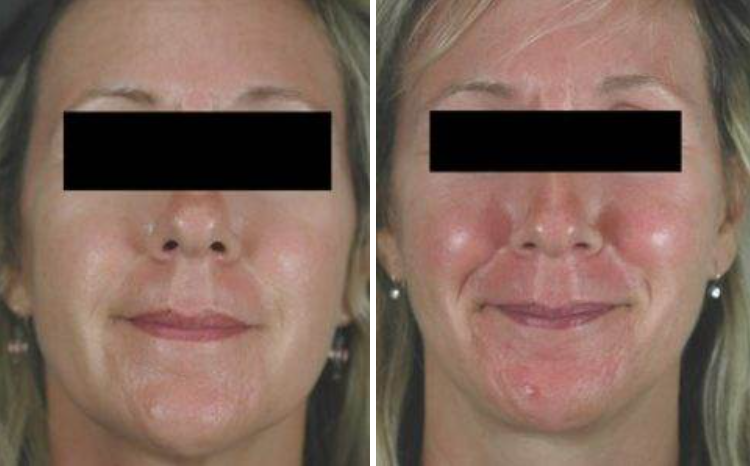
What rosacea treatments can do
Treatment can still make a major difference. The best plan depends on the symptoms a person has, their skin sensitivity, other health conditions, and the risk of side effects.
| Main symptom | Treatments a dermatologist may consider | What to expect |
|---|---|---|
| Persistent facial redness | Brimonidine gel, oxymetazoline cream, laser, or intense pulsed light | Topical medicines can reduce redness for part of the day; procedures may reduce visible vessels |
| Bumps and pustules | Ivermectin, azelaic acid, metronidazole, or doxycycline | Improvement often takes several weeks; maintenance may be needed |
| Flushing | Trigger planning, sun protection, selected medicines, or procedures | Results vary because flushing can involve blood vessels and nerves |
| Visible blood vessels | Vascular laser or intense pulsed light | Several sessions may be needed; vessels can return or new ones can form |
| Burning and stinging | Gentle skin care, moisturizers, sunscreen, and treatment of inflammation | Skin comfort may improve gradually |
| Eye irritation | Eyelid hygiene, artificial tears, prescription care, or an eye specialist | Treatment matters because untreated eye disease can damage the cornea |
| Thickened skin | Laser or surgical treatment | Procedures can improve shape and texture but do not prevent future rosacea activity |
In the United States, the Food and Drug Administration has approved prescription treatments for certain rosacea symptoms. Examples include:
- Brimonidine gel for persistent facial redness
- Oxymetazoline cream for persistent facial redness
- Ivermectin cream for inflammatory lesions
- Metronidazole for inflammatory lesions
- Azelaic acid for inflammatory lesions
- Low-dose doxycycline for inflammatory lesions in suitable patients
Approval, strength, and instructions can differ by product. A clinician may also use a medicine off-label when the expected benefit and risk support it.
Treatment does not work at the same speed for every symptom. A topical medicine may reduce redness on the day it is used, while a treatment for bumps may take several weeks. Laser treatment may improve visible vessels but does not stop all future flushing.

Why rosacea often comes back after treatment
Rosacea can return because treatment usually suppresses activity rather than removing susceptibility.
A flare may follow:
- Stopping a medicine that was controlling inflammation
- Strong sun exposure
- A new skin product that irritates the barrier
- Illness, stress, heat, or alcohol
- A treatment that helped one symptom but not another
- An incorrect diagnosis
Some people also experience rebound or worsening redness with certain products. For example, medicines that narrow blood vessels can cause problems if used incorrectly or if the skin reacts to them. Follow the prescribing instructions and tell the prescriber about a worsening reaction.
A return of symptoms does not always mean that treatment failed. It may mean that the plan needs to change, that maintenance treatment is needed, or that a different rosacea subtype is now more prominent.
Keep a simple flare record for two to four weeks. Note:
- Food and drinks
- Weather and heat
- Sun exposure
- Exercise
- Stress
- Skin products
- Medicine use
- The symptom that appeared
This record can reveal patterns without forcing you to remove many foods at once. Do not adopt a highly restrictive diet unless a qualified clinician or registered dietitian recommends it.

Why lifestyle changes help but do not cure rosacea
Lifestyle changes can reduce the number or severity of flares. They do not cure rosacea because they cannot remove every genetic, immune, nerve, or blood-vessel factor involved.
Useful steps include:
- Use broad-spectrum sunscreen. Choose SPF 30 or higher. Mineral formulas with zinc oxide or titanium dioxide may be easier for sensitive skin to tolerate.
- Protect your face from heat and cold. Use shade, a hat, a scarf, or a face covering suited to the weather.
- Wash gently. Use lukewarm water, clean fingertips, and a mild cleanser.
- Moisturize. A bland moisturizer can support the skin barrier and reduce stinging.
- Add one new product at a time. Test it on a small area first.
- Identify personal triggers. Not every person reacts to the same food, drink, or activity.
- Avoid scrubs and harsh rubbing. Physical irritation can worsen redness and burning.
- Limit unproven “natural cures.” Essential oils, strong acids, and herbal products may irritate rosacea-prone skin.
Do not stop a prescribed medicine simply because your skin looks better. Ask the prescriber whether you need ongoing treatment, a lower frequency, or a maintenance plan.
Can rosacea be cured with antibiotics, ivermectin, or laser treatment?
No. These treatments can help specific rosacea features, but none is a permanent cure.
Antibiotics
Doxycycline may reduce inflammatory bumps and swelling because it has anti-inflammatory effects at certain doses. It does not permanently remove rosacea. Long-term antibiotic use also requires medical oversight because side effects and drug interactions are possible.
Antibiotics should not be used casually for facial redness or as a substitute for diagnosis.
Ivermectin
Topical ivermectin can reduce inflammatory lesions in some people. It may help when follicle-related inflammation contributes to the condition. It does not reliably remove flushing, visible blood vessels, or the tendency to flare.
Laser and intense pulsed light
Laser and light treatments can reduce visible blood vessels and, in some cases, persistent redness. They may also improve thickened skin when used for the right condition.
These procedures do not cure the inflammatory or nerve-related parts of rosacea. New vessels or redness may develop later. Treatment should be performed by a qualified medical professional who can assess skin type, medication use, eye protection, and risk of pigment changes or burns.
Steroid creams
Steroid creams are not a general rosacea cure. Long-term or inappropriate use on the face can cause thinning, acne-like eruptions, or steroid-related worsening. Use them on facial skin only when a clinician gives clear instructions.
Could researchers eventually find a cure?
A future cure is possible, but it is not established. Researchers are studying immune signals, blood-vessel behavior, nerve pathways, the skin barrier, and the role of microorganisms.
A true cure would need to do more than make redness fade for a few hours. It would likely need to:
- Work across more than one rosacea subtype
- Prevent inflammation from returning
- Avoid harmful effects on blood vessels and nerves
- Help people with eye and skin symptoms
- Remain safe for long-term use
- Work across different skin tones and patient groups
Current studies may identify better treatments, but early research does not prove that a cure is close. Be cautious with clinics or online products that promise to permanently cure rosacea, “detox” the skin, or eliminate all redness without medical treatment.
When to see a dermatologist or eye doctor
Make an appointment with a dermatologist if facial redness, bumps, burning, or visible vessels persist. Rosacea can resemble acne, seborrheic dermatitis, contact dermatitis, lupus, perioral dermatitis, and other conditions. The correct diagnosis changes the treatment.
Seek prompt eye care if you have:
- Eye pain
- Blurred vision
- Light sensitivity
- A feeling that something is stuck in the eye
- Marked redness or swelling
- Worsening dryness with vision changes
These symptoms can signal a problem that needs more than routine skin care.
Bring a list of medicines, supplements, skin products, and known triggers to the visit. Photos taken during a flare can also help if the skin looks calmer on the appointment day.
Frequently asked questions
Is rosacea a lifelong condition?
Rosacea is usually considered chronic. Symptoms may stay mild or disappear for long periods, but the tendency to flare can remain. Regular treatment and trigger control may keep it quiet.
Can rosacea go away on its own?
A flare may settle on its own, but persistent rosacea often needs treatment. Waiting can allow redness, visible vessels, bumps, or thickened skin to become harder to control.
Is rosacea caused by poor hygiene?
No. Rosacea is not caused by dirty skin. Scrubbing, over-washing, or using harsh products may make symptoms worse by damaging the skin barrier.
Is rosacea an autoimmune disease?
Rosacea involves immune activity, but it is not generally classified as a classic autoimmune disease. Its biology may include immune, vascular, nerve, skin-barrier, and microbial factors.
Can diet cure rosacea?
No diet has been proven to cure rosacea. Some people have food or drink triggers, such as alcohol, spicy foods, or hot beverages. A personal trigger plan is more useful than avoiding every suspected trigger.
The practical answer
There is no cure for rosacea because it is a varied, chronic condition involving more than one body system. Current care can control its main features, reduce flares, protect the eyes, and improve quality of life, but it cannot reliably erase the underlying tendency.
The next useful step is to identify your main symptom: flushing, lasting redness, bumps, visible vessels, burning, or eye trouble. A dermatologist can match that symptom to a treatment plan and help you avoid products or procedures that may make the condition worse.
