
Rosacea flushing often lasts 10 minutes to an hour, but some episodes may continue for several hours.
If you are asking, “how long does rosacea flushing last?” the honest answer is that it varies. Mild flushing may fade within minutes, while a strong trigger, such as heat or alcohol, can keep facial redness going for hours. Understanding your triggers, early warning signs, and treatment options can help you shorten episodes and prevent them from becoming more frequent.
How long does rosacea flushing last?
For many people, rosacea flushing lasts between 10 minutes and 1 hour. Some episodes fade in just a few minutes. Others may last several hours, especially after intense heat, sun exposure, exercise, alcohol, or spicy food.
Rosacea flushing can also become more stubborn over time. Early in the condition, the skin may return to its usual color after each episode. Later, redness may linger between flares because the small blood vessels stay more reactive.
The length of a flare depends on several factors:
• The strength of the trigger
• Your skin type and rosacea subtype
• How often you flush
• Whether you cool the skin quickly
• Whether you use prescribed treatment
• Your level of sun damage or skin irritation
If facial redness lasts all day or appears most days, it may be more than temporary flushing. Persistent redness, visible blood vessels, bumps, or eye symptoms deserve an evaluation by a dermatologist.

What does rosacea flushing feel and look like?
Rosacea flushing often starts suddenly. You may notice warmth, tingling, burning, or a tight feeling before the redness becomes clear.
The color may range from light pink to deep red or purple, depending on your skin tone. On darker skin, flushing may look brown, violet, gray, or dusky rather than bright red.
Common features include:
• Warmth across the cheeks, nose, forehead, or chin
• A sudden feeling of heat in the face
• Burning or stinging
• Temporary swelling
• Sweating during or after the episode
• Redness that comes and goes
• Small visible blood vessels after repeated flares
Rosacea flushing is not the same as a normal blush. A blush often has a clear emotional cause and fades quickly. Rosacea flushing may happen after mild triggers and can feel hot, painful, or difficult to control.
The skin barrier may also become more sensitive. Products that once felt comfortable can sting during a flare. This is why harsh scrubs, strong acids, and fragranced products may make the episode last longer.

Why does rosacea flushing happen?
Rosacea flushing happens when blood vessels in the face widen too easily. Nerves, immune signals, temperature changes, and skin inflammation can all play a role.
Researchers have found that rosacea involves an overactive inflammatory response. A protein called cathelicidin, changes in nerve signaling, and increased sensitivity to heat may contribute. The exact cause is still not fully known, so no single explanation fits every person.
Common triggers include:
• Hot weather or cold wind
• Hot showers, saunas, and heated rooms
• Sun exposure
• Exercise
• Alcohol, especially red wine
• Spicy foods and hot drinks
• Stress, anger, or embarrassment
• Strong skin care products
• Fever or illness
• Sudden changes in temperature
One person may flush after coffee, while another may react to cold air. A trigger diary is often more useful than a long list of foods to avoid.
Try recording the following details:
- What you ate or drank
- The weather and room temperature
- Your activity level
- Your stress level
- The skin products you used
- How long the flushing lasted
After two to four weeks, patterns may become easier to see. Avoid cutting out many foods at once unless a health professional recommends it. Broad restrictions can reduce quality of life without proving which trigger matters.

Factors that can make rosacea flushing last longer
The same trigger can cause a short episode one day and a long episode the next. This happens because several factors may combine to increase blood vessel activity.
Heat and temperature changes
Heat is one of the most common reasons rosacea flushing lasts longer. A hot shower, warm room, or summer day can keep facial blood vessels open.
Moving quickly from cold air into a heated room may also cause a flare. The change acts like a sudden switch for sensitive blood vessels.
Sun exposure
Ultraviolet light can increase inflammation and make the skin more reactive. A flare may start during sun exposure or several hours later.
Daily broad-spectrum sunscreen with SPF 30 or higher can help reduce this risk. Mineral formulas containing zinc oxide or titanium dioxide may feel gentler for sensitive skin, though every product should be tested carefully.
Alcohol and spicy food
Alcohol can widen blood vessels and increase facial warmth. Spicy foods may activate heat-sensitive nerve pathways.
If you notice a clear link, reduce the portion or avoid that trigger. You do not need to assume every food causes rosacea flushing.
Stress and strong emotions
Stress can stimulate the nervous system and increase facial blood flow. Some people flush during meetings, public speaking, or conflict.
Slow breathing may help calm the body, but it does not mean the symptoms are “just in your head.” Rosacea is a real skin condition, and emotional stress can be one of many physical triggers.
Irritated skin
A damaged skin barrier can make a flare feel hotter and last longer. Scrubbing, exfoliating, shaving, or using several new products can worsen irritation.
During a flare, keep your routine simple. Use a gentle cleanser, a plain moisturizer, and sun protection.

How to shorten a rosacea flushing episode
You may not be able to stop every episode at once, but early action can help. Think of flushing like a small spark. Cooling the skin and removing the trigger may prevent it from becoming a larger fire.
Try these steps:
- Move to a cool, shaded, or well-ventilated place.
- Remove scarves, hats, or tight clothing that trap heat.
- Sip cool water rather than very cold water.
- Place a cool, damp cloth on the face for short periods.
- Stop exercise until the warmth settles.
- Avoid rubbing, scrubbing, or pressing the skin.
- Use a gentle moisturizer if the skin feels dry or tight.
- Avoid applying ice directly to the face.
A fan may help, but very cold air can also irritate sensitive skin. Use gentle cooling rather than an extreme temperature change.
If you have a prescription cream, gel, or tablet, use it exactly as directed. Some treatments are designed to reduce persistent redness, while others help manage bumps and inflammation. Not every rosacea medicine works immediately, so ask your dermatologist what result and time frame to expect.

Medical treatments that may help
Treatment depends on the type of rosacea and the symptoms you have. A dermatologist may recommend one or more of the following:
• Brimonidine or oxymetazoline for temporary reduction of persistent facial redness
• Metronidazole, azelaic acid, or ivermectin for inflammatory bumps
• Low-dose doxycycline for inflammation and papules
• Laser or intense pulsed light treatment for visible blood vessels and lasting redness
• Eye treatment when rosacea affects the eyelids or eyes
Brimonidine and oxymetazoline can reduce redness for several hours in some patients. However, a small number of people experience worsening redness as the medicine wears off or develops a rebound effect. Discuss this risk with a clinician before use.
Laser and light treatments may reduce visible vessels, but they are not a permanent cure for rosacea. New vessels or flushing may develop if triggers and inflammation continue.
Treatment results vary. Pregnancy, other medicines, allergies, skin tone, and medical conditions can affect which option is safest. A professional diagnosis is especially important when redness is new, severe, or changing.

Skin care habits that support calmer skin
A simple routine often works better than a complicated one. The goal is to protect the skin barrier and reduce irritation.
Morning:
• Wash with lukewarm water and a gentle cleanser
• Apply a fragrance-free moisturizer
• Use broad-spectrum SPF 30 or higher
• Wear a wide-brimmed hat when outdoors
Evening:
• Remove sunscreen gently
• Cleanse without scrubbing
• Apply a bland moisturizer
• Use prescribed treatment as directed
Avoid products that contain strong fragrance, menthol, camphor, alcohol, or harsh exfoliants if they cause burning. Retinoids, glycolic acid, and salicylic acid can help some skin concerns, but they may irritate rosacea-prone skin.
Patch-test new products on a small area first. A product that feels cooling is not always soothing. Menthol can create a cold sensation while irritating the skin underneath.
A practical lesson from many patient routines is to change one product at a time. If you start three products together and your skin reacts, it becomes hard to identify the cause.
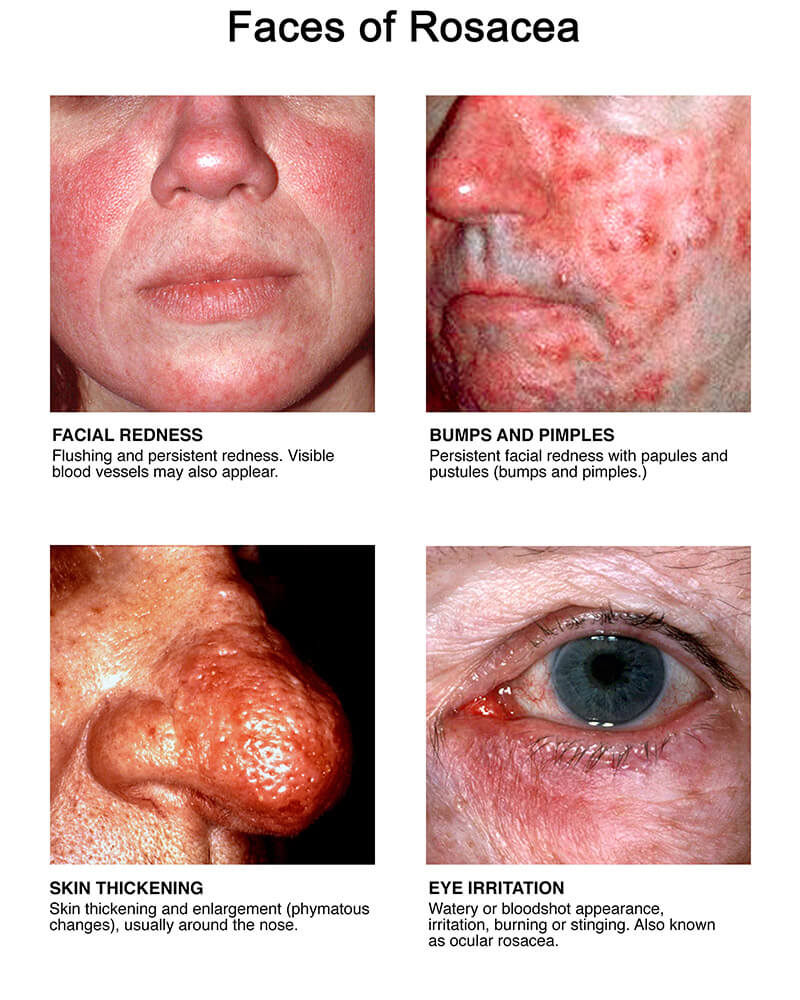
When should you see a dermatologist?
Make an appointment if rosacea flushing:
• Happens often or becomes stronger
• Lasts for several hours or most of the day
• Causes burning, pain, or swelling
• Comes with bumps, pimples, or visible blood vessels
• Affects your eyes or vision
• Does not improve with gentle skin care
• Interferes with work, sleep, exercise, or social life
Seek urgent medical care if facial redness occurs with trouble breathing, swelling of the lips or tongue, fainting, widespread hives, or sudden severe illness. These signs may suggest an allergic reaction or another urgent condition rather than rosacea.
Eye symptoms deserve special attention. Eye pain, light sensitivity, blurred vision, or a gritty feeling can occur with ocular rosacea but should be assessed promptly to protect the eye.
A dermatologist may ask about triggers, examine your skin, and review your products and medicines. There is no single blood test that confirms rosacea. Diagnosis usually comes from the pattern of symptoms and a physical examination.

How to track rosacea flushing
A flushing diary can help you and your clinician find useful patterns. Keep it simple so you can maintain it.
Record:
• The start and end time of each episode
• What the skin looked and felt like
• Food, drinks, exercise, and weather
• Stress or strong emotions
• Skin care products used that day
• Menstrual or hormonal changes, if relevant
• Any medicine taken before the flare
Take photos in similar lighting. This matters because indoor light, camera settings, and makeup can change how redness appears.
Tracking also helps measure progress. If rosacea flushing used to last two hours and now lasts 30 minutes, that is meaningful improvement even if the skin is not perfect.
Do not judge your skin from one bad day. Rosacea often changes with seasons, stress, illness, and hormone shifts. Look for trends over several weeks.

Frequently Asked Questions
How long does rosacea flushing last after drinking alcohol?
Rosacea flushing after alcohol may last from several minutes to a few hours. The amount of alcohol, type of drink, room temperature, and your personal sensitivity all affect the duration.
Can rosacea flushing last all day?
Yes, flushing can last much of the day, but all-day redness may also be persistent erythema rather than one continuous flushing episode. A dermatologist can help tell the difference and suggest treatment.
Does rosacea flushing go away on its own?
Many mild episodes fade on their own after the trigger stops. Cooling the skin, resting, and avoiding more heat may help, but frequent or long-lasting episodes may need medical treatment.
Why does my face stay red after rosacea flushing?
Inflammation and repeatedly widened blood vessels can cause redness to remain after a flare. Sun damage, heat, skin irritation, and frequent flushing may also make the color last longer.
Can stress make rosacea flushing last longer?
Stress can activate nerve signals and increase blood flow to the face. This may trigger flushing or make an existing episode feel warmer and last longer.
Is rosacea flushing worse in the morning or at night?
There is no universal time pattern. Some people flush after a hot shower in the morning, while others notice symptoms after dinner, alcohol, exercise, or a warm bedroom.
When is facial flushing not rosacea?
Facial flushing can also result from allergies, menopause, fever, medication reactions, lupus, thyroid disease, or other conditions. New or unusual flushing should be checked, especially when it comes with other symptoms.
Conclusion
Rosacea flushing often lasts 10 minutes to 1 hour, but strong triggers can cause symptoms to continue for several hours. Heat, sunlight, alcohol, spicy foods, stress, and irritated skin are common causes of longer episodes.
The best first steps are to identify personal triggers, cool the skin gently, protect the skin barrier, and use sunscreen every day. If flushing is frequent, painful, prolonged, or linked with eye symptoms, schedule a dermatology visit for an accurate diagnosis and treatment plan.
Start a simple flushing diary this week and share what you learn with a qualified health professional. Small changes can make rosacea easier to manage and help you feel more confident in your skin.
