
Cleanse gently, hydrate often, detangle slowly, and protect curls from heat, friction, and harsh products.
Natural curly hair needs moisture, gentle handling, and a routine that respects its unique curl pattern. After years of learning from stylists, dermatology guidance, and real curl care routines, one truth stands out: healthy curls are not created by one miracle product. They come from small, steady habits that protect the hair strand from dryness, breakage, and buildup. This guide explains how to take care of natural curly hair with simple steps you can use at home.
Understand Your Natural Curly Hair
Curly hair bends and twists as it grows. These curves make it harder for natural scalp oils to travel from the roots to the ends. That is why curly hair often feels dry, even when the scalp does not.
The curl pattern also affects how you care for your hair. Loose waves may need lightweight products, while tight coils often need richer creams and more frequent conditioning. Still, curl type is only one part of the picture.
Hair porosity, strand thickness, density, and chemical history also matter. Two people with the same curl pattern may need very different routines.
Common natural curl patterns
The curl pattern system often groups hair into four types:
- Type 2 hair forms waves with an S shape.
- Type 3 hair forms clear curls or ringlets.
- Type 4 hair forms tight coils, zigzags, or small curls.
- Combination hair has more than one pattern across the head.
Your pattern can guide product choices, but it should not limit you. Healthy hair matters more than fitting into one category.
What curly hair needs most
Most natural curly hair benefits from:
- Water-based moisture
- Gentle cleansing
- Regular conditioning
- Careful detangling
- Low-tension hairstyles
- Protection during sleep
- Limited heat and chemical treatments
Think of each curl as a delicate spring. It needs moisture to stay flexible. When it becomes dry, rough, or stiff, it is more likely to snap.

Build a Simple Curly Hair Care Routine
A good routine does not need ten products. In fact, too many products can make curls dull, heavy, or coated. The best routine is one you can follow every week.
Here is a basic order for natural curly hair care:
- Cleanse the scalp.
- Condition the lengths and ends.
- Detangle while the hair is wet.
- Apply a leave-in product if needed.
- Add a curl cream or gel.
- Dry the hair with little friction.
- Protect the curls at night.
Use this routine as a starting point. Adjust it based on your scalp, climate, curl pattern, and hair goals.
Step 1: Cleanse the scalp
Focus shampoo on the scalp rather than scrubbing the full length of the hair. As you rinse, the cleanser will move through the curls and remove light residue.
Wash your hair when your scalp feels oily, itchy, sweaty, or coated. Some people wash once a week, while others need to wash every few days. There is no universal schedule.
Choose a gentle shampoo if your hair feels dry. A clarifying shampoo can help remove heavy buildup, but use it only when needed. Overuse may leave curls rough and stripped.
Step 2: Condition well
Apply conditioner from the middle of the hair to the ends. If your scalp is dry, you may apply a small amount near the roots, but avoid heavy layers that can cause buildup.
Let the conditioner sit for a few minutes. Then gently smooth it through the curls with your fingers. This step helps reduce tangles and makes detangling easier.
Step 3: Use a leave-in product
A leave-in conditioner can help curly hair stay soft after washing. Apply it to soaking wet or very damp hair so the product can spread more evenly.
Start with a small amount. Add more only if your hair still feels dry. Using too much product can make curls limp and may attract dust.
Wash Natural Curly Hair Without Causing Dryness
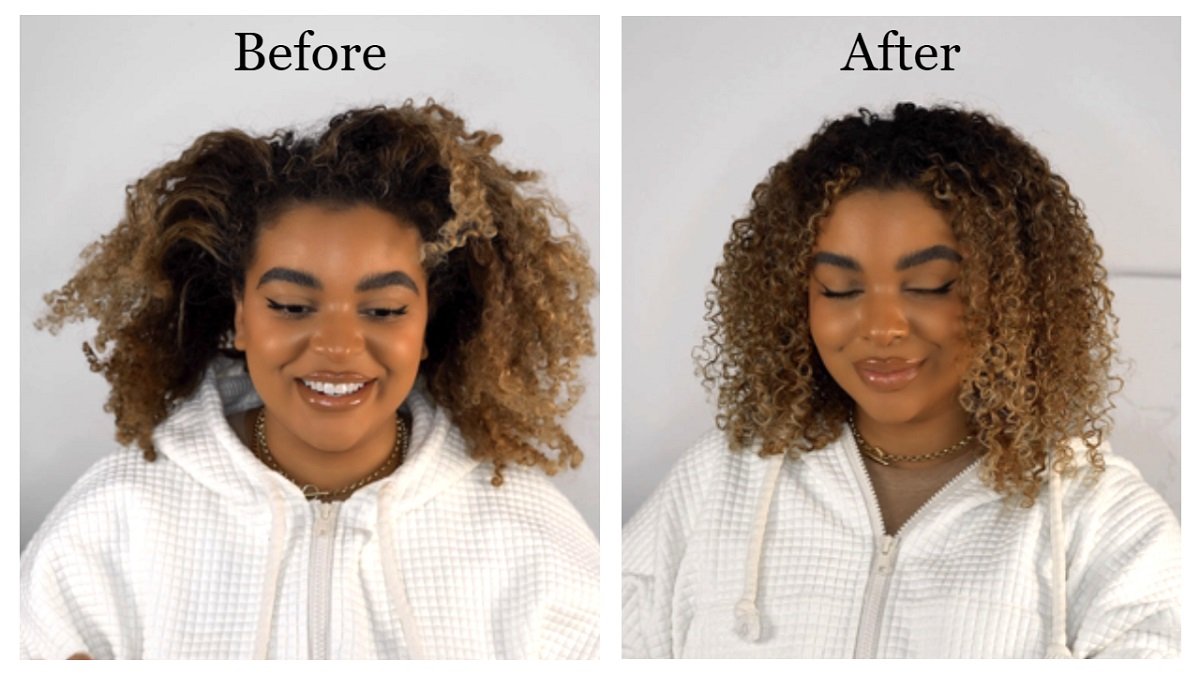
The way you wash your hair can affect its softness, shine, and strength. Rough scrubbing, very hot water, and strong cleansers may increase dryness and frizz.
Use lukewarm water when washing. Hot water can feel relaxing, but it may remove too much oil from the scalp and hair. A brief cool rinse is optional and may help the hair feel smoother, but it is not required for healthy curls.
Before shampooing, gently loosen large knots with your fingers. Do not pull through dry tangles. Dry detangling can create more friction and breakage, especially in tight curls and coils.
Co-washing and shampooing
Co-washing means washing with a cleansing conditioner instead of regular shampoo. It may work for dry, thick curls, but it does not clean every scalp well.
If you use oils, butters, gels, or silicone-based products, you may need shampoo from time to time. A scalp that feels itchy, greasy, or coated may need a more thorough cleanse.
A balanced routine may include:
- Gentle shampoo for regular washes
- Conditioner after every shampoo
- Clarifying shampoo when buildup appears
- A cleansing conditioner only if your scalp responds well
There is no need to avoid every ingredient with a long name. Focus on how your scalp and hair respond. Irritation, flakes, burning, or severe dryness are signs to change the routine.
How often should you wash?
Wash based on your scalp, not on a fixed rule. Exercise, sweat, weather, and product use can change your needs.
For example, someone who exercises daily may need more frequent cleansing than someone with a dry scalp who rarely sweats. Clean hair is not unhealthy hair, and less washing is not always better.

Condition and Moisturize Curly Hair
Moisture is central to how to take care of natural curly hair. Water provides the moisture, while conditioners and styling products help the hair hold onto it.
Apply conditioner in sections if your hair is thick or dense. Smaller sections help you reach every strand and reduce the need to pull through knots.
Deep conditioning can help hair that feels dry, rough, or brittle. Use a deep conditioner every one to four weeks, depending on your hair’s needs. A heat cap is optional, but never use high heat if the product does not recommend it.
Moisture versus protein
Hair products may contain moisturizing ingredients or strengthening proteins. Both can be useful, but balance matters.
Moisturizing ingredients may include:
- Aloe vera
- Glycerin
- Panthenol
- Honey
- Fatty alcohols
- Plant oils and butters
Protein ingredients may include:
- Hydrolyzed keratin
- Hydrolyzed wheat protein
- Hydrolyzed rice protein
- Amino acids
- Collagen proteins
Hair that feels mushy, overly soft, or weak may benefit from occasional protein. Hair that feels stiff, rough, or brittle after protein treatments may need more moisture and less protein.
Do not treat protein as a cure for all damage. It may improve feel and strength for some hair, but it cannot permanently repair a split end.

Detangle Natural Curly Hair Safely
Detangling is one of the most important parts of how to take care of natural curly hair. The goal is to remove knots without forcing the hair apart.
Detangle when the hair is wet and covered with conditioner or a slippery detangling product. Divide thick hair into sections. Begin at the ends and slowly work toward the roots.
Use your fingers first when possible. Fingers can feel a knot before it becomes a painful tug. Follow with a wide tooth comb or a flexible detangling brush if you prefer.
A useful method is:
- Wet the hair fully.
- Apply conditioner.
- Separate the hair into four to eight sections.
- Remove large knots with your fingers.
- Detangle from the ends upward.
- Rinse while gently squeezing the curls.
Never rush through a knot. If you feel strong resistance, add more conditioner and work on a smaller section.
A common mistake is detangling only the top layer. Hair underneath can tangle more because it receives less air and more friction. Work through the full head with patience.

Style Curly Hair Without Frizz
Frizz is not always a sign of damage. It can come from humidity, new growth, movement, dryness, or the natural shape of the hair. The goal is not to remove every stray curl. The goal is to create definition while keeping hair healthy.
Apply styling products to wet or very damp hair. Water helps the product spread and allows curls to group together. Rake the product through with your fingers, then scrunch upward to encourage the curl shape.
A basic styling combination may include:
- Leave-in conditioner for softness
- Curl cream for shape and moisture
- Gel or mousse for hold
Fine curls may become heavy with cream and butter. Thick coils may need a richer leave-in or cream. Start with a small amount and test the result before adding more.
Dry curly hair with less friction
A regular bath towel can rough up the cuticle and disturb curl groups. Instead, use a microfiber towel or a soft cotton T-shirt.
Gently squeeze out water. Do not twist, rub, or pile the curls on top of your head. Air drying is gentle, but a diffuser can also work when used on low heat and low speed.
Do not touch the hair too much while it dries. Repeated touching can increase frizz and break apart curl clumps.

Protect Curly Hair During Sleep and Daily Activities
Night protection can make a major difference. Cotton pillowcases may absorb moisture and create friction as you move. A satin or silk pillowcase can help reduce friction, although it cannot prevent every tangle or split end.
You can also use a satin bonnet or scarf. Choose one that fits comfortably and does not press tightly on the edges or scalp.
Before bed, try one of these styles:
- A loose pineapple for long curls
- Several loose twists for stretched coils
- A few relaxed braids for easier morning styling
- A loose bun with a soft scrunchie
Avoid tight elastics. Repeated tension around the hairline may contribute to breakage and traction hair loss. Vary your part and hairstyle when possible.
Protect curls during exercise with a loose style. After sweating, allow the scalp to dry. If needed, rinse or cleanse the scalp rather than covering wet, sweaty hair for a long time.

Prevent Breakage and Split Ends
Breakage happens when the hair fiber weakens and snaps. Common causes include dryness, rough handling, tight styles, heat, chemical processing, and repeated tension.
The best way to prevent breakage is to reduce stress on the hair. Handle curls gently during washing, styling, and bedtime.
Helpful habits include:
- Keep protective styles loose.
- Avoid daily high heat.
- Trim damaged ends when needed.
- Detangle with conditioner.
- Use smooth hair accessories.
- Avoid repeated bleaching and chemical straightening.
- Do not wear the same tight style every day.
Trimming does not make hair grow faster. Hair grows from the follicle beneath the scalp. However, removing split ends can stop splits from traveling farther up the hair shaft.
If you see sudden thinning, bald spots, scalp pain, severe itching, or unusual shedding, speak with a dermatologist. Hair loss may result from health conditions, medication, hormones, nutritional problems, or scalp disease. Hair products alone may not solve the cause.

Choose Curly Hair Products Wisely
Product labels can help, but they do not tell the whole story. A product labeled “natural,” “clean,” or “curl friendly” is not automatically right for your hair.
Look for products that match your main need:
- Use lightweight mousse for volume.
- Use leave-in conditioner for softness.
- Use curl cream for moisture and shape.
- Use gel for stronger hold.
- Use clarifying shampoo for heavy buildup.
- Use scalp treatments only when they address a clear scalp concern.
Heavy oils and butters may work well for thick, dry coils. They may weigh down fine curls or create buildup. Oils can reduce friction and add shine, but they do not replace water-based moisture.
Patch test new products on a small area if you have sensitive skin. Stop using any product that causes burning, swelling, rash, or lasting itching. Fragrance can irritate some people, even when the product works well for others.
Create a Weekly Routine for Natural Curly Hair
A weekly plan makes how to take care of natural curly hair easier to follow. Keep the routine flexible. Your hair may need different care in winter, summer, or humid weather.
On wash day
- Cleanse the scalp gently.
- Condition the hair.
- Detangle in sections.
- Apply leave-in and styling products.
- Dry with little friction.
- Let the hair dry fully before sleeping.
Between wash days
- Refresh with water or a light curl mist.
- Smooth a small amount of leave-in over dry areas.
- Avoid adding product every day if the hair feels coated.
- Protect the curls at night.
- Use your fingers to reshape curls rather than brushing them dry.
Once a month
- Check for buildup.
- Consider clarifying if curls feel dull or heavy.
- Look for split ends and breakage.
- Wash brushes, combs, bonnets, and towels.
- Review whether your products still suit your hair.
One of the best lessons in curly hair care is to change one thing at a time. If you start five new products at once, you will not know what helped or caused a problem. Keep notes for a few wash days and watch how your hair responds.
Mistakes to Avoid With Natural Curly Hair
Many curly hair problems come from habits that seem harmless. Small changes can protect the hair over time.
Avoid these common mistakes:
- Brushing dry curls without a clear reason
- Scrubbing the hair with a rough towel
- Using high heat too often
- Applying too much oil to hide dryness
- Wearing tight protective styles
- Skipping conditioner during wash day
- Detangling from the roots down
- Sleeping with loose, wet hair on rough fabric
- Using strong chemicals without professional guidance
- Chasing curl perfection instead of hair health
There is also no need to compare your curls with photos taken under perfect lighting, styling, or editing. Natural hair changes with weather, water, sleep, and daily movement. A healthy routine should support your real life, not create stress.
Frequently Asked Questions of How to Take Care of Natural Curly Hair
How often should I wash natural curly hair?
Wash natural curly hair when the scalp feels oily, dirty, itchy, or covered with product. This may mean every few days, once a week, or another schedule that suits your scalp and lifestyle.
Should I brush curly hair every day?
Most curly hair does not need daily brushing. Detangle it when wet and conditioned, because brushing dry curls can increase frizz, tangles, and breakage.
How can I keep natural curls moisturized?
Start with water, then use a conditioner or leave-in product to help the hair feel soft. If your curls still feel dry, add a curl cream, but use small amounts to avoid buildup.
Is sleeping with wet curly hair harmful?
Sleeping with wet hair may increase friction, tangling, and breakage, especially on rough fabric. If you must sleep with damp curls, use a satin pillowcase and a loose style, then allow the hair to dry fully.
How often should I deep condition curly hair?
Many people benefit from deep conditioning every one to four weeks. Use it more often when hair feels dry or stressed, and reduce it if the hair becomes heavy or coated.
Can natural curly hair grow long?
Yes, natural curly hair can grow long. The main challenge is often length retention because dryness, tangles, and breakage can remove the length you gain at the roots.
What should I do about frizz?
Use styling products on wet hair, avoid rubbing with a towel, and limit touching while the curls dry. Some frizz is normal and reflects the natural texture of curly hair.
Conclusion
Learning how to take care of natural curly hair starts with gentle, consistent habits. Cleanse the scalp as needed, condition well, detangle in sections, style with enough water, and protect curls from friction and tension.
Your ideal routine may take some testing. Pay attention to how your hair feels, how your scalp responds, and whether your curls stay soft without excess buildup. Start with one small change this week, then build from there.
Healthy curls do not need perfection. They need patience, moisture, and care that fits your life. Try the routine, track your results, and share your favorite curly hair tips in the comments.
