The best hair care products balance your hair type, scalp health, and ingredient quality.
I’ve spent years testing shampoos, conditioners, serums, and treatments for many hair types. In this guide I’ll explain what is the best hair care products for different goals, how to read labels, which ingredients help or harm, and how to build a simple, effective routine. Expect clear steps, real test notes from my experience, and practical product traits to look for so you can choose with confidence.
What "what is the best hair care products" really means
When people ask what is the best hair care products they want solutions that work for their hair and scalp. Best does not mean the most expensive or the most hyped. Best means the right match for your hair type, concern, budget, and lifestyle.
Key criteria I use when judging what is the best hair care products:
- Effectiveness for the specific concern, such as dryness, frizz, or thinning.
- Safe and proven ingredients that support hair health.
- Good scalp care and non-irritating formulas.
- Ease of use and clear directions.
- Value for money over time.
I test products on actual hair types. I look for measurable change in texture, shine, manageability, and scalp comfort. This approach helps answer what is the best hair care products for real life, not just advertising.

Core ingredients that define the best hair care products
Knowing core ingredients helps you choose wisely. Good products combine functional actives with gentle cleaners and conditioning agents.
Ingredients to seek:
- Amino acids and hydrolyzed proteins to strengthen the hair shaft.
- Ceramides and fatty alcohols for moisture retention.
- Glycerin and humectants for hydration.
- Natural oils like jojoba, argan, and rosehip for shine and softness.
- Niacinamide and peptides for scalp health and circulation.
- UV filters and antioxidants to protect from environmental damage.
How these ingredients help:
- Proteins rebuild weak spots along the hair.
- Ceramides seal the cuticle to reduce frizz.
- Humectants pull moisture in for softness.
From my tests, a balanced formula with a protein-humectant mix often performs best across many hair types. That balance is a key part of what is the best hair care products.

Ingredients to avoid and why
Some ingredients can cause buildup, dryness, or irritation. Avoiding them helps you find what is the best hair care products for long-term health.
Common culprits:
- Strong sulfates in concentrated form, which strip natural oils.
- High levels of alcohols that dry hair, such as SD alcohol when not balanced.
- Harsh fragrances and certain preservatives for sensitive scalps.
- Unneeded heavy silicones that cause buildup on fine hair.
- Formaldehyde releasers in some poorly labeled preservatives.
Tip: A product list that names gentle surfactants, plant oils, and clear preservatives is a good sign you found what is the best hair care products for sensitive scalps.
:max_bytes(150000):strip_icc()/olaplex-351252879bd844289438fde7677923d2.jpg)
Choosing products by hair type and concern
Match product traits to your hair. Asking what is the best hair care products starts with knowing your hair and scalp.
Curly or coily hair
- Look for rich creams, humectants, and protein balance.
- Avoid harsh sulfates that remove moisture.
- Use leave-ins and styling creams to define curl pattern.
Fine or limp hair
- Choose lightweight, volumizing formulas.
- Avoid heavy oils and thick butters that weigh hair down.
- Use clear proteins and lightweight silicones or silicone alternatives.
Dry or damaged hair
- Use deep conditioners, hair masks, and oils.
- Seek ceramides, fatty acids, and hydrolyzed proteins.
- Limit heat and use heat protectants.
Oily scalp
- Use gentle clarifying shampoos with mild surfactants.
- Avoid heavy conditioners at roots; condition mid-length to ends.
- Look for scalp-balancing ingredients like niacinamide.
Color-treated hair
- Seek color-safe, sulfate-free formulas.
- Use UV protection and antioxidant ingredients.
- Opt for protein-free or low-protein masks if hair feels stiff.
Thinning or aging hair
- Choose products that improve scalp health and circulation.
- Use biotin-friendly formulas, peptides, and caffeine-containing serums.
- Focus on light conditioners that won’t clog follicles.
From my experience, customizing the basics—shampoo, conditioner, and a targeted treatment—is how you answer what is the best hair care products for your needs.

Quick practical Q&A (PAA-style)
How often should curly hair be washed?
- Curly hair can be washed 1–3 times per week depending on oil and product buildup.
Should fine hair use oils?
- Use lightweight oils sparingly on ends. Avoid the scalp to prevent flattening.
Is protein necessary for damaged hair?
- Yes, in small controlled doses to rebuild structure. Watch for stiffness and alternate with moisturizing treatments.
Daily and weekly hair care routine
A clear routine makes any product work better. This routine helps you decide what is the best hair care products for everyday use.
Daily or every-wash routine:
- Shampoo only as needed. Focus on the scalp.
- Condition mid-length to ends. Rinse with cool water to seal the cuticle.
- Apply a leave-in or light serum on damp hair.
Weekly routine:
- Use a deep conditioning mask once a week for dry or damaged hair.
- Clarify with a gentle clarifying shampoo every 1–4 weeks to remove buildup.
- Use a scalp treatment if you have itch or flakes.
From my tests, consistent simple steps beat many complex rituals. That consistency is central to what is the best hair care products.
Best product types and what to look for
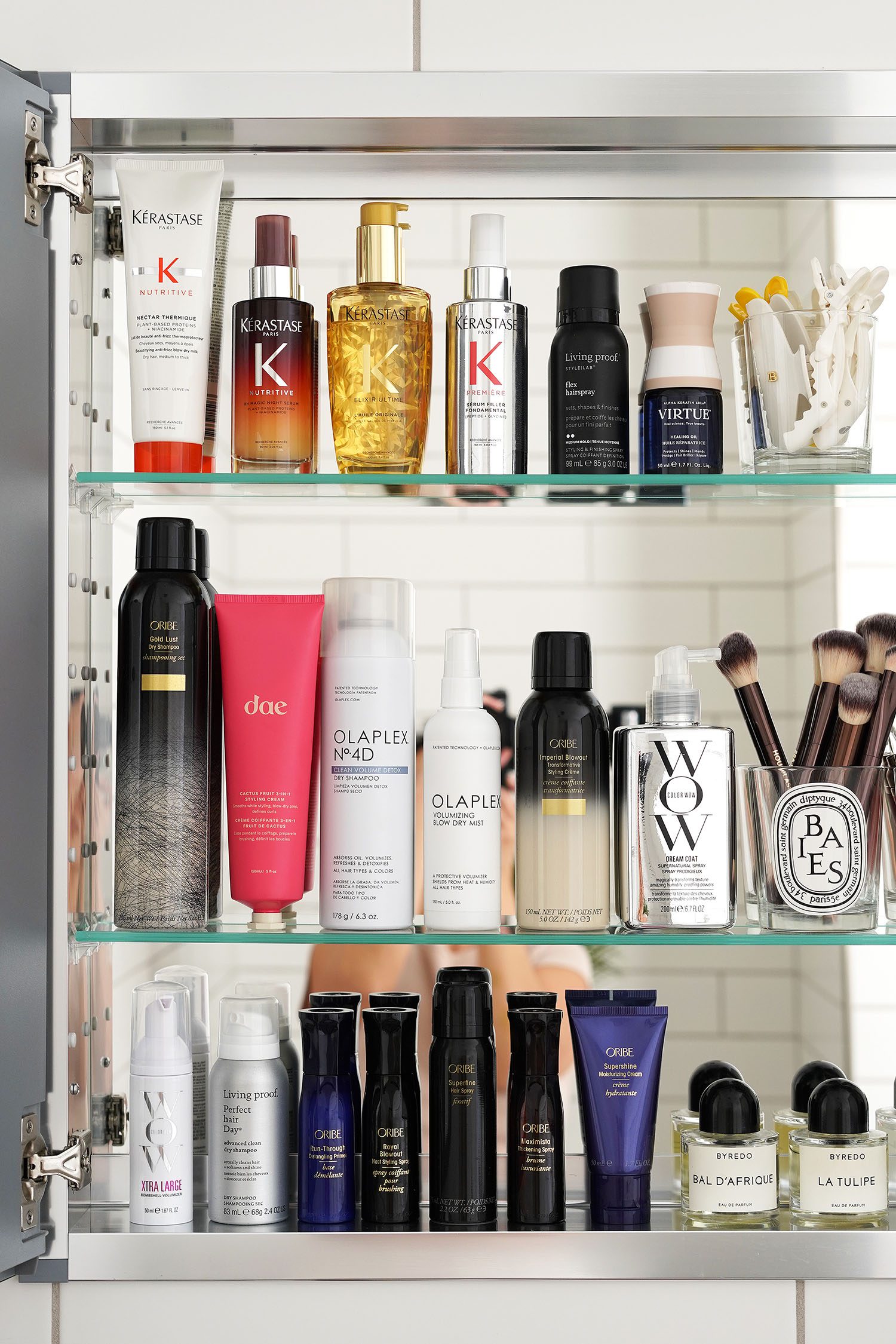
When choosing what is the best hair care products, focus on function, not trend. Here are product types and key traits.
Shampoo
- Choose a mild surfactant profile.
- Sulfate-free for dry and color-treated hair.
- Clarifying options for oily scalps.
Conditioner
- Look for fatty alcohols and ceramides.
- Silicone-free options for fine hair.
- Deep conditioners with oils and proteins for damaged hair.
Hair mask
- Use 1–2 times weekly on dry or treated hair.
- Seek masks with both proteins and emollients.
Hair oil and serum
- Use light oils for shine and split end protection.
- Serums often contain silicones or polymers to smooth frizz.
Leave-in treatments
- Good for detangling and heat protection.
- Choose lightweight sprays for fine hair and creams for thick hair.
Scalp treatments
- Target dandruff, oiliness, and thinning.
- Ingredients to consider: salicylic acid, zinc, peptides.
Heat protectants
- Must form a protective film and reduce moisture loss.
- Look for spray or cream forms depending on styling.
My test notes: a good heat protectant and a targeted scalp product yield visible improvements faster than switching shampoos alone. These essentials answer many "what is the best hair care products" questions in practice.

Testing, patch tests, and product layering
Test small and watch results. This step helps avoid reactions and find true winners.
How to test new products
- Patch test on a small area of skin for 48 hours.
- Try one new product at a time for 3–4 washes.
- Keep a short log of changes in feel, shine, and scalp comfort.
Layering rules
- Apply products from lightest to heaviest.
- Leave-in before oils or heavy creams.
- Use styling products last.
Personal tip: When I test new lines, I use the shampoo and conditioner pair for two weeks before adding treatments. This reveals the core formula’s effect and helps pick the best options.
:max_bytes(150000):strip_icc():focal(2549x0:2551x2)/BeautyAwardsAllCategoriesFINALHAIR-32b945a4b04f42688e333475a85e195a.jpg)
Natural, DIY, and minimal routines
Natural and DIY can be great if done safely. Many ask what is the best hair care products that are natural.
Safe DIY ideas
- Aloe vera gel for mild conditioning.
- Coconut oil for deep pre-shampoo treatment on very dry hair.
- Apple cider vinegar rinse to clarify and balance pH (diluted).
Cautions
- Raw ingredients can irritate or build up if overused.
- DIY mixes lack preservatives and can spoil.
- Some natural oils can weigh down fine hair.
A minimal routine often gives the best long-term results. Simple gentle cleansing, a good conditioner, and a weekly mask are often all you need to answer what is the best hair care products for resilience and shine.

Common mistakes and myths
Mistakes can waste money and harm hair. Avoid these common errors to find what is the best hair care products.
Mistakes to avoid
- Switching products too fast. Give each product time to work.
- Using heavy products on fine hair.
- Overusing protein treatments without hydration balance.
- Ignoring scalp health while treating hair ends.
Myth busted
- Myth: More product equals better results. Truth: Correct product choice and timing matter more than quantity.
- Myth: Natural always means safe. Truth: Natural ingredients can still irritate or damage.
How to shop smart and stay on budget
Smart shopping helps you get what is the best hair care products without overspending.
Tips for smart shopping
- Read the first five ingredients to know the formula’s base.
- Pick multi-use products to reduce clutter.
- Buy trial or travel sizes when testing.
- Reserve splurge buys for targeted treatments that give visible results.
From my experience, the best long-term wins come from one good shampoo, one versatile conditioner, and a single targeted treatment. That combo often outperforms many full-price routines.
Frequently Asked Questions of what is the best hair care products
What is the single most important product to buy?
The most important product is a shampoo or cleanser matched to your scalp type, because scalp health supports hair growth and condition.
How do I choose between silicone and silicone-free products?
Choose based on hair feel: silicones smooth and add shine but can build up. Silicone-free is better if you want lightweight, natural feel or use clarifying shampoos.
Can I use the same products for color-treated and natural hair?
Yes, if the products are gentle and color-safe. Avoid harsh sulfates and strong clarifiers on freshly colored hair.
How soon will I see results after switching products?
You can see immediate changes in feel or shine, but full benefits may take 4–8 weeks as hair adapts and product buildup clears.
Are expensive products always better?
Not always. Price can reflect brand and packaging. Look for effective ingredients and demonstrable benefits rather than price alone.
How often should I deep condition?
Most people benefit from a deep condition once a week. Very dry or damaged hair may need it twice weekly for a short period.
Conclusion
Choosing what is the best hair care products comes down to matching product traits to your hair and scalp needs. Focus on gentle cleansing, targeted conditioning, and a scalp-friendly approach. Test patiently, watch results, and simplify rather than multiply. Start with one core shampoo and one reliable conditioner, then add one treatment that addresses your main concern.
Take action: pick one routine change this week, test it for a month, and note the difference. If this guide helped, subscribe for product tests and real results, or leave a comment with your hair type and challenge so I can suggest focused options.