
For most people in the United States, lip tint is not automatically bad for the lips. A well-made lip tint used on healthy skin is usually safe. However, some formulas can cause dryness, irritation, allergic contact cheilitis, or dark marks—especially when they contain fragrance, flavor, drying alcohols, or strong dyes.
The safest choice depends on the formula, your skin sensitivity, and how often you use it. Stop using a lip tint if your lips burn, swell, crack, itch, blister, or develop a rash.
What Is Lip Tint?
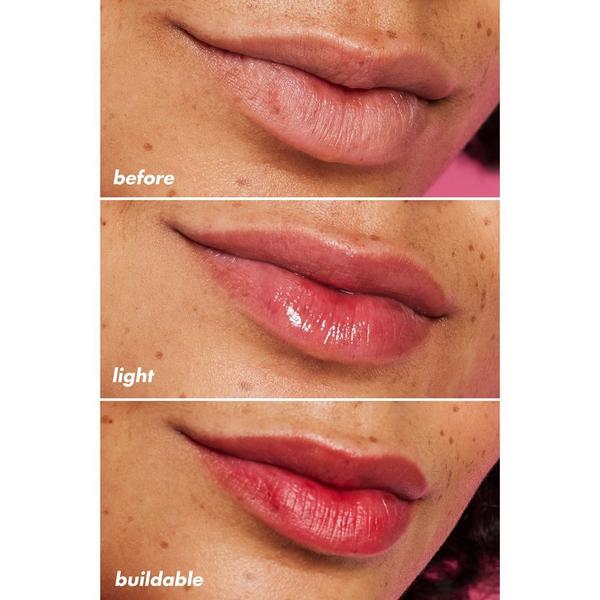
Lip tint is a cosmetic product that adds temporary color to the lips. Unlike thick lipstick, many lip tints use water-based dyes, stains, oils, waxes, or film-forming ingredients that leave a lighter layer of color.
Common types include:
- Water-based tints: Often feel light but may contain alcohol or strong dyes.
- Oil-based tints: Usually feel more comfortable on dry lips.
- Peel-off tints: Form a film that you remove after it dries.
- Lip stains: Leave color behind after the product wears away.
- Tinted lip balms: Add color while using moisturizing ingredients.
- Tinted lip oils and glosses: Give color with more shine and slip.
Lip tint does not always mean the same thing from one product to another. Two products may both be called a “lip stain,” yet one may be moisturizing while the other may leave lips tight and dry.
In the U.S., lip tints are regulated as cosmetics by the Food and Drug Administration (FDA). The FDA does not approve most cosmetics before they reach the market. Companies are responsible for making sure their products are safe and properly labeled, while color additives must meet specific legal requirements.

Is Lip Tint Bad for Your Lips?
Lip tint can be bad for your lips when it irritates the skin, removes moisture, triggers an allergy, or encourages repeated rubbing and licking. It is not inherently harmful simply because it stains the lips.
The outer layer of the lips is thin and has fewer oil glands than most facial skin. This makes lips more likely to feel dry or irritated when exposed to harsh ingredients, cold air, wind, saliva, or frequent makeup removal.
Common problems linked with lip tint
Dryness and peeling
Some lip tints contain alcohol, which can help the formula dry quickly. High levels of drying alcohol may leave the lips feeling tight. Matte or long-wear formulas may also use film-forming ingredients that reduce the feeling of moisture.
Dry lips are not always proof of an allergy. They may result from:
- A drying formula
- Cold or windy weather
- Repeated lip licking
- Scrubbing off stubborn color
- Dehydration
- An underlying skin condition
Irritant contact cheilitis
Irritant contact cheilitis is inflammation caused by direct exposure to an irritating substance. It may cause burning, stinging, redness, flaking, or cracks.
A product can irritate the lips even if you are not allergic to any ingredient. The risk may increase when lips are already chapped or damaged.
Allergic contact cheilitis
An allergy can cause itching, swelling, redness, scaling, or small blisters. Possible triggers include:
- Fragrance
- Flavor oils
- Cinnamon or peppermint
- Certain preservatives
- Lanolin
- Beeswax or propolis in people with sensitivities
- Dyes or other color additives
The American Academy of Dermatology Association advises people with chapped lips to avoid irritating ingredients such as fragrance, flavoring, camphor, menthol, and eucalyptus.
Staining or darkening
A temporary stain can remain after the product wears off. Persistent darkening is different. It may follow inflammation or an allergic reaction and is sometimes called post-inflammatory hyperpigmentation.
People with medium to deep skin tones may notice these marks more clearly. The color may fade over time, but continued exposure can keep the inflammation active.
Infection from contaminated products
A lip tint can become contaminated when it is shared, stored in heat, or applied over broken skin. Do not share lip products. Replace products that smell different, change texture, or have visible mold or separation.
Using a lip tint on an active cold sore may spread germs to the applicator or other areas. It can also make the sore more irritated.
The main point is simple: the risk comes from the specific formula, your skin condition, and your use habits—not from the word “tint” alone.

Which Lip Tint Ingredients May Cause Problems?
Ingredients do not affect every person in the same way. Still, some categories deserve closer attention if your lips are sensitive.
| Ingredient category | Why it is used | Possible concern |
|---|---|---|
| Fragrance and flavor | Adds a pleasant scent or taste | May trigger irritation or allergy |
| Mint, cinnamon, or citrus oils | Creates flavor or a cooling feeling | Can sting or cause contact reactions |
| Alcohol denat. or ethanol | Helps a formula dry fast | May worsen dryness for some people |
| Strong colorants | Creates long-lasting color | May irritate sensitive lips |
| Preservatives | Helps prevent microbial growth | Can cause allergy in some users |
| Plumping agents | Creates a tingling effect | May cause burning, swelling, or irritation |
| Waxes and resins | Adds structure or wear time | May feel drying or trigger sensitivity |
| Fragrance-free emollients | Softens the lips | Usually more suitable for dry, sensitive lips |
A tingling or burning sensation is not proof that a lip tint is working better. It may be a sign of irritation. Plumping products often use ingredients that intentionally create heat, coolness, or tingling, but people with reactive lips may not tolerate them well.
“Natural” does not automatically mean gentle. Essential oils and plant extracts can cause allergic reactions. In some cases, a simple fragrance-free formula is a better option than a product marketed as botanical or clean.
What about lip tint dyes?
Approved color additives are permitted for cosmetic use under U.S. rules when used in the right way. That does not mean every person will tolerate every dye. A person can still develop irritation or an allergy to a legal color additive.
Avoid products with unclear labels, missing ingredient lists, or packaging that appears counterfeit. Buy from a trusted U.S. retailer and check the product seal and lot information when possible.

How to Use Lip Tint Without Damaging Your Lips
You can lower the chance of irritation by preparing your lips, choosing a mild formula, and removing the product gently.
1. Check your lips first
Do not apply lip tint over:
- Open cracks
- Bleeding areas
- A cold sore
- A rash
- Severe peeling
- A suspected infection
Treat the skin problem first. Makeup can hide changes that would otherwise help you notice that the condition is getting worse.
2. Read the ingredient list
If your lips are sensitive, start with a fragrance-free and flavor-free formula. You may also prefer a tinted balm or lip oil over a fast-drying stain.
Look for moisturizing ingredients such as:
- Petrolatum
- Mineral oil
- Dimethicone
- Squalane
- Shea butter
- Ceramides
- Vegetable oils that you already tolerate
No ingredient guarantees that a product will suit you. A moisturizer can still cause a reaction in some people.
3. Test a small area
Apply a small amount near the outer corner of the mouth or on another small area of skin. Wait at least 24 hours before regular use if you are concerned about a reaction.
A small-area test cannot rule out an allergy. Lip skin may react differently from arm or facial skin. It is only a cautious first step.
4. Add a protective layer
If the formula feels dry, apply a plain lip balm or a thin layer of petrolatum first. This may reduce friction and help prevent moisture loss.
However, a thick barrier can change how the tint spreads or wears. Test the combination before using it for a long event.
5. Apply a thin layer
More product does not always create a better result. Start with one thin layer. Allow it to dry naturally instead of rubbing your lips together repeatedly.
Do not lick your lips to make the color spread. Saliva evaporates quickly and can worsen dryness.
6. Remove it gently
Use a gentle cleanser or an oil-based remover. Hold a damp cotton pad on the lips for several seconds, then wipe softly.
Avoid scraping, peeling, or using a rough lip scrub. Physical damage can cause swelling, cracks, and lingering dark marks.
7. Replace old or contaminated products
Do not share lip tint. Keep the applicator closed and avoid leaving it in a hot car. Follow the product’s period-after-opening symbol when it has one.
If the product changes odor, color, or texture, discard it.

How to Tell Whether Lip Tint Is Irritating You
The timing and pattern of symptoms can offer clues, but only a clinician can diagnose an allergy.
| Symptom | Possible explanation | Best next step |
|---|---|---|
| Mild tightness after drying | Formula may be drying | Stop or use a more moisturizing formula |
| Burning soon after application | Irritation or reaction | Remove it and do not reapply |
| Itching and swelling | Possible allergy | Stop use; seek medical advice if severe |
| Cracks at the corners | Dryness, saliva, or another condition | Use plain protection and see a clinician if it persists |
| Repeated peeling | Irritation, allergy, or lip-licking habit | Stop suspected products and assess other causes |
| Dark marks after a rash | Post-inflammatory pigmentation | Prevent further irritation and ask a dermatologist for advice |
| Blisters or a painful cluster | Possible cold sore or infection | Avoid makeup and seek medical guidance |
A reaction may appear right away or after repeated use. Allergic contact dermatitis can develop after the immune system becomes sensitized, so a product that seemed fine at first may later cause problems.
If your symptoms improve after stopping the tint and return when you use it again, the product may be contributing. Do not deliberately repeat exposure if your first reaction included significant swelling, blistering, or breathing symptoms.
Seek urgent care for trouble breathing, swelling of the tongue or throat, widespread hives, or rapidly increasing facial swelling.

Is Lip Tint Safer Than Lipstick or Lip Gloss?
No category is automatically safer. The risk depends on ingredients, wear time, fragrance, removal method, and your skin’s condition.
| Product | Possible advantage | Possible drawback |
|---|---|---|
| Lip tint or stain | Light feel and lasting color | May be drying or harder to remove |
| Cream lipstick | Often adds oils and waxes | May contain fragrance or cause buildup |
| Lip gloss | Adds slip and shine | Can contain flavor, fragrance, or irritants |
| Tinted balm | Often feels more comfortable | May need frequent reapplication |
| Lip oil | Helps reduce friction | May still contain fragrance or essential oils |
| Peel-off tint | Long-lasting color | Removal may pull or irritate the skin |
For dry or sensitive lips, a fragrance-free tinted balm may be more comfortable than a long-wear stain. For healthy lips, either product may be reasonable if it causes no symptoms.
A useful decision rule is:
- Choose a moisturizing tint if your lips are dry.
- Choose fragrance-free if you often react to cosmetics.
- Avoid plumping tints if tingling products make your lips burn.
- Avoid long-wear stains if removal makes you scrub.
- Use lip sunscreen separately if you spend time outdoors.
Lip tint with SPF can help reduce sun exposure, but check the label for a stated sun protection factor and broad-spectrum claim. Do not assume that a colorful tint provides meaningful sun protection unless the label says so.

Common Mistakes That Can Make Lip Tint Harmful
Many lip tint problems come from use habits rather than one dangerous ingredient.
Applying tint to chapped lips
Color may settle into cracks and make them look worse. It can also sting and delay healing.
Scrubbing off the stain
Repeated exfoliation can damage the surface of the lips. A gentle remover is safer than a toothbrush, sugar scrub, or fingernail.
Using lip tint all day without a break
Continuous use is not automatically harmful, but long exposure may increase irritation in sensitive people. Remove the product at the end of the day and use a plain moisturizer.
Ignoring a burning sensation
A strong burn is not the same as a mild cooling feeling. Remove the product if it causes pain, swelling, or persistent tingling.
Sharing products
Sharing can transfer bacteria, viruses, and other germs. This is especially risky when someone has a cold sore or another active lip lesion.
Trusting vague safety claims
Words such as “clean,” “chemical-free,” or “non-toxic” do not replace a full ingredient list. All cosmetic ingredients are chemicals in the scientific sense, and natural ingredients can still irritate skin.
Buying counterfeit products
Counterfeit cosmetics may contain the wrong ingredients, contaminants, or unsafe color additives. Avoid products with unusually low prices, poor printing, missing manufacturer details, or broken seals.
What to Do If Lip Tint Causes a Reaction
Stop using the product as soon as you notice burning, itching, swelling, or a rash. Remove it gently and apply a plain, fragrance-free protective product such as petrolatum if your skin tolerates it.
Do not apply hydrocortisone, antibiotic ointment, essential oils, or another cosmetic to the irritated area without suitable medical advice. Some treatments can worsen irritation or mask the cause.
Contact a dermatologist or other qualified health professional if:
- Symptoms last more than a few days after stopping the product
- Swelling is significant
- Your lips blister, ooze, or crust
- The reaction keeps returning
- You cannot identify the trigger
- Dark discoloration continues to spread
- You have frequent cracks at the corners of your mouth
A dermatologist may recommend patch testing. Patch testing can help identify allergic contact dermatitis by exposing the skin to small amounts of suspected allergens under controlled conditions.
Keep the product and its ingredient list. Take a photo of the reaction if it changes before your appointment. Report serious cosmetic reactions to the FDA through its MedWatch program.

Frequently Asked Questions
Can lip tint make your lips darker?
It can contribute to darkening if it causes repeated irritation or an allergic reaction. The stain itself is usually temporary, but inflammation may lead to post-inflammatory hyperpigmentation. Stop using the suspected product if darkening follows itching, burning, swelling, or peeling.
Is lip tint safe to wear every day?
Daily use may be fine for people with healthy, symptom-free lips and a well-tolerated formula. Remove it gently at night, avoid sharing, and switch products if your lips become dry or irritated.
Is peel-off lip tint bad for your lips?
Peel-off tint is not automatically harmful, but pulling off the dry film can irritate or remove some surface skin. Do not use it on cracked, sunburned, or inflamed lips. Stop if removal causes pain or bleeding.
Can lip tint cause cold sores?
Lip tint does not create the herpes virus, which causes cold sores. However, sharing a product or using one over an active sore may spread germs and irritate the area. Avoid applying makeup to a cold sore.
Should you put lip balm under lip tint?
You can use a plain, fragrance-free balm or petrolatum under lip tint if the product feels drying. Apply a thin layer and allow it to settle first. A heavy layer may make the tint uneven.
Conclusion
Lip tint is usually safe for healthy lips when the product is genuine, the ingredients are tolerated, and the tint is removed gently. It may cause trouble when it contains irritating fragrance or flavor, dries the lips, triggers an allergy, or is scrubbed off repeatedly.
Choose a simple formula, avoid applying tint to damaged skin, and stop at the first sign of a reaction. If swelling, blistering, persistent peeling, or darkening does not improve, ask a dermatologist for an evaluation.
