
A gentle, moisture-first routine with sulfate-free cleansing, regular deep conditioning, and minimal heat.
I’ve worked with curly hair for years as a stylist and writer. I know how confusing it feels to pick a routine. This guide answers what is the best hair care routine for curly hair with clear steps, product picks, and real tips you can use. Read on to build a simple, effective plan that protects your curl pattern and boosts shine.

Understanding curly hair: shape, needs, and why routine matters
Curly hair has twists and bends that make natural oils slow to travel down the strand. This causes dryness, frizz, and breakage more often than straight hair. Knowing what is the best hair care routine for curly hair starts with this simple fact: moisture and gentle handling beat harsh cleansing and heat.
Curly hair types range from loose waves to tight coils. Each type needs slightly different care. But the core idea stays the same: hydrate, protect, and avoid friction. Studies and decades of salon experience show moisture-focused routines reduce breakage and improve curl definition.

Core principles for the best hair care routine for curly hair
- Prioritize moisture and hydration. Curly hair drinks water and oils more slowly.
- Clean with gentle, sulfate-free cleansers. Harsh detergents strip needed oils.
- Use conditioning and leave-in products to seal moisture. This builds resilience.
- Limit heat and high-tension styles. Heat weakens curl pattern over time.
- Detangle carefully, always when wet and conditioned. Finger detangling or wide-tooth combs work best.
- Balance protein and moisture. Too much protein makes curls stiff; too little causes limp strands.
Follow these principles and your routine becomes less trial-and-error and more science-backed care.

Step-by-step routine: daily, wash day, weekly, monthly
Daily routine
- Gently refresh with water or a light spray. Avoid heavy shampooing daily.
- Apply a small amount of leave-in conditioner or curl cream. Focus on mid-lengths and ends.
- Scrunch to reshape curls and let air dry or diffuse on low heat.
- Sleep on a satin pillowcase or use a satin bonnet to reduce friction.
Wash day routine (every 3–7 days, depending on oil level and activity)
- Pre-poo (optional): apply oil or conditioner to dry hair for 10–30 minutes to reduce tangles.
- Cleanse with a sulfate-free shampoo or co-wash. Focus on the scalp and let suds rinse through ends.
- Apply a rich conditioner. Finger detangle from ends to roots.
- Rinse with cool water to close the cuticle and boost shine.
- Apply a leave-in conditioner, then style with cream or gel. Use the “praying hands” method to smooth products.
- Dry with a microfiber towel or cotton T-shirt. Finish with a diffuser if needed.
Weekly to monthly treatments
- Deep condition weekly or biweekly for dry or porous hair. Use heat for better penetration if safe.
- Clarify monthly if you use many silicone-heavy products. Use a gentle clarifying shampoo or apple-cider vinegar rinse.
- Do a protein treatment every 6–8 weeks if hair feels mushy or lacks spring.
This structure answers what is the best hair care routine for curly hair by giving clear timing and steps.
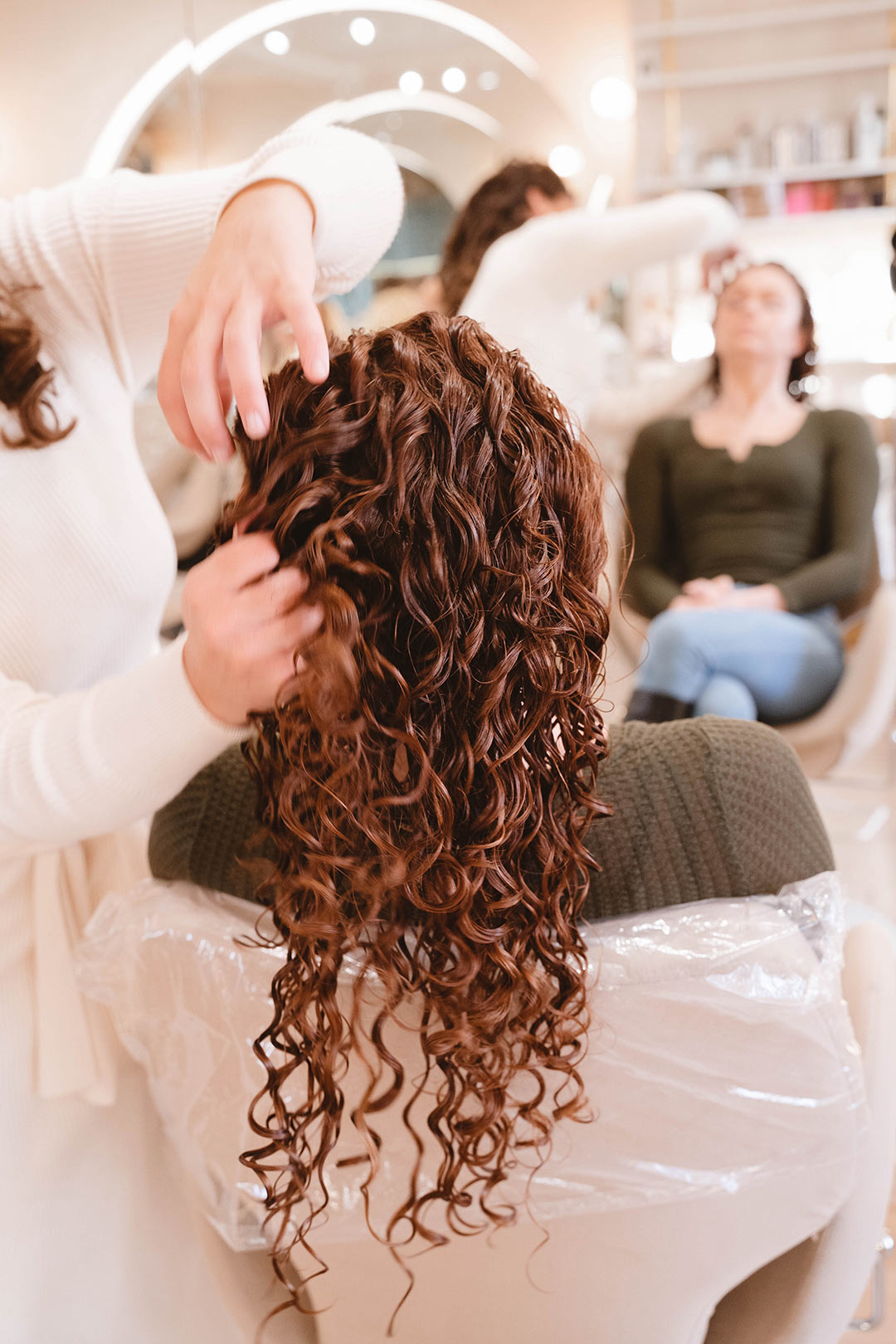
Best products and key ingredients for curly hair
Products to include
- Sulfate-free shampoo or cleansing cream.
- Silicone-free conditioner for daily use.
- Leave-in conditioner to lock in moisture.
- Curl-defining cream or gel for hold without crunch.
- Deep conditioner or hair mask for intense hydration.
Ingredients to seek
- Glycerin, hyaluronic acid, aloe vera for moisture.
- Oils like jojoba, argan, and coconut in small amounts for sealing.
- Proteins like keratin or hydrolyzed silk for strength, used sparingly.
- Emollients like shea butter to smooth and protect.
Ingredients to avoid often
- Strong sulfates that strip oils.
- Alcohols that dry hair (look for fatty alcohols which are fine).
- Excess silicones if you do not clarify regularly.
Choosing products this way keeps the focus on what is the best hair care routine for curly hair: hydration first, protection second.

Tools and techniques: detangling, drying, and styling
- Use wide-tooth combs or fingers to detangle. Start at the ends and work up.
- Microfiber towels or cotton T-shirts reduce frizz versus terry cloth.
- Diffuse on low heat and low speed. Cup curls with the diffuser rather than blasting them.
- Try plopping for even curl formation and faster drying.
- Sleep with hair in a loose pineapple or satin bonnet.
- Avoid tight elastics; use snag-free scrunchies and clips that don’t pull.
These techniques form the backbone of what is the best hair care routine for curly hair. Gentle tools prevent damage and keep curl shapes intact.

Troubleshooting: fix frizz, dryness, and breakage
Frizz after drying
- Likely caused by humidity, wrong product balance, or rough drying. Use anti-frizz cream and smooth with a leave-in before drying.
Dry, brittle ends
- Increase deep conditioning and use a light oil to seal. Trim split ends every 8–12 weeks.
Limp curls or loss of definition
- Reduce heavy oils and butters. Add a light protein treatment and a gel or mousse for hold.
Product buildup
- Clarify once a month to remove silicones and hard water residue. Follow with a deep conditioner.
These fixes help you tune your routine and better answer what is the best hair care routine for curly hair based on real problems.

Personal experience: mistakes I made and what I learned
When I began testing curly routines, I shampooed too often. My curls went dry and fragile. I switched to co-washing and deep conditioning. That change alone improved curl bounce and softness.
I also learned that too many products can hide curl shape. Simpler routines often yield better results. When in doubt, step back and follow the core principles: hydrate, protect, and handle gently.

Tailoring a routine by curl type
Type 2 (wavy)
- Wash every 2–5 days. Use lighter creams and gels. Focus on volume at roots.
Type 3 (curly)
- Wash every 3–7 days. Use richer conditioners and leave-in products. Define with creams or gels.
Type 4 (coily)
- Wash every 7–14 days or as needed. Heavy creams and oils help retain moisture. Protective styles and minimal manipulation are key.
These templates show how to adapt what is the best hair care routine for curly hair to your specific curl pattern.

Frequently Asked Questions of what is the best hair care routine for curly hair
How often should I wash my curly hair?
Wash frequency depends on curl type and activity. Most people with curls benefit from washing every 3–7 days, using co-wash or gentle shampoo to avoid overdrying.
Can I use regular shampoos on curly hair?
You can, but avoid shampoos with strong sulfates. Gentle, sulfate-free formulas protect natural oils and keep curls hydrated.
How do I reduce frizz in humid weather?
Use anti-frizz leave-ins and gels that form a light barrier. Seal moisture with a small amount of oil and avoid rough towels.
Is heat styling bad for curly hair?
Frequent high heat damages curl structure. Use low heat, heat protectant, and limit heat styling to preserve curl pattern.
Do I need protein treatments?
Protein treatments help when curls feel overly soft or lose spring. Use them sparingly and alternate with hydrating masks to maintain balance.
Can I sleep on cotton sheets with curly hair?
Cotton can increase friction and frizz. Swap to satin or silk pillowcases, or wear a satin bonnet to reduce damage and preserve curls.
Conclusion
A solid routine for curls centers on moisture, gentle cleansing, and low-friction care. Start small: switch to sulfate-free cleansers, add a good leave-in, and deep condition weekly. Track what works and tweak for your curl type.
Try one change for a month and watch results. Share your wins or questions below, subscribe for more guides, or explore product lists to refine your routine.
