
Wash gently, condition regularly, protect your scalp, and choose products that match your hair type and goals.
Learning how to take care of my hair male readers often ask about does not require a costly routine. It requires steady habits, the right products, and a clear understanding of your scalp, hair texture, and daily lifestyle. This guide explains what works, what to avoid, and when professional care may help.
Understand Your Hair and Scalp First
The best way to learn how to take care of my hair male readers can use is to start with their own hair type. Hair can be straight, wavy, curly, or tightly coiled. It may also be fine, thick, dry, oily, or prone to dandruff.
Your scalp matters just as much as your hair. Healthy hair begins at the roots, where follicles receive blood, nutrients, and natural oils. If your scalp is itchy, painful, very oily, or covered with flakes, your routine may need to change.
Look at these traits:
• Hair texture: Straight hair often gets oily faster. Curly hair may lose moisture more quickly.
• Hair thickness: Fine hair can look flat with heavy products. Thick hair may need more conditioner.
• Scalp type: An oily scalp may need more frequent washing. A dry scalp may need a gentler shampoo.
• Hair concerns: Common concerns include frizz, breakage, dandruff, thinning, and split ends.
Your hair needs can change with age, weather, stress, medication, and styling habits. A routine that works in humid summer weather may feel too heavy in a dry winter climate.
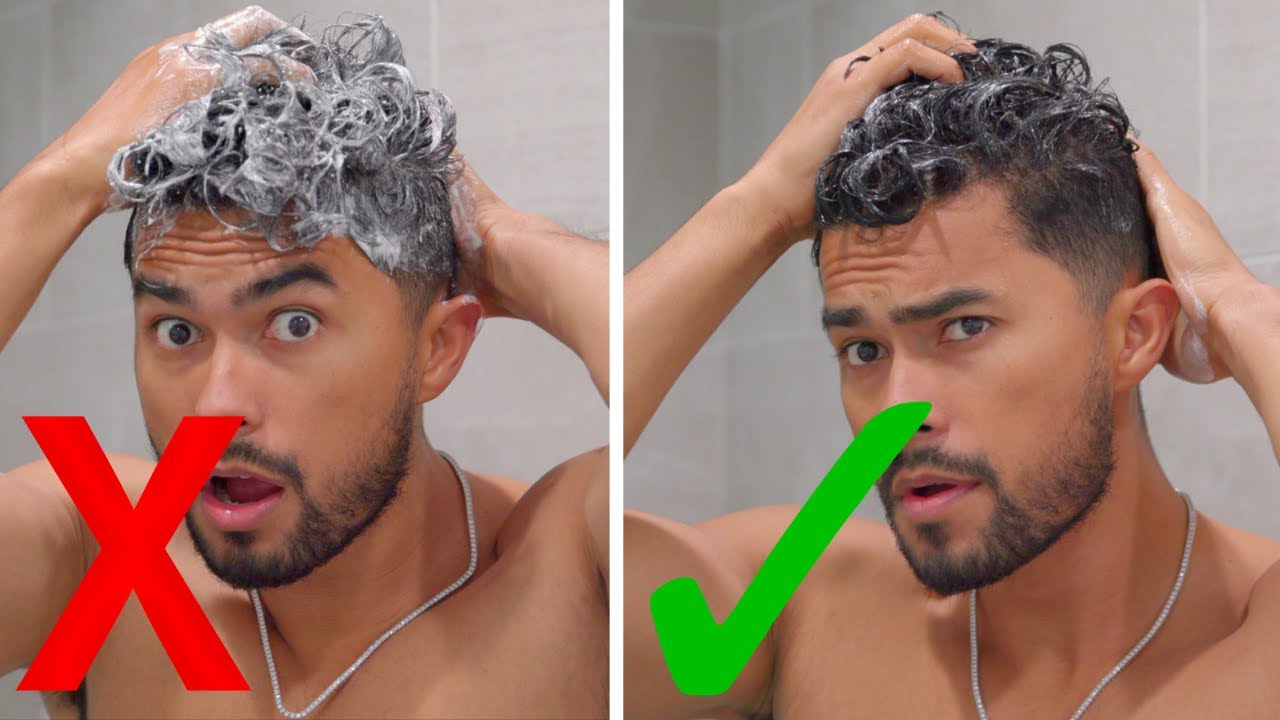
How Often Should Men Wash Their Hair?
Washing removes sweat, excess oil, dirt, dead skin, and styling product. However, washing too often with a harsh shampoo can leave hair dry and rough. Not washing enough can cause buildup and scalp irritation.
For many men, washing two to four times per week works well. This is only a starting point. If you exercise daily, work outdoors, or have an oily scalp, you may need to wash more often.
If your hair is dry, curly, or tightly coiled, less frequent washing may help keep its natural moisture. You can rinse with water or use conditioner between shampoo days if your hair needs refreshing.
Use this simple guide:
• Oily or straight hair: Wash as needed, often every day or every other day.
• Normal hair: Wash about two to four times each week.
• Dry, curly, or coiled hair: Wash once or twice each week, unless your scalp needs more.
• Active lifestyle: Wash after heavy sweating when possible.
The goal in learning how to take care of my hair male readers should focus on is balance. Your scalp should feel clean, not tight or painfully dry.

The Right Way to Shampoo
Many hair problems come from poor washing technique, not from a lack of expensive products. Use lukewarm water instead of very hot water. Hot water can remove too much oil and may increase dryness or irritation.
Apply a small amount of shampoo to your scalp, not the full length of your hair. Massage with your fingertips for about 30 to 60 seconds. Do not scratch with your nails, since this can cause small cuts and irritation.
Rinse well. Shampoo that remains on the scalp can lead to itching or product buildup.
Follow these steps:
Wet your hair fully with lukewarm water.
Apply shampoo to the scalp.
Massage gently with your fingertips.
Let the foam run through the ends.
Rinse until the water feels clean.
Repeat only if your hair is very oily or covered with product.
A common mistake I’ve noticed in men’s grooming routines is treating shampoo like a strong detergent. Your scalp needs cleaning, but it does not need to feel squeaky or stripped. That tight feeling often means the product is too harsh or the water is too hot.

Why Conditioner Matters for Men
Conditioner helps smooth the outer layer of each hair strand. It can reduce friction, improve softness, and make hair easier to comb. It also helps limit breakage caused by brushing and styling.
Apply conditioner from the middle of your hair to the ends. Avoid placing a large amount directly on the scalp unless the product is designed for scalp use. Leave it on for one to three minutes, then rinse.
Men with short hair may still benefit from conditioner. Short hair is not automatically healthy hair. The hair may be exposed to sun, dry air, chlorine, sweat, and styling products.
Choose a conditioner based on your needs:
• Lightweight conditioner: Best for fine or oily hair.
• Moisturizing conditioner: Useful for dry, thick, curly, or coarse hair.
• Strengthening conditioner: May help hair feel less weak, but it cannot repair permanent damage.
• Leave-in conditioner: Helpful for curls, frizz, and dry ends.
Conditioner cannot reverse split ends. A trim is the only way to remove them. Still, regular conditioning can help prevent new damage and keep hair looking smoother.
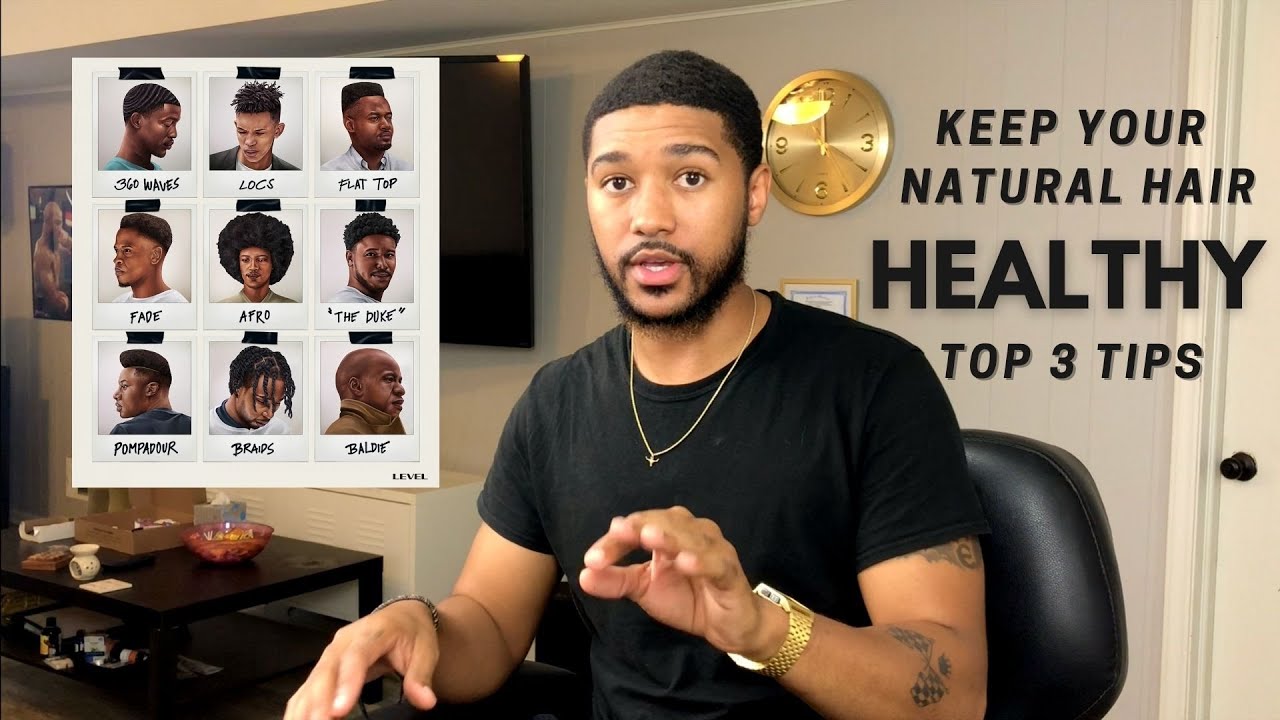
Build a Simple Men’s Hair Care Routine
A good routine should be easy enough to follow on busy mornings. The best answer to how to take care of my hair male readers seek is often a basic plan used consistently.
Morning routine
• Check your scalp and hair. Notice excess oil, flakes, or dryness.
• Wet or refresh your hair if needed.
• Use a small amount of styling product.
• Avoid pulling hair tightly into place.
Shower routine
• Shampoo based on your scalp type.
• Massage gently with your fingertips.
• Condition the mid-lengths and ends.
• Rinse with lukewarm or cool water.
Evening routine
• Remove heavy styling product before bed.
• Dry your hair before sleeping if it is very wet.
• Use a clean pillowcase.
• Avoid tight hats or hairstyles that pull on the roots.
A routine does not need ten products. For many men, shampoo, conditioner, and one suitable styling product are enough. Add products only when you understand the problem they solve.

Drying, Brushing, and Styling Without Damage
Wet hair is more fragile than dry hair. Rubbing it hard with a towel can create friction and breakage. Instead, gently squeeze out water and pat your hair with a soft towel or clean cotton shirt.
If you use a blow dryer, choose low or medium heat. Keep the dryer several inches away from your scalp and keep it moving. High heat held in one spot can dry the hair and irritate the scalp.
Use a wide-tooth comb for curly or thick hair. Start at the ends and work upward. This method creates less pulling than dragging a comb from the roots to the ends.
For styling:
• Use a small amount of product first.
• Warm wax, cream, or pomade between your hands.
• Apply product through the hair instead of pressing hard into the scalp.
• Choose water-based products if you want easier washing.
• Avoid daily use of very strong hold products if they cause buildup.
One lesson many men learn late is that more product does not mean better style. Heavy layers can make hair dull, greasy, and difficult to clean. Start with a pea-sized amount and add more only if needed.
Choose Products for Your Hair Type
Product labels can help, but they are not perfect. Ingredients matter more than marketing claims such as “natural,” “premium,” or “professional.” Natural ingredients can still irritate sensitive skin, and expensive products do not always perform better.
For oily hair, look for lightweight formulas. Avoid using thick oils or heavy waxes near the scalp. For dry or curly hair, choose moisturizing products that contain ingredients such as glycerin, fatty alcohols, plant oils, or conditioning agents.
If you have a sensitive scalp, choose fragrance-free or low-fragrance products. Stop using a product if it causes burning, redness, swelling, or a worsening rash.
When learning how to take care of my hair male readers should also consider product buildup. Signs include dull hair, sticky strands, itching, and hair that feels coated after washing. A gentle clarifying shampoo used occasionally may help, but overuse can cause dryness.
Try one new product at a time. This makes it easier to identify what helps and what causes a reaction.

Manage Dandruff and Scalp Itching
Dandruff is common and is not always caused by poor hygiene. It may be linked to oil, yeast on the scalp, irritation, or a condition called seborrheic dermatitis. Dry weather can also make flakes more noticeable.
An anti-dandruff shampoo may contain ingredients such as ketoconazole, zinc pyrithione, selenium sulfide, salicylic acid, or coal tar. Follow the label carefully. Some products need to remain on the scalp for several minutes before rinsing.
Use these habits:
• Apply the shampoo directly to the scalp.
• Use it as often as the label recommends.
• Give the routine several weeks to work.
• Avoid scratching flakes off.
• Rinse styling products from the scalp.
See a dermatologist if dandruff is severe, painful, spreading, or not improving. Thick plaques, bleeding, hair loss, or a sudden rash require professional assessment. Self-care has limits, and the right diagnosis matters.

Hair Loss and Hair Thinning
Some shedding is normal. Hair naturally moves through growth, rest, and shedding phases. However, sudden or noticeable thinning can have many causes, including genetics, stress, illness, nutritional deficiency, hormonal changes, medication, or scalp disease.
Male pattern hair loss is common. It often starts with a receding hairline, thinning at the crown, or both. Early medical advice may provide more options than waiting until hair loss becomes advanced.
Do not trust products that promise to regrow all hair quickly. Evidence-based treatments may help some men, but they also have limits and possible side effects. A dermatologist can discuss options such as topical minoxidil or prescription treatments when appropriate.
Contact a health professional if you notice:
• Sudden bald patches.
• Fast or heavy shedding.
• Scalp pain, redness, or scaling.
• Hair loss with fatigue or other body changes.
• Thinning after starting a new medication.
Good hair care can reduce breakage, but shampoo cannot cure genetic hair loss. This distinction is important when considering how to take care of my hair male readers want to protect.
Support Hair Health With Lifestyle Habits
Hair is made from keratin, a protein. Your body needs enough energy, protein, vitamins, and minerals to support normal growth. A balanced diet is usually better than taking many supplements.
Include foods such as:
• Eggs, fish, poultry, beans, and tofu for protein.
• Leafy greens and colorful vegetables.
• Fruit, whole grains, nuts, and seeds.
• Healthy fats from fish, olive oil, and avocados.
Avoid high-dose hair supplements unless a qualified professional recommends them. Too much of certain nutrients can be harmful and may even contribute to hair loss. Blood tests can help identify a true deficiency.
Sleep and stress also matter. Long periods of stress may contribute to temporary shedding in some people. Regular movement, enough sleep, and stress support cannot guarantee perfect hair, but they help your overall health.
Protect Your Hair From Everyday Damage
The sun can dry and fade hair, especially if it is chemically treated. Wear a hat during long periods outdoors, but choose one that is clean and not tight. Rinse your hair after swimming to remove chlorine or salt.
Hair care also includes your haircut habits. Very tight braids, ponytails, extensions, or repeated pulling can damage follicles over time. This type of tension may cause traction hair loss.
Limit harsh chemical treatments and frequent high-heat styling. If you color or relax your hair, follow the product instructions and avoid applying chemicals to an irritated scalp.
Replace or clean items that touch your hair:
• Wash pillowcases regularly.
• Clean combs and brushes.
• Do not share hats, brushes, or towels during scalp infections.
• Keep clippers clean.
These small habits are practical parts of how to take care of my hair male routines often overlook.
Common Mistakes to Avoid
Even a good hair routine can fail if a few damaging habits remain. The most common issue is inconsistency. People often change products every week, then cannot tell what works.
Avoid these mistakes:
• Washing with very hot water.
• Scratching the scalp with fingernails.
• Using too much shampoo or styling product.
• Brushing aggressively through wet hair.
• Wearing tight hairstyles for long periods.
• Sleeping with heavy product buildup.
• Ignoring persistent itching or hair loss.
• Taking supplements without checking for a deficiency.
Another mistake is copying someone else’s routine. Your friend may wash daily because he has oily, straight hair. If your hair is curly and dry, that same routine may leave it brittle.
Give a new routine at least a few weeks unless it causes irritation. Hair growth is slow, so visual changes rarely happen overnight.
A Practical Weekly Hair Care Plan
Here is a simple plan for men who want clear steps.
Every day
• Keep your scalp comfortable and avoid tight headwear.
• Use little or no styling product when possible.
• Protect your hair from strong sun and excess heat.
Two to four times per week
• Shampoo according to your scalp type.
• Condition the lengths and ends.
• Clean away sweat and product buildup.
Once per week
• Wash your comb, brush, or styling tools.
• Check your scalp for flakes, redness, or sore areas.
• Use a deeper conditioner if your hair is dry or curly.
Every four to eight weeks
• Get a trim if you want to control split ends or maintain your style.
• Review whether your products still suit your hair.
This plan is flexible. The best routine is the one that keeps your scalp clean, your hair manageable, and your habits realistic.
Frequently Asked Questions About How to Take Care of My Hair Male
How often should men shampoo their hair?
Most men can shampoo two to four times per week, but oily scalps may need more frequent washing. Dry, curly, or tightly coiled hair may need less frequent shampooing.
Should men use conditioner every time they wash?
Yes, most men can use conditioner after shampooing. Apply it mainly to the mid-lengths and ends, especially if your hair feels dry or tangles easily.
Is cold water better for hair?
Lukewarm water is usually the most comfortable choice. Very hot water may increase dryness, while cold water does not provide a special hair-growth benefit.
How can men stop dandruff?
Use an anti-dandruff shampoo with a proven active ingredient and follow the label instructions. If flakes, itching, redness, or scaling continue, see a dermatologist for a proper diagnosis.
Does cutting hair make it grow faster?
No. Cutting hair removes split ends but does not change the growth rate of the follicle. Hair growth happens beneath the scalp, so a haircut mainly improves its shape and appearance.
What is the best shampoo for men?
The best shampoo depends on your scalp and hair type. Choose a gentle formula for normal or sensitive scalps, a lightweight formula for oily hair, and a moisturizing formula for dry or curly hair.
Can hair products cause hair loss?
Heavy buildup may irritate the scalp, and tight styling can cause traction hair loss. Most normal styling products do not directly cause genetic hair loss, but stop using any product that causes a rash or burning.
Conclusion
Taking care of your hair as a man starts with simple habits: wash your scalp properly, condition your hair, limit heat, avoid tight styles, and choose products for your hair type. A balanced diet and healthy lifestyle also support normal hair growth.
The best answer to how to take care of my hair male readers can follow is consistency, not complexity. Start with a gentle shampoo, a suitable conditioner, and one styling product. Track changes for a few weeks, and seek medical advice for sudden hair loss or ongoing scalp problems. Try these steps today, then explore more grooming guides or share your routine in the comments.
