Keep it simple: gentle washing, light products, regular trims, and heat protection.
I’ve helped hundreds of clients and tested routines in my own life, so I know what works for straight hair. This guide explains exactly how to take care of straight hair step by step. You’ll learn why straight hair behaves the way it does, which products help or harm, daily routines, styling tips, and real-life fixes for common problems. Read on to get a clear, practical plan you can follow today.
Understanding straight hair
Straight hair lies flat from root to tip. It often reflects light well and can look shiny. It can also get oily faster at the scalp and limp at the ends. Knowing these traits helps you pick the right products and routines for how to take care of straight hair.
Key traits to know
- Smooth cuticle that reflects light.
- Fast oil buildup near the scalp.
- Tendency to lose volume at the roots.
- Easier to tangles near the ends when long.
Why biology matters
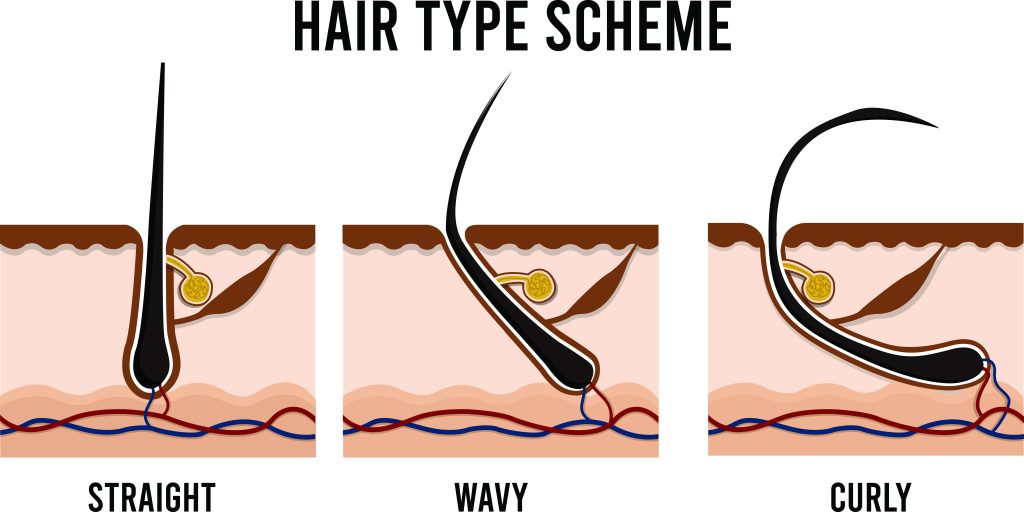
- Straight hair follicles grow at a straighter angle. This affects how oil moves down the shaft. That is why washing frequency and lightweight products matter for how to take care of straight hair.

Source: smithhairsalon.com
Daily routine: morning and night
A simple daily routine keeps straight hair healthy and full. Aim for short steps you can repeat.
Morning steps
- Brush gently with a wide-tooth comb or paddle brush to remove knots.
- Apply a small amount of lightweight serum or leave-in spray to tame flyaways.
- Use a dry shampoo between washes if roots look oily.
Night steps
- Brush hair before bed to distribute oils from scalp to ends.
- Sleep on a silk or satin pillowcase to reduce friction and frizz.
- Tie hair loosely in a low bun or braid if you sleep on your side.
How this routine helps
- Consistent care controls oil and maintains shine. Small habits make a big difference in how to take care of straight hair.

Source: keepcalmandchiffon.com
Washing and conditioning
Washing the right way keeps straight hair from going limp or greasy. Frequency and technique matter.
How often to wash
- Most people with straight hair do well washing every 2 to 3 days. Wash more if your scalp gets oily fast.
- Use a gentle, sulfate-free shampoo when possible.
Conditioner tips
- Apply conditioner to mid-lengths and ends only. Avoid the roots to prevent weighing hair down.
- Use a lightweight, moisturizing formula. Rinse with cool water to seal the cuticle.
Deep care
- Clarify once a month to remove buildup from styling products.
- Use a lightweight mask or protein treatment once every 2–4 weeks for damage control.
PAA-style questions
How often should I wash straight hair?
Most people wash straight hair every 2 to 3 days; adjust if your scalp gets oily or you exercise daily.
Should I condition my roots if I have straight hair?
Avoid conditioning the roots; focus on mid-lengths and ends to prevent limpness.
Is clarifying shampoo necessary for straight hair?
Yes, clarifying once a month helps remove product buildup and restores natural shine.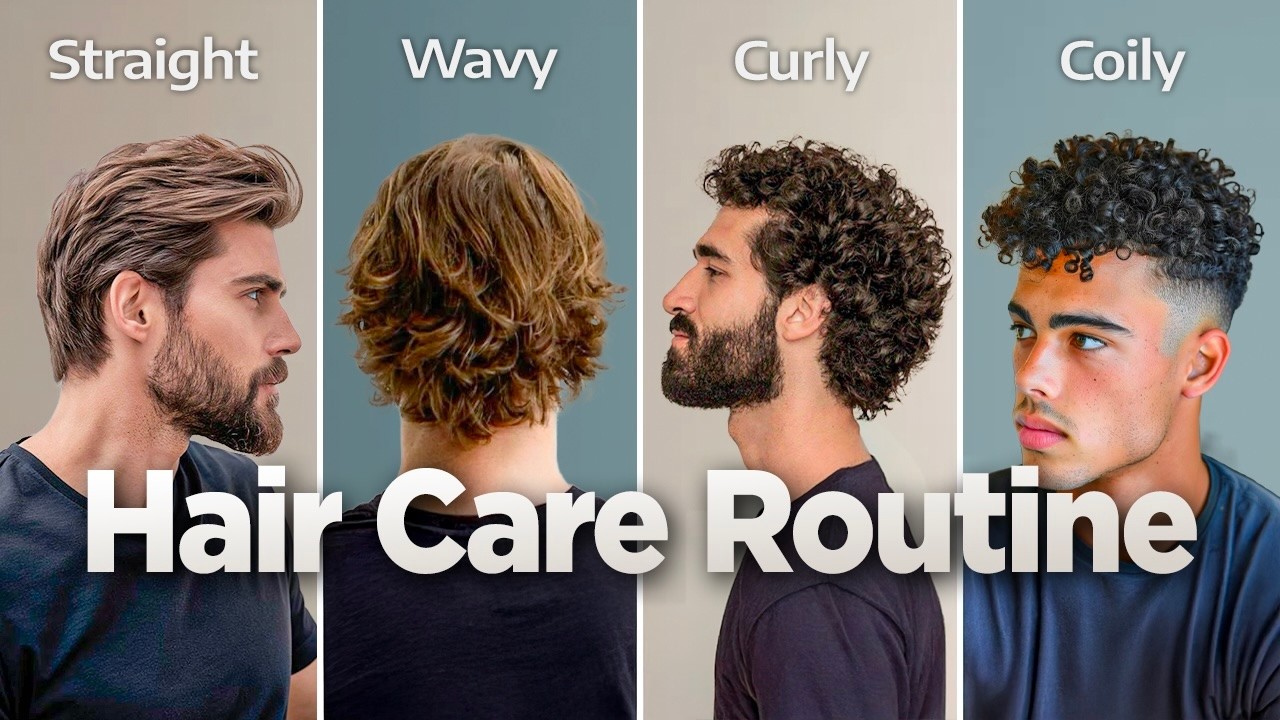
Drying and heat styling
How you dry and style straight hair affects volume and health. Use heat wisely.
Best drying practices
- Pat hair dry with a microfiber towel or old T-shirt to reduce friction.
- Blow-dry with your head flipped forward for volume. Use the nozzle and a round brush near the roots.
Heat styling tips
- Always use a heat protectant spray or cream before any hot tool.
- For a flat iron, set temperature between 300°F and 360°F depending on hair thickness.
- Work in small sections and avoid multiple passes to lower damage.
When to air-dry
- Let hair air-dry when possible to reduce heat exposure. Use a lightweight leave-in to control flyaways during air-dry.
Volume tricks without heat
- Use a root-lifting spray on damp hair.
- Clip the roots at the crown until hair cools to lock in lift.

Source: couturehairpro.com
Products, ingredients, and tools
Picking the right items makes caring for straight hair easier. Choose light, effective options.
Recommended product types
- Gentle, sulfate-free shampoos.
- Lightweight conditioners and detanglers.
- Leave-in sprays and light serums, not heavy oils.
- Dry shampoos for in-between washes.
- Heat protectants for any thermal styling.
Ingredients to seek
- Panthenol for moisture and shine.
- Lightweight silicones for smoothness without heaviness.
- Proteins like keratin for occasional repair.
Ingredients to avoid or limit
- Heavy oils like coconut oil at the roots.
- Alcohol-rich sprays that dry hair out.
- Frequent use of strong-hold waxes near the scalp.
Right tools
- Wide-tooth comb for wet hair.
- Paddle or boar-bristle brush for smoothing.
- Ceramic flat iron and a good hair dryer with heat control.
How these choices affect care
- The right products keep hair light and shiny. This is central to how to take care of straight hair.
Source: florida-academy.edu
Haircuts, trims, and color care
How you cut and color straight hair affects shape and fullness. The right choices boost manageability.
Best cuts
- Blunt cuts add the illusion of thickness.
- Long layers add movement without thinning too much.
- Short bobs can increase volume and look modern.
Trim frequency
- Trim every 8–12 weeks to remove split ends and keep hair looking healthy.
Color and chemical care
- Use color-safe, gentle shampoos after coloring.
- Space chemical services to avoid over-processing.
- Deep-condition after color or chemical treatments to restore moisture.
Stylist tips
- Ask for blunt ends if you want full-looking straight hair.
- Request subtle layers if you want movement without thinning.

Source: vilvahstore.com
Protecting straight hair from the environment
Straight hair reacts to humidity, sun, and water. Protect it to keep it healthy.
Sun protection
- Wear a hat or use a UV protectant spray on sunny days.
- UV exposure can weaken protein and dull shine.
Humidity control
- Use an anti-frizz serum with humidity protection on damp hair.
- Light leave-ins help shield hair without weighing it down.
Swimming care
- Wet hair and apply a leave-in conditioner before swimming to limit chlorine absorption.
- Rinse immediately after swimming and apply a clarifying wash if needed.
Pollution and sweat
- Rinse or co-wash after heavy workouts to remove sweat and salt.
- Clarify occasionally to remove environmental buildup.
These steps help you maintain shine and manageability when caring for straight hair.
Common mistakes to avoid
Avoiding these errors makes caring for straight hair much easier.
Frequent mistakes
- Over-conditioning at the roots which causes limp hair.
- Using heavy oils or thick creams near the scalp.
- Skipping heat protectant before styling.
- Brushing wet hair harshly and causing breakage.
- Waiting too long between trims, which makes ends split and frizz.
Quick fixes
- Move conditioner away from the scalp.
- Switch to lighter products.
- Use a detangling spray for wet hair.
Avoiding these avoids damage and keeps hair looking fresh.
Personal experience and pro tips
I’ve styled straight hair in salons and cared for my own straight hair for years. Here are practical tips I learned the hard way.
What worked for me
- I reduced wash days to every 2–3 days and my ends stopped looking greasy fast.
- Switching to a lightweight leave-in spray added shine without weight.
- A blunt trim every three months made my hair look fuller.
Mistakes I made
- Overusing heavy serums early on made my hair limp for weeks.
- Using too high heat on a flat iron caused microscopic damage that dulled shine.
Simple pro tips
- Treat the scalp like skin—gentle massage during shampoo boosts circulation and reduces oil buildup.
- Rotate products every few months to avoid buildup and keep results consistent.
These real-life lessons are practical for anyone learning how to take care of straight hair.
Frequently Asked Questions of how to take care of straight hair
How often should I trim straight hair?
Trim straight hair every 8–12 weeks to cut split ends and keep a blunt, healthy look. Regular trims help hair look thicker and fresher.
Can I use oil on straight hair?
Yes, but sparingly. Use light oils or apply oil only to the ends to avoid making roots oily and flat.
Will straight hair get frizzy in humidity?
Yes. Use an anti-frizz leave-in or lightweight serum and avoid heavy products that attract moisture and weigh hair down.
Is heat styling bad for straight hair?
Heat styling can damage hair if overused. Use a heat protectant, set tools to moderate temperatures, and limit frequency.
How do I add volume to straight hair without heat?
Use root-lifting spray on damp hair, clip roots until dry, and consider a blunt cut or layers for long-term volume.
Can I skip shampoo and just condition my straight hair?
Co-washing occasionally is okay, but straight hair tends to need periodic clarifying to remove scalp oils and buildup. Balance co-washing with regular shampooing.
What brush is best for straight hair?
A paddle brush or a mixed bristle brush works well for smoothing and gentle detangling. Wide-tooth combs are best on wet hair.
Conclusion
Taking care of straight hair is about balance: gentle cleansing, light moisturizing, smart styling, and regular trims. Follow the routines above to keep hair shiny, full, and healthy. Start small—pick one change today, such as switching to a lightweight conditioner or adding heat protection—and build from there. Try these tips, share your results, and leave a comment or question so I can help you refine your routine.