
Introduction
For shoppers in the United States, lip stain is not always better than lipstick. Each product solves a different need. Lip stain gives a light layer of color that may last through drinks and daily tasks. Lipstick gives more moisture, comfort, and strong color in one swipe.
Choose a lip stain if you want a low-maintenance look with less transfer. Choose lipstick if you want rich color, a soft feel, or better coverage for dry lips. A tinted balm may be the best middle choice for lips that need both color and moisture.

Quick Answer: Is Lip Stain Better Than Lipstick?
Lip stain is better for long wear and low transfer. Lipstick is better for comfort, rich color, and dry lips. The best choice depends on your lips, the finish you want, and how often you want to touch up.
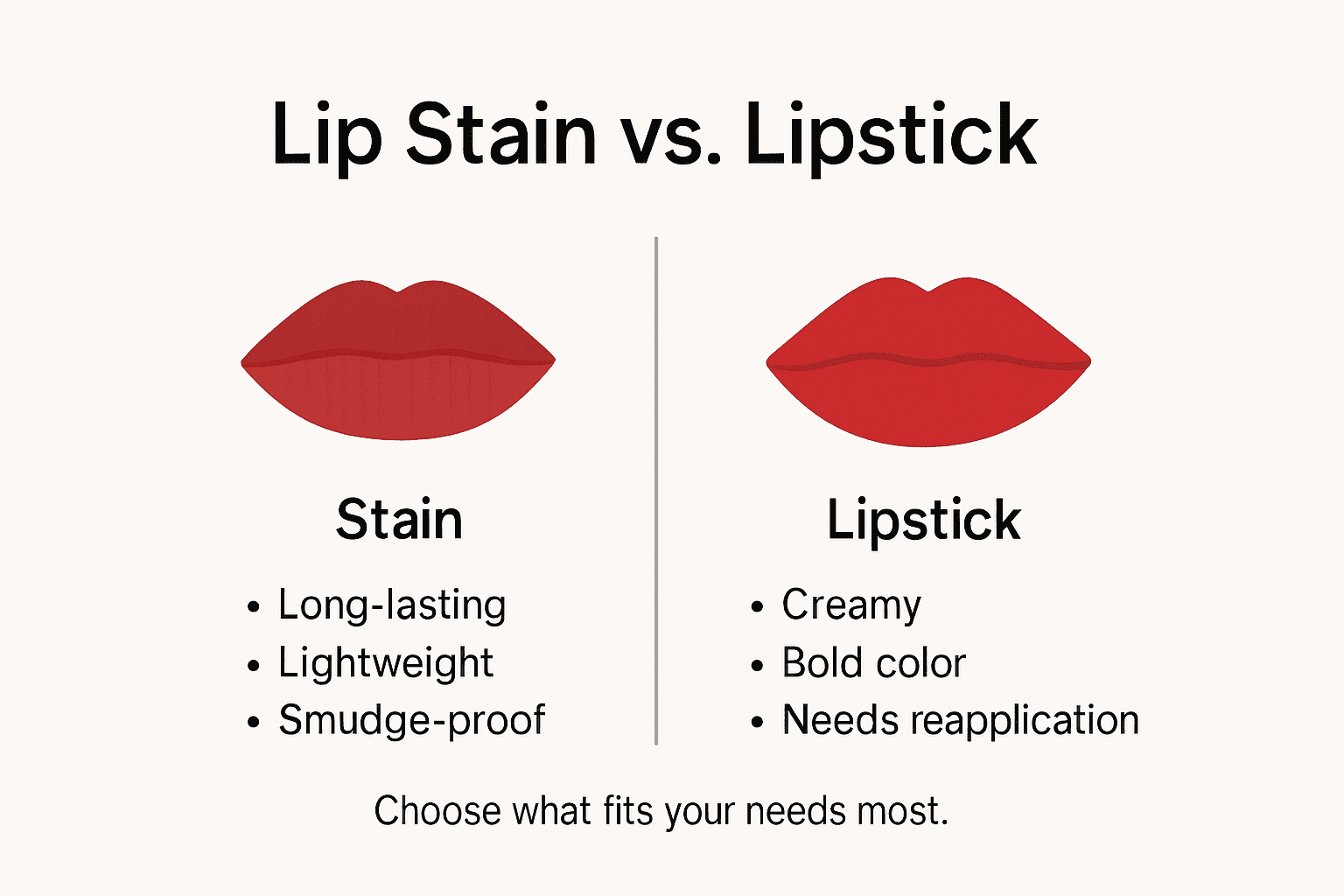
A lip stain uses colorants that tint the lips. The color may remain after the product’s base fades. Lipstick sits more on the surface of the lips. It may contain waxes, oils, pigments, and emollients that create a smooth and creamy feel.
Here is the simplest comparison:
| Feature | Lip stain | Lipstick |
|---|---|---|
| Wear time | Often longer, but varies by formula | Often shorter, especially with creamy formulas |
| Transfer | Usually low after it sets | Can transfer to cups, masks, and skin |
| Color strength | Sheer to medium | Sheer to full |
| Moisture | Often low unless it is a stain-balm | Usually higher, especially in satin or cream formulas |
| Touch-ups | Less frequent | More frequent |
| Dry-lip comfort | May feel tight or dry | Often more comfortable |
| Removal | Can need an oil-based remover | Usually easy with regular cleanser |
| Best use | Workdays, meals, travel, casual wear | Bold looks, formal events, dry lips |
No formula wins every category. The right product is the one that fits your main concern.
What Is a Lip Stain?
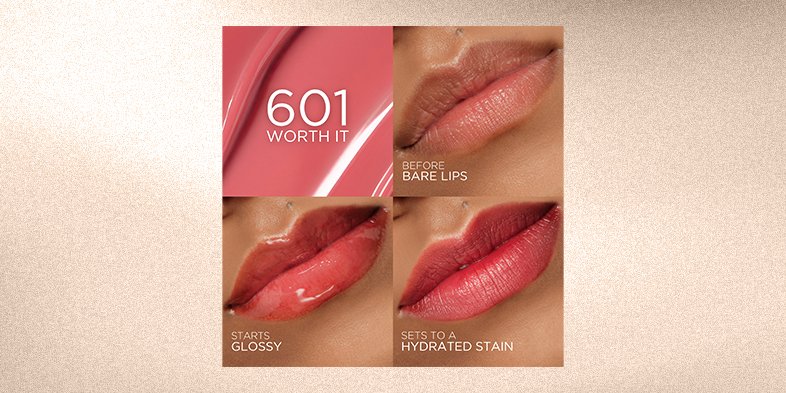
A lip stain is a lip color made to leave pigment on the lips after part of the product wears away. It may come as a liquid, gel, marker-style pen, cream, or balm. Some products called “tints” act like stains, while others behave more like sheer lipstick.
The word stain does not describe one fixed formula. Some stains use water-based color systems. Others use oils, film-forming ingredients, or waxes. Because formulas differ, one lip stain may feel light and watery while another feels like a regular liquid lipstick.
Lip stains often provide:
- Sheer or buildable color
- Less product transfer
- A natural-looking flush
- Longer color life than many creamy lipsticks
- A light feel on the lips
They may also have limits:
- They can highlight flakes.
- They may feel dry as they set.
- Some shades apply unevenly.
- Dark colors can be harder to remove.
- Some formulas contain fragrance or flavor that may bother sensitive lips.
A stain can make lips look naturally pink, red, berry-toned, or brown. It usually does not create the thick, even layer that a full-coverage lipstick creates.

What Is Lipstick?
Lipstick is a solid, cream, liquid, or balm-like lip color that coats the lips with pigment. Classic lipstick often contains waxes and oils. Liquid lipstick may use film-forming ingredients to create a set finish. Sheer lipstick and tinted balm contain less pigment and more conditioning ingredients.
Lipstick can offer:
- Strong color payoff
- More even coverage
- Many finishes, including matte, satin, cream, and gloss
- Better comfort for some dry lips
- Easy shade changes
- Easy blending and reshaping
The finish matters as much as the product type. A matte lipstick may last longer than a cream lipstick. A glossy lipstick may feel smooth but transfer more. A tinted balm may feel better than both, but it usually gives less color.
Lipstick is not automatically more moisturizing. Some formulas contain ingredients that soften the lips, but a cosmetic product is not the same as a treatment for severe dryness. The American Academy of Dermatology recommends using a bland lip balm or ointment for chapped lips and avoiding products that sting or burn.

Lip Stain vs. Lipstick: Key Differences
Wear time
Lip stain often lasts longer than cream or satin lipstick because some color remains after the surface layer fades. Still, meals, oily foods, lip rubbing, saliva, and the formula itself affect wear.
A stain may fade in the center of the lips first. This can leave a darker outline or patchy spots. Lipstick may fade more evenly but need more touch-ups.
A long-wear liquid lipstick may last as long as or longer than some stains. It may also feel drier. Wear time depends on the formula, not just the label.
Transfer
Lip stain usually transfers less after it dries. This makes it useful when you want less color on a coffee cup or face mask. It may still transfer if the product has a glossy top coat or if you apply a thick layer.
Lipstick tends to transfer more when it has a creamy, glossy, or moisturizing finish. Matte lipstick may transfer less, but it can still leave marks.
Moisture and comfort
Lipstick often feels more comfortable because its oils and waxes sit on top of the lips. Stain formulas may feel thin and dry as the carrier evaporates or the product sets.
This does not mean every lipstick is comfortable or every stain is drying. Read the ingredient list and finish description. If a product makes your lips sting, burn, crack, or swell, stop using it.
Color payoff
Lipstick usually gives more even and bold color. It can cover uneven tone and create a clear lip shape.
Lip stain tends to give a softer effect. You can often build it in layers, but too many layers may create uneven color. A stain works well when you want your lips to look tinted rather than fully painted.
Removal
Many stains need an oil-based cleanser or a dedicated makeup remover. Avoid harsh scrubbing. Rubbing can cause irritation and make dry lips worse.
Most standard lipsticks come off with a gentle cleanser, micellar water, or makeup remover. Long-wear lipstick may also need an oil-based product.
Application
Lipstick is often faster to apply. The color stays where you place it, so you can define the lip edges with a pencil or brush.
Lip stain can take more care. It may spread quickly, dry fast, or collect in dry areas. Apply a thin layer and correct mistakes before the product sets.

Which Is Better for Dry or Chapped Lips?
Lipstick is usually the better cosmetic choice for dry lips, but a bland balm or ointment is better for treating chapping. A stain may cling to flakes and make rough areas more visible.
Before using either product:
- Apply a plain, fragrance-free lip balm or ointment.
- Let it sit for a few minutes.
- Blot away excess product.
- Apply a thin layer of lip color.
- Add more only if the first layer looks even.
Avoid scrubbing chapped lips with a sugar scrub, toothbrush, or rough towel. This can cause more irritation. The American Academy of Dermatology advises avoiding lip products that contain ingredients such as camphor, menthol, eucalyptus, fragrance, or flavor when they cause dryness or irritation.
A satin lipstick, cream lipstick, or tinted balm may feel better than a matte lipstick or stain. If your lips remain cracked, painful, swollen, or scaly, stop the product and seek medical advice. Persistent lip changes can have causes that cosmetics will not fix.

Which One Lasts Longer Through Eating and Drinking?
A lip stain often lasts better through light eating and drinking, but no lip color is fully meal-proof. Oil can break down many lip products. Wiping your mouth can remove color from the center of the lips.
For better wear:
- Start with clean, dry lips.
- Apply a thin layer.
- Let the stain set.
- Add a second thin layer if needed.
- Use a small amount of balm only after the color sets.
A heavy layer of balm under a stain may reduce its grip. A glossy top coat may also increase transfer. If comfort matters more than maximum wear, add a light balm after the stain dries.
For an event, test the product before the day. Check how it looks after drinking water, eating a meal, and removing it. This is more useful than relying only on the label.

Which One Looks More Natural?
Lip stain usually gives the more natural look, especially in sheer shades. It can resemble the way lips look after eating a frozen fruit bar or spending time outdoors. A tinted balm can create a similar effect with more comfort.
Lipstick can also look natural when you choose:
- A shade close to your natural lip color
- A sheer or satin finish
- A thin layer pressed on with a finger
- Soft edges instead of a sharp outline
For a natural stain effect, apply the product to the center of the lips. Press your lips together, then soften the edges with a clean finger or lip brush. Wash your hands before and after this step.
A stain is not always more natural. A patchy or overly bright stain may look less even than a sheer lipstick.

Which Is Better for Sensitive Lips?
Neither product type is automatically safer for sensitive lips. The full ingredient list matters more than the name on the package.
Look for products with fewer potential irritants if your lips react easily. You may prefer fragrance-free and flavor-free formulas. Avoid any product that causes burning, itching, swelling, or a rash.
The U.S. Food and Drug Administration regulates cosmetics under the Federal Food, Drug, and Cosmetic Act. Cosmetic companies are responsible for making sure their products are safe when used as directed. However, the FDA does not approve most cosmetics before they go to market. Color additives must meet separate legal requirements.
Do not share lip products. Sharing can spread germs. Replace products when they change smell, texture, or color. Keep them away from high heat, and follow the product’s storage directions.
If swelling affects your mouth, tongue, or breathing, seek urgent medical care. A serious reaction needs medical attention, not a different lipstick.

How to Choose Between Lip Stain and Lipstick
Use this decision guide:
- Choose lip stain if you want low transfer and a light feel.
- Choose lipstick if you want bold, even color.
- Choose a tinted balm if your lips feel dry and you want mild color.
- Choose satin lipstick if you want comfort with a polished finish.
- Choose matte lipstick if you want strong color and less shine.
- Choose a stain topped with balm if you want lasting color with some comfort.
- Choose a lip liner plus lipstick if you want a defined shape and fuller coverage.
Your best choice may change by setting. A stain may suit a workday or outdoor event. Lipstick may suit a dinner, photo session, or formal event. A tinted balm may suit cold weather or a day when your lips feel dry.
A simple scoring method
If you are unsure, rank your top three needs from 1 to 3:
- Long wear
- Low transfer
- Moisture
- Bold color
- Natural color
- Easy removal
- Sensitive-lip comfort
If long wear and low transfer score highest, start with a stain. If moisture and bold color score highest, start with lipstick. If your lips are cracked, focus on lip care first and use color only when it feels comfortable.

How to Apply Lip Stain Without Patchy Color
Patchy color usually comes from dry skin, too much product, or a formula that dries before you can spread it.
Try this method:
- Make sure your lips are clean and dry.
- Apply a plain balm if your lips need it.
- Wait a few minutes.
- Blot off extra balm.
- Apply a thin layer of stain to the center of your lips.
- Spread it with the applicator or a clean lip brush.
- Soften the edge before the product dries.
- Add a second layer only after the first looks even.
Do not rub your lips together for a long time if the stain sets quickly. That can move the color into lines and create uneven areas.
If the stain looks too dark, remove it with an oil-based cleanser. Do not keep scrubbing. Apply a plain ointment and let your lips rest.

Common Mistakes to Avoid
Applying stain over flaky lips
Dry flakes can grab pigment. The result may look darker in some areas. Use gentle lip care before color, but do not scrub damaged skin.
Using too much product
A thick layer can feel dry and fade unevenly. Thin layers give you more control.
Expecting every stain to be transfer-proof
“Stain” does not mean the product cannot move. Gloss, oil, food, and rubbing can still remove or spread color.
Using a drying product every day
If a product leaves your lips tight or sore, switch formulas. Long wear is not worth ongoing irritation.
Ignoring the removal step
Some stains can leave color behind. Use a gentle remover and avoid harsh friction.
Judging a shade only from the tube
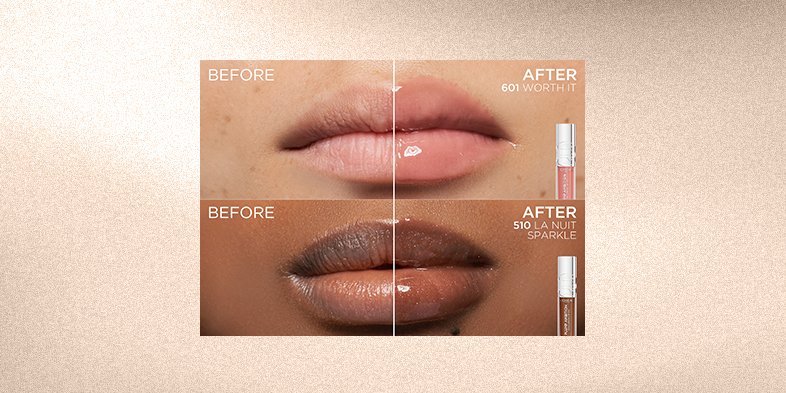
Lip color changes with your natural lip tone. If possible, test the shade on clean skin or read how the brand describes its undertone. A berry shade may look red on one person and purple or brown on another.
FAQs About Lip Stain and Lipstick
Is lip stain healthier than lipstick?
Not by default. Both are cosmetic products, and safety depends on the ingredients, product quality, proper use, and your skin’s response. Stop using any lip color that causes burning, itching, swelling, or a rash.
Can I wear lipstick over lip stain?
Yes. Let the stain dry first, then apply a thin layer of lipstick or balm. This can add comfort and change the finish. A thick or oily layer may reduce the stain’s wear time.
Can lip stain replace lip balm?
Usually not. Some stain-balms contain conditioning ingredients, but many lip stains offer little moisture. If your lips feel dry, use a plain balm or ointment made for lip care.
Does lip stain dry out your lips?
It can. The risk depends on the formula and your lips. Matte stains and products with irritating fragrance or flavor may feel worse for some people. A thin layer and a balm top coat may improve comfort.
Is lipstick easier to remove than lip stain?
Standard lipstick is usually easier to remove. Long-wear lipstick and dark stains may both need an oil-based makeup remover. Avoid aggressive rubbing.
The Bottom Line
Lip stain is better than lipstick when your main goals are lasting color, low transfer, and a light feel. Lipstick is better when you want comfort, rich color, and easy application. For dry lips, a tinted balm or satin lipstick may be a better starting point than a stain.
There is no universal winner. Pick the product that matches your lips and your day. If your lips are cracked or irritated, care for them first and stop any color that causes discomfort.
