
Introduction
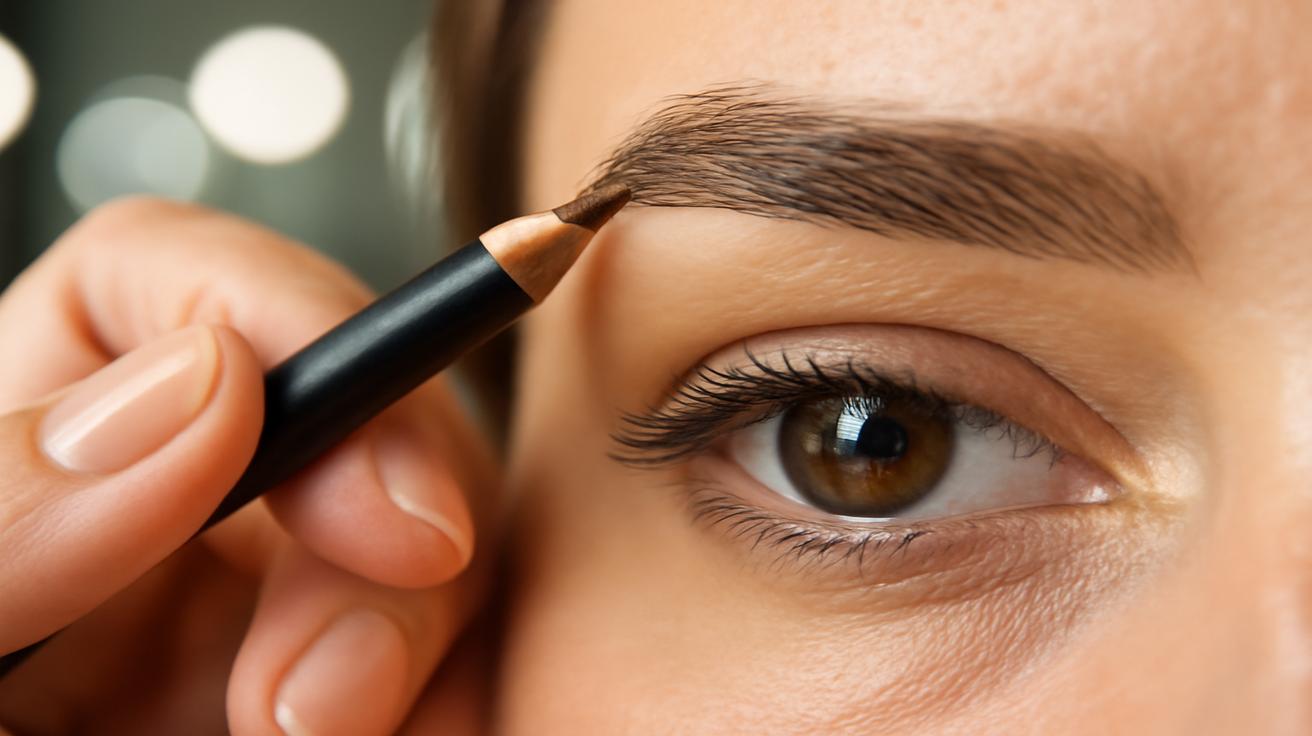
In the United States, an eyebrow pencil is a small makeup tool used to add color, fill sparse areas, and shape the look of the brows. It can make brows appear fuller and more even without changing the natural hair permanently.
Most people use an eyebrow pencil to fill gaps, define the brow edges, extend the tail, or create a more balanced look between both brows. The result lasts until the makeup is removed.

What Is an Eyebrow Pencil?
An eyebrow pencil is a cosmetic pencil made for the skin and hair around the eyebrows. It usually contains colored wax, oils, powders, or similar ingredients that leave a soft layer of color.
Eyebrow pencils come in several forms:
- Wood pencils: Need sharpening and often give firm, precise lines.
- Retractable pencils: Twist up and down. They are easy to carry and do not need a sharpener.
- Mechanical micro pencils: Have a very thin tip for drawing small, hair-like marks.
- Powder pencils: Give a softer, more filled-in effect.
- Wax-based pencils: Help add color while giving brow hairs light hold.
An eyebrow pencil is different from an eyeliner pencil. Eyeliner is made for the eyelid and may be too soft, dark, or rich for the brow area. Brow pencils are usually designed to create a more natural finish on the forehead and brow hairs.
What Is an Eyebrow Pencil Used For?
An eyebrow pencil is mainly used to fill, shape, define, and balance the appearance of the eyebrows.
1. Filling sparse brows
A pencil can cover small gaps between brow hairs. This is useful if your brows are naturally light, uneven, or thin in certain spots.
Use short, light strokes instead of one solid line. This helps the added color look more like real brow hair.
2. Adding color
A brow pencil can make pale or low-contrast brows easier to see. It can also add depth when the brow hairs look lighter than the hair on your head.
Choose a color close to your natural brow shade. A color that is too dark can make the brows look harsh.
3. Defining the brow shape
The pencil can sharpen the look of the:
- Lower brow line
- Upper arch
- Inner brow
- Outer tail
This does not change the actual shape of the brow. It only changes how the shape appears while the makeup is on.
4. Making brows look fuller
Small strokes can create the appearance of extra hair. This can make thin or over-plucked brows look denser.
The pencil does not cause new hair growth. It only creates a temporary cosmetic effect.
5. Extending a short brow tail
If the outer end of a brow looks short, you can draw a small extension. Keep the line light and follow the natural direction of the brow.
A long, sharp tail may look less natural. Stop where the brow still looks balanced with the eye and face.
6. Improving visual balance
Eyebrows are natural features, so they are rarely identical. A pencil can help reduce the visible difference between them.
For example, you may add a little color to one thinner brow or slightly extend one shorter tail. The goal is balance, not perfect sameness.
7. Creating different makeup looks
A brow pencil can support a range of looks:
- Natural: Light, thin strokes through sparse areas
- Polished: Clear edges with blended color
- Bold: More layered pigment and a stronger outline
- Soft: A powder-like pencil blended with a spoolie brush
How to Use an Eyebrow Pencil
The best method is to build the color slowly. It is easier to add more product than to remove too much.
What you need
Before you start, gather:
- An eyebrow pencil
- A clean spoolie brush
- A mirror with good light
- Makeup remover or a cotton swab for small errors
Step-by-step method
1. Start with clean, dry skin
Remove oil, moisturizer, or old makeup from the brow area. A clean surface helps the pencil apply more evenly.
If you apply brow makeup after foundation, lightly remove foundation from the brow hairs first. Too much product can make the pencil slide.
2. Brush the brow hairs upward
Use a spoolie to brush the hairs up and slightly outward. This shows where the natural gaps are.
It also helps you see the brow’s natural direction before you add color.
3. Mark the main brow points
You can use three simple reference points:
- The front begins near the inner corner of the eye.
- The arch is usually near the outer part of the iris when looking straight ahead.
- The tail ends near an imaginary line from the side of the nose past the outer corner of the eye.
These are guides, not strict rules. Your natural brow shape may be different.
4. Fill the middle and tail first
Use short strokes in the middle and outer brow. These areas often need more definition than the front.
Follow the direction of the existing hair. Use less pressure near the inner brow.
5. Add light strokes at the front
The front of the brow should usually look softer. Use small vertical or diagonal marks rather than a dark block.
If the color looks too strong, brush through it with a spoolie.
6. Blend the color
Run the spoolie through the brows from front to back. Blending removes harsh lines and spreads the color across the hairs.
Add another thin layer only if needed.
7. Check both brows from a distance
Step back from the mirror. A close view can make small differences seem larger than they are.
Look for overall balance in height, length, color, and fullness.
Signs you used the pencil well
Your brows may look well applied when:
- You can still see individual hairs.
- The inner brow is lighter than the arch and tail.
- The color stays within a natural brow shape.
- There are no thick, hard lines.
- Both brows look balanced but not identical.
If the result looks too dark
Try these fixes:
- Brush through the brows with a clean spoolie.
- Press a clean cotton swab lightly over dark areas.
- Use a small amount of foundation around the edge to soften the outline.
- Remove the brow makeup and start again with less pressure.

How to Choose the Right Eyebrow Pencil
The best eyebrow pencil depends on your natural color, brow density, desired finish, and skin type.
Choose a suitable shade
Use your natural brow hairs as the main guide. Common choices include:
| Natural brow color | Useful starting shade |
|---|---|
| Blonde or light brown | Taupe or light brown |
| Medium brown | Neutral or medium brown |
| Dark brown | Deep brown |
| Black | Soft black or very deep brown |
| Red, auburn, or warm brown | Neutral brown with a warm tint |
| Gray or silver | Soft gray-brown or neutral taupe |
These are starting points, not fixed rules. Test the pencil in natural light when possible.
A shade that is slightly lighter or softer often looks more natural than one that is much darker. Very dark pigment can make the brow shape look drawn on.
Match the undertone
An undertone is the subtle color beneath the main shade.
- Cool shades may look gray, ash, or taupe.
- Warm shades may look golden, red, or chestnut.
- Neutral shades sit between cool and warm.
If your brow pencil looks orange, red, or gray against your skin, the undertone may not match well.
Pick the right tip
Choose the tip based on the effect you want:
- Fine tip: Best for hair-like strokes and small gaps
- Angled tip: Useful for filling and shaping
- Wide tip: Faster for fuller brows but easier to overapply
- Soft tip: Creates a blended look
- Firm tip: Gives more control and sharper marks
Consider the formula
A dry or firm pencil may suit oily skin because it is less likely to move. A softer pencil may feel smoother on dry skin but can apply more heavily.
The formula should still be comfortable. Stop using it if it causes burning, swelling, itching, or a rash.
Decide whether you need hold
A pencil adds color, but it may not keep unruly hairs in place. If brow hairs move during the day, you may need a separate clear or tinted brow gel.
This is a separate function:
- Pencil: Adds color and shape
- Gel: Holds hairs in place
- Powder: Adds soft, diffused color
- Pomade: Creates stronger color and structure
Eyebrow Pencil vs. Other Brow Products
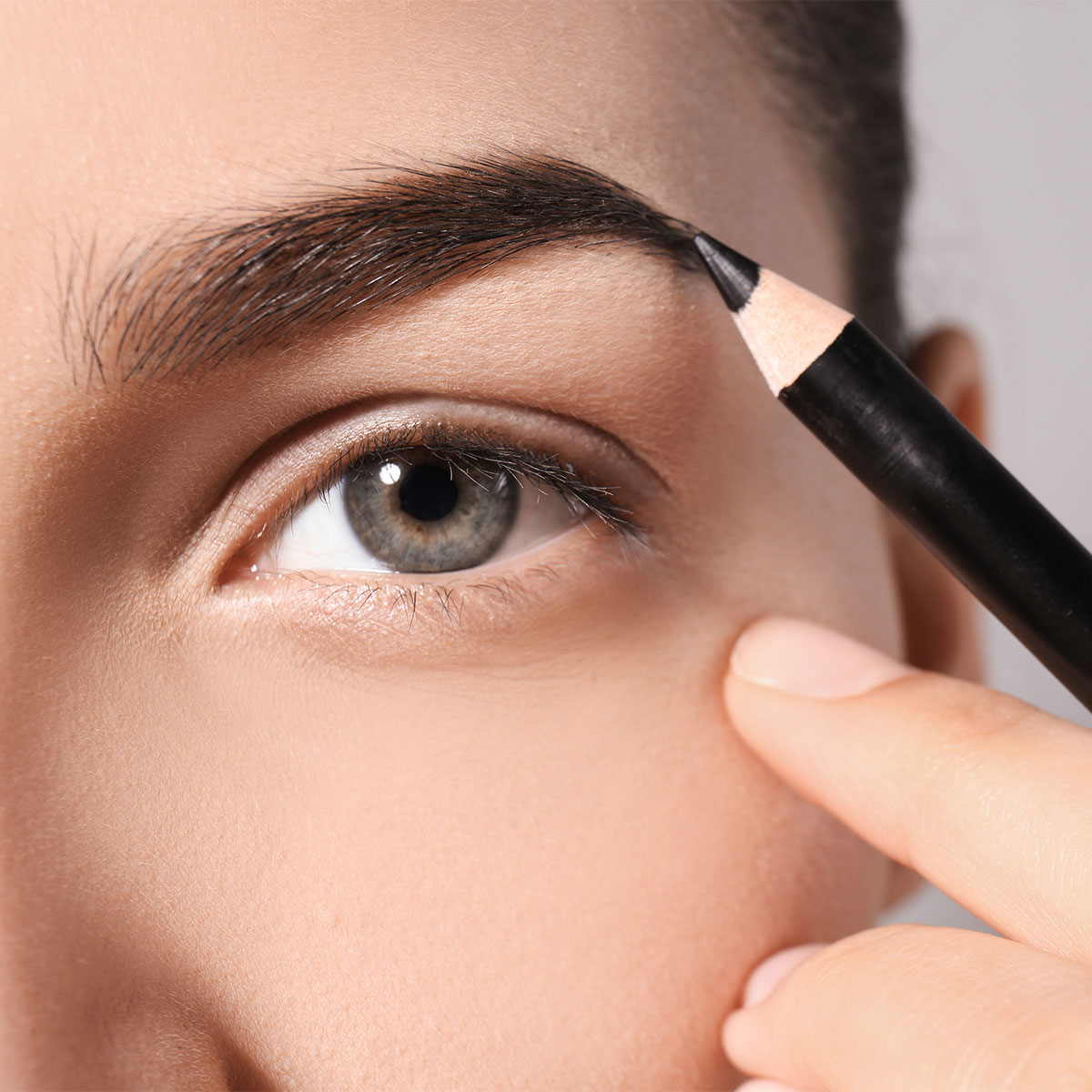
An eyebrow pencil is not the only way to define brows. Each product gives a different level of control and coverage.
| Product | Main use | Best for | Main limitation |
|---|---|---|---|
| Eyebrow pencil | Filling gaps and drawing shape | Control and quick touch-ups | Can look harsh if overused |
| Brow powder | Soft color | A diffused, natural finish | Less precise for small gaps |
| Brow pomade | Strong color and structure | Bold or highly defined brows | Requires careful blending |
| Brow gel | Holding hairs | Brows that lose their shape | Usually adds little coverage |
| Brow pen | Fine hair-like marks | A drawn-hair effect | Can look too sharp with heavy pressure |
| Brow tint | Longer-lasting color on hair | Low-maintenance color | May not fill bare skin gaps |
For many beginners, a pencil is the simplest place to start. It offers more control than powder and is easier to adjust than pomade.

Common Eyebrow Pencil Mistakes
Small technique changes can make the result look much more natural.
Drawing one continuous line
A single long line often looks flat and artificial. Use short strokes that vary slightly in length.
Making the inner brow too dark
A dark, square inner brow can make the face look severe. Keep this area light and blend it well.
Choosing a color that is too dark
Dark pigment can overpower the rest of the face. When in doubt, start with a softer shade and build slowly.
Pressing too hard
Heavy pressure deposits more product and makes the strokes less natural. Hold the pencil lightly.
Making both brows exactly the same
Natural brows are not perfectly identical. Aim for visual balance rather than exact duplication.
Extending the brow too far
A tail that is too long can pull the appearance of the eye downward. Follow the natural direction and stop before the shape looks forced.
Skipping the spoolie
A spoolie blends the pigment and removes excess product. It is one of the simplest ways to soften a pencil application.
Sharpening with an unsuitable sharpener
A dull or dirty sharpener can break the pencil and collect bacteria. Use a clean sharpener designed for cosmetic pencils, and replace it if it becomes difficult to clean.

Eyebrow Pencil Safety and Removal
Eyebrow pencils are used close to the eyes, so basic cosmetic safety matters.
The U.S. Food and Drug Administration advises consumers to keep eye cosmetics clean, avoid sharing them, and stop using them if irritation occurs. The FDA also recommends replacing eye cosmetics that become contaminated and avoiding products that cause an adverse reaction. See the FDA guidance on eye cosmetic safety.
Follow these precautions:
- Do not use a pencil on broken, infected, or irritated skin.
- Do not share brow pencils or sharpeners.
- Keep the cap closed when the pencil is not in use.
- Wash your hands before applying makeup.
- Do not add water or saliva to change the texture.
- Stop use if you develop redness, swelling, itching, pain, or burning.
- Seek medical care for severe swelling, vision changes, or persistent eye pain.
- Remove brow makeup before sleeping.
- Use a gentle makeup remover and avoid rubbing the skin hard.
A pencil should not cause permanent brow growth, brow loss, or a change in your natural hair pattern. If your brows are suddenly thinning, falling out in patches, or changing with other symptoms, speak with a qualified health professional rather than trying to cover the change with makeup.
Key Takeaways
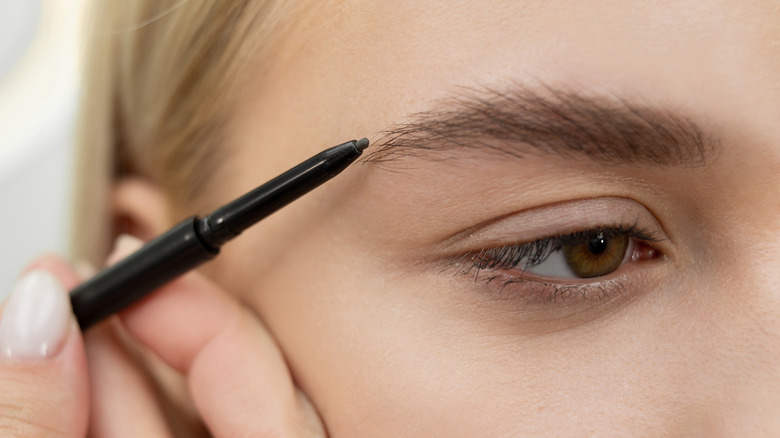
- An eyebrow pencil adds temporary color, shape, and fullness.
- It can fill gaps, define edges, extend the tail, and improve visual balance.
- Short, light strokes usually look more natural than one solid line.
- Choose a shade that matches your brow color and undertone.
- Blend with a spoolie, especially near the front of the brow.
- Do not use eye-area makeup on irritated skin or share it with others.
- Remove the pencil before bed and stop using it if irritation develops.
Frequently Asked Questions
Can an eyebrow pencil make brows grow?
No. An eyebrow pencil only creates the appearance of fuller brows. It does not stimulate hair growth or repair damaged follicles.
Should an eyebrow pencil be lighter or darker than your hair?
It depends on your natural brow color and the look you want. A shade close to the brow hairs usually looks natural. A slightly softer shade can work well when the pencil is used to fill gaps.
Can I use an eyeliner pencil on my eyebrows?
It is better to use a product made for eyebrows. Eyeliner may be too soft, dark, or creamy and can create a heavy result. Check the product label and use cosmetics only as directed.
How long does eyebrow pencil last?
It usually lasts until you remove it. Wear time can change with sweat, oil, humidity, rubbing, and the product formula.
How do I keep eyebrow pencil from smudging?
Start with clean, dry skin. Use light layers, brush through the brows, and add a brow gel if you need more hold. Avoid applying heavy skin care or oil directly over the brow area before makeup.
Can I use eyebrow pencil on very thin brows?
Yes. Use small strokes to suggest individual hairs, then blend the color. If the brow has large bare areas, powder, pomade, or a brow pen may provide more coverage.
Conclusion
An eyebrow pencil is used to fill sparse areas, add color, define the brow shape, and make the eyebrows look more balanced. It gives temporary results and does not change natural hair growth.
For the most natural finish, choose a suitable shade, work with light strokes, keep the inner brow soft, and blend with a spoolie. If your brows change suddenly or your skin reacts to the product, stop using the makeup and seek appropriate medical advice.
