
Cleanse gently, add rich moisture, detangle with care, and protect your curls from friction, heat, and dryness.
Learning how to take care of my curly hair became much easier once I stopped treating curls like straight hair. Curly strands bend and twist, so natural oils do not travel down the hair shaft as easily. This can lead to dryness, frizz, breakage, and uneven curl patterns. The right routine does not need to be costly or complex. It needs to match your curl type, porosity, scalp needs, and daily habits.

Understand What Your Curly Hair Needs
Before building a routine, look at how your hair behaves. Curl type can offer clues, but it does not tell the whole story. Two people with 3B curls may need very different products because one has fine, low-porosity hair while the other has thick, high-porosity hair.
Curl patterns are often grouped into four types:
• Type 2: Wavy hair with loose bends or an “S” shape
• Type 3: Curly hair with springy loops or ringlets
• Type 4: Coily hair with tight curls, coils, or zigzag shapes
Each type can be fine, medium, or thick. Your hair may also have more than one curl pattern. This is normal. The goal is not to force every strand into one shape. The goal is to keep your hair healthy, soft, and easy to manage.
Hair porosity also matters. It describes how easily your hair absorbs and holds water. Low-porosity hair may resist moisture at first, while high-porosity hair may absorb water quickly but lose it just as fast.
Signs of low-porosity hair may include:
• Products sitting on top of the hair
• Hair taking a long time to become fully wet
• Buildup after using rich creams or oils
Signs of high-porosity hair may include:
• Fast drying after washing
• Frequent frizz and tangles
• Hair that feels dry soon after conditioning
Learning how to take care of my curly hair starts with observing these details instead of copying another person’s routine. Your hair gives you useful feedback. If it feels coated, use less product. If it feels rough, add more water and moisture.

Build a Simple Curly Hair Routine
A good curly hair routine usually has five steps: cleansing, conditioning, detangling, styling, and drying. You can adjust the frequency based on your scalp and lifestyle.
Step 1: Cleanse your scalp
Shampoo is not the enemy of curly hair. A clean scalp supports healthy hair growth and helps prevent excess oil, flakes, and product buildup. Apply shampoo mainly to the scalp, then let the foam rinse through the lengths.
Choose a gentle shampoo if your hair is dry or fragile. You may need a stronger clarifying shampoo when your hair feels waxy, dull, heavy, or difficult to style. Clarify occasionally rather than every wash, since frequent use may leave curls dry.
The American Academy of Dermatology recommends choosing hair care products based on your hair type and treating the scalp with care. This is especially important if you have dandruff, itching, redness, or ongoing shedding.
Step 2: Condition generously
Curly hair often benefits from more conditioner than straight hair. Apply it from the mid-lengths to the ends. If your scalp is dry, a small amount may be used near the roots, but avoid heavy layers that can cause buildup.
Let the conditioner sit for a few minutes. Then detangle your hair while it is slippery and wet. This helps reduce pulling and breakage.
Step 3: Detangle with patience
Use your fingers or a wide-tooth comb. Start at the ends and slowly work upward. If a knot resists, add more conditioner or water instead of forcing the comb through it.
Never rush through detangling before work, school, or an event. That is when many people pull too hard and create damage. Learning how to take care of my curly hair taught me that patience is part of the product.
Step 4: Apply styling products to wet hair
Curly hair usually forms its best pattern when it is very wet. After rinsing, apply a leave-in conditioner, curl cream, gel, or mousse while your hair still has plenty of water.
Use a small amount first. You can add more, but removing too much product is difficult without washing. Smooth the product over sections, then scrunch upward to encourage the curl shape.
Step 5: Dry without rough handling
Do not rub curly hair with a regular bath towel. Rough fibers can lift the cuticle and increase frizz. Instead, gently squeeze out water with a cotton T-shirt or a microfiber towel.
You can air-dry your hair or use a diffuser on low heat and low air pressure. Hold the diffuser near the curls instead of constantly moving it through the hair. Once the hair is fully dry, gently squeeze the curls to soften any firm gel cast.
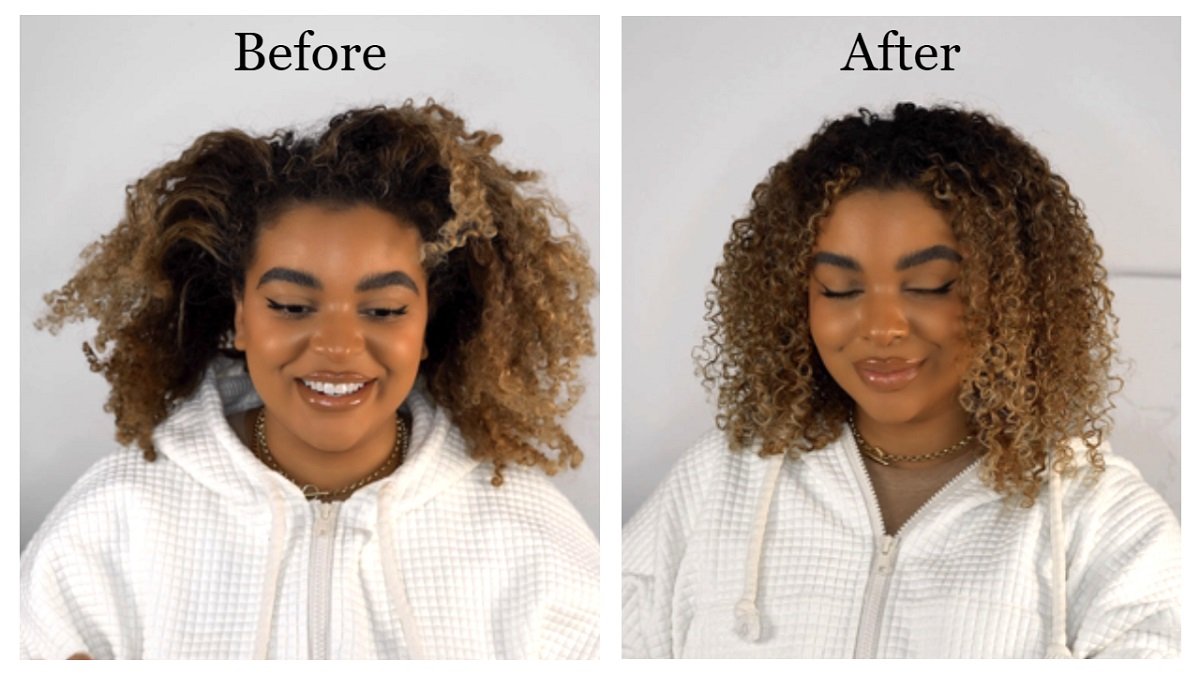
Wash Curly Hair Without Causing Dryness
How often you wash your hair depends on your scalp, activity level, climate, and product use. Some people wash every few days. Others need to wash once a week or more often.
A dry scalp does not always mean you should stop shampooing. Sweat, oil, dead skin, and styling products can still collect on the scalp. If your scalp feels itchy or greasy, washing less may not solve the problem.
Follow these washing tips:
• Wet your hair fully before applying shampoo
• Massage the scalp with your fingertips, not your nails
• Rinse well to remove cleanser and buildup
• Apply conditioner to the lengths and ends
• Avoid very hot water, which can increase dryness
• Use a clarifying shampoo when regular products no longer rinse clean
Co-washing, or cleansing with conditioner, may work for some people with very dry curls. However, conditioner-only washing may not remove enough oil or buildup for every scalp. If your hair feels heavy, dull, or greasy, return to a gentle shampoo.
Hard water can also affect curly hair. Minerals such as calcium and magnesium may leave hair dull or rough. A shower filter or occasional chelating treatment may help, but use special treatments carefully and follow the product directions.

Keep Curly Hair Moisturized
Moisture comes mainly from water, not oil. Oils can help reduce friction and slow moisture loss, but they do not hydrate dry hair by themselves. Apply moisturizing products to damp or wet hair for better results.
A simple moisture routine may include:
• A hydrating shampoo
• A rinse-out conditioner
• A lightweight leave-in conditioner
• A curl cream for softness
• A gel or mousse for hold
Look for ingredients such as glycerin, aloe, panthenol, fatty alcohols, and plant oils. Fatty alcohols, such as cetyl alcohol and stearyl alcohol, are not the same as drying alcohols. They can make conditioners feel smooth and rich.
Protein can help weak or overly stretchy hair. However, too much protein may make some curls feel stiff or brittle. If your hair becomes rough after protein treatments, pause them and focus on moisture.
A useful balance is to rotate between moisture and strengthening care. Healthy hair needs both flexibility and structure. Think of moisture as softness and protein as support.
Learning how to take care of my curly hair also means accepting that products work differently in different climates. Humid weather may cause frizz, while dry winter air may leave curls thirsty. Adjust product weight and styling hold as the seasons change.

Reduce Frizz and Define Your Curls
Frizz is not always a sign of damage. It can come from humidity, new growth, uneven curl patterns, dryness, friction, or natural texture. A small amount of frizz is normal, especially in tightly textured hair.
To improve curl definition:
- Style in small sections.
- Apply products while hair is wet.
- Use prayer-hand motions to smooth the hair.
- Scrunch from the ends toward the roots.
- Avoid touching the hair while it dries.
- Add a small amount of serum after drying if needed.
Gel often provides stronger hold than cream. Mousse can give volume and lighter definition. Curl cream may offer softness but less lasting hold. You may use more than one product, but layer them in small amounts.
If your curls look flat at the roots, lift the roots with clips while your hair dries. You can also diffuse upside down for more volume. Avoid pulling the hair straight while applying products, unless you prefer a stretched style.
A common mistake is using too much oil to control frizz. Heavy oil can make curls limp and may create buildup. Try a small amount on dry ends instead of coating the entire head.

Protect Curly Hair While Sleeping
Night care can make a major difference. Cotton pillowcases may create friction and absorb moisture from the hair. Satin or silk pillowcases usually create less friction, although the exact benefit depends on the fabric and how you use it.
Try these nighttime methods:
• Place your curls in a loose high ponytail, often called a pineapple
• Wear a satin or silk bonnet
• Use a satin pillowcase
• Avoid tight hair ties and tight braids
• Sleep with hair fully dry
Do not pull curls tightly into a ponytail. Tight styles can cause tension around the hairline and may contribute to traction hair loss over time. Choose a soft scrunchie and keep the style loose.
If your hair becomes flat overnight, refresh it with water and a small amount of leave-in conditioner or mousse. Do not soak the entire head unless it needs a full restyle.
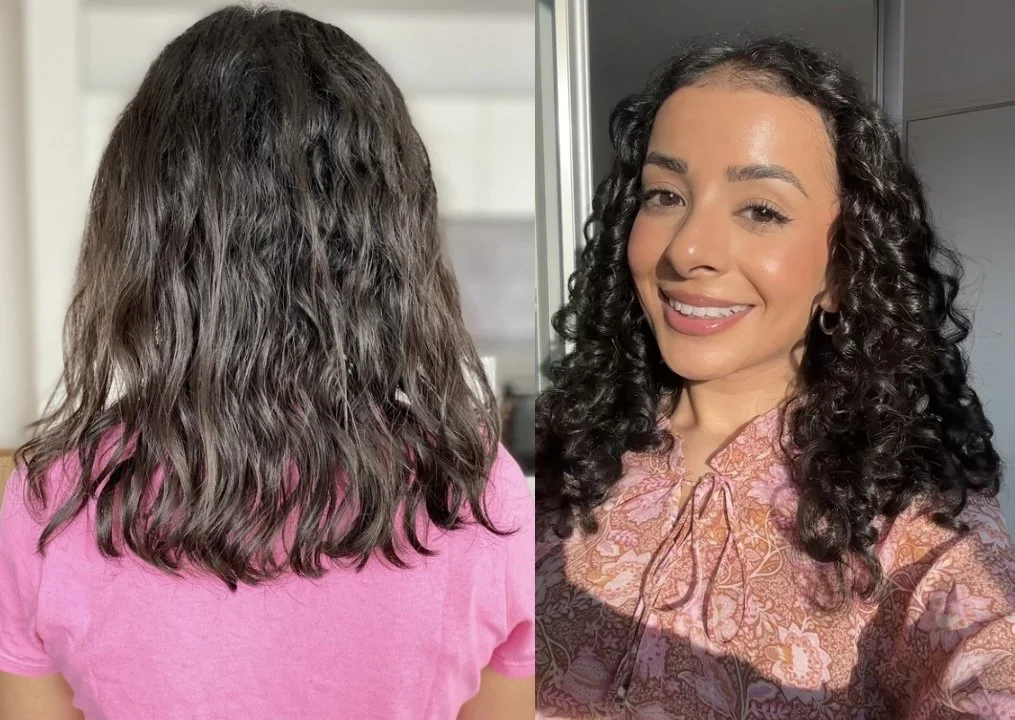
Prevent Breakage and Heat Damage
Curly hair is often more prone to breakage because its bends create weaker points along the strand. This does not mean curls are fragile beyond repair. It means they need careful handling.
Protect your hair by:
• Detangling only when it has enough slip
• Avoiding repeated dry brushing
• Limiting tight hairstyles
• Trimming split ends when needed
• Using heat protection before hot tools
• Keeping flat irons and curling irons at moderate temperatures
• Taking breaks from chemical treatments
Heat damage can change the curl pattern. Hair may become straight, rough, or unable to spring back. A heat protectant can reduce risk, but it cannot make high heat harmless.
If you diffuse often, use low or medium heat and keep the dryer moving. If you straighten your hair, make sure it is fully dry first. Never use a flat iron on damp hair.
Sun, chlorine, and salt water can also dry the hair. Rinse your hair with fresh water before swimming. Wear a swim cap when possible, and cleanse or condition your hair after swimming.

Choose Products for Your Hair Type
The best curly hair products are not always the most expensive. Focus on how the formula behaves on your hair.
Fine curls often need light products:
• Lightweight leave-in sprays
• Mousse
• Light gels
• Small amounts of curl cream
Thick or coarse curls may prefer richer care:
• Creamy conditioners
• Leave-in creams
• Rich curl butters
• Strong-hold gels
Low-porosity hair may need lighter layers and occasional warmth during deep conditioning. High-porosity hair may benefit from richer conditioners, leave-in products, and a final styling layer that helps slow moisture loss.
Read the ingredient list, but do not judge a product by one ingredient alone. Silicone, sulfates, oils, and fragrance can each affect people differently. Some silicones help reduce friction and improve shine, while some people prefer to avoid them. Sulfate cleansers can be useful for removing buildup, but they may feel too drying for certain hair types.
Patch-test new products on a small area of skin if you have sensitive skin or allergies. Stop using a product if it causes burning, swelling, rash, or severe itching. Persistent scalp symptoms deserve advice from a dermatologist.

Common Curly Hair Mistakes to Avoid
Many curly hair problems come from small habits rather than one bad product. Changing one habit at a time makes it easier to see what helps.
Avoid these common mistakes:
• Brushing curls dry without a reason
• Washing only the lengths and ignoring the scalp
• Using a heavy product on fine hair
• Applying too many products at once
• Touching curls while they dry
• Sleeping with wet hair every night
• Using a rough towel
• Skipping heat protection
• Pulling through knots
• Assuming frizz means your hair is unhealthy
I once saw how quickly a routine could go wrong by adding several new products in one week. The hair looked coated, the curls lost shape, and it became impossible to know which product caused the issue. A better approach is to change one product or habit, then watch your hair for two or three wash days.
That simple process is one of the most useful lessons in how to take care of my curly hair. Your routine should be a small experiment, not a daily battle.
Create a Weekly and Monthly Hair Schedule
You do not need a complicated calendar. A basic schedule can help you stay consistent.
On wash day
• Cleanse the scalp
• Condition and detangle
• Apply styling products
• Dry gently
• Check how your hair feels once fully dry
Between wash days
• Refresh with water or a light spray
• Smooth a small amount of product over dry areas
• Protect your hair at night
• Avoid adding layers if the hair feels coated
Every few weeks
• Clarify if you have buildup
• Use a deep conditioner if your hair feels dry
• Consider a strengthening treatment if hair feels weak
• Check the ends for splits and roughness
Your schedule may change during travel, exercise, seasonal weather, or major life events. Curly hair care should support your life. It should not make every morning stressful.
When to Seek Professional Help
Some concerns need more than a product change. See a dermatologist or qualified hair professional if you notice sudden shedding, bald patches, painful scalp bumps, severe itching, thick scale, or a major change in your curl pattern.
A stylist who understands textured hair can help with shape, length, detangling, and product selection. Ask how they handle shrinkage, dry cutting, protective styles, and heat use before booking an appointment.
Be careful with strong claims about miracle growth products or permanent curl repair. Hair fiber cannot be medically repaired once it is severely damaged. Products can smooth and protect it, but healthy growth also depends on scalp health, nutrition, hormones, genetics, and overall health.
Frequently Asked Questions About How to Take Care of My Curly Hair
How often should I wash my curly hair?
Wash your hair when your scalp feels oily, itchy, sweaty, or coated with buildup. Many people with curly hair wash every few days to once a week, but your scalp needs should guide the schedule.
Should I brush curly hair?
You can brush curly hair when it is wet and covered with conditioner or detangler. Avoid brushing it dry unless you are intentionally creating a stretched or brushed style, because dry brushing can increase frizz and breakage.
What is the best way to sleep with curly hair?
Place your curls in a loose high ponytail, wear a satin bonnet, or use a satin pillowcase. Keep the style loose to avoid tension and make sure the hair is dry before sleeping.
Why is my curly hair always frizzy?
Frizz can result from dryness, humidity, friction, product buildup, or natural new growth. Apply products to wet hair, avoid rough towels, reduce touching while drying, and use enough hold to keep the curl pattern together.
Is gel bad for curly hair?
Gel is not bad for curly hair. It can reduce frizz and help curls last longer. If it forms a firm cast, let the hair dry fully and gently scrunch it to soften the finish.
How can I make my curls more defined?
Start with very wet hair, apply a small amount of curl product in sections, and scrunch upward. Let the curls dry without touching them, then gently separate them once fully dry.
Can I use oil on curly hair?
You can use a small amount of oil to reduce friction, add shine, or soften dry ends. Oil does not replace water-based moisture, and too much may weigh down curls or cause buildup.
Conclusion
Healthy curls need gentle cleansing, regular conditioning, careful detangling, smart styling, and protection from friction and heat. The most effective way to take care of my curly hair is to watch how my hair responds and adjust the routine slowly.
Start with one simple change this week. Wash your scalp well, condition generously, style on wet hair, and protect your curls while you sleep. Keep learning about your texture, share your results in the comments, and explore more trusted curly hair care resources as your routine grows.
