
Cool your skin, avoid triggers, and use prescribed treatment to calm a rosacea flush safely.
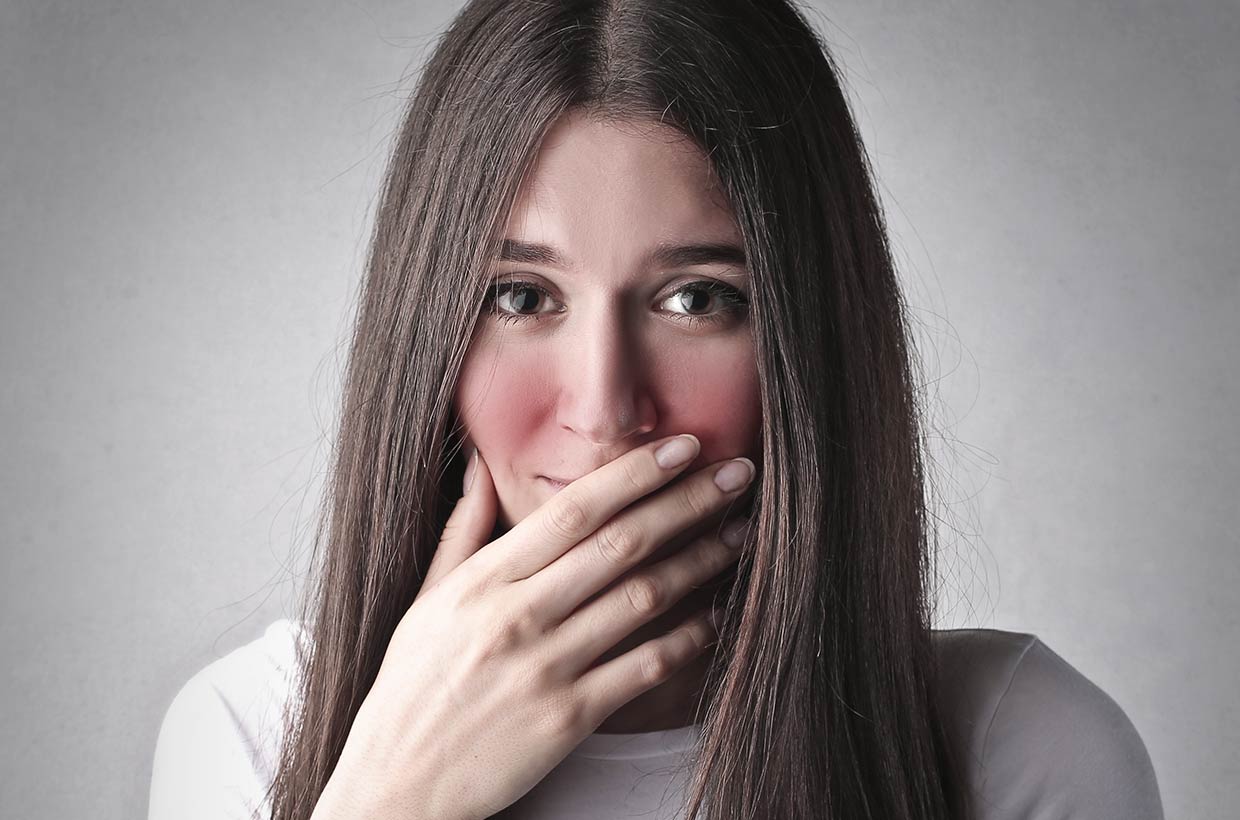
A rosacea flush can feel sudden, hot, and hard to hide. The redness may start after a warm drink, stress, sunlight, exercise, or a spicy meal, then spread across the cheeks, nose, chin, or forehead. Knowing how to stop a rosacea flush starts with calming the skin without adding more irritation.
As a practical guide, I’ll explain what to do during a flare, which habits help prevent future episodes, and when medical treatment may be needed. The goal is not to “fight” your skin, but to lower heat and irritation like turning down a sensitive thermostat.

What causes a rosacea flush?
A rosacea flush happens when small blood vessels near the skin surface widen. More blood reaches the skin, which can cause warmth, redness, stinging, or burning. Some people also develop bumps, visible blood vessels, dry skin, or eye symptoms.
Rosacea is a long-term skin condition. It often comes and goes, and each person may have different triggers. A flush does not always mean that your skincare routine is wrong. It may reflect a mix of sensitive skin, blood vessel changes, inflammation, weather, hormones, and daily habits.
Common rosacea flushing triggers include:
• Sunlight and ultraviolet exposure
• Hot weather or sudden temperature changes
• Hot coffee, tea, soup, or other drinks
• Alcohol, especially red wine
• Spicy foods
• Hot showers, saunas, and heated rooms
• Intense exercise
• Stress, embarrassment, or anger
• Strong wind or cold air
• Harsh skin care products
• Certain medicines or topical steroids
A useful lesson from dermatology care is that triggers are often personal. One person may flush after wine, while another reacts more strongly to heat or stress. A simple symptom diary can help you spot your own pattern.

How to stop a rosacea flush quickly
When a flush begins, act gently. Scrubbing, rubbing, or applying many products at once can make the redness last longer.
Follow these steps:
- Move to a cooler place
Step away from direct sun, a hot kitchen, a crowded room, or strong indoor heat. Sit near a fan or in a shaded area, but avoid placing your face directly in icy air.
- Cool your skin carefully
Place a cool, damp cloth on your cheeks for several minutes. You can repeat this as needed. The cloth should feel cool, not painfully cold.
- Sip cool water
Small sips may help you feel more comfortable, especially after exercise or heat exposure. Avoid very cold drinks if they trigger tooth pain or discomfort.
- Stop the trigger
If you are eating spicy food, drinking alcohol, or using a new product, stop for now. Do not try to “push through” the flush.
- Use a bland moisturizer
Apply a gentle, fragrance-free moisturizer if your skin feels tight or dry. Choose a cream or lotion made for sensitive skin. Avoid products with menthol, camphor, fragrance, or strong acids during a flare.
- Protect your skin from the sun
If you must go outside, use a broad-spectrum, water-resistant sunscreen with SPF 30 or higher. Mineral filters such as zinc oxide or titanium dioxide may feel more comfortable for some people with sensitive skin.
- Rest and slow your breathing
Stress can worsen flushing for some people. Try slow breathing, such as inhaling for four seconds and exhaling for six seconds, for a few minutes.
These steps may reduce discomfort, but they cannot always stop a rosacea flush at once. Rosacea is not like a light switch. For many people, the redness fades slowly over minutes or hours.

What not to do during a rosacea flare
Some popular home remedies can irritate the skin and make a flush worse. The biggest mistake is using extreme methods because the redness feels urgent.
Avoid these approaches:
• Do not apply ice directly to your skin.
• Do not use rubbing alcohol, witch hazel, or lemon juice.
• Do not scrub with a brush or rough washcloth.
• Do not apply toothpaste or baking soda.
• Do not use strong exfoliants during a flare.
• Do not take someone else’s prescription medicine.
• Do not use topical steroid cream unless a clinician prescribed it for your skin.
Ice may seem like a fast answer, but extreme cold can irritate sensitive blood vessels. The same is true of very hot water. Gentle cooling is safer than a sudden temperature shock.
Another common mistake is layering several “calming” products. Even products sold for redness can contain fragrance, botanical extracts, or active ingredients that sting. When your face is burning, simple is usually better.
How prescription treatment can help
If flushing happens often, lasts a long time, or affects your confidence, speak with a dermatologist or primary care clinician. Treatment depends on the type of rosacea and your main symptoms.
A clinician may consider:
• Brimonidine gel or oxymetazoline cream for temporary reduction of persistent facial redness
• Azelaic acid for inflammatory bumps and redness
• Metronidazole for certain inflammatory rosacea symptoms
• Ivermectin cream when mites and inflammation may contribute to bumps
• Low-dose doxycycline for inflammatory lesions
• Laser or intense pulsed light treatment for visible blood vessels or persistent redness
Prescription creams do not work in the same way for every person. Some redness-reducing medicines can cause rebound redness or worsening in certain users. Start only with professional guidance, and follow the prescribed amount.
Tell your clinician if you have eye pain, gritty eyes, swollen eyelids, blurred vision, or light sensitivity. Ocular rosacea can affect the eyes and may need specific treatment.
A dermatologist can also check whether another condition is causing facial redness. Seborrheic dermatitis, lupus, contact dermatitis, acne, and medication reactions can sometimes look similar.

How to prevent future rosacea flushing
The best long-term approach combines trigger control, gentle skin care, and medical treatment when needed. You do not need to avoid everything that ever caused redness. Instead, look for repeat patterns and reduce the strongest triggers first.
Build a simple skin care routine
Use lukewarm water and your fingertips to wash your face. Pat dry with a soft towel instead of rubbing.
A basic routine may include:
• A gentle, fragrance-free cleanser
• A moisturizer for sensitive skin
• Broad-spectrum SPF 30 or higher each morning
• A prescribed rosacea treatment, if recommended
Test new products on a small area before applying them to your whole face. Wait several days if your skin is very reactive.
Manage heat and exercise
Exercise is healthy, but heat can trigger flushing. Try lower-intensity activity, exercise in a cool room, and take short breaks. Carry water and use a cool towel on your neck or face.
You may tolerate swimming, walking, strength training, or indoor exercise better than hot yoga or long-distance running in warm weather. The right plan is personal.
Adjust food and drinks
You do not need to follow a strict “rosacea diet” unless a clinician recommends one. Keep a food and symptom log for two to four weeks.
Look for patterns involving:
• Spicy sauces and peppers
• Hot beverages
• Alcohol
• Foods that cause flushing or sweating
Let hot drinks cool before drinking them. If alcohol is a clear trigger, limiting or avoiding it may help prevent a rosacea flush.
Protect your face from weather
Sun protection is one of the most important steps. Use a hat, sunglasses, shade, and sunscreen. In cold or windy weather, cover your face with a soft scarf and apply moisturizer before going outdoors.
Weather changes can be hard to avoid, but planning helps. Keep a small kit with sunscreen, moisturizer, water, and a clean cool cloth in your bag or car.

Keep a rosacea trigger diary
A trigger diary can turn guesswork into useful information. Write down what happened before each episode and how long the redness lasted.
Record details such as:
• Time and date
• Food and drinks
• Weather and room temperature
• Exercise
• Stress level
• Skin products
• Menstrual or hormonal changes
• Medicines
• Duration and severity of the flush
After a few weeks, review the notes. You may find that one factor rarely causes a problem alone, but several factors together do. For example, a hot day, a spicy meal, and alcohol may create a stronger reaction than any one trigger by itself.
This approach is more practical than banning many foods at once. It also gives your clinician clear information during an appointment.

When facial flushing needs medical attention
Most rosacea flushing is not an emergency. However, sudden facial redness can sometimes occur with an allergic reaction, infection, medication reaction, or another health problem.
Seek urgent medical care if flushing occurs with:
• Trouble breathing
• Swelling of the lips, tongue, or throat
• Fainting or severe dizziness
• Chest pain
• Confusion
• A rapidly spreading rash
• High fever
• Severe eye pain or vision changes
Arrange a routine medical visit if facial flushing is new, frequent, painful, or getting worse. You should also seek advice if redness continues between episodes or if you develop pus-filled bumps, thickened skin, or eye symptoms.
A clinician can help confirm whether you have rosacea and rule out other causes. This matters because the right treatment for rosacea may not help another skin condition.

Can lifestyle changes really reduce flushing?
Yes, lifestyle changes can reduce the number or intensity of episodes for many people, but they are not a guaranteed cure. Rosacea is influenced by several factors, so improvement often comes from combining small changes.
Helpful habits may include:
• Wearing sunscreen every day
• Keeping showers warm rather than hot
• Cooling down gradually after exercise
• Limiting known food and drink triggers
• Choosing fragrance-free skin care
• Managing stress with breathing, walking, or counseling
• Sleeping well and treating other health concerns
Be cautious of products that promise to cure rosacea permanently. At present, rosacea can usually be managed rather than cured. Treatments may control symptoms, but maintenance is often needed.
The most effective plan is usually the one you can follow consistently. A perfect routine used for one week is less useful than a simple routine used every day.

Frequently Asked Questions About How to Stop a Rosacea Flush
What is the fastest way to stop a rosacea flush?
Move to a cool place, use a cool damp cloth, stop the trigger, and apply a bland moisturizer if needed. Avoid direct ice, hot water, rubbing, and strong skin products.
Does drinking water stop rosacea flushing?
Water can help you stay hydrated, especially after heat or exercise, but it does not directly cure rosacea flushing. Cool or room-temperature water may feel more comfortable than very hot drinks.
Should I put ice on a rosacea flush?
Do not place ice directly on your face. Use a cool, damp cloth instead because extreme cold may irritate sensitive skin and worsen discomfort.
Can sunscreen prevent a rosacea flush?
Daily broad-spectrum sunscreen can reduce sun-triggered flushing and help prevent further irritation. Choose SPF 30 or higher and select a fragrance-free formula that your skin tolerates.
Does stress cause rosacea flushing?
Stress can trigger or worsen flushing in some people. Slow breathing, regular exercise, counseling, mindfulness, and enough sleep may help reduce stress-related episodes.
Can a dermatologist stop rosacea flushing?
A dermatologist may reduce flushing with prescription creams, oral medicine, laser treatment, or intense pulsed light therapy. The best option depends on whether you have temporary flushing, persistent redness, visible vessels, bumps, or eye symptoms.
How long does a rosacea flush last?
A flush may last from several minutes to a few hours. If redness persists, happens often, or becomes more severe, arrange a medical evaluation.
Conclusion
Learning how to stop a rosacea flush begins with gentle cooling, removing the trigger, and protecting your skin from heat and sunlight. Avoid harsh home remedies, keep your skin care routine simple, and track patterns that may reveal personal triggers.
If flushing is frequent or difficult to control, professional treatment can make a meaningful difference. Start with one practical change today, record what happens, and speak with a qualified clinician for a tailored plan. Share your experience with a trusted health professional or explore reliable rosacea resources to keep improving your routine.
