
Treat oily combination skin by balancing oil, adding light moisture, protecting the skin barrier, and avoiding harsh products.
Learning how to treat oily combination skin starts with seeing it as two skin needs at once. Your T-zone may look shiny and develop clogged pores, while your cheeks feel dry, tight, or sensitive. The right plan does not strip all oil away. It brings the skin back into balance with gentle cleansing, smart hydration, daily sunscreen, and targeted care.
What is oily combination skin?
Oily combination skin has both oily and dry areas. Most people notice extra oil on the forehead, nose, and chin, known as the T-zone. The cheeks, jaw, or area around the mouth may feel normal, dry, or flaky.
This skin type can change with the weather, stress, hormones, age, and product use. For example, cold air may make the cheeks dry, while summer heat can increase shine across the face.
Knowing your skin pattern is the first step in learning how to treat oily combination skin. You do not need one strong product for your whole face. You need a routine that treats each area with care.

Why does oily combination skin happen?
Oil comes from sebaceous glands located in the skin. These glands make sebum, a natural oil that helps protect the skin. When they make too much sebum in some areas, the T-zone may look greasy or feel slick.
The dry parts of the face may have less oil, more water loss, or a weakened skin barrier. Sometimes, the skin only feels dry because a cleanser or acne product has removed too much oil.
Common causes and triggers include:
- Genetics, which often determine how active your oil glands are
- Hormonal changes during puberty, menstruation, pregnancy, or times of stress
- Hot and humid weather
- Cold, dry air
- Overwashing or scrubbing
- Strong acne treatments
- Heavy makeup or pore-clogging products
- Poorly fitting skin care products
- Dehydration of the outer skin layer
A key lesson in how to treat oily combination skin is to separate oiliness from dehydration. Oily skin can still lack water. When the skin feels dry after cleansing, it may produce more oil or become irritated.

How to treat oily combination skin: a simple daily routine
A good routine should be easy enough to follow every day. Start with a few useful products rather than buying a full shelf of new formulas.
Morning routine
1. Cleanse gently
Use a mild, fragrance-free cleanser with lukewarm water. Massage it over the face for about 30 seconds, then rinse well.
If your cheeks feel tight after washing, your cleanser may be too strong. If your face is very oily in the morning, a gentle foaming cleanser may work better than a creamy one.
You do not need to scrub hard. Clean skin should feel fresh, not squeaky.
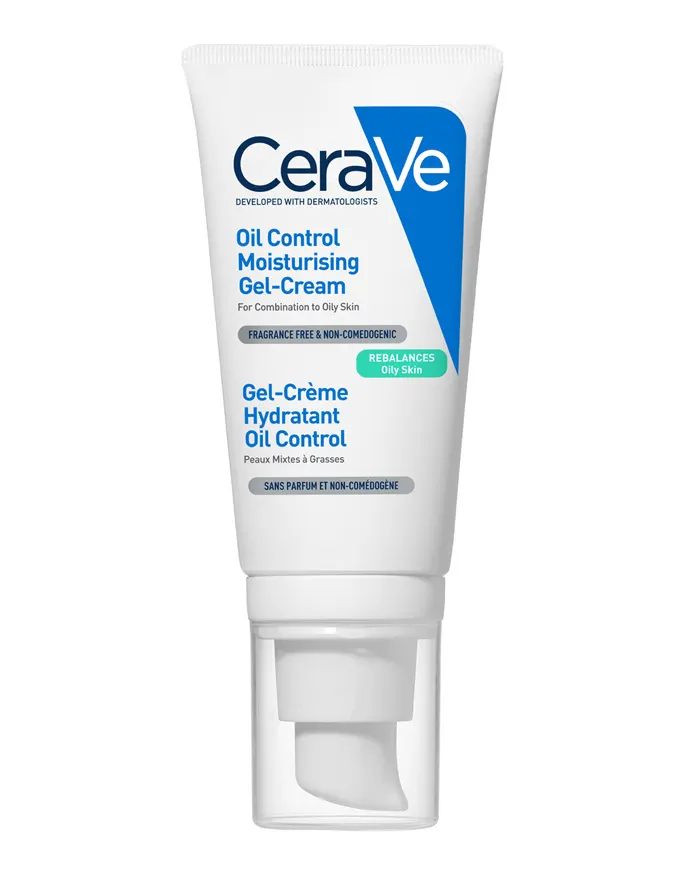
2. Add a lightweight moisturizer
Apply a moisturizer while the skin is slightly damp. Look for words such as:
- Oil-free
- Noncomedogenic
- Lightweight
- Gel cream
- Fragrance-free
Use a little more moisturizer on dry cheeks and less on the oily T-zone. This simple adjustment is one of the most useful parts of how to treat oily combination skin.
3. Apply sunscreen
Use broad-spectrum SPF 30 or higher every morning. Choose a light lotion, gel, or fluid if thick sunscreen makes your face shiny.
Sunscreen helps protect against sunburn, dark marks, uneven tone, and premature skin aging. Apply enough to cover your face, neck, ears, and other exposed areas. Reapply when you spend time outdoors, sweat, or swim.
Night routine
1. Remove makeup and sunscreen
If you wear makeup or water-resistant sunscreen, remove it before cleansing. A gentle cleansing balm, micellar water, or oil cleanser can help loosen these products.
Follow with a mild water-based cleanser if needed. Avoid rubbing the skin with cotton pads or towels.
2. Use one targeted treatment
Choose a treatment based on your main concern. Do not start several active ingredients at the same time.
Options may include:
- Salicylic acid for clogged pores and blackheads
- Azelaic acid for blemishes and uneven skin tone
- Adapalene for acne, when appropriate and used as directed
- Niacinamide for oil control and barrier support
- Benzoyl peroxide for inflamed acne
Apply treatment mainly where you need it. For example, salicylic acid may suit the T-zone, while a plain moisturizer may be enough for dry cheeks.
3. Moisturize again
Nighttime is when the skin can recover from daily stress. Use a light moisturizer across the face. Add a slightly richer layer to dry areas if needed.
When learning how to treat oily combination skin, remember that moisturizer is not the enemy. The right moisturizer can reduce irritation and make strong acne products easier to tolerate.

Best ingredients for oily combination skin
The best ingredients depend on your skin goals. Start slowly, and give each product time to work.
Salicylic acid
Salicylic acid is a beta hydroxy acid that can move into oily pores. It helps loosen dead skin cells and may reduce blackheads and small bumps.
A low-strength cleanser or leave-on product can be a good starting point. Use it a few times per week at first. Too much may cause dryness, peeling, or burning, especially on the cheeks.
Niacinamide
Niacinamide is a form of vitamin B3. It may support the skin barrier, reduce the look of enlarged pores, and help manage excess oil.
A lower concentration is often enough. More is not always better. If a niacinamide serum stings or causes bumps, stop using it and simplify your routine.
Azelaic acid
Azelaic acid can help with acne, redness, and dark marks left after blemishes. It is often useful for people who cannot tolerate stronger exfoliants.
Use it as directed and introduce it slowly. Mild tingling can happen, but strong burning or swelling is a reason to stop.
Retinoids
Retinoids, including adapalene, can help prevent clogged pores and treat acne. They work gradually and may cause dryness or irritation at first.
Start with a small amount two or three nights per week. Apply moisturizer before or after the retinoid if your skin is sensitive. Do not use retinoids during pregnancy unless your health professional says they are safe.
Ceramides and glycerin
Ceramides help support the skin barrier. Glycerin attracts water to the outer skin layer. Both can hydrate dry areas without making the face feel heavy.
These ingredients are especially helpful when acne treatments leave the cheeks tight or flaky.
Hyaluronic acid
Hyaluronic acid can help the skin hold water. It works best when followed by a moisturizer, which helps reduce water loss.
It is not a cure for oiliness. Think of it as a water-support ingredient, not an oil-control treatment.

How to treat oily combination skin without drying it out
Many people make oily skin worse by trying to remove every trace of oil. Harsh care can damage the skin barrier, which is the outer layer that helps keep moisture in and irritants out.
When the barrier becomes stressed, you may notice:
- Tightness after cleansing
- Stinging when products are applied
- Redness
- Flaking
- More sensitivity
- Breakouts that seem harder to control
To protect the barrier, follow these steps:
- Wash your face no more than twice a day unless a health professional advises otherwise.
- Use lukewarm water instead of hot water.
- Skip rough scrubs, cleansing brushes, and abrasive cloths.
- Moisturize after cleansing.
- Add only one active product at a time.
- Take a break from exfoliants when your skin burns or peels.
- Avoid products that contain a lot of fragrance if your skin is sensitive.
A useful way to understand how to treat oily combination skin is to think of your face like a garden. Removing every bit of moisture does not create healthier soil. Gentle care creates better conditions for balance.

Should you use different products on different areas?
Yes, area-based skin care can work well for combination skin. You do not have to apply every product evenly across your face.
You might use:
- A gentle cleanser everywhere
- A lightweight moisturizer everywhere
- A richer moisturizer on dry cheeks
- Salicylic acid on the nose and forehead
- A spot treatment only on active pimples
- A soothing serum on areas that feel irritated
This method is sometimes called multi-masking or zone care. It can help you avoid treating dry skin like oily skin.
However, keep the routine simple. Applying many products in small zones can still cause irritation. If your entire face feels dry or reactive, focus on barrier repair before adding acne treatments.

How to treat oily combination skin with acne and clogged pores
Oil, dead skin cells, bacteria, and inflammation can contribute to acne. Combination skin may develop blackheads on the nose, small bumps on the forehead, and inflamed spots around the chin.
Try this acne-friendly plan:
- Cleanse gently morning and night.
- Use salicylic acid a few times each week for clogged pores.
- Consider benzoyl peroxide for red, inflamed pimples.
- Use a noncomedogenic moisturizer.
- Wear sunscreen to help reduce lingering dark marks.
- Do not squeeze or pick spots.
- Wash pillowcases often if hair products or sweat transfer to your face.
- Keep hair oils and heavy styling products away from the forehead.
If you use benzoyl peroxide, begin with a low strength and use it only as directed. It can dry the skin and bleach fabrics, including towels and pillowcases.
Adapalene is another evidence-based option for acne. It may take several weeks to show clear improvement. Early dryness does not mean the product is failing, but severe irritation means you should reduce use or seek professional advice.

Common mistakes to avoid
Knowing what not to do can make how to treat oily combination skin much easier.
Washing too often
Repeated washing may remove protective oils and leave the skin tight. It can also make you feel trapped in a cycle of washing, dryness, and more visible shine.
Using alcohol-heavy toners
Some toners contain drying alcohols that can sting and weaken the skin barrier. A hydrating, alcohol-free toner is optional, not essential.
Skipping moisturizer
Skipping moisturizer may leave dry areas rough and make acne treatments harder to use. Choose a light formula instead of avoiding moisturizer altogether.
Exfoliating every day
Daily acids, scrubs, and peeling products can irritate combination skin. Most people do not need several exfoliating products.
Changing products too quickly
Skin needs time to respond. Switching products every few days makes it hard to know what works and may cause irritation.
Using pore strips often
Pore strips may remove surface material for a short time, but they do not solve the cause of clogged pores. Frequent use may irritate the skin.
Picking at pimples
Picking can increase inflammation and raise the risk of dark marks or scars. A small pimple often heals faster when left alone.

How long does it take to see results?
Skin care results take time. A gentle routine may make the skin feel more comfortable within one to two weeks. Oil control, clogged pores, and acne often need several weeks of steady care.
Keep a simple record of your routine. Note new products, irritation, breakouts, and changes in weather or stress. This can reveal patterns that are easy to miss day by day.
Do not judge a product after one use unless it causes a clear reaction. A burning sensation, swelling, hives, or intense itching is not a normal adjustment period. Stop the product and seek medical advice if symptoms are severe.
Lifestyle tips that may support balanced skin
Skin care products matter, but daily habits can also affect comfort and breakouts.
Helpful habits include:
- Wash after heavy sweating.
- Change pillowcases regularly.
- Clean makeup brushes often.
- Choose makeup labeled noncomedogenic.
- Remove makeup before bed.
- Keep hands away from your face.
- Avoid smoking.
- Sleep well when possible.
- Manage stress with movement, rest, or time outdoors.
- Eat a varied diet rather than following extreme skin care diets.
Food affects people differently. Some research links high-glycemic diets and certain dairy patterns with acne in some people, but diet is not the only cause. Do not remove major food groups without guidance from a qualified health professional.
Hydration is also important for general health, but drinking extra water alone will not cure oily skin. Think of hydration as part of a healthy routine, not a replacement for skin care.
When to see a dermatologist
A dermatologist can help when over-the-counter care is not enough. Professional advice is especially useful for painful, deep, or widespread acne.
Make an appointment if:
- Acne lasts for several months despite consistent care.
- You have painful cysts or nodules.
- You see scars or deep marks forming.
- Breakouts affect your mood or confidence.
- Your skin burns, swells, or peels often.
- You cannot tell whether you have acne, rosacea, eczema, or another condition.
- A new product causes a strong allergic reaction.
A dermatologist may suggest prescription retinoids, antibiotics, hormonal treatment, or other options. Treatment depends on your skin, medical history, age, and pregnancy status.
It is also important to check claims about “natural” remedies. Tea tree oil, lemon juice, baking soda, and undiluted essential oils can irritate the skin. Natural does not always mean gentle or safe.
A practical seven-day starter plan
If your current routine feels confusing, start over with the basics.
Days one and two
Use a gentle cleanser, lightweight moisturizer, and sunscreen. At night, cleanse and moisturize again. Do not add exfoliants yet.
Days three and four
Continue the basic routine. Check how your cheeks and T-zone feel. If your skin is tight, use more moisturizer on dry areas.
Days five and six
If your skin feels calm, add one targeted product. Salicylic acid may suit clogged pores, while azelaic acid may suit acne and dark marks.
Day seven
Review your skin. Look for burning, redness, peeling, or new bumps. If your skin feels comfortable, continue the same routine for several weeks before making another change.
This slow approach helps you learn how to treat oily combination skin without overwhelming your barrier.
Frequently Asked Questions About How to Treat Oily Combination Skin
How often should I wash oily combination skin?
Wash your face once in the morning and once at night with a gentle cleanser. You may also cleanse after heavy sweating, but avoid repeated washing that leaves your skin tight.
Is moisturizer necessary for oily combination skin?
Yes. Moisturizer helps support the skin barrier and can reduce dryness from acne treatments. Choose a light, noncomedogenic formula and apply more to dry areas if needed.
What is the best facial cleanser for oily combination skin?
A gentle cleanser that removes sweat and excess oil without stinging is usually best. Choose a mild foaming cleanser for a very oily T-zone or a cream cleanser if your cheeks feel dry.
Can I use salicylic acid on combination skin?
Yes, salicylic acid may help clogged pores and blackheads. Start two or three times per week and apply it mainly to oily areas to reduce the risk of dryness.
How do I reduce shine without drying my face?
Use a gentle cleanser, lightweight moisturizer, and a sunscreen made for oily or combination skin. Blotting papers can remove surface shine during the day without repeated washing.
Is niacinamide good for oily combination skin?
Niacinamide may help support the skin barrier and reduce the appearance of excess oil. Start with a simple, lower-strength product and stop if it causes irritation.
How long does it take to treat oily combination skin?
Comfort may improve within a few weeks, but acne and clogged pores often need longer. Use the same routine consistently for several weeks unless you develop burning, swelling, or severe irritation.
Conclusion
The best way to treat oily combination skin is to balance, not punish, it. Cleanse gently, moisturize dry areas, use targeted ingredients on oily zones, and apply sunscreen every morning. Avoid harsh scrubbing, frequent product changes, and the belief that oily skin does not need moisture.
Start with a simple routine and make one change at a time. Your skin does not need perfection; it needs steady, thoughtful care. Try these steps for several weeks, track what helps, and consult a dermatologist if acne or irritation continues.
