
Lip tints add lasting color to the lips. Unlike traditional lipstick, which sits on top of the skin as a creamy or waxy layer, a lip tint often leaves a thin stain behind. The result is a softer, lighter look that may remain after some of the product wears away.
For people in the United States, lip tints are sold as cosmetic products. The U.S. Food and Drug Administration (FDA) regulates cosmetics, including the safety of color additives used in them. However, the FDA does not approve most cosmetics before they reach stores, so shoppers still need to check the ingredients, directions, and product claims.

What is a lip tint?
A lip tint is a lip-color product made to give the lips a sheer wash of color. It may come as a liquid, gel, balm, oil, marker-style pen, cream, or mousse.
Many tints use colorants that cling to the outer layer of the lips. Some formulas also contain oils, waxes, humectants, or film-forming ingredients. These added ingredients change how the tint feels and how long it lasts.
A tint is not the same as a lip balm. A balm mainly helps reduce dryness and protect the lips from moisture loss. A tint mainly adds color. Some products do both, but the label and ingredients tell you which job the formula is designed to perform.
Lip tint vs. lipstick
Lipstick usually gives more opaque color. It often contains a higher level of waxes, oils, and pigments. Lip tint tends to feel lighter and show more of the natural lip color.
Here is the basic difference:
| Product | Main purpose | Typical finish | Color strength | Wear pattern |
|---|---|---|---|---|
| Lip tint | Add a light stain | Natural, sheer, or glossy | Light to medium | Fades gradually |
| Lipstick | Add strong, even color | Cream, satin, matte, or glossy | Medium to full | May fade, transfer, or leave a line |
| Lip balm | Soften and protect lips | Clear or lightly tinted | None to light | Wears away fairly quickly |
| Lip gloss | Add shine and some color | Wet or glossy | Sheer to medium | Often transfers easily |
| Lip oil | Add shine and comfort | Glossy | Sheer | Usually wears away sooner than a stain |
A lip tint can be useful when you want color without the heavier feel of a full lipstick. It may also work well for a “just-bitten” look, though the final shade depends on your natural lip color and the product’s formula.

What does a lip tint do to your lips?
A lip tint mainly deposits color and can make the lips look more even and defined. It does not permanently change the natural color of your lips.
It adds a stain-like color
Many lip tints leave color on the outer surface of the lips. The shade may remain after the shine or moisture in the formula has faded.
The stain may look different on each person. Natural lip color, dryness, skin tone, and the product’s pH-reactive ingredients can affect the final result. A tint that looks red in the tube may appear pink, berry, coral, or brown on different lips.
It can last longer than gloss or balm
A stain often lasts longer than a clear balm or gloss because some color remains after the surface layer wears away. Still, no lip tint lasts forever.
Eating oily foods, drinking from a cup, wiping your mouth, licking your lips, and applying lip balm over the tint can reduce wear time. A tint may also fade unevenly if the lips are very dry.
It can make lips look more defined
A soft color around the lip line can make the lips appear more noticeable. This effect comes from contrast, not from physical enlargement.
Lip tint does not make the lips permanently fuller. A product may create a temporary tingling or swelling effect only if it contains separate plumping ingredients. Those products are different from basic lip stains and may irritate sensitive skin.
It may provide a comfortable, light feel
Many people choose tints because they feel less heavy than traditional lipstick. Water-based formulas may feel light at first. Oil- or balm-based tints may feel smoother and more comfortable on dry lips.
The trade-off is that a lightweight formula may not give the same moisture or protection as a rich lip balm.

Do lip tints moisturize your lips?
Some lip tints moisturize. Others do not. The word “tint” describes the color function, not the level of hydration.
A moisturizing tint may contain ingredients such as:
- Petrolatum or mineral oil
- Plant oils
- Shea butter
- Squalane
- Glycerin
- Hyaluronic acid
- Waxes
- Dimethicone
Humectants, such as glycerin, help attract water to the outer skin. Occlusive ingredients, such as petrolatum, help slow water loss. Oils and waxes can improve slip and make the product feel smoother.
A watery stain with alcohol or other fast-drying ingredients may feel less comfortable on cracked lips. If your lips are dry, apply a plain lip balm first and let it settle. Then use a small amount of tint.
Do not assume that a tinted product has sun protection. Look for a stated SPF value and sunscreen active ingredients on the Drug Facts panel. A red, pink, or berry color does not protect lips from ultraviolet radiation.
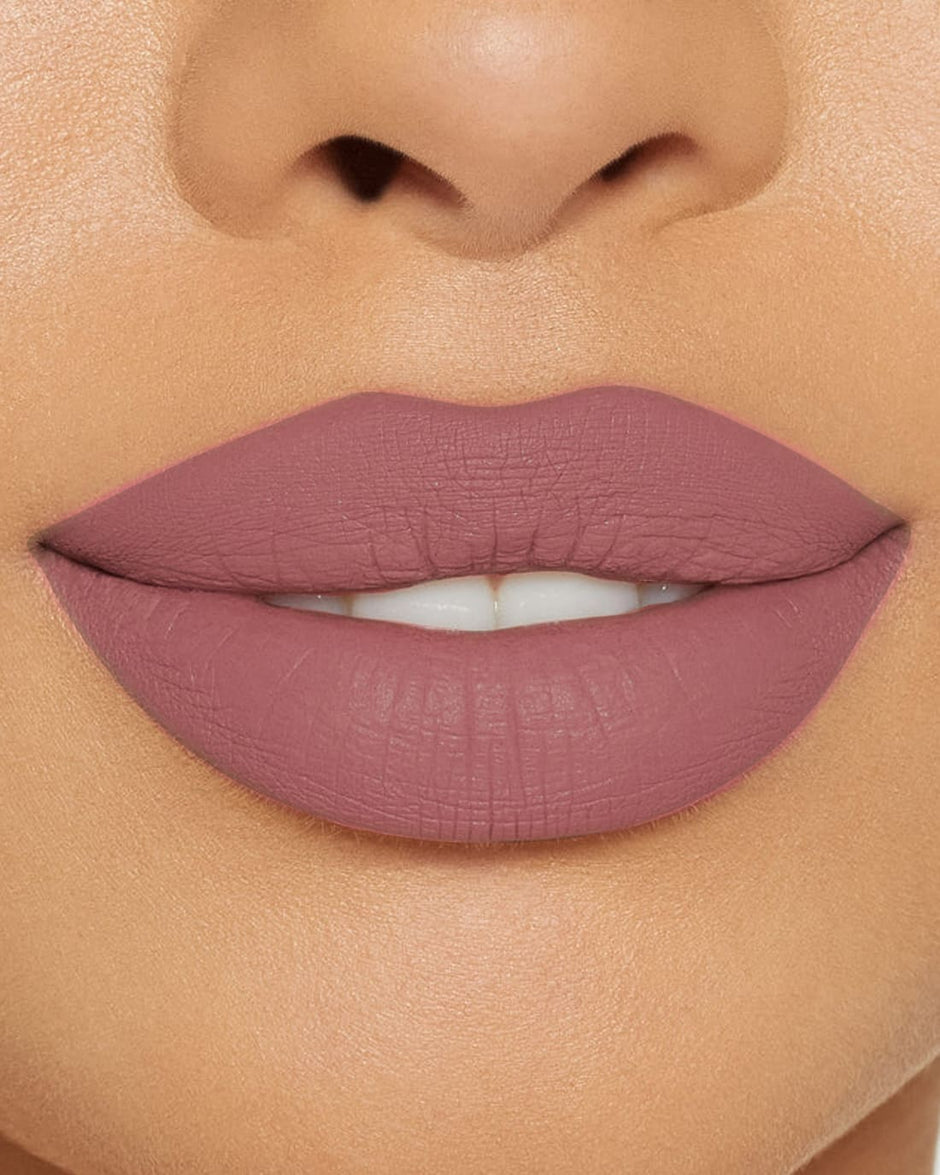
How do you apply a lip tint?
The best method depends on the formula, but these steps work for most liquid and gel tints.
- Start with clean lips. Remove old makeup, food, and excess balm.
- Check for cracks or irritation. Do not apply a tint to bleeding, severely cracked, or inflamed skin.
- Use a thin layer. Begin with less product than you think you need.
- Apply from the center outward. Blend toward the edges before the tint sets.
- Add another layer if needed. Let the first layer dry before building color.
- Clean the edges. Use a cotton swab or a small amount of makeup remover.
- Add balm or gloss last. This can improve comfort but may soften the stain.
For a subtle look, tap the tint onto the center of the lips and press your lips together. For stronger color, outline the lips with the applicator or use a lip brush.
How to avoid patchy lip tint
Patchiness usually comes from dry skin, too much product, or slow blending. Gently smooth the lips with a damp washcloth before application. Avoid harsh scrubs, especially if your lips are already sore.
Apply the tint in small sections. If one side dries before the other, the color may set unevenly. A balm applied afterward can soften the look, but it will not always remove a dark patch.

How long does lip tint last?
A lip tint may last for several hours, but wear time varies widely by formula and use. Product labels often use broad claims such as “long-wearing” or “all-day.” These claims do not mean the color will remain unchanged through meals, drinks, and lip wiping.
Wear time tends to be longer when:
- The lips are clean and dry before application.
- The formula contains film-forming ingredients.
- You apply a thin, even layer.
- You avoid oily foods and frequent lip rubbing.
- You do not layer a thick balm over the stain.
Wear time tends to be shorter when:
- The lips are very dry or flaky.
- You eat greasy foods.
- You drink often.
- You use an oil-based cleanser.
- You apply gloss or balm several times.
A tint may leave a faint ring or darker area near the inner lip as it fades. Removing the product fully before bed can help prevent leftover color from building up in dry patches.

Are lip tints safe?
Most lip tints are safe when used as directed, but any cosmetic can cause irritation or an allergic reaction. The FDA advises consumers to stop using a cosmetic if it causes a rash, redness, burning, swelling, or other unexpected reaction.
Common problems include:
- Dryness
- Stinging
- Peeling
- Redness around the lips
- Itching
- Swelling
- Contact dermatitis, which is a skin reaction caused by irritation or allergy
Fragrance, flavor, preservatives, dyes, and botanical extracts can trigger problems in sensitive users. “Natural” does not automatically mean gentle.
Do not share lip tints. Sharing can spread germs, especially when the applicator touches the mouth. Keep the container closed and follow the product’s storage instructions. Do not add water or other liquids to change the formula.
Stop using the product if your lips burn, swell, blister, or become painful. Seek medical care promptly for trouble breathing, major swelling, or signs of a serious allergic reaction. If a rash keeps returning, a dermatologist or other qualified health professional can help identify the cause.
Should you patch-test a lip tint?
A small test may help, but it cannot guarantee that a product will not irritate your lips. You can apply a tiny amount to an area of skin, such as the inner forearm, and watch for a reaction over the next day or two. Lip skin may react differently from arm skin.
If you have a history of cosmetic allergies, eczema, or repeated lip irritation, ask a dermatologist for personal advice. Do not test a product on an open cut or an active cold sore.

Does lip tint dry out your lips?
A lip tint can dry out the lips, but this depends on the formula and the condition of your skin. Fast-drying stains may contain solvents or a high level of volatile ingredients. Matte or long-wear formulas may also feel tight after several hours.
Dryness is more likely when you:
- Apply tint to already flaky lips
- Reapply without removing old product
- Use a formula with fragrance or flavor that irritates you
- Remove the tint by rubbing hard
- Wear the product for long periods without comfort care
If your lips feel tight, remove the tint gently and use a plain, fragrance-free lip balm. Petrolatum-based products can help protect very dry lips. Avoid peeling the skin or using a rough scrub.
If dryness, cracks, or sores continue after you stop the product, the tint may not be the only cause. Weather, lip licking, medication, dehydration, and skin conditions can also affect the lips.

How do you remove lip tint?
Use a gentle oil-based cleanser, micellar product made for makeup removal, or a soft cleansing balm. Hold the damp cotton pad on the lips for a few seconds. Then wipe without scrubbing.
If color remains, repeat the process instead of rubbing harder. Finish with a plain lip balm. Harsh rubbing can create small cracks and make the lips feel more sore.
Avoid using household solvents or products that are not made for skin. Do not use a strong exfoliant to remove a stain from irritated lips.

Lip tint benefits and limits
Lip tint may suit you if you want:
- Sheer or buildable color
- A lighter feel than lipstick
- A natural-looking finish
- Color that lasts beyond a balm or gloss
- A simple product for casual makeup
A tint may not suit you if you need:
- Full coverage
- A very precise matte lip
- Strong moisture for severely dry lips
- Guaranteed transfer-proof color
- Built-in sun protection without an SPF label
The main benefit is a soft color that can remain after the surface product fades. The main limit is that stains can apply unevenly and may emphasize dry areas.
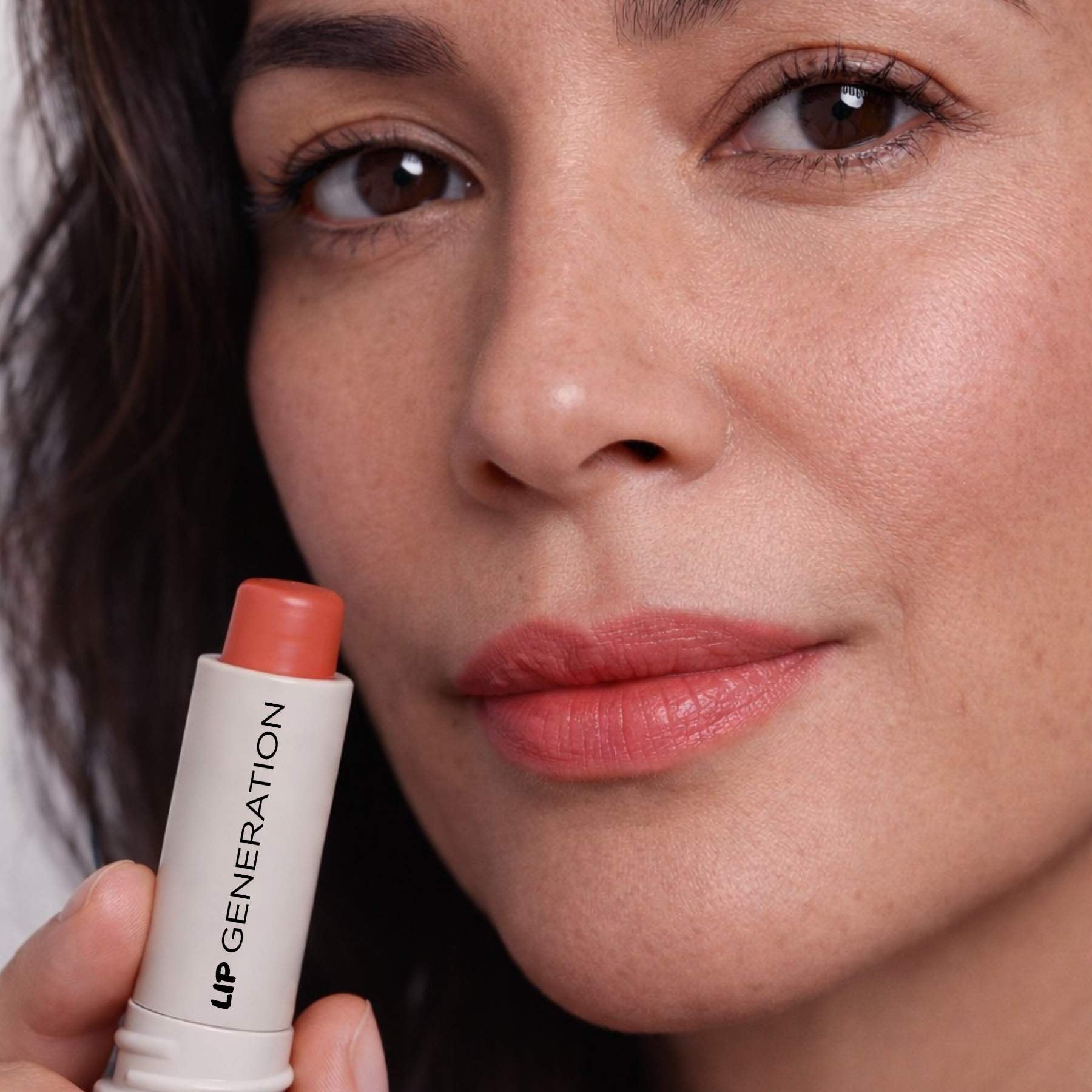
Common lip tint mistakes
Applying too much at once
A thin layer is easier to blend. Thick layers can dry before you spread them and may leave dark spots.
Using tint on peeling lips
Color can collect around flakes and cracks. Treat the dryness first.
Assuming “long-lasting” means waterproof
Water, oil, food, and rubbing can all change the result. Check the product’s directions rather than relying on the claim alone.
Confusing tingling with better results
A tingling sensation may come from an irritating or plumping ingredient. It is not proof that the tint is working better.
Ignoring the ingredient list
If you react to fragrance, flavor, or certain preservatives, check the full ingredient list. Stop using a product that causes a reaction.
Forgetting sun protection
Tinted color does not equal SPF. Use a lip product labeled with an SPF value when sun protection is a goal.

Frequently asked questions
Does lip tint replace lipstick?
Not always. Lip tint gives a lighter, more translucent result. Lipstick is usually better when you want strong, even coverage or a specific finish.
Can you use lip tint every day?
Many people can use a lip tint daily if it does not cause dryness or irritation. Remove it at the end of the day and stop using it if your lips become sore, swollen, or cracked.
Can lip tint make lips look bigger?
It can make lips look more defined through color and contrast. A basic tint does not increase lip volume. A plumping product may create temporary swelling or tingling, but that is a separate product effect.
Is lip tint better than lip gloss?
Neither is better for everyone. Tint usually offers more lasting color. Gloss gives more shine but often transfers and wears away sooner.
Can you put lip tint on dry lips?
You can, but the result may look uneven and the product may feel uncomfortable. Apply a gentle balm first, or choose a tint with moisturizing ingredients.
Key takeaways
- Lip tint adds a light stain or wash of color to the lips.
- It usually feels lighter than lipstick and may last longer than balm or gloss.
- It does not permanently change lip color or make lips physically fuller.
- Some tints moisturize, but others may increase dryness.
- SPF should be listed on the product; color alone does not protect against the sun.
- Apply a thin layer to smooth, healthy lips and stop using the product if irritation occurs.
Conclusion
Lip tints give the lips soft, lasting color with less coverage than most lipsticks. They can create a natural look, but the result depends on the formula, your natural lip color, and the condition of your lips.
Choose a tint with moisturizing ingredients if your lips are dry. Apply it in thin layers, remove it gently, and do not assume that every tint is hydrating, plumping, waterproof, or sun-protective. A simple ingredient check can help you find a product that feels as good as it looks.
