
Vascular rosacea often improves with trigger control, gentle skin care, and dermatologist-guided laser or prescription treatment.
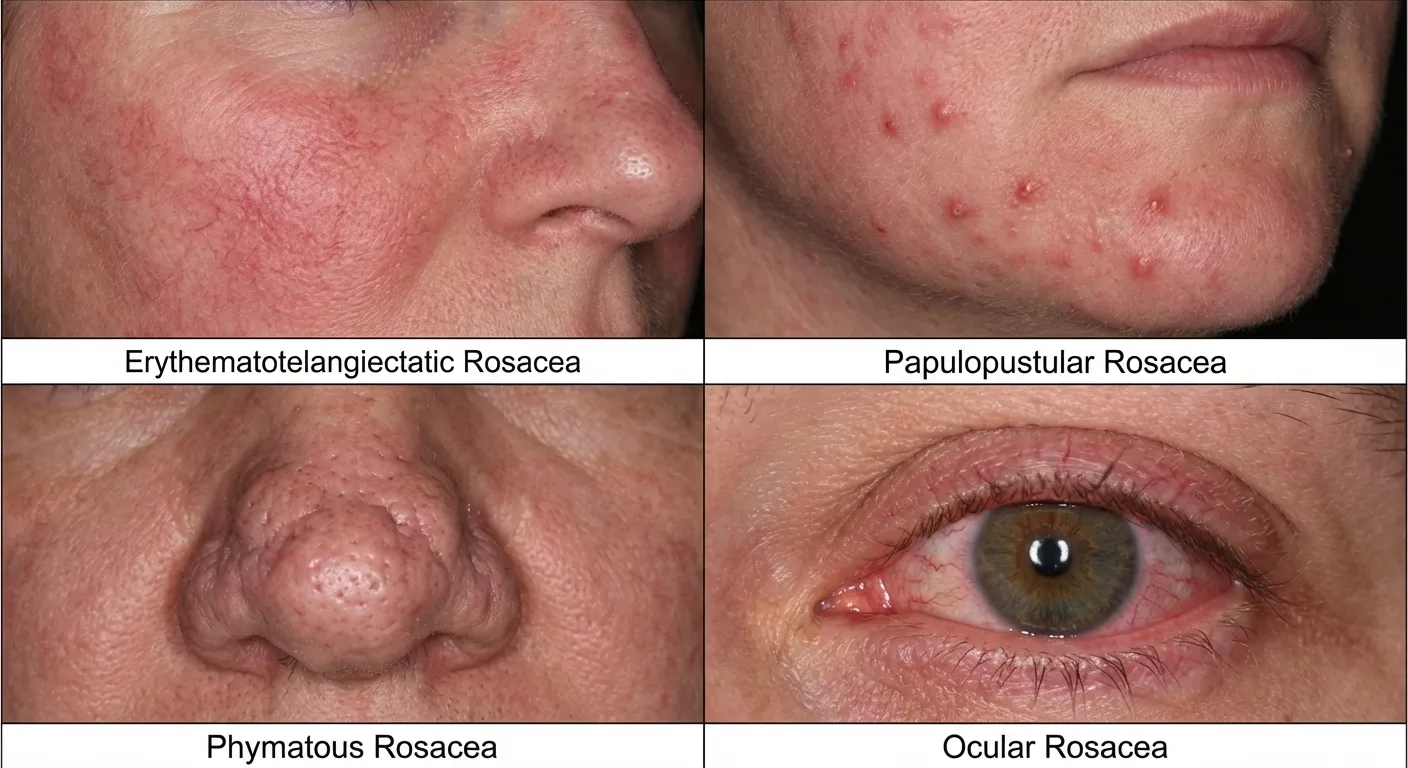
Vascular rosacea, also called erythematotelangiectatic rosacea, can cause ongoing facial redness, flushing, visible blood vessels, and a burning or stinging feeling. It may look like a permanent blush, but the right plan can calm the skin and reduce its appearance.
The key is to treat the problem from two angles: protect the skin barrier every day and use proven medical treatments when needed. This guide explains how to get rid of vascular rosacea safely, what results to expect, and which common mistakes may make redness worse.

What Is Vascular Rosacea?
Vascular rosacea is a common form of rosacea that mainly affects the small blood vessels in the face. It often appears on the cheeks, nose, chin, and forehead. At first, redness may come and go. Over time, it can last longer and become easier to trigger.
Many people also notice:
• Frequent flushing
• Visible tiny blood vessels, called telangiectasia
• Warmth, burning, or stinging
• Skin that reacts to products more easily
• Redness after exercise, heat, alcohol, or spicy food
Vascular rosacea is not the same as acne, an allergy, or a simple sunburn. It is a long-term inflammatory skin condition. Although there is no guaranteed permanent cure, treatment can keep it under strong control.
Understanding this difference matters. A harsh acne cream may dry the skin and increase redness. A strong exfoliant may also damage the skin barrier, much like scrubbing an already irritated surface.

What Causes Vascular Rosacea?
The exact cause of rosacea is not fully understood. Research points to a mix of genetic, immune, nerve, blood vessel, and skin barrier factors. Some people also have a higher sensitivity to heat, sunlight, or changes in facial blood flow.
Common triggers include:
• Sun exposure
• Hot weather or hot drinks
• Cold wind
• Spicy foods
• Alcohol, especially red wine
• Hot showers and saunas
• Intense exercise
• Emotional stress
• Irritating skin care products
• Sudden temperature changes
Triggers do not cause rosacea in every person. One person may flush after coffee, while another may notice redness after a hot workout. Keeping a simple symptom diary can help you identify your own pattern.
A practical lesson from dermatology care is that trigger control works best when it is personal. You do not need to avoid every food or activity on a long list. Focus on the triggers that repeatedly affect your skin.

How to Get Rid of Vascular Rosacea Step by Step
Learning how to get rid of vascular rosacea starts with a steady routine. Skin usually responds better to calm, regular care than to frequent product changes.
1. Use a gentle cleanser
Wash your face with lukewarm water and a mild, fragrance-free cleanser. Use your fingertips instead of a rough cloth, cleansing brush, or facial scrub.
Cleanse once at night and again in the morning if you need it. If your skin feels tight after washing, the cleanser may be too harsh or the water may be too hot.
2. Apply a plain moisturizer
A moisturizer helps repair and protect the skin barrier. Look for products made for sensitive skin. Helpful ingredients may include ceramides, glycerin, squalane, or hyaluronic acid.
Apply moisturizer while the skin is slightly damp. This helps hold water in the outer skin layer and may reduce stinging.
3. Wear sunscreen every day
Sunlight is one of the most common rosacea triggers. Use a broad-spectrum sunscreen with SPF 30 or higher every morning, even on cloudy days.
Mineral sunscreens with zinc oxide or titanium dioxide may feel more comfortable for very sensitive skin. Tinted formulas can also help hide redness while protecting against ultraviolet and some visible light.
Reapply when outdoors, sweating, or swimming. Add a wide-brimmed hat and seek shade during strong midday sun.
4. Track your triggers
Write down what happened before a flare. Include food, drinks, weather, exercise, stress, products, and sleep.
After two to four weeks, look for repeated links. This approach is more useful than cutting out many foods at once and feeling unsure about what helped.
5. Treat the skin gently after a flare
During a flare, simplify your routine. Use a gentle cleanser, moisturizer, and sunscreen. Pause new products, exfoliating acids, retinoids, scrubs, and fragranced products until the skin feels calm.
This step is often overlooked. Trying several “redness cures” at once can make it hard to know what is helping and may worsen irritation.

Medical Treatments for Vascular Rosacea
If daily care does not control your symptoms, a dermatologist can recommend treatment based on your main concern. This is an important part of learning how to get rid of vascular rosacea because persistent redness and visible vessels may need medical therapy.
Prescription creams and gels
Some prescription medicines can temporarily narrow facial blood vessels and reduce persistent redness. Examples include brimonidine gel and oxymetazoline cream.
These products may work within hours, but they do not remove visible blood vessels permanently. Some people experience rebound redness or irritation, so follow the prescribed instructions carefully.
Treatment for inflammation
If you also have bumps or pustules, your dermatologist may prescribe medicines such as azelaic acid, ivermectin, metronidazole, or a short course of another anti-inflammatory treatment.
These medicines mainly target inflammatory rosacea. They may not erase established spider veins or long-standing visible vessels.
Vascular laser treatment
Laser treatment is one of the most effective options for visible blood vessels and persistent redness. Common technologies include pulsed-dye laser, intense pulsed light, and certain vascular lasers.
Results vary. Some people need several sessions, and redness can return over time because rosacea is a chronic condition. Temporary swelling, bruising, or darker color may occur after treatment, especially with stronger settings or darker skin tones.
How to choose a qualified provider
Choose a board-certified dermatologist or a medical professional with specific experience treating rosacea and your skin tone. Ask:
• Which device is best for my type of redness?
• How many sessions might I need?
• What side effects are possible?
• How will you reduce the risk of pigment changes?
• What should I do before and after treatment?
Laser therapy can be helpful, but it is not a one-time promise of permanent clearance. Good sun protection and trigger control help maintain results.

Daily Habits That Can Reduce Facial Redness
Small changes can support medical treatment and make flares less frequent. Think of your blood vessels like a sensitive thermostat. Sudden changes in heat, stress, or alcohol can make them widen quickly.
Try these strategies:
• Let hot drinks cool before drinking them.
• Exercise in a cool room or outdoors during mild weather.
• Use a fan, cooling towel, or cool water after exercise.
• Cover your face in cold wind.
• Limit alcohol if it causes flushing.
• Choose mild foods during active flares if spicy meals trigger you.
• Practice slow breathing or another stress control method.
• Avoid long, hot showers.
• Protect your face from direct sunlight.
You do not have to live in fear of every flush. The goal is not perfect control of every blood vessel. The goal is to notice patterns and reduce the triggers that matter most to you.

Skin Care Ingredients to Consider and Avoid
Sensitive rosacea-prone skin often does best with a short ingredient list. Always patch-test a new product on a small area before applying it across your face.
Ingredients that may feel soothing include:
• Ceramides
• Glycerin
• Panthenol
• Colloidal oatmeal
• Squalane
• Zinc oxide
Ingredients that may irritate some people include:
• Fragrance
• Essential oils
• Menthol
• Camphor
• Eucalyptus
• Alcohol denat
• Strong exfoliating acids
• Physical scrubs
• High-strength retinoids
This does not mean every sensitive person must avoid every listed ingredient. Skin varies. If a product burns, causes lasting redness, or makes your face feel tight, stop using it and return to a simple routine.
Be careful with “natural” remedies. Lemon juice, apple cider vinegar, undiluted essential oils, and rough kitchen scrubs can cause burns or irritation. Natural does not always mean gentle.

Mistakes That Can Make Vascular Rosacea Worse
Some popular approaches create more redness instead of less. Avoid these common mistakes when learning how to get rid of vascular rosacea:
Overwashing the face. Washing too often can strip protective oils and increase dryness.
Scrubbing away redness. Vascular redness is not dirt. Scrubbing cannot remove widened blood vessels.
Using steroid creams without medical advice. Steroids may cause or worsen rosacea-like changes when used on the face for too long.
Changing products every few days. Skin needs time to adjust, and frequent changes make reactions hard to track.
Skipping sunscreen. Daily ultraviolet exposure can keep redness active and worsen visible vessels.
Expecting instant permanent results. Creams may control symptoms, while laser treatments often require more than one session.
Ignoring eye symptoms. Rosacea can affect the eyes and eyelids. Dry, gritty, red, or painful eyes need medical attention.
A simple routine is not a weak routine. For many people, consistency does more than a crowded shelf of strong products.
How Long Does It Take to See Results?
The time needed to improve vascular rosacea depends on the symptom. Trigger control and gentle skin care may reduce irritation within a few weeks. Prescription creams can work faster or more slowly, depending on the medicine and the person.
Visible blood vessels usually do not disappear with moisturizer or diet changes. They often need laser or light treatment. Even then, maintenance may be needed because new vessels can develop.
Take a photo once every four weeks in the same light. Daily mirror checks can make small improvements hard to notice. Photos give you and your dermatologist a clearer way to judge progress.
If your redness suddenly becomes severe, spreads quickly, or comes with swelling, pain, fever, or breathing trouble, seek prompt medical care. Those symptoms may point to another problem.

When to See a Dermatologist
Make an appointment if facial redness lasts for several weeks, keeps returning, or affects your confidence. A dermatologist can check whether the condition is rosacea or something that looks similar, such as lupus, contact dermatitis, acne, seborrheic dermatitis, or medication-related flushing.
Professional care is especially important when you have:
• Persistent visible blood vessels
• Burning or painful skin
• Eye redness, dryness, or light sensitivity
• Frequent flares despite gentle care
• A rash after using a steroid cream
• Redness that affects daily life
Before your visit, list your products, medicines, supplements, triggers, and previous treatments. Clear details help your clinician choose a safer plan.
Frequently Asked Questions About How to Get Rid of Vascular Rosacea
Can vascular rosacea go away permanently?
Vascular rosacea can often be controlled, but it is usually a long-term condition. Treatment may reduce flushing and visible vessels, while ongoing sun protection and trigger control help prevent new flares.
What is the fastest way to reduce vascular rosacea redness?
A prescribed redness-reducing cream may temporarily lower persistent redness. Cool surroundings, gentle skin care, and avoiding your known triggers can also help, but sudden severe redness should be assessed by a clinician.
Does drinking water get rid of vascular rosacea?
Good hydration supports overall skin health, but water alone does not remove widened facial blood vessels. Vascular rosacea usually needs trigger control, skin care, and sometimes prescription or laser treatment.
Can diet cure vascular rosacea?
No specific diet has been proven to cure rosacea. However, avoiding personal triggers such as spicy food, alcohol, or very hot drinks may reduce flushing in some people.
Is laser treatment safe for vascular rosacea?
Laser and light treatments can be safe and effective when performed by a qualified medical provider. Temporary swelling, bruising, irritation, or pigment changes are possible, so treatment settings should match your skin type and condition.
Should I exfoliate vascular rosacea?
Most people with active vascular rosacea should avoid harsh scrubs and strong exfoliants. They can weaken the skin barrier and increase burning, dryness, and redness.
Can vascular rosacea affect the eyes?
Yes. Rosacea may cause dry, gritty, red, swollen, or irritated eyes. Eye pain, vision changes, or strong light sensitivity requires prompt medical evaluation.
Conclusion
Learning how to get rid of vascular rosacea is less about finding one miracle product and more about building a calm, consistent plan. Use gentle skin care, protect your face from the sun, identify personal triggers, and seek professional treatment for persistent redness or visible blood vessels.
Prescription creams may help control redness, while laser or light treatment can target established vessels. Start with simple steps today, track your progress, and speak with a dermatologist before using strong treatments. Share this guide with someone managing rosacea, and explore trusted dermatology resources for your next step.
