
Use light products, gentle cleansing, careful drying, and enough moisture to define waves without weighing them down.
Learning how to care for wavy fine hair is about balance. Fine strands can lose volume quickly, while waves need moisture and gentle handling to look smooth and defined. The right routine does not need many products. It needs the right steps, a light touch, and a little patience.
Understand wavy fine hair
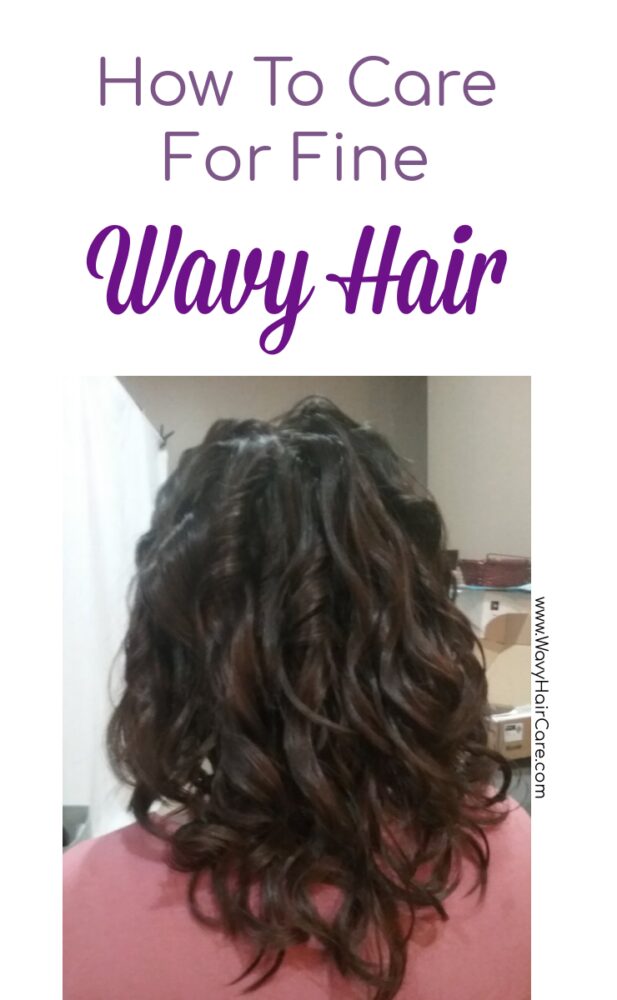
Wavy fine hair has two separate traits: its texture is wavy, and its individual strands are small in diameter. Hair can be fine and wavy even when it looks thick because many fine strands may grow close together.
Waves form when the hair bends in an “S” shape. The pattern may be loose, uneven, or stronger near the ends. Fine hair often has less space inside the strand, so heavy oils, rich masks, and thick creams can make it look flat.
Learning how to care for wavy fine hair starts with knowing what your hair needs:
• Lightweight moisture to reduce dryness
• Gentle cleansing to remove buildup
• Flexible hold to keep the wave shape
• Careful drying to limit frizz
• Regular trimming to prevent thin, weak ends
Hair porosity also affects your routine. Low-porosity hair may resist water and product. High-porosity hair may absorb moisture quickly but lose it just as fast. Porosity is not a permanent label, so watch how your hair responds instead of relying only on online tests.
Build a simple wash routine
A good wash routine cleans the scalp without stripping the lengths. The scalp produces oil, sweat, and dead skin cells, so cleansing should focus mainly on the roots. The ends usually need less direct scrubbing.
For most people, washing every two to four days works well. Your best schedule depends on oil levels, exercise, climate, scalp health, and product use. If your scalp feels itchy, greasy, or coated, wash more often. If your hair feels dry and rough, use a gentler cleanser or extend the time between washes.
Try this basic routine:
Wet your hair fully with warm water.
Apply a small amount of shampoo to the scalp.
Massage with your fingertips, not your nails.
Let the suds run through the ends as you rinse.
Apply a light conditioner from the ears down.
Detangle with your fingers or a wide-tooth comb.
Rinse well, especially near the roots.
Fine hair often needs less shampoo than expected. Start with a quarter-size amount, then add more only if needed. Double cleansing can help after heavy styling products, swimming, or several days without washing.
Clarifying shampoo may help remove silicone, oil, hard-water minerals, and styling buildup. Use it about once every two to four weeks if your hair feels dull or limp. Do not clarify on a strict schedule if your scalp or ends become dry.

Choose products that will not weigh down waves
Product choice is one of the most important parts of learning how to care for wavy fine hair. A product may work well for thick curls but flatten fine waves. Look for formulas labeled lightweight, volumizing, weightless, or designed for fine hair.
Useful options include:
• Lightweight conditioner
• Leave-in spray
• Volumizing mousse
• Liquid styling gel
• Foam styler
• Light serum for the ends
Apply products to soaking wet or very damp hair. Water helps spread the formula and can reduce the amount you need. Start with a small amount. You can always add more, but removing excess product often requires another wash.
A simple product order may look like this:
Lightweight conditioner
Leave-in spray, if needed
Mousse or foam
Small amount of gel
A drop of serum after drying, if the ends look rough
Creams and butters are not always wrong. They may help very dry or coarse sections. However, they often create limp roots on fine hair. If you use one, apply a tiny amount to the last few inches.
Be careful with protein products, too. Hydrolyzed wheat, rice, oat, or silk proteins can help damaged hair feel stronger. But frequent use may make some hair feel stiff or brittle. Alternate protein treatments with moisturizing products and judge the result by touch.
Silicones also deserve a balanced view. Some silicones smooth the cuticle and reduce friction. They are not automatically harmful. If you use them, cleanse well enough to prevent buildup. Water-soluble formulas are often easier to remove with a gentle shampoo.

Define waves without creating stiffness
Wavy fine hair often needs hold more than it needs extra moisture. A light hold product helps the wave keep its shape as it dries. Without hold, the pattern may disappear and turn into frizz.
Apply mousse or gel in sections. Use praying hands to smooth the product over the hair, then scrunch upward from the ends. Scrunching encourages the natural wave without brushing it out.
Try this method:
• Bend forward slightly and let the hair fall away from the scalp.
• Spread a small amount of mousse or gel over your palms.
• Smooth it over the surface and ends.
• Scrunch upward toward the roots.
• Add a little more product only to areas that lose their shape.
A gel cast may form as the hair dries. This is a firm, slightly crunchy shell around the wave. Once the hair is fully dry, gently squeeze the waves to soften the cast. This step is called scrunching out the crunch.
Do not touch the hair while it is drying. Fine strands can lose their shape with repeated handling. Touching also spreads natural oils from your hands, which may make the roots look greasy.
If your waves look stringy, you may be using too much product or applying it unevenly. Add more water, distribute the product with flat hands, and use smaller sections. If your waves look puffy, you may need more hold or less brushing after washing.

Dry wavy fine hair with less frizz
Drying technique can change the final result as much as the product itself. Rough towels can create friction and separate the wave pattern. A soft cotton T-shirt, microfiber towel, or smooth towel is usually gentler.
After washing, avoid twisting the hair tightly. Instead, cup sections in your hands and press out excess water. You can also wrap the hair in a T-shirt for 10 to 15 minutes. This process removes water without pulling heavily on the strands.
Air-drying is simple, but it may leave fine hair flat at the roots. A diffuser can add lift and shorten drying time. Use these steps:
Set the dryer to low or medium heat.
Use low airflow if your hair frizzes easily.
Place sections into the diffuser bowl.
Lift the diffuser toward the scalp.
Hold it still for several seconds.
Move to another section instead of rubbing the hair.
Stop when the hair is fully dry.
Heat can damage hair by weakening the protein structure and increasing dryness. The American Academy of Dermatology recommends limiting high heat and using the lowest effective setting. A heat protectant is helpful when using a blow dryer or hot tool.
Never sleep with very wet hair if you can avoid it. Wet hair is more fragile, and friction against a pillow can cause tangles and breakage. If you must go to bed with damp hair, use a loose, high ponytail or a soft braid and choose a smooth pillowcase.
Keep volume at the roots
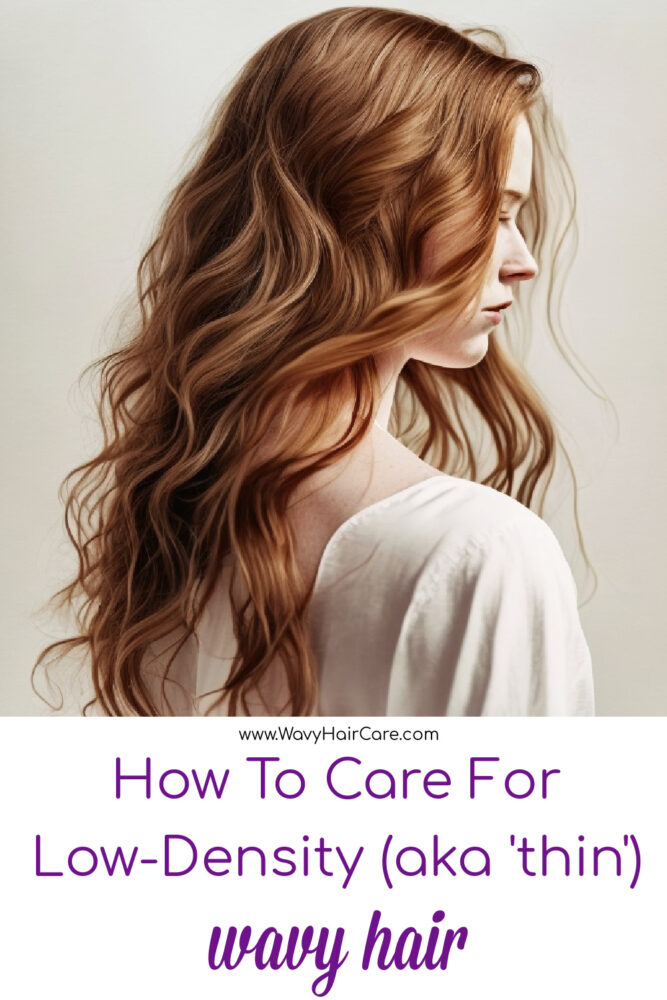
Fine wavy hair often looks full after washing and flat by the next morning. This does not mean your hair is unhealthy. The weight of water, oil, and styling products can pull the roots down.
For better root lift:
• Apply conditioner below the ears.
• Keep rich products away from the scalp.
• Use mousse near the roots.
• Dry the roots first when using a diffuser.
• Change your part after drying.
• Use a small amount of dry shampoo on clean, dry roots if needed.
Dry shampoo absorbs oil, but it does not truly clean the scalp. Use it as a short-term styling aid rather than a replacement for shampoo. Too much can leave powder, fragrance, or starch buildup.
A root clip can help while the hair dries. Place small clips at the crown to lift the roots without teasing. Remove them only after the hair is dry.
Backcombing may create quick volume, but repeated rough teasing can increase tangles and breakage. Fine hair needs support, not force. Think of the roots like delicate fabric. Lift them gently instead of pulling them into shape.
Refresh waves between wash days
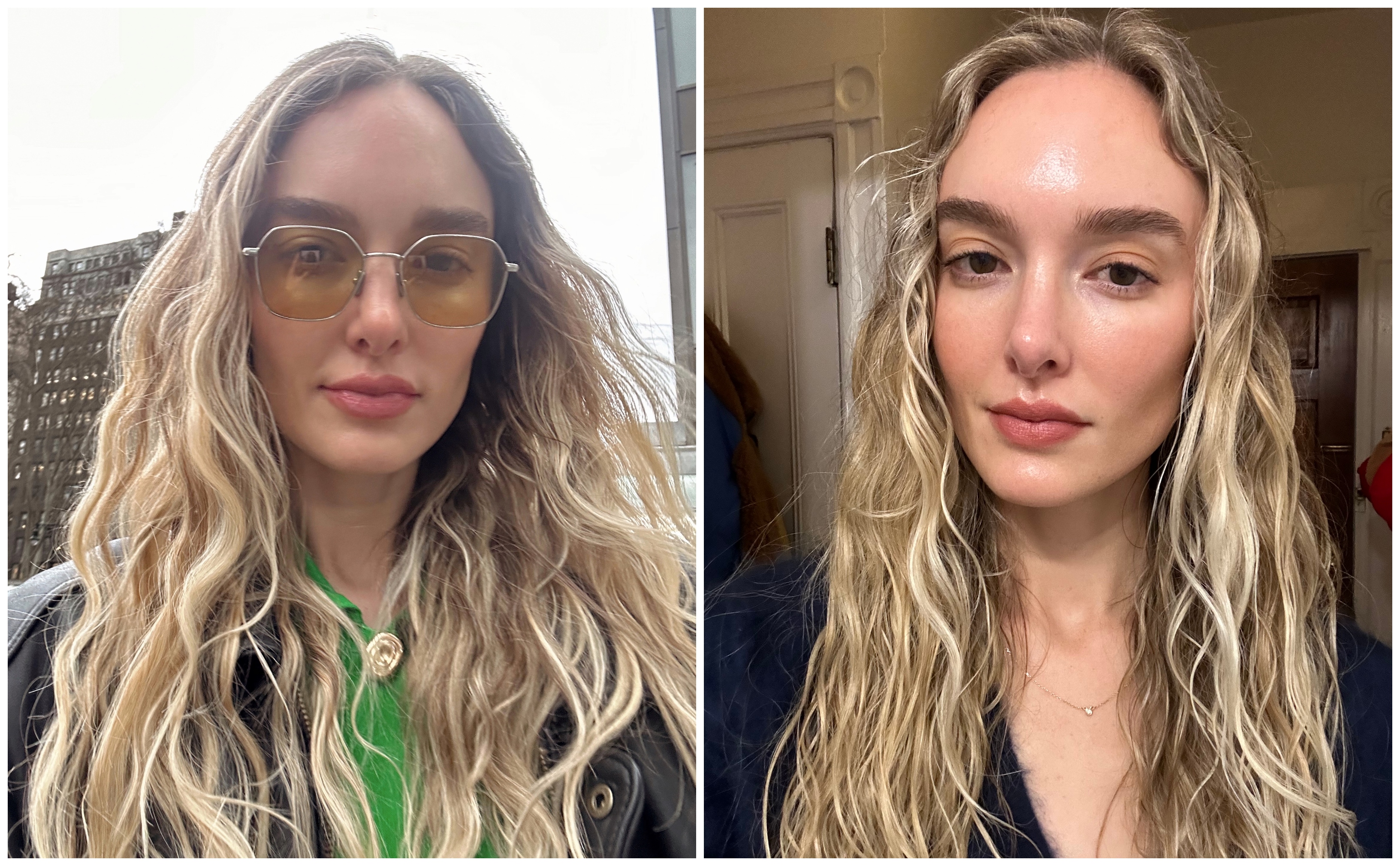
A good refresh routine restores shape without adding too much product. Start with water. Many people add more gel or cream when their waves only need moisture to reactivate.
Use this simple method:
Mist the hair lightly with water.
Add a small amount of diluted mousse or gel to your palms.
Smooth over frizzy areas.
Scrunch the waves upward.
Let the hair air-dry or use a diffuser on low heat.
If the roots are oily, apply dry shampoo before they become very greasy. Let it sit for a few minutes, then massage it in and brush or shake out the excess. Avoid spraying large amounts directly onto the scalp every day.
A satin or silk pillowcase may reduce friction during sleep. A loose “pineapple” ponytail can also protect the wave pattern. Keep the tie soft and loose so it does not create dents or stress at the hairline.
Refresh only the areas that need help. Rewetting the whole head each day can lead to too much water, product, and manipulation. Spot care is often better for fine hair.

Prevent damage and breakage
Fine strands can break more easily because they have less physical strength. Wavy hair may also become tangled where the pattern bends. Gentle habits make a clear difference over time.
Protect your hair by following these habits:
• Detangle from the ends upward.
• Use conditioner before combing.
• Avoid brushing dry waves unless you want a fuller, softer shape.
• Replace tight elastic bands with fabric or spiral ties.
• Do not pull wet hair into a tight style.
• Wear a hat or use UV protection during long periods in strong sun.
• Rinse hair after swimming in chlorine or salt water.
• Trim split ends when they become visible.
Split ends cannot be repaired permanently. Conditioners and smoothing products can make them look better for a short time, but only a trim removes the split. The American Academy of Dermatology also recommends gentle handling, since excessive brushing, heat, and tight hairstyles can contribute to damage.
Coloring, bleaching, and frequent heat styling may change how your waves behave. If your hair becomes rough, stretchy, or unusually tangled after chemical treatment, reduce heat and use a gentle conditioning routine. Seek advice from a licensed stylist or dermatologist if the change is severe.

Manage frizz without losing softness
Frizz is not always a sign of poor care. It can come from humidity, uneven texture, dryness, new growth, breakage, or natural wave variation. The goal is not to remove every flyaway. The goal is to create a smooth shape that still looks natural.
Frizz control begins with water and hold. Apply styling products while the hair is wet, then avoid disturbing it during drying. Once dry, use a small amount of lightweight serum on the ends if needed.
Humidity can make hair swell because the fiber takes in water from the air. A gel or mousse creates a light film that helps reduce this effect. No product can block humidity completely, especially in a very damp climate, so expectations matter.
One lesson many people learn while figuring out how to care for wavy fine hair is that more oil does not always mean more moisture. Oil can reduce friction and add shine, but it does not replace water. Use one or two drops on the ends rather than coating the entire head.

Create a weekly and monthly care plan
Consistency matters more than a complicated routine. A basic plan can keep wavy fine hair clean, soft, and defined without overwhelming the strands.
Weekly care may include:
• Washing based on scalp needs
• Conditioning every wash
• Using a light styling product
• Refreshing only where needed
• Checking for buildup or dryness
Monthly care may include:
• Clarifying if the hair feels coated
• Using a light deep conditioner if the ends feel dry
• Checking for split ends
• Washing brushes, combs, and clips
• Reviewing which products improve or reduce volume
Fine hair often does not need a heavy weekly mask. Try a light treatment for five to ten minutes, then rinse thoroughly. If the hair feels flat afterward, use less product or shorten the treatment time.
Keep notes when testing a new routine. Change one product at a time and give it two or three washes before judging it. Weather, water quality, hormones, stress, and styling habits can all affect the result.
This approach helped me avoid one of the most common mistakes: changing everything at once. When several new products enter the routine together, it becomes hard to know what caused the improvement or the buildup.
Troubleshoot common problems
Small changes often solve the biggest issues. Use the symptoms below as a guide, not as strict rules.
Hair looks flat
Use less conditioner and apply it farther from the scalp. Switch from cream to mousse, clarify if there is buildup, and diffuse the roots with low airflow.
Hair feels dry
Wash with a gentler shampoo and use more water when applying conditioner. Reduce high heat and consider a small amount of leave-in spray on the ends.
Waves disappear quickly
Add a stronger gel or mousse and apply it to wetter hair. Avoid brushing after styling and do not touch the hair until it is fully dry.
Hair feels sticky
You may be using too much product or layering formulas that do not work well together. Clarify once, then restart with smaller amounts.
Hair looks oily soon after washing
Keep conditioner and styling products away from the scalp. Clean your brushes and consider whether dry shampoo is leaving residue.
Hair has many short flyaways
Some may be new growth, while others may be breakage. Reduce tight styles, rough towel drying, and high heat, then use a small amount of gel to smooth the surface.
Know when to seek professional help
A hair routine can improve texture, but it cannot diagnose scalp or hair disorders. See a dermatologist if you notice sudden shedding, bald patches, severe itching, painful bumps, thick scaling, or a major change in hair density.
A stylist can help identify your wave pattern, recommend a suitable cut, and remove damaged ends. For fine wavy hair, long layers may add movement, while too many short layers can make the ends look thin. The best cut depends on density, face shape, curl pattern, and styling habits.
Medical conditions, nutritional deficiencies, medication changes, and hormonal shifts can affect hair growth. Avoid high-dose supplements unless a qualified health professional recommends them. More vitamins are not always better, and some supplements can cause harm.
Product advice also has limits. A routine that works in a dry winter climate may fail in a humid summer climate. Use the core principles as a guide, then adjust based on your scalp, strand behavior, and daily life.
Frequently Asked Questions About How to Care for Wavy Fine Hair
How often should you wash wavy fine hair?
Most people with wavy fine hair wash every two to four days, but scalp needs matter most. Wash sooner if your scalp feels oily, itchy, or coated, and wait longer only if your hair and scalp remain comfortable.
What is the best product for wavy fine hair?
A lightweight mousse, foam, or liquid gel often gives fine waves shape without making them heavy. Start with a small amount and apply it to wet hair for better spread and definition.
Should you brush wavy fine hair?
Use a wide-tooth comb or your fingers while the hair is wet and coated with conditioner. Brushing dry waves can increase frizz, although gentle dry brushing may work when you want a fuller, softer look.
How can you add volume to wavy fine hair?
Apply conditioner only from the middle of the hair to the ends, then use mousse near the roots. Diffusing with low airflow, using root clips, and changing your part can also improve lift.
Is oil good for wavy fine hair?
Oil can smooth rough ends and reduce friction, but too much can flatten fine waves. Use one or two drops on the ends and avoid applying heavy oil near the scalp.
How do you sleep with wavy fine hair?
Use a loose high ponytail or loose bun with a soft tie, and consider a satin or silk pillowcase. Make sure the hair is mostly dry before bed to reduce tangling and breakage.
Can wavy fine hair use deep conditioner?
Yes, but choose a light formula and use a small amount. Leave it on for a short time, rinse well, and reduce use if your hair becomes limp or greasy.
Conclusion
Caring for wavy fine hair is a balance between moisture, cleansing, volume, and hold. Use gentle shampoo, light conditioner, small amounts of styling product, and low heat. Apply products to wet hair, avoid rough handling, and give your routine time to show results.
The best routine is not the one with the most steps. It is the one that keeps your scalp comfortable, your waves defined, and your fine strands strong. Start with one or two changes this week, observe how your hair responds, and adjust with care. Share your results or explore more practical hair-care guides for your next routine upgrade.
