
Lip tint can be good for your lips if you want lasting color and use a gentle formula on healthy skin. It is not a lip treatment, though. Many tints add color but little moisture. Some contain fragrance, flavor, alcohol, or strong dyes that may dry or irritate sensitive lips.
For most people in the United States, a lip tint is fine for daily use when it feels comfortable, does not cause peeling, and is removed before bed. A tinted balm may be a better choice if your lips are dry. A water-based stain may suit you if you want color that lasts longer.
What Is Lip Tint?
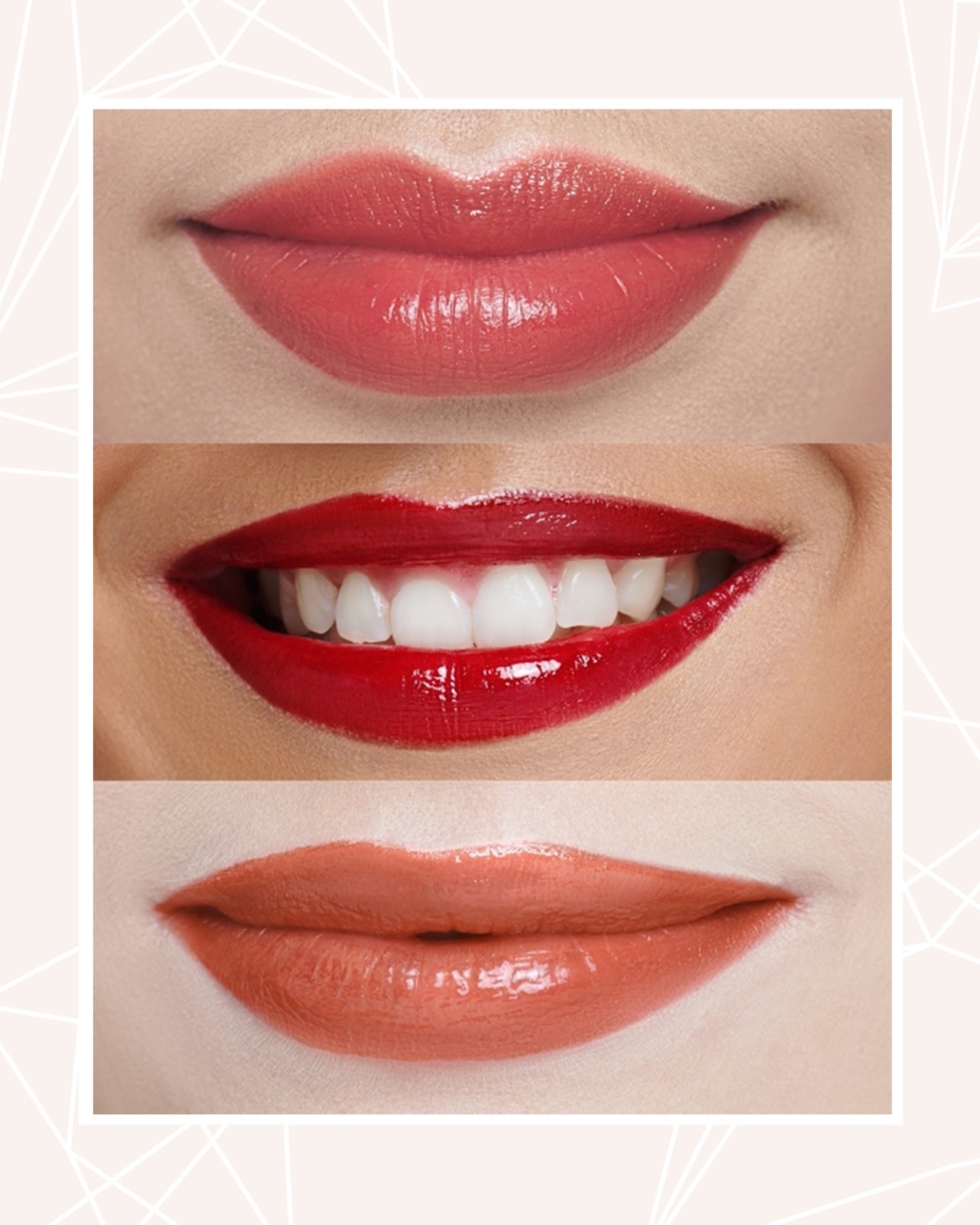
Lip tint is a cosmetic that gives the lips a sheer or bright wash of color. Unlike thick lipstick, many tints use liquid dyes or pigments that leave color behind after the base wears away.
The term “lip tint” can describe several products:
- Water-based lip stain: A thin liquid that leaves lasting color.
- Gel or cream tint: A softer formula with more slip and moisture.
- Tinted lip balm: A balm with waxes, oils, and a small amount of pigment.
- Tinted lip oil: An oil-based product that adds shine and light color.
- Peel-off tint: A film that dries on the lips and is later removed.
These products do not work in the same way. A tinted balm may help reduce water loss from the lips. A water-based stain mainly changes lip color. A peel-off product may pull at dry skin during removal.
Lip tint is also different from lip filler, lip plumper, and medical lip treatment. It does not add volume under the skin. It cannot heal cold sores, eczema, or severe chapping.
What Are the Benefits of Lip Tint?
The main benefit of lip tint is long-wearing color with a lighter feel than many traditional lipsticks. It can also help create a soft, natural look.
1. It gives lasting color
Many lip stains leave pigment on the lips after the liquid base fades. This can reduce the need for frequent touch-ups after drinking or eating.
The color may last longer on dry skin than on oily or heavily moisturized lips. However, lasting color is not the same as better lip health. A product can stay on the lips while still causing dryness.
2. It often feels lightweight
A thin stain may feel less heavy than waxy lipstick or thick gloss. This can appeal to people who dislike a sticky or coated feeling.
The trade-off is that light formulas often contain less oil or wax. They may not protect the lips from dry air, wind, or cold weather.
3. It can create a natural look
A small amount of tint can even out the look of pale or uneven lip color. You can often build the shade in thin layers.
For a softer result, apply the tint to the center of the lips and blend it outward. For stronger color, let the first layer dry before adding another.
4. Some formulas add moisture
Tinted balms and lip oils can contain ingredients such as:
- Petrolatum
- Mineral oil
- dimethicone
- Shea butter - Plant oils
- Beeswax
- Squalane
These ingredients may make the lips feel smoother by reducing water loss. The benefit depends on the full formula, not the word “tint” on the label.
What Are the Risks of Lip Tint?
Lip tint can cause dryness, irritation, or an allergic reaction. The risk is higher when the product contains known irritants or when it is used on cracked lips.
Dryness and peeling
Some long-wear tints use alcohol or fast-drying solvents. These help the product set, but they may leave the lips feeling tight.
Matte stains can also make dry patches more visible. Reapplying the product may add more pigment without adding moisture.
Signs of excess dryness include:
- Tightness
- Flaking
- Rough texture
- Small cracks
- Burning after application
If these signs appear, stop using the tint. Apply a plain, fragrance-free lip ointment instead.
Irritant contact dermatitis
An irritant reaction does not require an allergy. It can happen when an ingredient weakens or inflames the skin.
Common triggers may include:
- Fragrance
- Mint, menthol, or peppermint oil
- Cinnamon flavor
- Citrus oils
- Alcohol
- Strong preservatives
- “Plumping” ingredients
- Exfoliating acids
The American Academy of Dermatology Association advises people with chapped lips to avoid irritating ingredients such as fragrance, flavor, menthol, camphor, and eucalyptus. Its advice is aimed at lip care, but it also applies when choosing a cosmetic for dry or sensitive lips.
Allergic contact dermatitis
A true allergy may appear as redness, swelling, itching, or a rash. It may develop after repeated use, even if the product felt fine at first.
Possible allergens include fragrances, flavor compounds, preservatives, dyes, and some plant extracts. Carmine, a red color additive made from insects, can also cause reactions in some people.
If your lips swell quickly or you have trouble breathing, seek emergency help. These may be signs of a serious allergic reaction.
Staining and hard removal
A tint that lasts well may take more effort to remove. Scrubbing can damage the thin skin on the lips.
Use a gentle oil cleanser, micellar product made for makeup removal, or plain petroleum jelly. Let it sit for a short time, then wipe softly. Do not peel dried product from the lips.

Is Lip Tint Good for Dry or Chapped Lips?
Lip tint is usually not the best first choice for dry or chapped lips. Chapped skin has a weaker barrier, so ingredients that feel fine on healthy lips may sting or cause more irritation.
Start with a bland ointment. The American Academy of Dermatology Association lists petrolatum and other thick, non-irritating products as useful options for dry lips. Apply a thin layer several times a day and before sleep.
If you still want color, choose a tinted balm with:
- Little or no fragrance
- No cooling flavor
- No plumping ingredients
- A creamy or ointment-like base
- Petrolatum, dimethicone, or similar protective ingredients
Avoid applying a drying stain over cracked skin. Wait until the lips feel smooth and comfortable. This simple step can prevent a cosmetic problem from becoming a skin problem.
See a health care professional or dermatologist if your lips remain cracked, painful, swollen, or scaly despite basic care. Persistent lip changes can have causes other than ordinary dryness.
How to Choose a Safer Lip Tint
The safest choice depends on your skin, the product formula, and how you plan to use it. Read the ingredient list instead of relying only on terms such as “clean,” “natural,” or “long-lasting.”
For sensitive lips
Look for a short ingredient list and avoid:
- Added fragrance
- Flavor oils
- Menthol and peppermint
- Cinnamon
- Camphor
- Eucalyptus
- Plumping agents
- Products that claim to tingle or heat
“Natural” does not always mean gentle. Essential oils and botanical extracts can still irritate or cause allergy.
For dry lips
Choose a balm-style tint. Helpful ingredients may include petrolatum, mineral oil, dimethicone, shea butter, and simple plant oils.
A balm may not last as long as a stain. That is the main trade-off. You get more comfort but usually less wear time.
For long wear
A stain may work better, but use it on smooth, moisturized lips. Apply a light lip balm first if the product feels drying. Wait a few minutes, then blot away excess balm before applying the tint.
This may reduce wear time. It can also reduce the tight feeling that some long-wear products cause.
For sun protection
A tinted product with SPF can help protect the lips from ultraviolet exposure. Check the label for a tested SPF claim and follow the directions for reapplication.
Color alone does not protect against sun damage. Also, SPF lip products may still contain fragrance or flavor ingredients that irritate sensitive skin.
The U.S. Food and Drug Administration regulates cosmetic products and color additives in the United States. Most cosmetics do not receive FDA approval before sale, except for certain color additives and specific product categories. A product being sold legally does not guarantee that it will suit every person.
How to Use Lip Tint Without Drying Your Lips
A few simple steps can make lip tint more comfortable.
- Start with clean, healthy lips. Remove old makeup gently.
- Check for cracks or rash. Do not apply tint over painful or inflamed skin.
- Use a light balm if needed. Give it time to settle.
- Apply a small amount of tint. Build color slowly.
- Keep the product off broken skin. Do not share the applicator.
- Remove it gently at night. Follow with a plain lip ointment.
- Stop if it burns or causes a rash. Do not try to “push through” irritation.
Do not lick your lips to fix dryness. Saliva evaporates quickly and may make chapping worse. Do not scrub with a toothbrush, sugar, or rough towel.
Replace a lip tint if its smell, texture, or color changes. Do not share lip products, especially during a cold sore outbreak. Sharing can spread germs even when the other person has no visible sore.

Lip Tint vs. Tinted Balm: Which Is Better?
A lip tint is better for lasting color. A tinted balm is usually better for comfort and dry lips.
| Feature | Lip tint or stain | Tinted balm |
|---|---|---|
| Main purpose | Long-lasting color | Color plus moisture |
| Feel | Thin or light | Soft, creamy, or oily |
| Wear time | Often longer | Often shorter |
| Best for | Normal, healthy lips | Dry or sensitive lips |
| Main concern | Dryness or irritation | Frequent reapplication |
| Removal | May need makeup remover | Usually easy to wipe away |
Neither product is automatically healthier. The formula and your skin’s response matter more than the product name.
If your lips are healthy and you want low-maintenance color, a tint may suit you. If your lips feel tight or flaky, choose a balm first.
When Should You Stop Using Lip Tint?
Stop using the product if you notice burning, itching, swelling, peeling, or a new rash. Rinse gently if needed, then use a plain, fragrance-free ointment.
Do not keep testing the product on your lips if symptoms return each time. Repeated exposure can make some allergic reactions worse.
Seek medical care for:
- Rapid swelling of the lips, tongue, or face
- Trouble breathing or swallowing
- Blisters or severe pain
- Pus, spreading redness, or signs of infection
- A rash that does not improve after stopping the product
- Repeated reactions to several lip products
A dermatologist can help identify allergic contact dermatitis. Patch testing may be useful when the cause is not clear.
Common Mistakes to Avoid
Using lip tint on cracked lips: This can increase stinging and delay recovery.
Choosing “tingly” formulas: Tingling is often caused by irritation, not improved lip health.
Applying more product to fix dryness: More tint adds more potential irritants. It does not replace a protective ointment.
Scrubbing off the stain: Harsh removal can create tiny cracks and worsen flaking.
Ignoring the ingredient list: Terms such as “natural,” “vegan,” and “chemical-free” do not predict whether a formula will irritate you.
Forgetting sun protection: A red or pink tint does not act as sunscreen. Use a lip product with labeled SPF when sun protection matters.
Sharing lip products: Sharing can spread bacteria, viruses, and other germs.
Key Takeaways
- Lip tint is generally fine for healthy lips when it feels comfortable.
- It mainly adds color; it does not heal or hydrate lips by itself.
- Tinted balms are often a better fit for dry or sensitive lips.
- Avoid fragrance, flavor, menthol, cinnamon, and plumping ingredients if your lips react easily.
- Stop using the product if it causes burning, rash, swelling, or peeling.
- Use a plain lip ointment and seek medical advice for severe or persistent symptoms.
FAQs About Lip Tint
Is lip tint better than lipstick?
Not always. Lip tint usually feels lighter and may last longer, while lipstick often provides richer color and more coverage. A moisturizing lipstick may be more comfortable than a drying stain.
Can I wear lip tint every day?
You can wear it daily if your lips remain smooth and comfortable. Remove it gently at night and stop if you develop dryness, peeling, itching, or burning.
Does lip tint make lips darker permanently?
Most lip tints do not permanently darken the lips. Temporary staining is normal. Ongoing darkening or discoloration may result from irritation, allergy, sun exposure, or another skin condition and should be evaluated if it persists.
Can lip tint cause dark lips?
It can contribute to irritation-related discoloration in some people, especially when it causes repeated inflammation. Fragrance, flavor, and strong long-wear ingredients may be triggers. Stop using the product if darkening appears with burning, peeling, or a rash.
Can I sleep with lip tint on?
It is better to remove lip tint before sleep. Leaving makeup on for long periods may expose the lips to drying or irritating ingredients. Use a gentle remover and apply a plain lip ointment afterward.
Is lip tint safe during pregnancy?
Cosmetic lip tints are generally used on the surface of the lips, but formulas differ. If you are pregnant or have a medical concern, review the ingredient list with your health care professional. Avoid any product that causes irritation.
Conclusion
Lip tint can be a useful cosmetic for lightweight, lasting color. It is not automatically good or bad for the lips. The best choice depends on the formula and the condition of your skin.
Choose a moisturizing tinted balm for dry or sensitive lips. Choose a stain only when your lips are healthy and the product does not cause tightness or irritation. If a tint burns, peels, or causes a rash, stop using it and switch to a plain lip ointment.
