
Yes. Most people with oily skin still need moisturizer. In the United States, dermatologists commonly recommend a light, oil-free, noncomedogenic moisturizer to help support the skin barrier without adding a greasy feel or blocking pores.
Oily skin makes extra sebum, the natural oil produced by the skin. That oil does not replace water or protect the skin barrier in every situation. Cleansers, acne treatments, dry weather, indoor heating, and over-washing can still leave oily skin irritated or dehydrated.
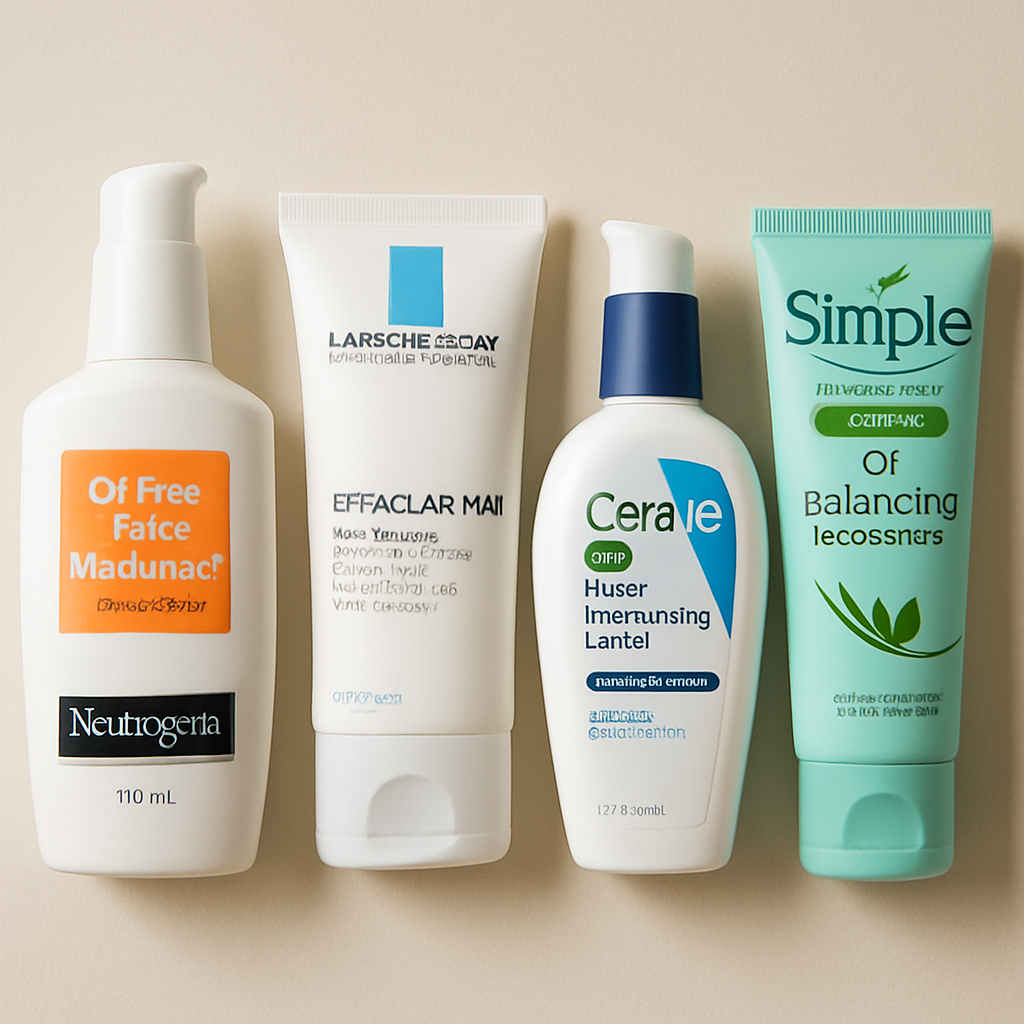
The best moisturizer for oily skin is usually a lightweight gel, lotion, or fluid with ingredients such as glycerin, hyaluronic acid, or ceramides. Look for the terms “oil-free,” “noncomedogenic,” and “won’t clog pores” on the label.

Why oily skin still needs moisturizer
Oily skin can lack water even when it has excess oil. These are separate conditions. Sebum is a lipid, while hydration refers mainly to water in the outer layers of the skin.
When the skin barrier becomes dry or irritated, it may feel tight, rough, itchy, or sensitive. Some people also notice more visible flaking and shine at the same time. Applying a suitable moisturizer can reduce water loss and make the skin feel more balanced.
Moisturizer may also help people who use acne treatments. Ingredients such as benzoyl peroxide, salicylic acid, and topical retinoids can cause dryness, peeling, or irritation. The American Academy of Dermatology Association recommends moisturizer as part of skin care for people using acne treatments because it may help the skin better tolerate these products.
Moisturizer does not “turn off” oil glands. It also does not cure oily skin. Its role is to support the outer skin barrier and reduce discomfort while you manage oil and acne with suitable products.

What to look for in a moisturizer for oily skin
Choose the product texture and ingredients based on how your skin feels, whether you have acne, and the climate where you live. A thick cream may feel uncomfortable in a hot, humid part of the United States, while a lotion may feel better in a cold, dry region.
Helpful label terms
- Oil-free: The formula does not contain added oils. This may feel lighter, though the term alone does not guarantee that a product will suit you.
- Noncomedogenic: The product is made and tested with a lower likelihood of clogging pores. This is helpful for acne-prone skin, but no label can predict every person’s reaction.
- Fragrance-free: This can reduce the chance of irritation, especially if your skin is sensitive or you use acne medicine.
- Gel or water-based: These textures often feel light and absorb quickly.
- Light lotion or fluid: These may work well when a gel is not moisturizing enough.
- Broad-spectrum SPF 30 or higher: A daytime moisturizer with sunscreen may simplify your routine. Sunscreen still needs to be applied in a sufficient amount and reapplied as directed.
Useful ingredients
| Ingredient type | Examples | What it does |
|---|---|---|
| Humectants | Glycerin, hyaluronic acid, urea | Help attract and hold water in the outer skin |
| Barrier-supporting ingredients | Ceramides, cholesterol, fatty acids | Help support the skin barrier |
| soothing ingredients | Colloidal oatmeal, panthenol, allantoin | May reduce the feel of irritation |
| Lightweight emollients | Squalane, dimethicone | Smooth the skin and reduce water loss |
Ingredients matter, but the full formula matters more than one ingredient. A product with hyaluronic acid can still feel heavy if the rest of the formula is rich. If a moisturizer leaves a lasting greasy film or causes new bumps, try a lighter formula.
How to use moisturizer on oily skin
Use moisturizer after cleansing, while the skin is still slightly damp. You usually need only a small amount for the face and neck. Spread it gently rather than rubbing hard.
A simple routine can look like this:
- Cleanse gently. Use a mild, non-abrasive cleanser. Very hot water, harsh scrubs, and repeated washing can irritate the skin.
- Apply treatment products if prescribed or directed. Follow the label or your clinician’s instructions for acne medicines.
- Apply moisturizer. Use a thin, even layer. Add a little more to areas that feel dry.
- Use sunscreen in the morning. Choose a broad-spectrum, water-resistant sunscreen with SPF 30 or higher when you will be outdoors. A separate sunscreen may be easier to apply in the correct amount than a moisturizer with SPF.
At night, cleanse away sunscreen and makeup, then apply moisturizer. If a retinoid or another acne treatment causes irritation, your dermatologist may suggest applying moisturizer before the treatment, after it, or both. Follow the instructions for your specific medicine.
You do not need to wait for your skin to feel dry before moisturizing. In fact, applying moisturizer soon after washing may help reduce water loss. If your face becomes shiny during the day, blot gently with clean blotting paper or a tissue instead of washing repeatedly.

How to tell whether your moisturizer is too heavy
A moisturizer may be too rich if your skin feels coated, sticky, or uncomfortable for hours after use. You may also notice more closed bumps, whiteheads, or breakouts after starting it. These signs do not prove that the moisturizer caused the problem, but they are a reason to review the product and the rest of your routine.
Try these steps:
- Stop one new product at a time so you can identify the likely cause.
- Use less product for several days if your skin is comfortable but overly shiny.
- Switch from a cream to a gel or light lotion.
- Choose fragrance-free and noncomedogenic formulas.
- Avoid adding several new acne products at once.
- Give irritation time to settle before testing another product.
Patch testing can lower the chance of a large reaction, but it cannot guarantee that a product will not clog pores. Apply a small amount to a limited area, such as along the jaw or behind the ear, for several days. Stop if you develop swelling, hives, blistering, or severe burning.
A moisturizer may not be the only reason for new acne. Hair products, makeup, sunscreen, sweat, stress, hormonal changes, and acne medicines can also play a role. If breakouts are painful, deep, widespread, or leaving scars, seek care from a board-certified dermatologist.

Oily skin versus dehydrated skin
Oily skin describes how much oil your skin produces. Dehydrated skin describes a lack of water. You can have oily and dehydrated skin at the same time.
Signs that oily skin may also be dehydrated include:
- Tightness after cleansing
- Flaking around the nose or mouth
- Stinging when you apply products
- Rough or dull texture
- More sensitivity than usual
- Shine on the forehead, nose, or chin with dry-feeling cheeks
These signs can also result from irritation, eczema, contact dermatitis, or an overly strong acne routine. Moisturizer may help mild dryness, but it cannot diagnose or treat every skin condition.
If a product burns, causes a rash, or makes your skin peel heavily, stop using it. Use a gentle cleanser and plain moisturizer while you arrange medical advice. Seek urgent help for facial swelling, trouble breathing, or a rapidly spreading blistering rash.

Do you need moisturizer if your skin is very oily or acne-prone?
Usually, yes—but you may need a lighter product. Very oily skin often does better with a water-based gel or fluid than with a rich cream. Acne-prone skin should also avoid picking, harsh scrubs, and repeated attempts to “dry out” blemishes.
A moisturizer will not treat the root cause of acne by itself. For acne, commonly used treatments include benzoyl peroxide, salicylic acid, topical retinoids, and prescription medicines. The right choice depends on the type and severity of acne, your age, pregnancy status, other medicines, and your skin’s sensitivity.
If you use benzoyl peroxide or a retinoid, start only as directed. These treatments can irritate the skin when used too often or combined with several strong products. A dermatologist can help you build a routine that treats acne without damaging your skin barrier.

Common mistakes people with oily skin make
The most common mistake is treating oil as the enemy. Scrubbing, using alcohol-based products, or washing several times a day may leave the skin irritated without solving the reason it produces excess sebum.
Other common mistakes include:
- Skipping sunscreen because the skin feels oily
- Using a thick cream because the skin feels tight after harsh cleansing
- Starting several new products at the same time
- Applying too much moisturizer
- Confusing a temporary adjustment period with a severe reaction
- Assuming “natural” means non-irritating or noncomedogenic
- Using a product labeled noncomedogenic as proof that it cannot cause breakouts
A basic routine is often easier to assess than a long one. Start with a gentle cleanser, a light moisturizer, and daytime sunscreen. Add one treatment product only when you know why you are using it and how to use it safely.

A simple decision guide
Use this guide to choose a starting texture:
| What your skin feels like | A reasonable starting choice |
|---|---|
| Oily but comfortable | Lightweight gel or fluid |
| Oily with occasional tightness | Light lotion with humectants |
| Oily, flaky, or irritated from acne treatment | Fragrance-free lotion with barrier-supporting ingredients |
| Oily and prone to clogged pores | Oil-free, noncomedogenic gel or lotion |
| Oily in summer but dry in winter | Lighter product in warm months; richer lotion on dry areas in cold months |
| Burning, swelling, or rash | Stop new products and seek medical advice if symptoms persist or worsen |
This table is a starting point, not a diagnosis. Skin can change with weather, age, hormones, medication, and treatment. Adjust the amount and texture before assuming you need to stop moisturizer altogether.

Frequently asked questions
Can moisturizer make oily skin oilier?
It can make the skin feel oilier if the formula is too rich or you apply too much. Moisturizer does not always increase oil production, though. A light, noncomedogenic gel or lotion is often a better fit than a heavy cream.
Should you use moisturizer before or after acne medication?
That depends on the medicine and your clinician’s directions. Many people apply acne treatment to clean, dry skin and then use moisturizer. If irritation occurs, a dermatologist may recommend applying moisturizer before treatment or using it around the treatment area.
Is gel moisturizer better than cream for oily skin?
Not always, but gel moisturizers often feel lighter and may suit very oily skin or humid weather. Creams can be useful when oily skin is also dry, irritated, or using a strong acne treatment. Choose by texture, comfort, and how your skin responds.
Can oily skin skip moisturizer if sunscreen is applied?
Some sunscreens provide enough moisture for certain people, but sunscreen does not always replace a dedicated moisturizer. If your skin feels comfortable after cleansing and sunscreen, you may not need both in the morning. You may still benefit from moisturizer at night.
How often should you moisturize oily skin?
Most people can moisturize once or twice a day, after cleansing. Use it in the morning if your skin feels dry or tight, and at night to support the skin barrier. You can use less product or skip a separate morning moisturizer if your sunscreen provides enough comfort.
Key takeaways
- Yes, oily skin usually needs moisturizer.
- Oil and hydration are different. Oily skin can still become dry or irritated.
- Choose a light gel, lotion, or fluid labeled oil-free and noncomedogenic.
- Look for glycerin, hyaluronic acid, ceramides, or other barrier-supporting ingredients.
- Use moisturizer after cleansing and apply sunscreen during the day.
- If a product causes persistent burning, rash, swelling, or worsening breakouts, stop using it and seek professional advice.
Conclusion
Moisturizer is not only for dry skin. For oily skin, the goal is to add enough hydration to support the skin barrier without leaving a heavy film or worsening clogged pores.
Start with a small amount of a fragrance-free, lightweight, noncomedogenic product. Keep the rest of your routine simple, watch how your skin responds, and ask a dermatologist for help when acne or irritation does not improve.
Sources
- American Academy of Dermatology Association: Acne—Tips for managing
- American Academy of Dermatology Association: Skin care tips for people with acne
- American Academy of Dermatology Association: Sunscreen FAQs
- American Academy of Dermatology Association: Moisturizer tips
- National Institute of Arthritis and Musculoskeletal and Skin Diseases: Acne
