
Care for thin fine hair with gentle washing, light products, low heat, and habits that prevent breakage and buildup.
Learning how to care for thin fine hair starts with one key idea: fine strands need support, not weight. The right routine can make hair look fuller, feel stronger, and stay fresh without causing dryness or damage. This guide explains the best washing, styling, cutting, and scalp care methods, along with common mistakes to avoid.
What Thin Fine Hair Really Means
“Fine” describes the width of each hair strand. Fine hair has a smaller diameter than medium or coarse hair. “Thin” often describes the amount of hair on the scalp, or hair density.
You can have fine hair with high density, or thick-looking hair made of coarse strands. You can also have fine hair that feels thin because of shedding, breakage, or a widening part.
The first step in how to care for thin fine hair is to identify what you are working with:
• Fine strands feel soft and light.
• Thin density shows more scalp between the hairs.
• Breakage creates short pieces, split ends, and uneven length.
• Hair shedding causes more strands than usual on your brush, pillow, or shower floor.
Fine hair is not weak by nature. However, each strand has less surface area, so heavy products and rough handling can flatten or break it more easily.

Build a Simple Washing Routine
Washing fine hair often is not a problem. In fact, regular washing can help remove oil, sweat, and product buildup that makes the roots look flat.
How often you wash depends on your scalp. Many people with fine hair wash every day or every other day. If your scalp feels oily, itchy, or coated, waiting longer may make your hair look less full.
Use a gentle shampoo
Choose a lightweight shampoo that cleans the scalp without leaving a heavy film. Look for terms such as:
• Volumizing
• Lightweight
• Balancing
• Clarifying, for occasional use
Apply shampoo mainly to the scalp. The lather that runs through the lengths is usually enough to clean them. Scrubbing the ends can increase dryness and tangles.
Use your fingertips, not your nails, and massage with light pressure for about 30 seconds. A second wash may help if you use dry shampoo, oils, or styling products.
Do not fear conditioner
Conditioner helps reduce friction and can protect fine hair from tangles and breakage. The trick is placement.
Apply a small amount from the middle of the hair to the ends. Avoid the roots unless your scalp and hair are very dry. Rinse well with cool or lukewarm water.
A lightweight conditioner is usually better than a rich mask for daily use. Use a deep conditioning treatment only when your ends feel dry, rough, or brittle.
Add clarifying shampoo carefully
A clarifying shampoo can remove silicone, oil, dry shampoo, and styling residue. It may help restore movement when fine hair feels coated.
Use it about once every one to four weeks, based on buildup. Overuse can strip the scalp and leave the lengths dry. Follow with a light conditioner.

Choose Products That Add Volume Without Weight
When learning how to care for thin fine hair, remember that product amount matters as much as product type. Fine hair can become flat after only a small amount of cream, oil, or mousse.
Start with a pea-sized amount. You can add more, but you cannot easily remove too much product without washing again.
Helpful product types
• Lightweight mousse can add body and help hair hold a style.
• Root-lifting spray can support volume near the scalp.
• A light leave-in spray can improve softness and detangling.
• Heat protectant can reduce damage from blow dryers and hot tools.
• Dry shampoo can absorb oil and create texture when used sparingly.
Products to use with care
Heavy oils, thick butters, waxes, and rich curl creams may flatten fine hair. They can still work on the ends, but use only a tiny amount.
Avoid applying dry shampoo for many days in a row without washing. It absorbs oil, but it does not replace shampoo. Product and oil can collect around follicles and irritate the scalp.
A useful rule is to keep volume products near the roots and conditioning products near the ends. This gives each area what it needs.

Dry and Style Fine Hair Gently
Heat and friction are two major causes of damage. Fine strands can lose moisture and become fragile when exposed to repeated high heat.
After washing, press your hair with a soft microfiber towel or a clean cotton T-shirt. Do not twist, rub, or wring it. Wet hair stretches more easily and may break when handled roughly.
Apply heat protectant before using a blow dryer, curling iron, or flat iron. Let your hair air-dry until it is partly dry, then finish with a dryer on a low or medium setting.
Create more volume
Try this simple method:
Apply a small amount of mousse to damp roots.
Lift sections with your fingers while blow-drying.
Direct air from the roots toward the ends.
Finish with a short burst of cool air.
Change your part after the hair cools.
A round brush can create lift, but do not pull tightly. If your hair tangles easily, use a large, smooth brush and work from the ends upward.
Avoid using a flat iron every day. Straightening can make fine hair look sleek, but frequent heat may cause split ends and breakage. Keep the temperature as low as possible while still getting the desired result.
Sleep with less friction
A satin or silk pillowcase may reduce friction compared with rough cotton. A loose braid or low ponytail can also limit tangling.
Do not sleep with wet hair tied tightly. Wet hair is more delicate, and tension can increase breakage around the hairline.
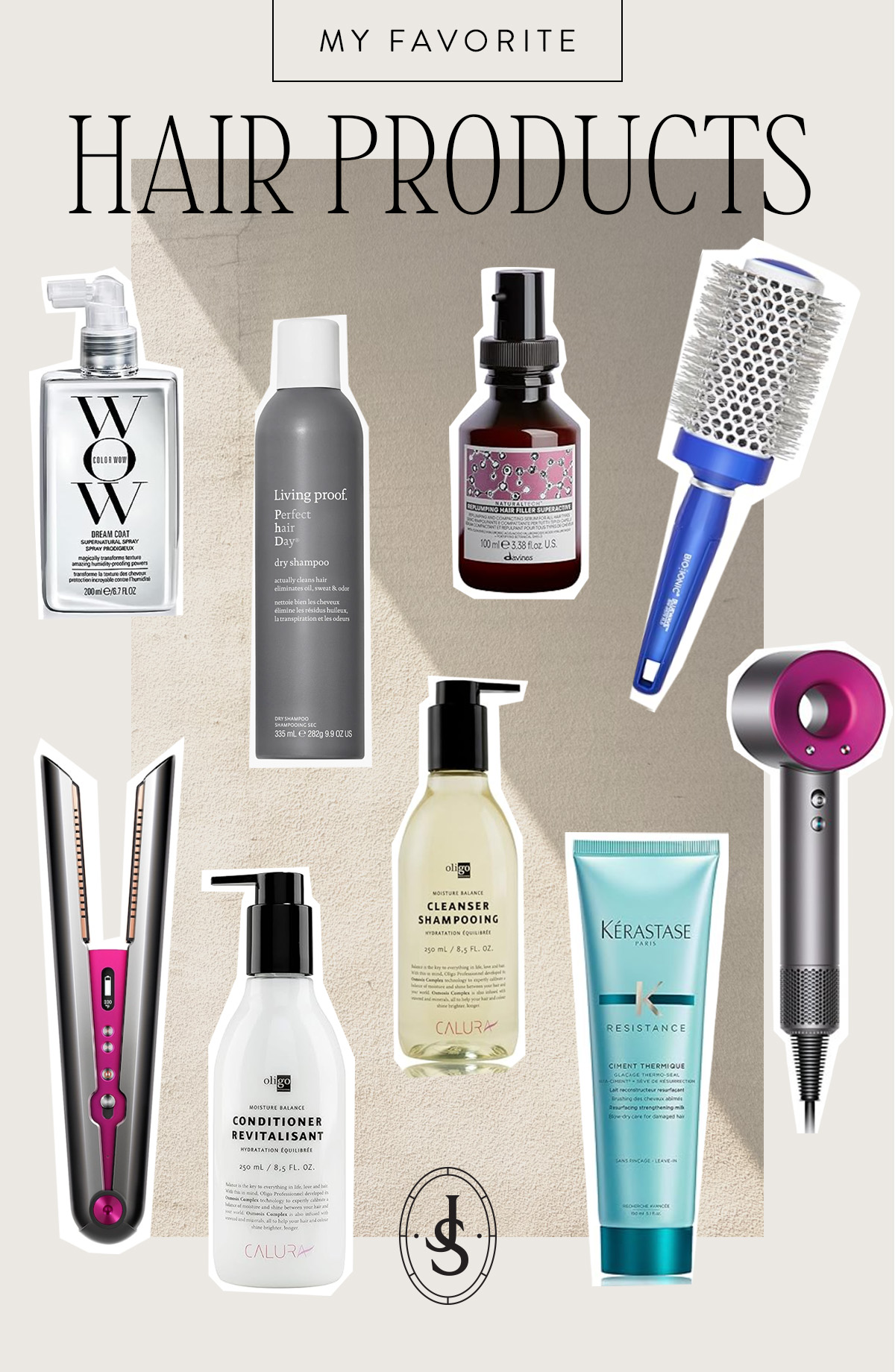
Pick a Haircut That Supports Fullness
A good haircut can make thin fine hair look denser without adding more products. Blunt or softly blunt ends often create the appearance of thickness.
Long layers may remove too much weight from the ends. If your hair is fine and sparse, ask for gentle shaping instead of many short layers.
Styles that often work well include:
• A blunt bob
• A chin-length or shoulder-length cut
• Soft face-framing pieces
• Light layers placed through the top
• A pixie cut with controlled texture
The best cut depends on your face shape, natural texture, and density. Bring photos that show the shape you want, but ask your stylist to adapt the cut to your hair’s actual behavior.
A common lesson from professional styling is that over-texturizing can make fine hair look thinner. Razors and thinning shears may create movement, but too much removal can leave the ends wispy.
Trim split ends when they begin to travel upward. A trim cannot make hair grow faster, but it can prevent damaged ends from splitting farther along the shaft.

Protect Your Scalp and Encourage Healthy Growth
The scalp is the foundation of healthy hair. Clean it regularly, avoid harsh scratching, and watch for changes in shedding or density.
Gentle scalp massage may feel relaxing and can help distribute shampoo. It does not guarantee faster growth, but it can support a healthy washing routine.
For how to care for thin fine hair during periods of shedding, focus on the cause rather than buying many products. Hair loss can follow stress, illness, rapid weight loss, hormonal changes, childbirth, medication changes, or low iron.
Speak with a doctor or dermatologist if you notice:
• Sudden or heavy shedding
• Bald patches
• A widening part
• Receding temples
• Scalp pain, scaling, or severe itching
• Hair loss that continues for several months
Minoxidil may help some adults with pattern hair loss, but it is not right for everyone. It can cause scalp irritation and may produce temporary shedding at the start. Ask a qualified health professional before using it, especially during pregnancy, breastfeeding, or when taking other treatments.
Do not rely on hair vitamins without a confirmed deficiency. Too much vitamin A, selenium, or other nutrients can sometimes worsen hair loss. Blood tests and medical advice are safer than guessing.

Eat for Stronger Hair From the Inside
Hair growth depends on adequate energy, protein, vitamins, and minerals. Food cannot change the natural diameter of your strands, but poor nutrition may contribute to shedding or brittle hair.
Include a range of nutritious foods:
• Eggs, fish, poultry, tofu, beans, and Greek yogurt for protein
• Lentils, leafy greens, and lean meat for iron
• Nuts and seeds for healthy fats and minerals
• Fruits and vegetables for vitamins and antioxidants
• Whole grains for steady energy
Very restrictive diets can affect the hair cycle. If shedding began after dieting, illness, or a major life change, discuss it with a health professional.
Hair grows slowly. Most scalp hair grows about half an inch per month, though the rate varies. This means changes in diet or routine may take months to show.

Avoid These Common Mistakes
Some habits make fine hair look thinner even when the hair itself is healthy. Small changes can make a noticeable difference.
Using too much dry shampoo
Dry shampoo can refresh roots between washes. Too much can create dullness, stiffness, and scalp buildup. Spray lightly at the roots, wait a minute, then massage or brush through.
Applying oil to the roots
Oil may smooth dry ends, but it often makes fine roots look greasy and flat. If you use oil, warm one drop between your palms and touch only the last few inches.
Brushing aggressively
Start at the ends and work upward. Hold the hair above a knot to reduce pulling at the scalp. A wide-tooth comb works well on damp hair when used gently.
Wearing tight styles
Tight ponytails, buns, braids, and extensions can place stress on the hairline. Repeated tension may cause traction hair loss.
Choose loose styles and vary where you place the elastic. Use fabric-covered ties instead of thin rubber bands.
Skipping heat protection
Even a short blow-dry can expose hair to heat. A heat protectant is not a license to use extreme temperatures, but it can reduce surface friction and heat-related damage.

A Practical Weekly Routine
A simple routine is easier to follow than a shelf full of products. Use this plan as a starting point, then adjust it for your scalp and texture.
On wash days
Brush or finger-detangle the ends before showering.
Shampoo the scalp with gentle fingertip pressure.
Apply lightweight conditioner from mid-length to ends.
Rinse well.
Blot with a soft towel.
Apply heat protectant and a small amount of mousse if desired.
Dry on low or medium heat.
Between washes
• Refresh roots with a small amount of dry shampoo if needed.
• Brush gently from the ends upward.
• Avoid adding several layers of styling product.
• Keep tight hairstyles to a minimum.
Every few weeks
• Use clarifying shampoo if you have buildup.
• Check your ends for splits and roughness.
• Wash brushes and combs.
• Clean pillowcases and hair accessories.
The most effective answer to how to care for thin fine hair is consistency. A gentle routine performed often usually works better than an aggressive routine used once in a while.

How to Make Thin Fine Hair Look Fuller
You cannot permanently change your natural strand diameter with a shampoo. However, styling choices can create the look of greater fullness.
Try these techniques:
• Change your part to prevent hair from lying flat in one direction.
• Use root mousse before blow-drying.
• Add soft waves rather than pin-straight lengths.
• Choose a haircut with a solid outline.
• Use a lightweight texturizing spray on dry hair.
• Avoid brushing out all movement after styling.
Hair color can also create visual depth. Highlights, lowlights, or a slightly darker root may make the hair appear more dimensional. Chemical color can cause damage, so work with a skilled colorist and maintain healthy spacing between services.
Hair fibers can temporarily disguise visible scalp in areas such as the part or crown. They wash out and do not treat hair loss. Use them as a cosmetic option, not as a medical solution.
Frequently Asked Questions About How to Care for Thin Fine Hair
How often should you wash thin fine hair?
Many people with thin fine hair wash daily or every other day because oil can flatten the roots. Choose a schedule that keeps your scalp comfortable and clean without causing dryness or irritation.
Is conditioner bad for fine hair?
No. Conditioner can reduce tangles, friction, and breakage. Use a lightweight formula on the mid-lengths and ends, and avoid the roots if they become oily or flat.
What is the best haircut for thin fine hair?
Blunt bobs, chin-length cuts, and softly shaped styles often make the ends look fuller. Too many layers or heavy thinning can make the hair appear less dense.
Can thin fine hair become thicker?
Your natural strand diameter is mostly determined by genetics. However, reducing breakage, treating scalp conditions, correcting nutrient deficiencies, and addressing medical hair loss can improve the overall appearance of thickness.
Does brushing make fine hair grow faster?
Brushing does not speed hair growth. Gentle brushing can spread natural oils and prevent tangles, but rough brushing may cause breakage and should be avoided.
Is dry shampoo safe for thin fine hair?
Dry shampoo can be useful between washes when applied lightly. It should not replace regular shampoo, and heavy buildup may irritate the scalp or make hair feel dull.
Should you use hair oil on fine hair?
You can use a very small amount of oil on dry ends. Avoid the roots if you want volume, since oil can make fine hair look greasy and limp.
Conclusion
The best way to care for thin fine hair is to keep your routine light, gentle, and consistent. Wash the scalp as needed, condition the ends, limit heat, protect against friction, choose a fullness-friendly haircut, and seek medical advice when shedding changes suddenly.
Start with one or two changes this week instead of replacing every product at once. Notice how your scalp, roots, and ends respond, then adjust your routine with care. Share your results or explore more evidence-based hair care guides to keep building a routine that works for you.
