
Protect red hair with gentle washing, rich moisture, heat control, and color-safe products.
Red hair can be natural or colored, but both types need thoughtful care. Red pigment is often more prone to fading, dryness, and visible brassiness than darker shades. With the right wash routine, moisture plan, sun protection, and styling habits, you can keep red hair bright, soft, and healthy.
Why red hair needs special care
Red hair gets its color from warm red and orange pigments. In natural red hair, these tones come from the pigment pheomelanin. In dyed red hair, the shade comes from artificial color molecules that can leave the hair shaft during washing, heat styling, sun exposure, and chemical treatments.
This is why red hair may fade faster than brown or black hair. Bright copper, cherry, burgundy, and ginger shades can also look dull when the hair becomes dry or coated with product.
Red hair is not always weaker than other hair colors. However, its color can be less forgiving. A little dryness may make the hair look rough, while a small amount of fading can change the whole tone.
The main goals of red hair care are to:
• Reduce color loss during washing
• Keep the hair well moisturized
• Protect the hair cuticle from heat and friction
• Limit damage from bleach and chemical services
• Protect the color from sunlight and chlorine
In my experience, the biggest mistake people make is treating color care as a rescue plan. Red hair stays brighter when you protect it from the start instead of waiting until it feels dry or looks faded.

How to wash red hair without fading it
Washing is one of the most important parts of learning how to care for red hair. Water causes the hair fiber to swell, and warm water can lift the cuticle. Each wash may then remove a small amount of color, natural oil, and moisture.
You do not need to stop washing your hair. You simply need a gentler method.
Wash with lukewarm water
Use lukewarm water for shampooing and cooler water for your final rinse. Very hot water can increase dryness and may cause color to fade more quickly.
Cool water does not seal the cuticle permanently, as some beauty claims suggest. Still, a cooler rinse can feel less drying and may help the hair lie flatter after washing.
Choose a color-safe shampoo
Look for a shampoo labeled:
• Color-safe
• Sulfate-free
• Moisturizing
• For dry or damaged hair
Sulfate-free does not automatically mean perfect for every person. Some sulfate-free formulas can still be drying, while some people need stronger cleansing because of oil, sweat, or heavy styling products. Choose a mild formula that cleans your scalp without leaving your lengths rough.
Apply shampoo mainly to the scalp. Let the foam move through the ends as you rinse. Scrubbing the ends directly can create more friction and dryness.
Reduce wash frequency when possible
Many people with red hair do well with two or three washes per week. Your ideal schedule depends on your scalp, lifestyle, workout routine, and hair texture.
If your scalp becomes oily between washes, try:
• A loose ponytail or braid
• A small amount of color-safe dry shampoo
• Rinsing with water after light exercise
• Washing only the scalp and conditioning the ends
Do not force a long gap between washes if your scalp feels itchy, sore, or dirty. A clean, healthy scalp matters more than following a fixed schedule.
Use conditioner and masks to keep red hair soft
Moisture is central to how to care for red hair, especially when the hair has been bleached, highlighted, or repeatedly colored. Dry hair has a rougher cuticle, which can make the shade look faded and uneven.
Use conditioner after every shampoo. Apply it from the middle of the hair to the ends, where dryness usually appears first. Leave it on for two to five minutes, then rinse well.
A weekly hair mask can help if your hair feels coarse or tangled. Choose a mask with ingredients such as:
• Glycerin for water-based moisture
• Panthenol for softness and slip
• Fatty alcohols for a smoother feel
• Plant oils for added softness
• Ceramides to support the hair’s surface
• Hydrolyzed proteins for temporary strength and structure
Protein can help damaged hair feel firmer, but too much may make some hair feel stiff or brittle. If your hair becomes hard after protein treatments, switch to a moisturizing mask and use protein less often.
A useful routine is to alternate treatments:
Use a moisturizing mask one week.
Use a light protein treatment the next week if your hair is damaged.
Return to moisture if the hair feels stiff.
One lesson I learned from testing many hair routines is that “more treatment” is not always better. Hair can become coated, heavy, or dull when too many masks and oils are layered together. Start with one weekly treatment and adjust based on how your hair feels.

Protect red hair from heat damage
Heat can fade artificial red color and weaken the hair’s protein structure. Flat irons, curling irons, blow dryers, and hot brushes all create stress when used too often or at high temperatures.
To protect red hair:
• Apply a heat protectant before using hot tools.
• Dry hair with a microfiber towel or soft cotton T-shirt.
• Use the lowest heat that gives you the style you want.
• Keep the dryer moving instead of holding it in one spot.
• Let hair dry partly before using a round brush.
• Avoid repeated passes with a flat iron.
A heat protectant does not make hair immune to damage. It creates a protective film that can reduce friction and slow moisture loss. You still need moderate heat and careful technique.
Never use a curling iron or flat iron on wet hair unless the tool is specifically designed for damp hair. Water inside the hair shaft can turn to steam and cause serious damage.
If your ends split often, schedule small trims every eight to twelve weeks. Trimming cannot make hair grow faster, but it can stop splits from traveling farther up the strand.

Refresh red color between salon visits
Red dye molecules can wash out quickly, especially in bright copper, fire red, and vivid cherry shades. A color-depositing conditioner or mask can refresh the tone between appointments.
These products add temporary pigment to the outside of the hair. They do not permanently recolor the hair, and results can vary based on porosity, starting color, and previous treatments.
Use a color-refresh product carefully:
Read the label and perform a small strand test.
Wear gloves to avoid staining your hands.
Apply the product evenly to clean, damp hair.
Follow the recommended processing time.
Rinse until the water is mostly clear.
Use an old towel because bright pigments may stain fabric.
Copper products can add warmth to faded ginger hair. Red products can strengthen a true red shade. Burgundy or violet-red products may work better for cooler red tones.
Avoid choosing a product based only on its name. “Red” can mean orange-red, blue-red, pink-red, or purple-red. A strand test is the safest way to see the final result.
If the color has become uneven, overly orange, or much darker than expected, a professional color correction is safer than applying several new products at home.

Protect red hair from the sun, chlorine, and salt water
Sunlight can fade hair color and dry the cuticle. Ultraviolet exposure may also break down some artificial dyes. This is especially noticeable in summer, during beach trips, and after long days outdoors.
Protect red hair with simple habits:
• Wear a wide-brimmed hat in strong sun.
• Use a leave-in conditioner with UV protection.
• Tie hair loosely instead of using a tight elastic.
• Rinse hair with fresh water before swimming.
• Apply conditioner before entering a pool or ocean.
• Rinse hair soon after swimming.
Hair absorbs less chlorinated or salty water when it is already wet with clean water. A small amount of conditioner can also create extra slip and reduce dryness.
Chlorine can leave some red shades looking dull or slightly greenish, particularly when the hair is lightened or porous. A swimmer’s shampoo may help remove mineral and chlorine buildup, but use it only as needed because strong cleansing can increase dryness.
If your hair feels coated after swimming, use a clarifying shampoo occasionally. Follow it with a rich conditioner or mask. Do not clarify every day.

Choose products for your red hair type
The best red hair routine depends on your texture and condition. Natural red curls may need more moisture and gentle detangling, while fine colored hair may become weighed down by heavy oils and creams.
For fine red hair
Choose lightweight products. Apply conditioner only from the middle to the ends. Use a small amount of leave-in spray instead of a thick cream.
Fine hair may benefit from:
• Lightweight conditioner
• Volumizing mousse
• Fine-mist heat protectant
• Occasional clarifying shampoo
• Light serum on the ends
For thick or coarse red hair
Thicker hair often needs richer conditioning. Use a creamy conditioner and a weekly mask. Apply a small amount of leave-in cream to reduce frizz and improve softness.
For curly or wavy red hair
Curly red hair can lose moisture quickly because natural oils do not travel easily along bends in the strand. Use a gentle shampoo, generous conditioner, and a wide-tooth comb.
Detangle while the hair is wet and coated with conditioner. Avoid brushing dry curls unless you want to create volume or change the shape.
For bleached or highlighted red hair
Bleaching removes natural pigment and can raise the risk of dryness and breakage. Use a gentle routine with regular conditioning, limited heat, and professional color services when possible.
Bond-building products may improve the feel of damaged hair, but they cannot restore hair that has already broken. Treat them as support, not a cure.
Detangle and style red hair gently
Rough handling can cause breakage, frizz, and split ends. This damage may make color look less smooth because light reflects poorly from a rough surface.
Start detangling at the ends and work upward. Use a wide-tooth comb or a flexible detangling brush. Hold the hair above a knot to reduce pulling at the scalp.
At night, consider:
• A loose braid for long hair
• A satin or silk pillowcase
• A soft scrunchie instead of a tight elastic
• A loose pineapple for curly hair
Avoid sleeping with wet hair when possible. Wet hair stretches more easily and can break when it rubs against a pillow.
Do not pull red hair into tight styles every day. Repeated tension can cause breakage around the hairline. If a style hurts, it is too tight.
These small changes often make a bigger difference than buying another expensive product. Healthy-looking red hair comes from reducing daily stress, not only from adding treatments.
Common mistakes when caring for red hair
Even a good routine can fail when a few habits work against it. Watch for these common mistakes.
Washing with hot water
Hot water may leave the scalp feeling clean, but it can increase dryness and make color fade faster. Use lukewarm water instead.
Using harsh cleansing products
Strong shampoos can strip oil and color. This does not mean you must avoid all sulfates forever. It means you should choose cleansing strength based on your scalp and hair needs.
Applying purple shampoo too often
Purple shampoo is made to reduce yellow tones. It is not the main solution for red hair. Frequent use may make copper or warm red hair look dull, gray, or muddy.
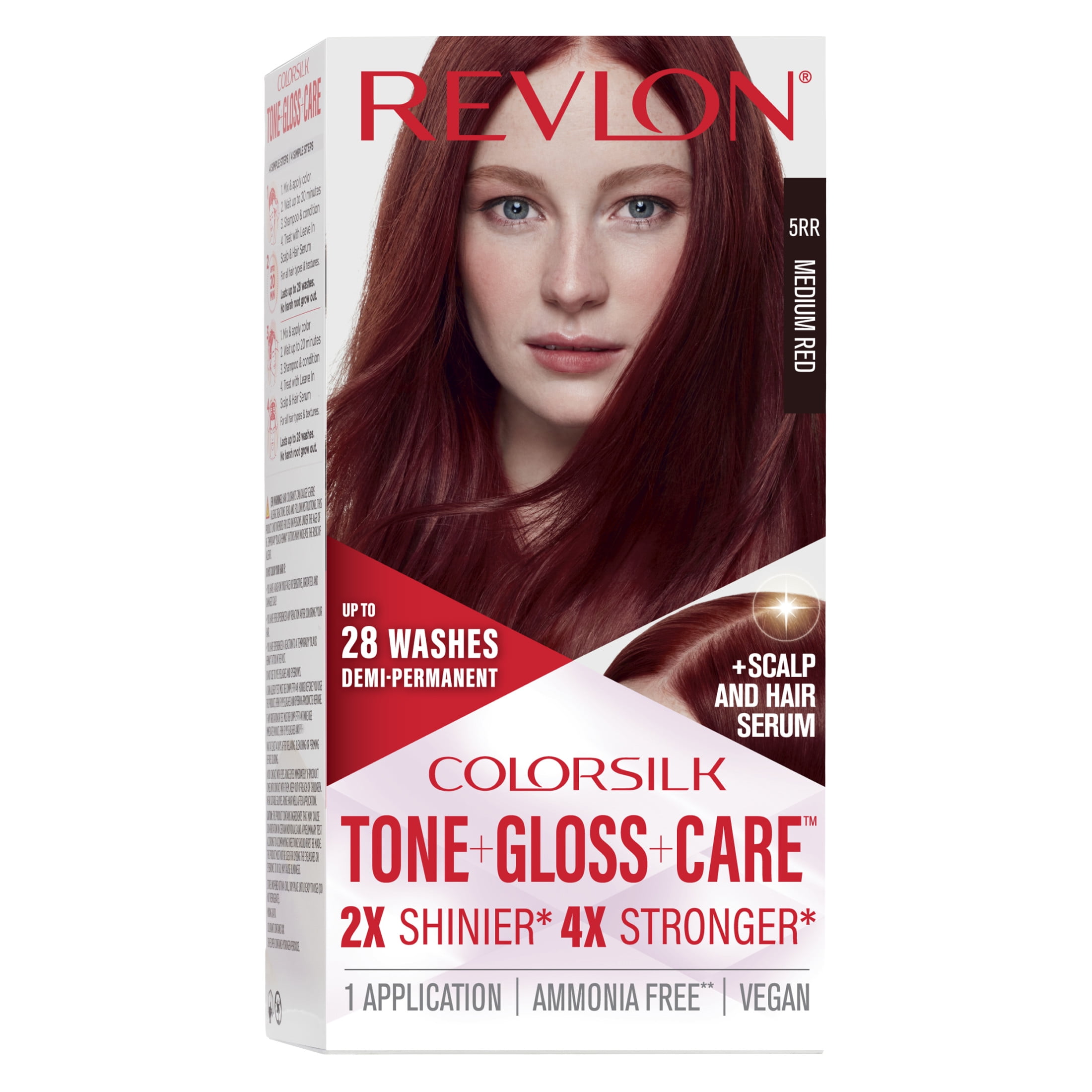
Using box dye repeatedly
Layering permanent dye over already colored hair can create uneven color and unnecessary damage. Permanent color generally does not lighten previously dyed hair well. A stylist may need to use a safer correction plan.
Skipping the strand test
Red pigments can behave differently on porous ends, gray hair, bleached sections, and natural roots. Test a small hidden section before using a new dye or color mask.
Overusing dry shampoo
Dry shampoo absorbs oil, but it does not clean the scalp. Heavy buildup can cause itching, dullness, and poor styling results. Wash the scalp when it needs proper cleansing.
A simple weekly routine for red hair
A consistent routine is easier to follow than a long list of products. Here is a practical starting plan for how to care for red hair.
On wash days
Brush or finger-detangle the hair before washing if needed.
Wet the hair with lukewarm water.
Shampoo the scalp gently.
Rinse thoroughly.
Apply conditioner from the mid-lengths to the ends.
Detangle with a wide-tooth comb.
Rinse with cool or lukewarm water.
Apply leave-in conditioner or heat protectant.
Dry gently with a microfiber towel.
Once each week
Use a moisturizing mask. If your hair is bleached, damaged, or unusually stretchy, add a light protein treatment when needed.
Every few weeks
Use a color-depositing conditioner if your shade needs a refresh. Clarify only when you notice buildup, dullness, or products that no longer rinse away well.
Every two to three months
Trim damaged ends and review your color plan. If your shade fades unevenly, ask a professional whether a gloss, toner, demi-permanent color, or adjusted home routine would work best.
When to see a professional
Home care can maintain color, but some problems need expert help. See a licensed hairstylist if you notice severe breakage, patchy color, chemical burns, or a major difference between your roots and ends.
Professional advice is also useful when:
• You want to go from dark brown to bright red.
• You have previously bleached hair.
• You need to remove black or very dark dye.
• Your hair feels gummy when wet.
• Your scalp burns, swells, or develops a rash.
• You want a major change from warm red to cool red.
A stylist can assess porosity, previous color, hair density, and condition before choosing a formula. Be honest about box dye, henna, bleach, relaxers, and home treatments. Hidden chemical history is one of the main causes of unexpected color results.
Henna deserves special care. Pure henna can be compatible with some hair routines, but products labeled “black henna” or those containing unknown metallic salts may create dangerous reactions with bleach or professional color. Keep the packaging and show it to your stylist.
Frequently Asked Questions About How to Care for Red Hair
How often should you wash red hair?
Many people can wash red hair two or three times per week, but your scalp may need a different schedule. Use a gentle, color-safe shampoo and avoid very hot water to help reduce fading.
How do you keep red hair from fading?
Wash less often when practical, use color-safe products, rinse with lukewarm water, and protect your hair from heat, sun, chlorine, and salt water. A color-depositing conditioner can refresh the shade between salon visits.
Is purple shampoo good for red hair?
Purple shampoo mainly neutralizes yellow tones and may not suit true red or copper hair. It can make warm red hair look dull when used too often, so choose a red, copper, or color-specific product instead.
Should you use cold water on red hair?
You do not need ice-cold water. Lukewarm water for washing and a cooler final rinse can feel gentler and may help reduce dryness compared with very hot water.
Can you use heat tools on red hair?
Yes, but use them carefully. Apply heat protectant, choose a moderate temperature, limit repeated passes, and avoid using hot tools on wet hair.
How often should you use a red color-depositing conditioner?
Start every two to four weeks and adjust based on fading. Always follow the product directions and test a small section first because porous ends may absorb more pigment.
Is natural red hair easier to care for than dyed red hair?
Natural red hair does not lose artificial dye, but it can still be dry, frizzy, or sensitive to heat and sun. Dyed red hair needs extra color protection, especially after bleaching or frequent chemical services.
Conclusion
Learning how to care for red hair comes down to gentle habits. Wash with mild products, use conditioner often, protect the hair from heat and sunlight, refresh color carefully, and avoid rough handling.
Your routine does not need to be complicated. Start with one change this week, such as lowering the water temperature or adding a heat protectant. Keep testing what works for your texture and color, and share your favorite red hair care tips in the comments.
