
Care for thin hair with gentle washing, light products, regular trims, and habits that protect fragile strands.
Learning how to care for thin hair starts with one key idea: fine strands need support, not heavy treatment. The right routine can reduce breakage, improve body, protect the scalp, and help your hair look fuller without making unrealistic promises about hair growth. This guide combines practical styling advice with dermatology-based care, so you can build a routine that works in real life.
What thin hair really means
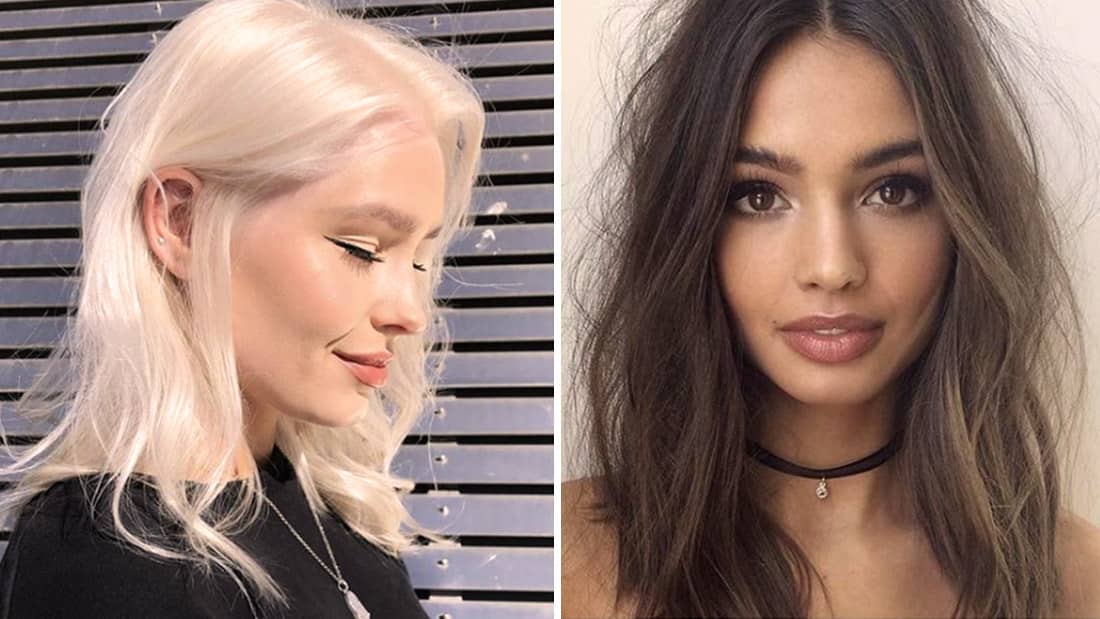
Thin hair can describe two different things. Fine hair refers to the width of each strand, while thinning hair refers to having fewer strands on the scalp. You may have fine hair with a full scalp, or you may notice both fine strands and reduced density.
This difference matters because the best approach depends on the cause. Fine hair often needs lightweight products and gentle handling. Hair that is becoming thinner may need medical evaluation, especially when shedding is sudden or severe.
Common signs include:
- A ponytail that feels smaller than before
- More scalp showing along the part
- A widening hairline or crown
- Short, broken hairs around the face
- Hair that becomes oily soon after washing
- Less volume after drying
- More hair collecting in the brush or shower
Thin hair is not always unhealthy. Genetics, age, hormones, illness, stress, nutrition, and styling habits can all affect hair density. Good hair care can protect the strands you have, but it cannot treat every cause of hair loss.

How to care for thin hair when washing
Washing thin hair should remove oil and buildup without leaving the scalp irritated or the strands dry. Many people with fine hair need to wash more often than people with coarse or curly hair because oil can flatten the roots quickly.
Use lukewarm water instead of very hot water. Hot water may increase dryness and irritation, while lukewarm water cleans well without stressing the scalp.
Follow these steps:
- Wet the hair fully before adding shampoo.
- Apply shampoo mainly to the scalp and roots.
- Massage with your fingertips, not your nails.
- Let the lather move through the lengths as you rinse.
- Apply conditioner from the mid-lengths to the ends.
- Rinse well so no heavy film remains.
A double shampoo may help if you use dry shampoo, oils, or styling products. However, you do not need to scrub hard. Think of your scalp as fabric that needs a gentle wash, not a deep carpet cleaning.
Choose a shampoo based on your scalp needs. A volumizing shampoo may help create a lighter feel, while a gentle, fragrance-free formula may suit a sensitive scalp. If you have flakes, itching, or redness, an anti-dandruff shampoo may help, but persistent symptoms deserve medical advice.
One lesson many people learn late is that conditioner is not the enemy. The problem is often using too much or applying it at the roots. A small amount on the ends can reduce tangles and breakage without flattening the crown.

Choose lightweight hair products
Product weight matters when learning how to care for thin hair. Thick creams, heavy oils, waxes, and rich masks can coat fine strands and make them look greasy or limp.
Look for products labeled:
- Lightweight
- Volumizing
- Weightless
- Oil-free
- Water-based
- For fine or delicate hair
A mousse or light root spray may give more lift than a rich styling cream. Apply a small amount first. You can always add more, but removing excess product often requires another wash.
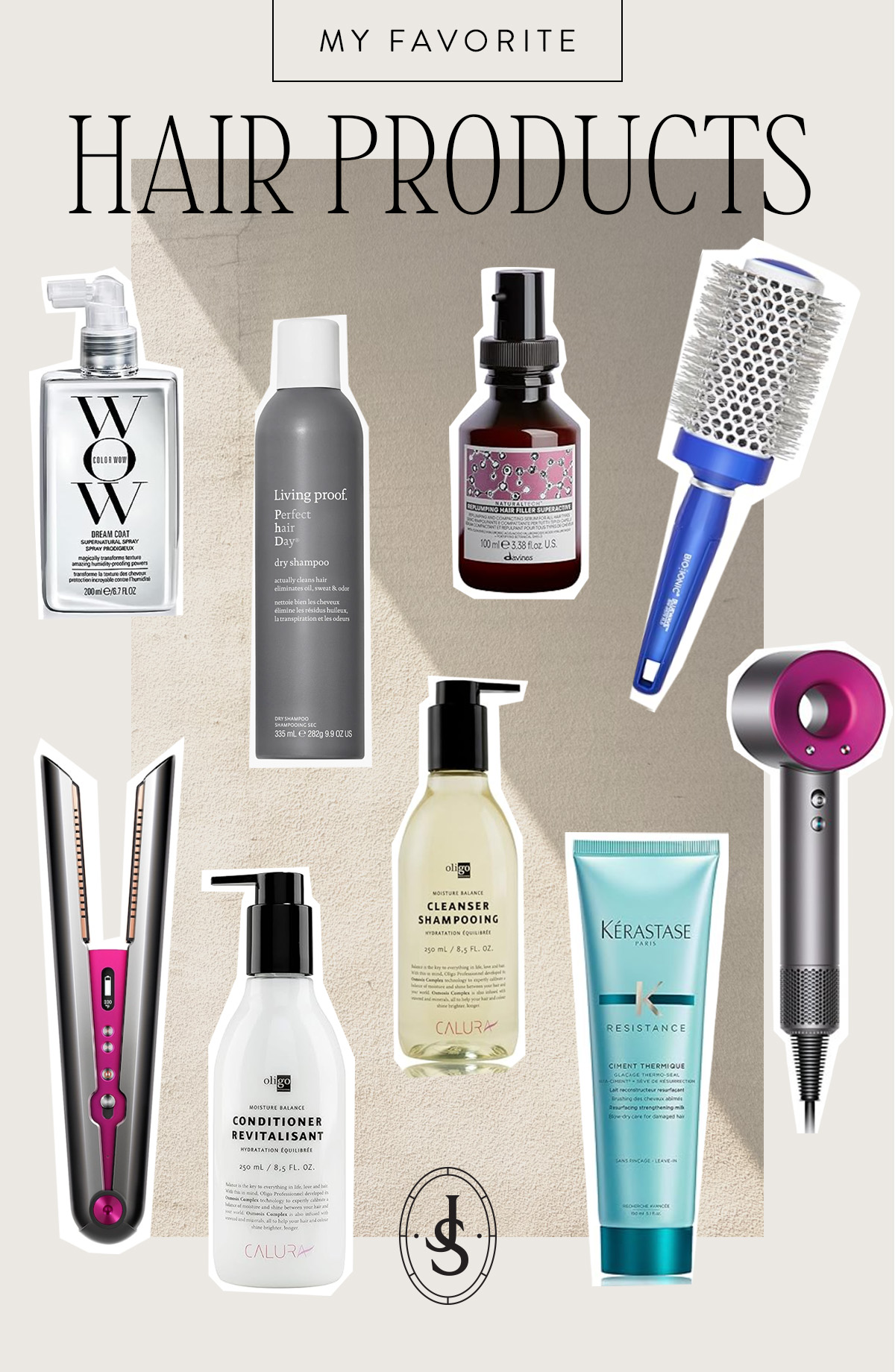
Dry shampoo can make roots look fresher and may add texture. Still, it should not replace regular washing. Excess buildup can cause itching, clogged follicles, or scalp irritation in some people. Spray it onto the roots, wait briefly, then massage or brush it through.
Hair oils require extra care. A tiny amount on the ends may reduce the look of dryness, but oil on the scalp can flatten fine hair and worsen buildup. Avoid treating oils as a cure for hair loss. They may improve shine, but they do not correct every cause of thinning.
Clarifying shampoo can remove buildup once in a while. Do not use it too often, because repeated use may strip moisture from the hair shaft. Follow with a light conditioner on the ends.
Protect thin hair from breakage
Fine strands are more likely to snap when wet, stretched, or exposed to repeated friction. This does not mean you must avoid brushing or styling. It means you should reduce unnecessary force.
After washing, gently squeeze out water with your hands. Use a soft microfiber towel or a clean cotton T-shirt instead of rubbing with a rough towel. Rubbing can create tangles and lift the outer cuticle of the hair.
When detangling:
- Start at the ends.
- Work upward in small sections.
- Use a wide-tooth comb or flexible detangling brush.
- Hold the hair near the roots to reduce pulling.
- Add a light leave-in conditioner if the ends catch.
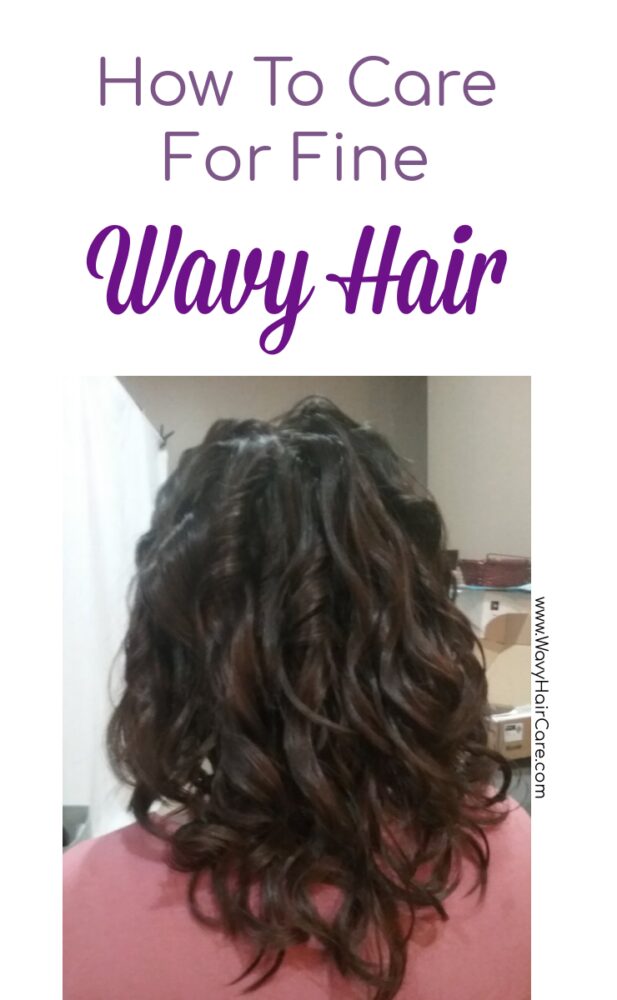
Wet hair stretches more easily than dry hair. Let it air-dry partly before brushing if your texture allows it. If you have curls or waves, use your fingers or a wide-tooth comb to keep the pattern intact.
Tight ponytails, buns, braids, and extensions can place steady tension on the roots. Worn often, these styles may contribute to traction-related hair loss. Choose loose styles and change the placement of your ponytail from day to day.
Silk or satin pillowcases may reduce friction for some people. They are not a treatment for thinning, but they can help limit tangles and surface breakage. A loose braid or soft scrunchie can also protect long hair while you sleep.

Use heat and color with care
Heat styling is one of the most common challenges for thin hair. Frequent high heat can weaken the hair cuticle and increase dryness, split ends, and breakage. This can make the hair appear thinner even when the follicles are healthy.
The safest approach is to use heat less often and at a lower setting. Apply a heat protectant before using a blow dryer, curling iron, or flat iron. A protectant reduces damage, but it does not make high heat harmless.
For safer styling:
- Let hair air-dry until it is partly dry.
- Keep the dryer moving.
- Hold the dryer several inches away.
- Use the lowest setting that works.
- Avoid passing a flat iron over the same section many times.
- Do not use hot tools on soaking-wet hair.
- Give your hair heat-free days each week.
Coloring can be compatible with thin hair, but repeated bleaching may cause serious breakage. Permanent color, bleach, relaxers, and chemical straightening can weaken the shaft. Leave enough time between treatments, and avoid overlapping chemical services on the same hair.
A haircut can also improve the appearance of fullness. Blunt ends often look denser than heavily layered ends. Very long hair may pull the roots down, so a shorter cut can create more lift. The best shape depends on your texture, face shape, and current density.
Build a scalp-friendly routine
The scalp is the soil from which hair grows, but this does not mean every scalp treatment will improve growth. A clean, calm scalp supports normal hair care, while irritation can increase discomfort and may worsen shedding from scratching.
Wash based on oil, sweat, and product use. If your scalp becomes oily each day, daily washing may be reasonable with a gentle shampoo. If your scalp is dry or your hair is curly, you may prefer less frequent washing.
Avoid scratching with your nails. If you notice ongoing itching, burning, sores, thick scale, or painful bumps, see a dermatologist. These signs may point to dandruff, psoriasis, folliculitis, infection, or another condition that home care cannot diagnose.
Be careful with scalp supplements and growth oils sold online. “Natural” does not always mean safe, and supplements can interact with medicines or provide too much of certain nutrients. Biotin, for example, is unlikely to help unless you have a true deficiency, and high doses can interfere with some lab tests.
Minoxidil may help certain types of hair loss, but it is not right for everyone. It can cause scalp irritation and an early increase in shedding, and results require continued use. Ask a health professional before starting it, particularly if hair loss is sudden, patchy, painful, or linked with other symptoms.

Support hair health through nutrition
Nutrition is an important part of how to care for thin hair, but more supplements are not always better. Hair growth depends on adequate energy, protein, iron, zinc, vitamin D, and other nutrients. Severe dieting or rapid weight loss can trigger increased shedding.
Try to include a balanced mix of:
- Eggs, fish, poultry, tofu, beans, or lentils for protein
- Leafy greens, beans, and lean meat for iron
- Nuts, seeds, and whole grains for zinc and healthy fats
- Fruits and vegetables for a range of vitamins
- Dairy or fortified alternatives for calcium and vitamin D
Very low-calorie diets can affect the hair cycle. If you have lost weight quickly, follow a restrictive diet, or have digestive symptoms, speak with a clinician or registered dietitian.
Do not take iron or other high-dose supplements without testing or professional advice. Too much iron can be harmful. A blood test may help identify anemia, thyroid problems, vitamin deficiencies, or other issues linked with shedding.
Stress can also affect the hair cycle. Significant emotional stress, illness, surgery, fever, or childbirth may lead to temporary shedding several weeks or months later. This condition often improves with time, but a clinician can help confirm the cause.

Create the appearance of fuller hair
Good styling can make thin hair look more voluminous while you address its underlying needs. Start with lift at the roots. Blow-dry the roots in the opposite direction of natural growth, then let them cool before arranging the hair.
Useful techniques include:
- Part your hair on the opposite side for instant lift.
- Use large rollers on dry roots for body.
- Apply mousse before blow-drying.
- Keep conditioner away from the scalp.
- Choose a blunt or lightly layered haircut.
- Use a small amount of texture spray on dry lengths.
- Avoid brushing out all volume after styling.
Hair fibers, tinted powders, and root sprays can disguise a wider part or visible scalp. Select a shade that matches your hair and remove the product during your next wash. These products improve appearance but do not stop hair loss.
Avoid backcombing or teasing the same areas every day. It can create knots and breakage. If you tease for a special event, use a soft brush to remove the style instead of pulling through the knot.
The goal is not to make thin hair behave like thick hair. It is to work with its natural texture. Fine hair can look polished, soft, and full when the routine stays light and the styling remains gentle.

Know when to see a dermatologist
Learning how to care for thin hair is useful, but home care has limits. See a dermatologist or primary care professional if you notice rapid shedding, bald patches, scalp pain, or a sudden change in hair texture.
Make an appointment if:
- Your part is widening over several months.
- You lose clumps of hair.
- Your hairline is receding quickly.
- You see smooth, round bald spots.
- Your scalp is red, sore, scaly, or crusted.
- Eyebrow or eyelash hair is also falling out.
- Hair loss begins after a new medicine.
- You have fatigue, irregular periods, temperature sensitivity, or unexplained weight change.
A clinician may examine the scalp, review your health history, and order blood tests. In some cases, they may use dermoscopy or recommend a biopsy. The right diagnosis is more helpful than guessing from social media advice.
Keep simple notes before your visit. Record when the shedding began, recent illness or stress, diet changes, new products, medicines, family history, and photos of your part over time. This information can reveal patterns that are hard to notice day by day.
Early evaluation does not guarantee a cure, but it can prevent delays. Some causes respond well to treatment, while others need long-term management. Honest advice should include both possibilities.
A simple weekly routine for thin hair
A consistent routine usually works better than a large collection of products. Here is a practical plan for how to care for thin hair during a normal week.
Wash days
Use a gentle shampoo on the scalp and a light conditioner on the ends. Blot with a soft towel, detangle slowly, and use a heat protectant if you blow-dry.
Between washes
Refresh only the roots if needed. Use a small amount of dry shampoo or a light styling product, and avoid adding layers of product each day without washing.
Once a week
Check your scalp for irritation, flakes, or bumps. Clean brushes and combs, and remove product buildup from styling tools.
Every few months
Trim damaged ends if they split or snag. Take a photo of your part and hairline in similar lighting if you want to track changes.
Every day
Avoid tight hairstyles, aggressive brushing, and unnecessary heat. Eat regular meals, protect your hair from strong sun and chlorine, and handle the strands as if they were delicate thread.
The best routine is one you can repeat. A simple plan followed for months is more useful than an expensive routine followed for a week.
Common mistakes to avoid
Many thin-hair problems come from small habits repeated over time. Changing these habits can improve the look and feel of your hair without a major expense.
- Washing with very hot water can increase dryness.
- Applying conditioner to the roots can reduce volume.
- Using too much dry shampoo can create buildup.
- Brushing aggressively can cause breakage.
- Wearing tight styles can stress the follicles.
- Sleeping with wet hair can increase tangles.
- Bleaching too often can weaken the shaft.
- Taking random supplements can create side effects.
- Expecting oils to regrow every type of hair loss can delay proper care.
- Comparing your hair with edited online images can create unrealistic expectations.
One practical mistake I often see is changing several products at once. If your scalp reacts, you will not know which product caused the problem. Introduce one new item at a time and give your routine enough time to show whether it helps.
Another mistake is judging hair health only by volume. Volume can change with humidity, styling, oil, and haircut shape. Track shedding, scalp comfort, breakage, and density over time instead of relying on one mirror check.
Frequently Asked Questions About How to Care for Thin Hair
How often should you wash thin hair?
Wash thin hair as often as needed to control oil, sweat, and buildup. For many people, that may mean daily or every other day, while dry or curly hair may need less frequent washing.
Is thin hair the same as fine hair?
No. Fine hair describes the width of each strand, while thin hair often describes reduced density or fewer strands on the scalp. A person can have fine strands and a full head of hair.
Which haircut is best for thin hair?
Blunt or lightly layered cuts often make the ends appear fuller. A professional stylist can adjust the length and shape based on your texture, face shape, and areas of lower density.
Can hair products make thin hair grow faster?
Most styling products can improve volume or reduce breakage, but they do not usually change the hair growth cycle. Sudden or ongoing thinning should be assessed by a health professional.
Does brushing cause hair loss?
Gentle brushing does not usually cause follicle-related hair loss, but rough brushing can break the hair shaft and make it look thinner. Detangle from the ends upward and avoid pulling through knots.
Are hair supplements helpful for thin hair?
Supplements help mainly when a deficiency exists. High doses may cause harm or interfere with medical tests, so ask a clinician about testing before taking iron, biotin, or other hair supplements.
Can stress cause thin hair?
Major stress, illness, surgery, or rapid weight loss can trigger temporary shedding. The hair cycle may take several months to recover, so speak with a clinician if shedding continues or becomes severe.
Conclusion
Thin hair needs a calm, consistent routine. Wash the scalp gently, choose light products, protect strands from heat and tension, eat balanced meals, and treat sudden changes as a reason to seek professional advice. These steps can reduce breakage and help your hair look healthier and fuller, even when genetics or medical conditions affect density.
Start with one change this week, such as moving conditioner away from the roots or lowering your heat setting. Track what works, stay patient, and explore trusted hair-care resources or professional guidance when you need more support.
