
Rosacea pustules often last several days to a few weeks, but treatment can shorten each flare.
If you are wondering how long do rosacea pustules last, the honest answer depends on your skin, triggers, and treatment. A single bump may fade within days, while a wider flare can return for weeks or keep recurring. This guide explains the usual timeline, what can slow healing, and when medical care can help.
What Are Rosacea Pustules?
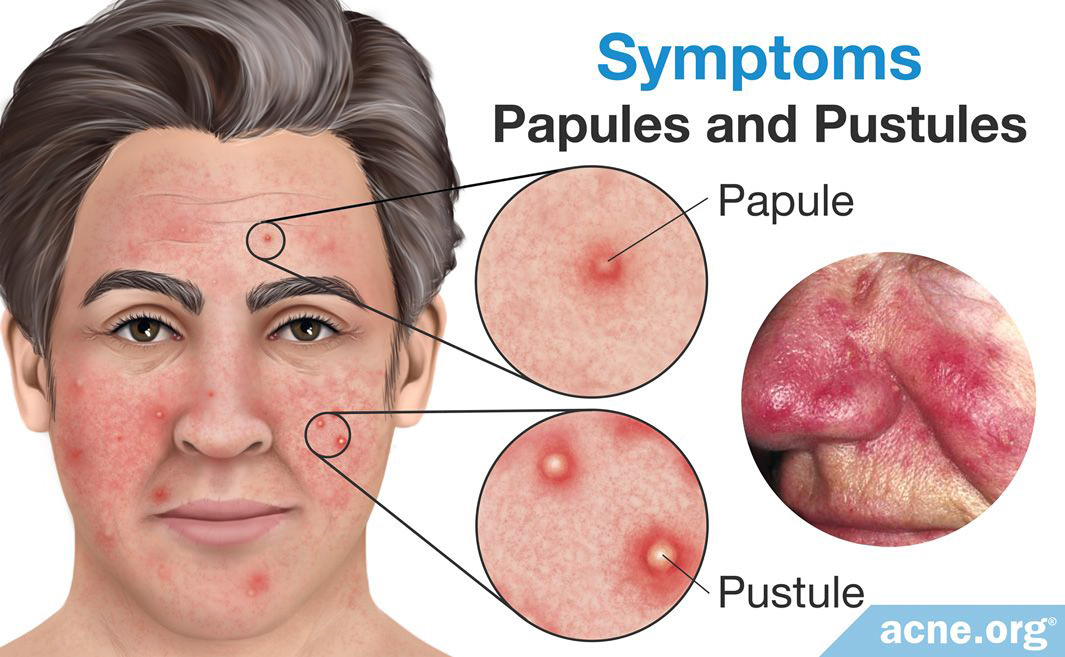
Rosacea pustules are small, pus-filled bumps that develop on skin affected by rosacea. They often appear on the cheeks, nose, chin, or forehead. They may look like acne, but rosacea is not the same as common acne.
Rosacea pustules often come with other signs, such as:
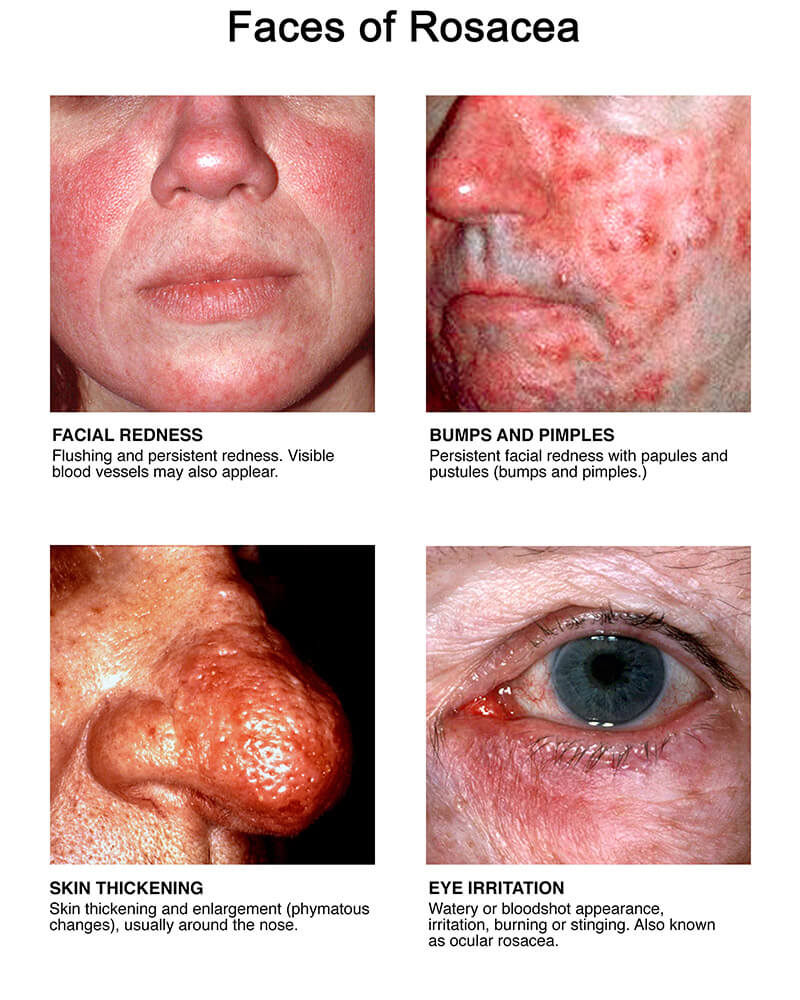
• A red or flushed face
• Small red bumps called papules
• Burning, stinging, or warmth
• Visible tiny blood vessels
• Dry, rough, or sensitive skin
• Eye irritation in some people
Unlike acne, rosacea usually does not cause blackheads. The redness around the bumps is also a key clue. Because several skin problems can look alike, a dermatologist may need to confirm the diagnosis.

How Long Do Rosacea Pustules Last?
For many people, an individual rosacea pustule lasts from a few days to about two weeks. Some deeper or more inflamed bumps may take several weeks to flatten. Without treatment, new pustules can appear before older ones fully clear.
The answer to how long do rosacea pustules last is not the same for everyone. A mild flare may settle quickly after a trigger stops. A strong flare may continue for weeks, especially if the skin faces repeated heat, sun, stress, alcohol, spicy food, or harsh products.
• Mild pustules may improve within several days.
• Moderate pustules may last one to three weeks.
• Repeated flares may continue for months without proper care.
• Prescription treatment may take four to eight weeks to show clear improvement.
Rosacea is often a long-term condition. This means a pustule can heal, but the tendency to develop new ones may remain. The goal is not only to clear the current bumps but also to reduce future flares.

What Affects the Healing Time?
Many factors can change how long do rosacea pustules last. The most important factor is whether the trigger continues. For example, daily sun exposure may keep the skin inflamed even when you use a gentle cleanser.
Common factors include:
Triggers
Heat, sunlight, hot drinks, alcohol, spicy meals, and emotional stress can widen facial blood vessels. This may increase redness and support more inflammation. Keeping a simple trigger diary can help you spot patterns.
Skin care habits
Scrubs, cleansing brushes, strong acids, retinoids, and fragranced products may irritate sensitive skin. Irritation can make a flare look worse and may delay recovery.
Rosacea subtype
Papulopustular rosacea is the type most linked with bumps and pustules. Some people also have flushing or visible vessels. Each symptom may respond to a different treatment.
Treatment
Early, suitable treatment may shorten a flare and reduce new lesions. However, results are not instant. Many rosacea treatments need several weeks of regular use.
Other skin conditions
Perioral dermatitis, acne, folliculitis, and allergic reactions can resemble rosacea. If the diagnosis is wrong, the selected treatment may not help. That is one reason persistent or worsening bumps deserve a professional review.

What Happens to a Rosacea Pustule as It Heals?
A rosacea pustule may first look red, swollen, and tender. Over time, the fluid can dry, the swelling can shrink, and the area may stay pink for a while. The bump may heal even though the surrounding redness remains.
Do not judge healing only by color. Rosacea can leave temporary redness after the raised bump has gone. This is called post-inflammatory erythema, and it may fade slowly.
Try not to squeeze or scratch the pustule. Picking can cause:
• More swelling and redness
• Broken skin
• Infection
• Scabbing
• Dark marks, especially in deeper skin tones
• A longer healing period
Think of the pustule as a small fire under the skin. Squeezing it may spread irritation instead of putting the fire out.
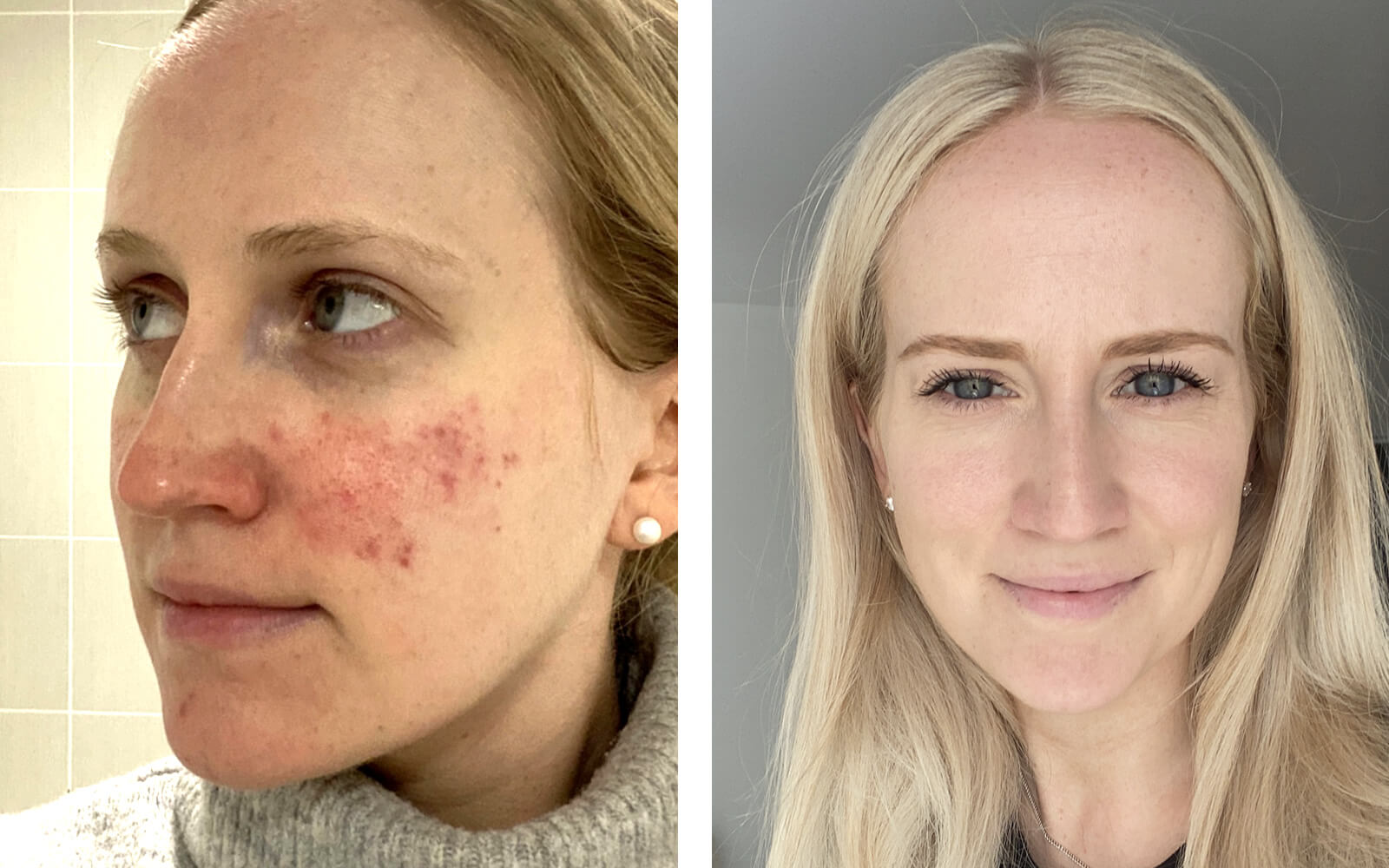
How to Help Rosacea Pustules Clear Faster
There is no safe overnight cure, but a calm routine can support healing. The aim is to reduce irritation and protect the skin barrier.
Follow these steps:
- Wash with lukewarm water and a mild, fragrance-free cleanser.
- Use clean fingertips instead of a scrub or cleansing brush.
- Pat the skin dry with a soft towel.
- Apply a plain moisturizer made for sensitive skin.
- Use broad-spectrum SPF 30 or higher each morning.
- Avoid picking, squeezing, or rubbing the bumps.
- Pause new or harsh products during a flare.
- Track food, heat, stress, and product triggers.
Mineral sunscreens with zinc oxide or titanium dioxide may feel gentler for some people. Still, every formula is different. Test a small area first if your skin reacts easily.
Cold, damp compresses may ease heat and discomfort for a short time. Do not place ice directly on your skin. Extreme cold can irritate rosacea just as heat can.

Medical Treatments That May Reduce Pustule Duration
A dermatologist may recommend topical or oral medicine based on the number of pustules, their severity, and your health history. Common prescription options include:
• Metronidazole cream, gel, or lotion
• Azelaic acid gel or foam
• Ivermectin cream
• Low-dose doxycycline
• Other oral antibiotics for selected cases
These medicines work in different ways. Some reduce inflammation. Others target factors linked with rosacea-related bumps. Antibiotics should be used only as prescribed, because unnecessary use can cause side effects and contribute to resistance.
Treatment often needs time. Many people notice early changes after several weeks, while clearer results may take two to three months. If a product causes strong burning, swelling, or a rash, stop and contact the prescriber.
Be careful with over-the-counter acne products. Benzoyl peroxide, salicylic acid, and retinoids may help acne, but they can irritate rosacea-prone skin. A clinician can help decide whether one is suitable and how to use it safely.
When Should You See a Dermatologist?
Make an appointment if pustules last longer than expected, keep returning, or do not improve with gentle care. Professional advice is especially useful when the bumps affect your confidence or daily life.
Seek medical care sooner if you notice:
• Rapidly spreading redness or swelling
• Severe pain or warmth
• Fever or feeling unwell
• Yellow crust, drainage, or signs of infection
• Eye pain, light sensitivity, or blurred vision
• A sudden rash after a new medicine
• Thickening skin around the nose
Eye symptoms need prompt attention. Rosacea can affect the eyelids and eye surface, and untreated eye inflammation may harm vision.
A dermatologist can also check whether the problem is acne, eczema, contact dermatitis, folliculitis, or another condition. Correct diagnosis is often the fastest path to knowing how long do rosacea pustules last in your specific case.

Common Mistakes That Can Make Pustules Last Longer
Many people try to fight rosacea with strong acne routines. That approach can backfire. More scrubbing does not always mean cleaner skin; it can mean a weaker skin barrier.
Avoid these common mistakes:
• Washing the face with hot water
• Using rough exfoliating scrubs
• Applying several new products at once
• Using topical steroids without medical advice
• Tanning or skipping sunscreen
• Covering irritated skin with heavy, fragranced makeup
• Changing treatment every few days
• Squeezing bumps to remove the fluid
One practical lesson from skin-care tracking is that consistency matters more than complexity. A simple routine used every day is often easier to assess than five new products used at once.
For a real-life example, imagine someone who develops bumps after hot coffee, outdoor heat, and a fragranced moisturizer. If that person changes all three at once, it may be hard to know what helped. A better plan is to record the pattern, remove likely irritants, and ask a clinician for a treatment plan.
Can Diet and Lifestyle Changes Help?
Lifestyle changes may reduce triggers, but they do not replace medical treatment when pustules are frequent or severe. Some people notice flares after alcohol, spicy food, hot drinks, or very warm environments. Others notice no food link at all.
Try a two to four-week diary. Record:
• Foods and drinks
• Sun and heat exposure
• Exercise
• Stress and sleep
• Skin products
• Flushing or pustule changes
Do not remove many foods without a clear reason. Restrictive diets can cause stress and poor nutrition. The best approach is personal and balanced.
During exercise, choose a cooler setting, take breaks, and drink cool water. Use a hat and seek shade outdoors. These steps may not prevent every flare, but they can reduce the number of triggers acting together.

What Research Says About the Timeline
Clinical guidance supports the idea that rosacea is a chronic inflammatory condition with periods of worsening and improvement. Pustules may clear with treatment, but the underlying tendency can remain. Studies of common topical treatments often assess improvement over several weeks rather than several days.
This explains why treatment timelines can feel frustrating. A medicine may be working even if the skin is not clear after one week. Dermatology care usually focuses on steady reduction in bumps, redness, and flare frequency.
No single timeline applies to every person. Research groups show average results, while individual response can vary due to skin type, rosacea severity, other conditions, and treatment use. A dermatologist can offer the most useful estimate after examining your skin.
Frequently Asked Questions About How Long Do Rosacea Pustules Last
How long do rosacea pustules last without treatment?
They may last several days to a few weeks, and new pustules may appear during that time. Repeated flares can continue for months if triggers and inflammation are not controlled.
How long do rosacea pustules last after starting treatment?
Many treatments need four to eight weeks before improvement is easy to see. Some people improve sooner, while others need a different medicine or a longer treatment period.
Can a rosacea pustule disappear overnight?
It is unlikely to fully disappear overnight. Gentle skin care, avoiding triggers, and cool compresses may reduce swelling, but rapid cures are not typical.
Should I pop a rosacea pustule?
No. Popping can increase inflammation, cause an open wound, and raise the risk of infection or scarring. Let it heal or ask a dermatologist about safer treatment.
Do rosacea pustules leave scars?
Most do not leave permanent scars when they are not picked. However, deep inflammation, repeated trauma, or an incorrect diagnosis can increase the risk of lasting marks.
When are rosacea pustules a sign of something more serious?
Seek care if pustules spread quickly, become very painful, drain heavily, or occur with fever. Eye pain, light sensitivity, or vision changes also need prompt medical attention.
Can rosacea pustules come back after they clear?
Yes. Rosacea often follows a flare and remission pattern. Trigger control and maintenance treatment may lower the chance of new pustules, but they may not prevent every flare.
Conclusion
So, how long do rosacea pustules last? A single pustule often improves within a few days to two weeks, while stronger or repeated flares may last several weeks. Treatment can help, but most options need consistent use for several weeks before results are clear.
Use a gentle routine, protect your skin from the sun, avoid picking, and track possible triggers. If the bumps persist, spread, or affect your eyes, arrange a dermatology visit. Use this guide to prepare your questions, and explore trusted skin-care resources for the next step.
