
Rosacea improves fastest with trigger control, gentle skin care, and clinician-guided treatment—not harsh home remedies.
If you are asking, “how do you get rid of rosacea fast,” you likely want relief from redness, burning, bumps, or visible blood vessels now. Rosacea is a long-term skin condition, so it rarely disappears overnight. Still, the right steps can calm a flare within days and help prevent the next one. This guide explains what works, what to avoid, and when to see a dermatologist.
What rosacea is and why it flares
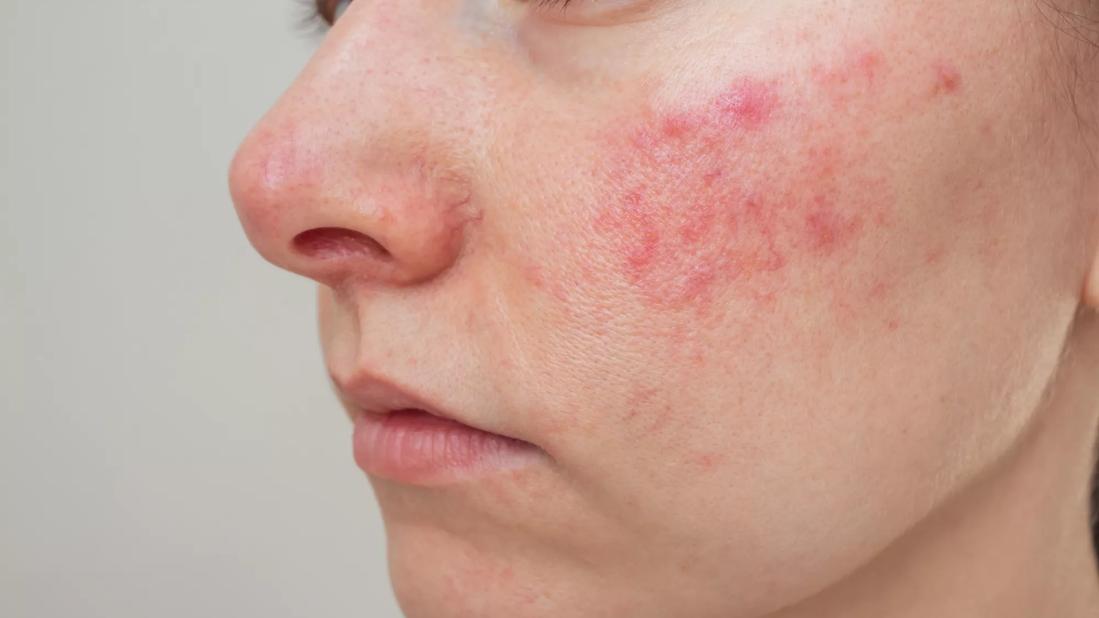
Rosacea is a common inflammatory skin condition that most often affects the cheeks, nose, chin, and forehead. It may cause flushing, lasting redness, small bumps, pus-filled spots, visible blood vessels, or sensitive skin. Some people also develop eye symptoms.
The exact cause is not fully known. Researchers believe it involves a mix of genetics, immune activity, blood vessel changes, skin microbes, and nerve sensitivity. Rosacea is not caused by poor hygiene, and it is not contagious.
Common triggers include:
• Sun exposure
• Heat, hot drinks, or hot showers
• Alcohol, especially red wine
• Spicy foods
• Stress and strong emotions
• Cold wind or sudden temperature changes
• Strenuous exercise
• Fragranced skin products
• Steroid creams used on the face without medical advice
A useful way to think about rosacea is to picture your skin barrier as a thin raincoat. When it is irritated, heat, wind, and strong products can pass through more easily. Protecting that barrier is one of the quickest ways to reduce discomfort.

How do you get rid of rosacea fast?
The fastest safe approach combines immediate cooling, trigger avoidance, gentle skin care, and medical treatment when needed. There is no reliable one-day cure, but many mild flares settle when you remove the cause and stop irritating the skin.
Try these steps during a flare:
- Rinse your face with lukewarm water. Avoid hot or icy water.
- Cleanse with a mild, fragrance-free product.
- Pat your skin dry with a soft towel. Do not rub.
- Apply a plain moisturizer while your skin is still slightly damp.
- Use a mineral sunscreen with zinc oxide or titanium dioxide.
- Move away from heat, direct sun, alcohol, and known food triggers.
- Avoid exfoliating acids, scrubs, retinoids, and strong acne products until the flare calms.
- Contact a dermatologist if symptoms are painful, persistent, or frequent.
For temporary redness, some people benefit from green-tinted mineral makeup. Prescription creams such as brimonidine or oxymetazoline may reduce facial redness for several hours, but they must be used as directed. In some people, redness can return or briefly worsen after the effect ends.
If bumps and pus-filled spots are present, a clinician may prescribe azelaic acid, ivermectin, metronidazole, or another treatment. Oral doxycycline may help moderate or severe inflammatory rosacea. These medicines treat inflammation rather than offering a permanent cure.
A simple 24-hour rosacea calming plan
When you need to calm rosacea quickly, keep your routine boring. Boring is often better for reactive skin.
Morning
• Wash with lukewarm water and a gentle cleanser.
• Apply a fragrance-free moisturizer.
• Use broad-spectrum SPF 30 or higher.
• Wear a hat and seek shade if you will be outdoors.
During the day
• Sip cool water instead of very hot drinks.
• Avoid alcohol and spicy meals while your skin is active.
• Keep exercise moderate and cool your body slowly afterward.
• Use a cool, damp cloth for a few minutes if your face feels hot.
• Do not press ice directly onto your skin.
Night
• Remove makeup gently without scrubbing.
• Cleanse once, unless you have heavy sweat or makeup.
• Apply moisturizer again.
• Sleep in a cool room if heat triggers flushing.
This plan may reduce burning and redness, but it may not remove visible blood vessels or deeper bumps. Those concerns often need prescription care or in-office treatment.
A practical lesson from dermatology guidance is that changing too many products at once makes it hard to find the trigger. Add only one new product at a time, and test it on a small area first.

The best skin care routine for fast relief
Gentle skin care does not cure rosacea by itself, but it can reduce irritation and help medical treatment work better. Look for products labeled fragrance-free, noncomedogenic, and suitable for sensitive skin.
Cleanser
Choose a cream or lotion cleanser without fragrance, menthol, alcohol, or harsh soap. Wash with your fingertips for about 10 seconds. A cleansing brush, rough cloth, or facial sponge may worsen redness.
Moisturizer
Use a simple moisturizer with ingredients such as ceramides, glycerin, or hyaluronic acid. These ingredients help hold water in the skin. Avoid products that sting when applied.
Sunscreen
Sunlight is one of the most common rosacea triggers. Use a broad-spectrum mineral sunscreen with SPF 30 or higher. Tinted mineral sunscreen can also soften the look of redness.
Apply sunscreen every morning, even on cloudy days. Reapply after swimming, sweating, or long outdoor periods.
Makeup
Choose fragrance-free makeup and remove it with a gentle cleanser. Green-tinted products may visually neutralize red tones, but they do not treat inflammation. Never sleep in makeup during a flare.
Ingredients to approach carefully
Some people with rosacea react to:
• Fragrance and essential oils
• Menthol, camphor, and eucalyptus
• Witch hazel
• High-strength alcohol
• Glycolic acid and salicylic acid
• Retinol and prescription retinoids
• Physical scrubs and peeling masks
These ingredients are not harmful for everyone. However, active rosacea skin often needs a rest from them.

Medical treatments that can work quickly
If you are wondering how do you get rid of rosacea fast when home care is not enough, medical treatment is usually the most reliable next step. A dermatologist can identify your rosacea type and choose treatment based on your symptoms.
For bumps and pimples
Prescription options may include:
• Azelaic acid to reduce inflammation and bumps
• Metronidazole to calm inflammatory lesions
• Ivermectin to reduce inflammatory bumps linked with facial mites and immune activity
• Low-dose doxycycline for moderate or severe inflammation
Improvement may begin within a few weeks, but full results often take longer. Use these medicines exactly as prescribed. More product does not mean faster results and may cause more irritation.
For lasting facial redness
Brimonidine and oxymetazoline can temporarily narrow facial blood vessels and reduce redness. They work for some people within hours. A clinician can explain how to apply them and what to do if redness returns after the medicine wears off.
For visible blood vessels
Laser or intense pulsed light treatment may reduce visible blood vessels and persistent redness. These treatments should be performed by an experienced medical professional. Results vary, and more than one session may be needed.
For thickened skin
Long-standing rosacea can rarely cause thickened skin, especially around the nose. A dermatologist may recommend medication, laser treatment, or a procedure to reshape the affected area.
Medical care matters because rosacea can resemble acne, lupus, seborrheic dermatitis, contact dermatitis, or another condition. Correct diagnosis prevents months of using the wrong product.

Home remedies that may help—and those to avoid
Some simple measures can soothe a flare. A cool, damp cloth may reduce heat and discomfort for a short time. A plain moisturizer can also help repair the skin barrier.
Avoid putting kitchen ingredients or concentrated oils on your face. Common online suggestions such as apple cider vinegar, lemon juice, baking soda, toothpaste, and undiluted tea tree oil can cause burns or allergic reactions. “Natural” does not always mean gentle.
Be careful with hydrocortisone and other steroid creams. They may reduce redness for a short time, but facial steroid use can trigger or worsen rosacea. Use them on your face only when a qualified clinician tells you to do so.
Do not pop rosacea bumps. Squeezing can increase inflammation, damage the skin barrier, and leave marks. Treat rosacea more like a sensitive flame than a clogged drain: reduce the heat instead of scrubbing harder.

How to prevent the next rosacea flare
Once your skin calms, prevention becomes easier. Keep a short trigger diary for two to four weeks. Record food, drinks, weather, stress, exercise, products, and symptoms.
Look for patterns such as:
• Flushing after hot coffee
• Redness after outdoor activity
• Burning after a new serum
• Bumps after several nights of poor sleep
• Flares during stressful work or family events
You do not need to avoid every possible trigger forever. The goal is to learn your own pattern and reduce the triggers that clearly affect you.
Helpful habits include:
• Wear a wide-brimmed hat outdoors.
• Use sunscreen every day.
• Keep showers warm, not hot.
• Let hot food cool before eating it.
• Exercise in a cool space and take breaks.
• Protect your face from cold wind.
• Introduce one skin product at a time.
• Follow your treatment plan even after symptoms improve.
Stress does not mean rosacea is “all in your head.” Stress can affect blood vessels and inflammation. Slow breathing, regular sleep, and short breaks may help lower the intensity of some flares.

When to see a dermatologist or eye doctor
Make an appointment if facial redness lasts for weeks, keeps returning, or affects your confidence. You should also seek care if you develop frequent bumps, visible blood vessels, burning, or thickened skin.
Rosacea may affect the eyes. Contact an eye doctor promptly if you have:
• Eye pain
• Light sensitivity
• Blurred vision
• A gritty feeling
• Red or swollen eyelids
• A feeling that something is stuck in your eye
Sudden facial swelling, trouble breathing, or swelling of the lips and tongue requires emergency care. Those symptoms may signal a serious allergic reaction rather than rosacea.
A clinician can also help distinguish rosacea from acne or an allergic reaction. This is especially important if symptoms began after a new medicine, cosmetic, or skin treatment.

Common mistakes that slow rosacea recovery
Many people search how do you get rid of rosacea fast and then try several aggressive treatments at once. That approach often backfires.
Avoid these common mistakes:
• Washing your face many times each day
• Scrubbing off flakes or bumps
• Using several acne treatments together
• Applying strong steroid creams without guidance
• Testing a new product during an active flare
• Skipping sunscreen because it feels irritating
• Drinking alcohol to relax while flushing is active
• Stopping prescription treatment as soon as the skin looks better
One of the most useful lessons in managing sensitive skin is to change less, not more. If a product burns, stop it and return to a basic cleanser, moisturizer, and sunscreen routine. Ask a clinician before restarting it.
Rosacea treatment is not always a straight line. A flare may improve, return, and improve again. That does not mean you failed. It means your triggers or treatment plan may need review.
Frequently asked questions about how do you get rid of rosacea fast
Can rosacea go away overnight?
Rosacea usually does not disappear overnight, especially when it causes lasting redness or visible blood vessels. Removing triggers, cooling the skin, and using prescribed treatment may reduce a mild flare within hours or days.
What is the fastest treatment for rosacea redness?
Prescription brimonidine or oxymetazoline may temporarily reduce facial redness within hours for some people. Mineral makeup can hide redness, but it does not treat the underlying inflammation.
Does ice get rid of rosacea fast?
Ice may briefly numb heat and discomfort, but it can irritate skin if placed directly on the face. Use a cool, damp cloth instead and avoid extreme temperature changes.
Is rosacea caused by poor hygiene?
No. Rosacea is not caused by dirt or poor hygiene, and washing harder will not cure it. Overwashing and scrubbing can damage the skin barrier and make symptoms worse.
What foods should you avoid with rosacea?
Common food triggers include spicy foods, alcohol, and very hot drinks, but triggers vary from person to person. Keep a diary rather than removing many foods without a clear pattern.
Can I use hydrocortisone for rosacea?
Do not use hydrocortisone on facial rosacea unless a qualified clinician recommends it. Steroid creams can cause rebound redness and may worsen rosacea over time.
When should I seek urgent help for rosacea?
Seek urgent eye care for eye pain, light sensitivity, blurred vision, or significant eye redness. Seek emergency help for facial swelling with breathing trouble or swelling of the lips or tongue.
Conclusion
The safest answer to how do you get rid of rosacea fast is to calm the skin, avoid personal triggers, protect your face from the sun, and seek clinician-guided treatment when symptoms persist. Gentle cleansing, a plain moisturizer, mineral sunscreen, and cool—not icy—compresses can help during a flare.
Do not scrub, pop bumps, use harsh home remedies, or apply facial steroids without medical advice. Start with a simple routine today, track your triggers, and arrange a dermatology visit if redness or bumps keep returning. Share your experience with rosacea or explore more evidence-based skin care guides for practical next steps.
