
A rosacea breakout usually lasts several days to a few weeks, depending on its type and trigger.
Knowing how long does a rosacea breakout last can make the condition feel less stressful. A brief flush may fade within hours, while bumps, swelling, and lasting redness can take weeks to settle. This guide explains the typical timeline, common triggers, treatment options, and signs that you should see a dermatologist.
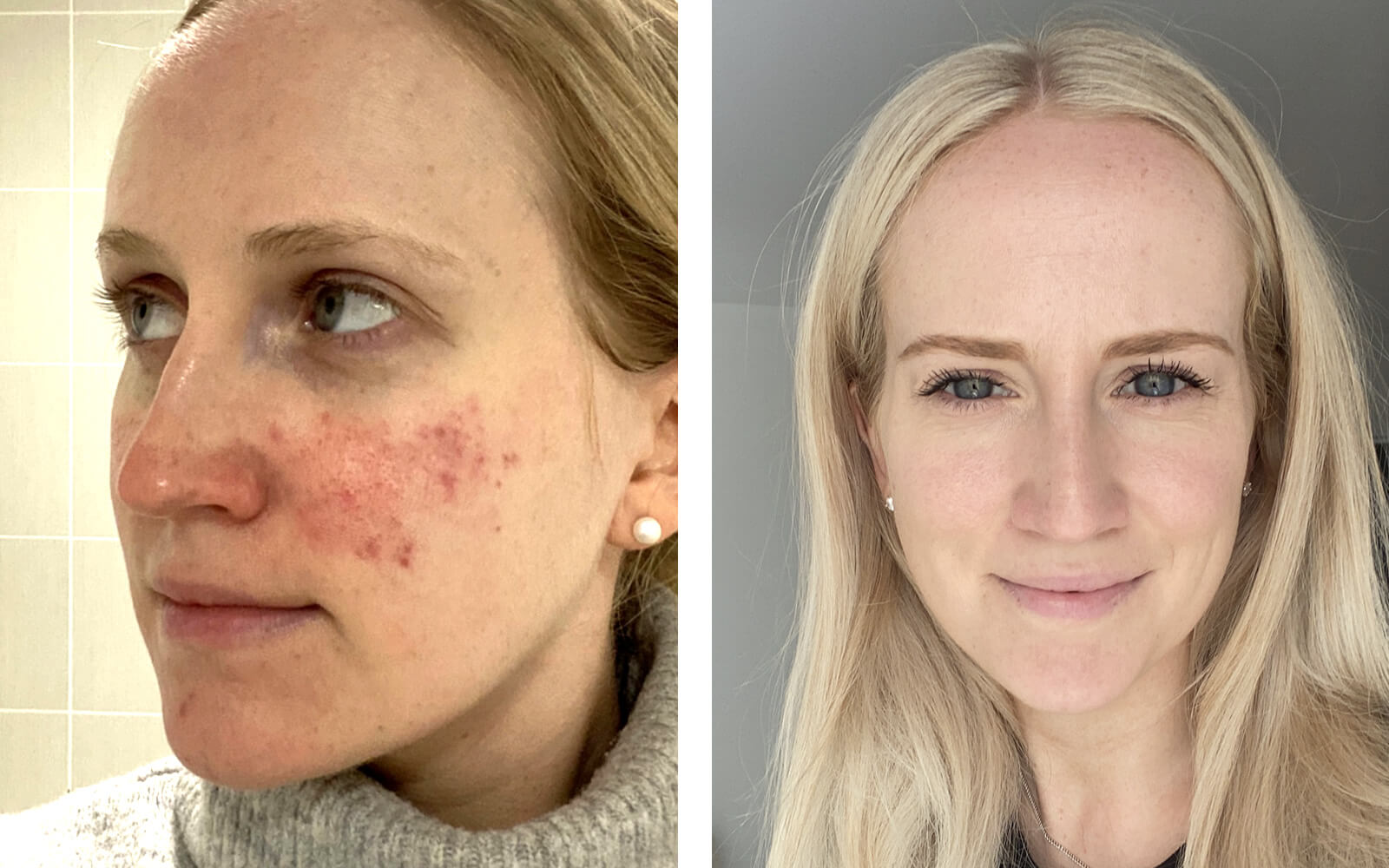
How long does a rosacea breakout last?
For many people, a rosacea breakout lasts from a few days to several weeks. The exact time depends on the rosacea subtype, the strength of the trigger, your skin barrier, and whether treatment begins early.
A simple flush may fade in less than an hour. However, a flare with red bumps and pus-filled spots may take two to six weeks to improve. Repeated flares can also leave redness that lasts longer than the original symptoms.
Here is a general guide:
• Flushing: A few minutes to several hours
• Burning or stinging: Several hours to a few days
• Redness: Several days to several weeks
• Rosacea bumps and pustules: Two to six weeks
• Swelling or thickened skin: Often longer and may need medical care
• Eye symptoms: May come and go but can persist without treatment
So, how long does a rosacea breakout last for one person compared with another? There is no single answer. Rosacea behaves more like a sensitive alarm system than a simple rash. Once triggered, the skin may remain reactive even after the original trigger is gone.

What affects the length of a rosacea flare?
Several factors can change how long does a rosacea breakout last. Some are within your control, while others relate to your skin type, genes, or medical history.
The type of rosacea
Rosacea has several patterns. Flushing and persistent redness often settle faster than raised bumps. Eye symptoms may continue until the inflammation receives proper care.
The main patterns include:
• Erythematotelangiectatic rosacea: Flushing and ongoing facial redness
• Papulopustular rosacea: Red bumps and pus-filled spots
• Phymatous rosacea: Thickened skin, often around the nose
• Ocular rosacea: Dry, gritty, red, or irritated eyes
A person with mild flushing may ask how long does a rosacea breakout last and expect a short answer. Someone with papulopustular or ocular rosacea may need a longer treatment plan.
The trigger
Common triggers include heat, sunlight, alcohol, spicy food, stress, hot drinks, exercise, and cold wind. A flare may last longer when exposure continues.
For example, one hot day may cause temporary flushing. Daily sun exposure without protection may keep the skin red for weeks. Finding your personal triggers can shorten future flares.
Your treatment plan
Rosacea often improves faster when treatment starts early. Dermatologists may recommend gentle skin care, sunscreen, prescription creams, oral medicine, or laser treatment based on the symptoms.
Stopping treatment as soon as the skin looks better can lead to another flare. Rosacea is a long-term condition, so control often matters more than a one-time cure.
Your skin barrier
Harsh scrubs, strong acids, fragranced products, and frequent product changes can damage the skin barrier. This may increase burning and make a breakout last longer.
Think of the skin barrier as a raincoat. When it is strong, it protects the skin. When it is damaged, wind, water, and skin care products can reach sensitive nerve endings more easily.
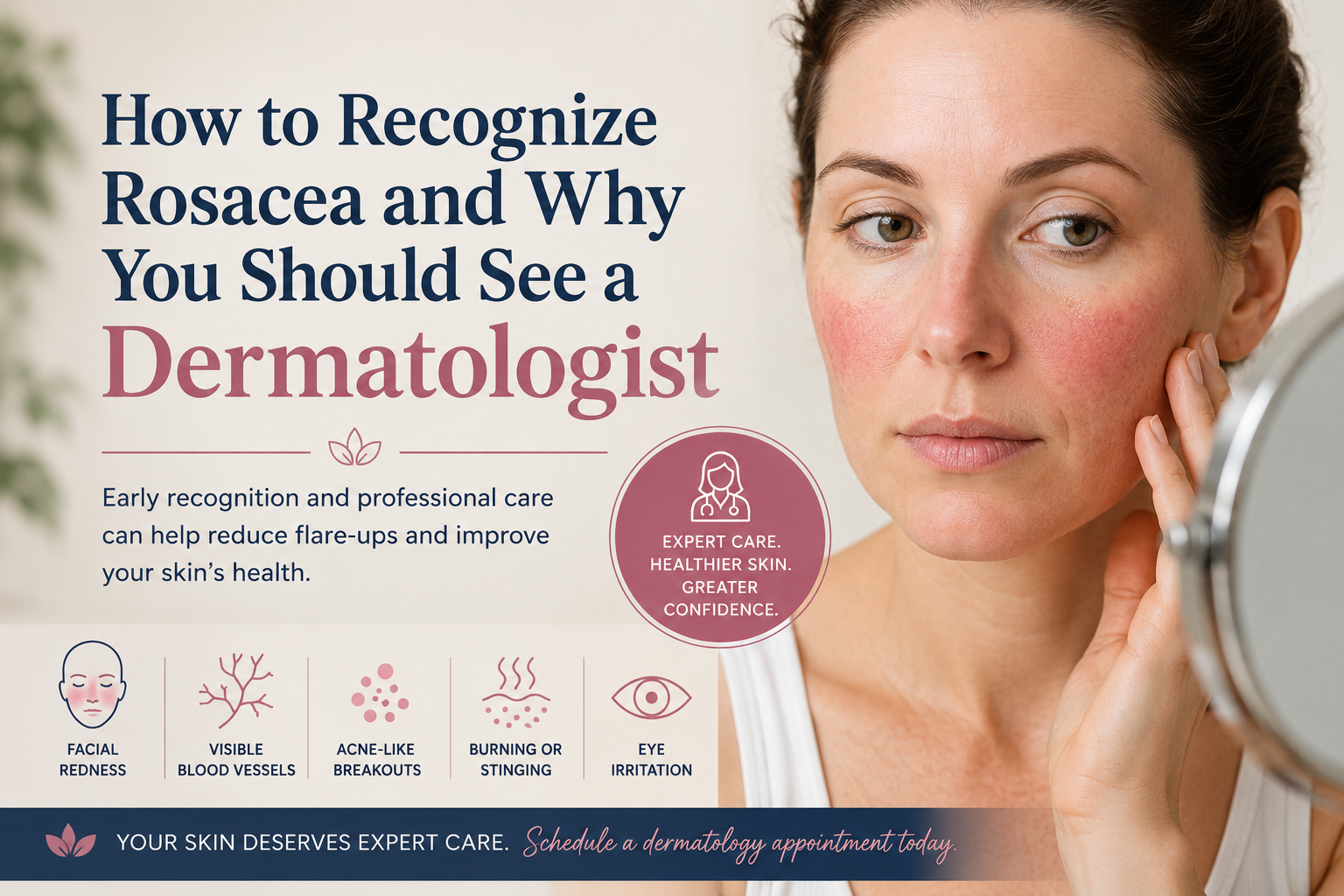
Rosacea breakout timeline by symptom
Understanding the timeline of each symptom can help you judge whether your skin is improving.
Facial flushing
Flushing can begin suddenly after heat, stress, exercise, or alcohol. It may fade within minutes or remain for several hours.
Over time, repeated flushing can become more frequent. Tiny facial blood vessels may also become more visible, causing redness that does not fully disappear between flares.
Red bumps and pustules
Papules and pustules usually take longer to settle than simple flushing. A mild breakout may improve within one to two weeks, while a stronger flare can last four to six weeks.
Do not squeeze these spots. Picking can increase swelling, cause scarring, and spread irritation. A cool compress and a simple skin routine are safer first steps.
Burning and stinging
Burning may last for hours or days. It can continue even when the skin looks only mildly red.
This symptom often worsens after using products with fragrance, alcohol, menthol, camphor, or exfoliating acids. Removing irritants may help the sensation settle sooner.
Facial swelling
Swelling can happen during an intense flare. It may affect the cheeks, nose, eyelids, or the area around the mouth.
Persistent swelling deserves medical advice. It may point to more active inflammation or another skin condition that resembles rosacea.
Eye symptoms
Ocular rosacea may cause dry eyes, redness, itching, light sensitivity, or a gritty feeling. Symptoms may last days or weeks and can return without warning.
Eye pain, blurred vision, strong light sensitivity, or sudden changes in sight need prompt medical care. Eye inflammation should not be treated as a minor cosmetic issue.

Why rosacea breakouts happen
Rosacea develops through a mix of inflammation, blood vessel changes, skin sensitivity, immune activity, and genetic factors. It is not caused by poor hygiene, and it is not contagious.
Many people have a lower tolerance for heat, sunlight, skin products, or changes in blood flow. Certain skin mites and microorganisms may also play a role in some cases, but they are not the sole cause of rosacea.
Common triggers include:
• Sunlight and ultraviolet exposure
• Hot weather, saunas, and hot showers
• Cold air and strong wind
• Spicy meals
• Alcohol, especially red wine
• Hot coffee, tea, or soup
• Stress and strong emotions
• Intense exercise
• Fragranced or irritating skin products
• Some medicines that widen blood vessels
A trigger does not affect everyone in the same way. One person may flare after a spicy meal, while another may react to cold air. Tracking your symptoms for two to four weeks can reveal useful patterns.

How to calm a rosacea breakout
If you are wondering how long does a rosacea breakout last, calming the skin early may help reduce its length. Use a gentle approach rather than trying several strong products at once.
Use a simple skin care routine
Clean your face with lukewarm water and a mild, fragrance-free cleanser. Use your fingertips instead of a brush, washcloth, or scrub.
After cleansing, apply a plain moisturizer. Look for ingredients such as ceramides, glycerin, or hyaluronic acid if your skin tolerates them.
In the morning, use broad-spectrum SPF 30 or higher. Mineral sunscreens with zinc oxide or titanium dioxide may feel more comfortable for some sensitive skin types.
Avoid common irritants
During a flare, pause products that may sting or dry the skin. These can include:
• Physical scrubs
• Strong exfoliating acids
• Retinoids
• Fragrance
• Essential oils
• Alcohol-heavy toners
• Benzoyl peroxide
• Very hot water
Not every person reacts to every ingredient. Still, a short “skin reset” can make it easier to identify what your skin accepts.
Cool the skin gently
A cool, damp cloth may reduce heat and discomfort. Do not place ice directly on your face, since extreme cold can worsen irritation or damage the skin.
Move away from heat and drink water if you feel overheated. Cooling your environment can help a trigger-related flare settle.
Follow prescribed treatment
A dermatologist may prescribe topical medicine such as metronidazole, azelaic acid, ivermectin, or another suitable treatment. Oral antibiotics or other medicines may be used for more active inflammation.
Some treatments work within weeks, not overnight. Ask your clinician how to use the medicine and when to expect results. Do not use someone else’s prescription or apply steroid cream without medical guidance.
Keep a trigger diary
Write down what you ate, drank, used on your skin, and did before a flare. Record the date, symptoms, and how long the flare lasted.
This simple habit can answer how long does a rosacea breakout last in your own case. It may also show whether a product, food, weather change, or stress pattern is involved.

Mistakes that can make a rosacea flare last longer
People often try to remove redness quickly. Unfortunately, aggressive treatment can make the skin more inflamed.
Avoid these common mistakes:
• Scrubbing away flakes or bumps
• Washing with hot water
• Trying several new products at once
• Using strong acne treatments without guidance
• Applying thick makeup that irritates the skin
• Skipping sunscreen
• Popping rosacea bumps
• Using topical steroids without a clinician’s advice
• Ignoring eye symptoms
A useful lesson from real-world skin care is that consistency usually beats intensity. When the skin is reactive, fewer products and slower changes often work better than a crowded routine.
Another common mistake is judging treatment after only two or three days. Many rosacea treatments need several weeks. If your skin is worsening, burning, or developing new symptoms, contact a health professional rather than pushing through.

When to see a dermatologist
Make an appointment if redness, bumps, or burning continue despite gentle skin care. You should also seek advice if flares are becoming more frequent or are affecting your daily life.
A dermatologist can confirm whether the problem is rosacea. Conditions such as acne, seborrheic dermatitis, lupus, contact dermatitis, and perioral dermatitis can look similar.
Seek prompt medical help for:
• Eye pain or vision changes
• Severe light sensitivity
• Rapid facial swelling
• Skin sores or signs of infection
• A rash that spreads quickly
• Breathing trouble or swelling of the lips
There is no reliable way to predict exactly how long does a rosacea breakout last without knowing the symptoms and cause. A professional diagnosis can prevent months of trial and error.
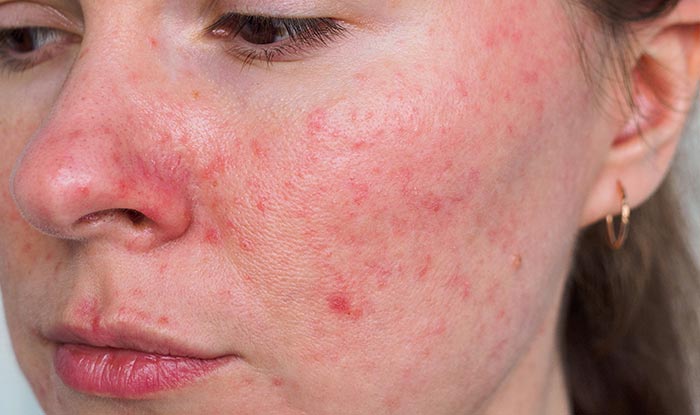
Can rosacea be cured?
There is currently no permanent cure for rosacea, but it can often be managed well. Treatment aims to reduce flares, control redness, calm inflammation, and protect the skin.
Some people have long periods with few symptoms. Others need ongoing treatment and trigger control. Improvement may be gradual, and the best plan can change over time.
Laser and light treatments may help visible blood vessels and persistent redness. These treatments require a qualified provider and may not suit every skin tone or symptom pattern.
Results also vary. A product that works well for one person may irritate another. This is why personalized medical advice matters.

Frequently Asked Questions About How Long Does a Rosacea Breakout Last
How long does a mild rosacea breakout last?
A mild flare may improve within a few days, especially after removing the trigger. Persistent redness or bumps may take two to six weeks to settle.
How long does a rosacea breakout last without treatment?
Some mild flares fade on their own, but others can continue for weeks or return often. Untreated rosacea may become more persistent over time, so medical advice is useful when symptoms do not improve.
Can a rosacea breakout go away overnight?
Simple flushing may fade overnight, but bumps and pustules usually do not. Products that promise instant results may irritate sensitive skin and make the flare last longer.
Does sunscreen help a rosacea breakout heal faster?
Sunscreen does not instantly heal a flare, but it can reduce ultraviolet exposure, a common trigger. Use broad-spectrum SPF 30 or higher and choose a formula that does not sting.
When should I worry about a rosacea breakout?
Contact a clinician if symptoms last several weeks, keep returning, or interfere with your life. Seek urgent care for eye pain, vision changes, severe swelling, or breathing problems.
Can stress make a rosacea breakout last longer?
Stress can trigger flushing and may increase skin sensitivity. Relaxation, regular sleep, gentle skin care, and professional treatment may help reduce its effect.
Is rosacea the same as acne?
No. Rosacea can cause acne-like bumps, but it often includes flushing, burning, visible blood vessels, or sensitivity. Acne and rosacea need different treatments, so an accurate diagnosis is important.
Conclusion
So, how long does a rosacea breakout last? A short flush may fade within hours, while redness, bumps, and pustules can last from several days to six weeks. The trigger, rosacea type, skin barrier, and treatment plan all affect the timeline.
Use gentle products, protect your skin from the sun, track triggers, and avoid picking or scrubbing. If symptoms continue, worsen, or involve your eyes, arrange a dermatology visit for a clear diagnosis and treatment plan. Explore trusted skin care resources, and share your experience with rosacea so others can feel less alone.
