
Rosacea care starts with gentle skin care, trigger control, daily sunscreen, and medical treatment when needed.
If you are asking, “how do you take care of rosacea,” the answer is not a single cream or trick. Rosacea is a long-term skin condition, but a steady routine can calm redness, reduce flare-ups, and protect your skin barrier. This guide explains what causes rosacea symptoms, which treatments help, what mistakes to avoid, and when to see a dermatologist.
What Is Rosacea?
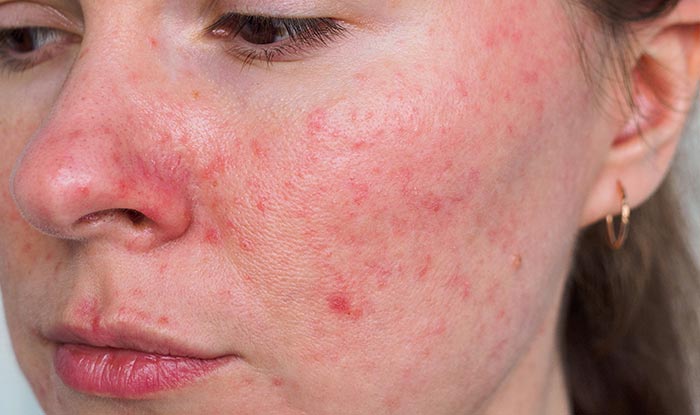
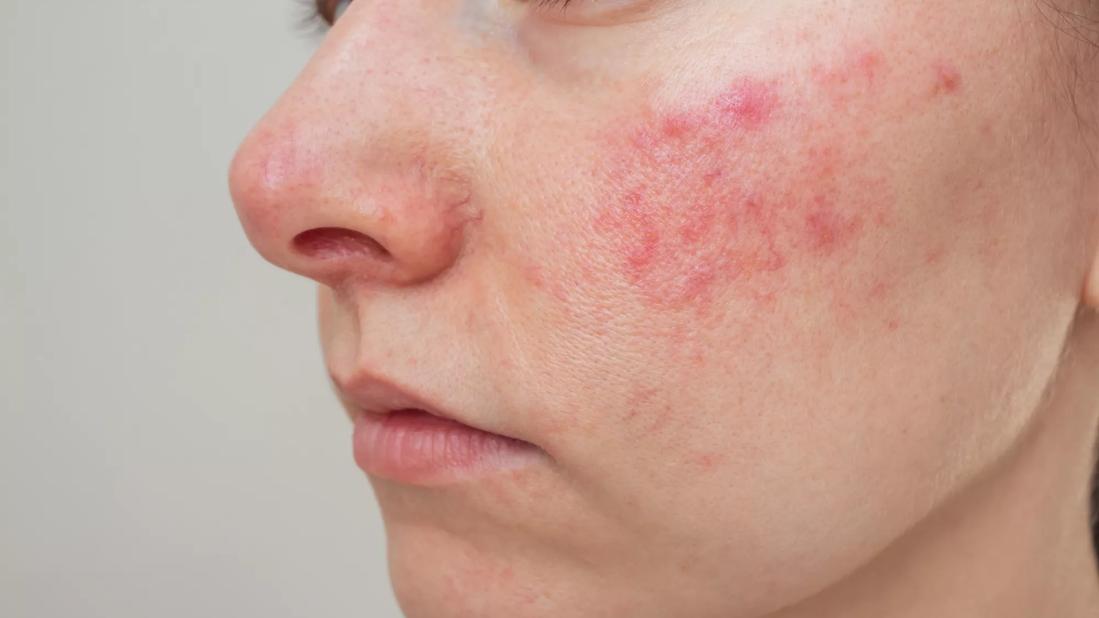
Rosacea is a common skin condition that mainly affects the face. It often causes flushing, lasting redness, visible blood vessels, burning, bumps, or pus-filled spots. Some people also develop dry, irritated eyes or thickened skin around the nose.
Rosacea can look like acne, sunburn, an allergy, or sensitive skin. That is why a correct diagnosis matters. Acne products may be too harsh, while steroid creams can make rosacea worse if used without medical advice.
Rosacea usually follows a cycle. The skin becomes reactive, blood vessels widen, and inflammation increases. Think of the skin barrier as a brick wall. When that wall is weak, heat, wind, products, and sunlight can slip through more easily.

How Do You Take Care of Rosacea Every Day?
The best daily routine is simple. Use mild products, avoid rubbing your face, and protect your skin from the sun. Consistency matters more than using many products.
Morning routine
- Wash with lukewarm water and a gentle, fragrance-free cleanser.
- Pat your face dry with a soft towel.
- Apply a plain moisturizer made for sensitive skin.
- Use a broad-spectrum sunscreen with SPF 30 or higher.
- Wear a hat or seek shade when the sun is strong.
Mineral sunscreens with zinc oxide or titanium dioxide may feel more comfortable for sensitive skin. If sunscreen stings, try a fragrance-free mineral formula and test it on a small area first.
Evening routine
- Remove makeup gently without scrubbing.
- Cleanse with a mild, nonfoaming cleanser.
- Apply any prescribed rosacea medicine as directed.
- Use moisturizer after the medicine has absorbed, if your clinician recommends it.
When people ask how do you take care of rosacea, I often point out that “less” is a useful rule. A short routine is easier to follow and gives your skin fewer chances to react.

Choose Rosacea-Friendly Skin Care Products
Rosacea-prone skin can react to products that feel fine on other skin types. Read labels and choose products that support the skin barrier.
Look for:
• Fragrance-free formulas
• Cream or lotion moisturizers
• Mild, nonsoap cleansers
• Products labeled for sensitive skin
• Ingredients such as ceramides, glycerin, and hyaluronic acid
• Noncomedogenic products if you also get clogged pores
Use caution with:
• Alcohol-heavy toners
• Menthol and camphor
• Eucalyptus and peppermint oils
• Fragrance and essential oils
• Harsh scrubs
• Facial brushes
• Strong exfoliating acids
• Very hot water
• At-home chemical peels
“Natural” does not always mean gentle. Essential oils and plant extracts can irritate rosacea, even when they come from a natural source.
Patch-test a new product before applying it to your whole face. Place a small amount near the jaw or behind the ear for several days. Stop if you notice burning, swelling, itching, or a worsening rash.
Identify and Avoid Rosacea Triggers
Triggers vary from person to person. One person may flush after hot coffee, while another reacts to wind, stress, or spicy food. Keeping a simple diary can help you find your pattern.
Common rosacea triggers include:
• Sun exposure
• Hot weather
• Cold wind
• Sudden temperature changes
• Hot drinks
• Spicy foods
• Alcohol
• Stress and strong emotions
• Intense exercise
• Hot baths and saunas
• Harsh skin products
• Certain medicines
You do not need to avoid everything on this list. Total restriction can make daily life stressful and may not be useful. Instead, track what happens before a flare and change one factor at a time.
For example, write down the food or drink, weather, activity, skin products, and symptoms. After two to four weeks, patterns may become easier to see. This approach is more reliable than blaming every flare on the last thing you ate.
A practical tip is to cool down slowly after exercise. Choose a cooler room, sip cool water, and use a fan. Avoid placing ice directly on your face because extreme cold can also irritate sensitive skin.

Use Sun Protection Every Day
Sun exposure is one of the most common rosacea triggers. It can increase flushing and inflammation, even on cool or cloudy days. Daily sun protection is one of the most important answers to how do you take care of rosacea.
Use a broad-spectrum SPF 30 or higher. Apply it to the face, ears, neck, and other exposed areas. Reapply every two hours when outdoors, and reapply after sweating or swimming.
You can add physical protection:
• Wear a wide-brimmed hat.
• Use sunglasses.
• Sit in the shade.
• Avoid direct midday sun when possible.
• Use a car sunshade during long drives.
If sunscreen burns, do not simply push through it. Try a fragrance-free mineral sunscreen, apply moisturizer first, and test the product on a small area.

Medical Treatments for Rosacea
Skin care can help, but many people need prescription treatment. A dermatologist can match treatment to your main symptoms, such as redness, bumps, visible vessels, or eye problems.
Common prescription options include:
• Metronidazole for inflammatory bumps and redness
• Azelaic acid for bumps and inflammation
• Ivermectin for inflammatory lesions linked with microscopic mites
• Brimonidine or oxymetazoline to temporarily reduce facial redness
• Oral doxycycline for moderate or severe inflammatory rosacea
• Laser or light treatment for visible blood vessels and lasting redness
These treatments do different jobs. A cream that reduces bumps may not remove visible blood vessels. A redness-reducing gel may work for several hours but does not cure rosacea.
Use prescription products exactly as instructed. Apply more medicine than directed does not speed recovery and may cause irritation. Improvement may take several weeks, so keep notes and discuss progress with your clinician instead of changing treatment every few days.
Pregnant or breastfeeding people should ask a health professional before using any rosacea medicine. The same applies if you have eye symptoms, take several medicines, or have another skin condition.

How Do You Take Care of Rosacea Around the Eyes?
Rosacea can affect the eyes and eyelids. Symptoms may include dryness, burning, gritty feelings, watery eyes, red eyelids, or repeated styes. Eye rosacea should not be ignored.
Helpful steps may include:
• Use preservative-free artificial tears if recommended.
• Clean the eyelid edges gently with approved eyelid wipes.
• Avoid eye makeup during flares.
• Replace old eye makeup regularly.
• Do not rub your eyes.
• Arrange an eye exam if symptoms continue.
Seek urgent medical care for eye pain, light sensitivity, blurred vision, or a sudden change in sight. These signs may point to corneal inflammation, which needs prompt treatment.
Common Mistakes That Can Make Rosacea Worse
Many people try to treat rosacea like acne. This often leads to over-washing, scrubbing, or using several strong products at once. The result can be more redness and a weaker skin barrier.
Avoid these common mistakes:
• Washing with hot water
• Scrubbing away flakes or bumps
• Using rough towels or cleansing brushes
• Starting several new products together
• Applying steroid cream without medical advice
• Picking at bumps
• Stopping treatment as soon as the skin improves
• Assuming every facial rash is rosacea
• Using tanning beds
• Ignoring eye symptoms
One useful lesson is to change only one part of your routine at a time. If your skin reacts, you can then identify the likely cause. This is much easier than trying to solve a flare caused by five new products.

How Do You Take Care of Rosacea During a Flare?
A flare can feel alarming, but calming the skin is usually better than attacking it with strong products. Stop any new product that may have caused irritation and return to your basic routine.
During a flare:
- Wash with lukewarm water and a gentle cleanser.
- Apply a plain moisturizer.
- Use a cool, damp cloth for a few minutes if it feels soothing.
- Avoid heat, alcohol, spicy food, and intense exercise for a short time.
- Protect your face from wind and sunlight.
- Follow your prescribed treatment plan.
Do not put ice directly on the skin. Do not use numbing creams, steroid creams, or harsh acne treatments unless a clinician tells you to do so.
If flares are frequent, painful, or hard to control, schedule a dermatology visit. Your diagnosis or treatment plan may need review.

Diet, Stress, and Lifestyle Changes
There is no single rosacea diet that works for everyone. However, some people notice flares after spicy foods, alcohol, hot drinks, or large amounts of caffeine. A food and symptom diary can help you make sensible changes without cutting out foods unnecessarily.
Stress does not cause rosacea by itself, but it may trigger flushing. Simple habits can help lower stress:
• Take short walks.
• Practice slow breathing.
• Keep a regular sleep schedule.
• Cool your work or sleeping space.
• Plan breaks during demanding days.
• Tell friends and family what triggers your symptoms.
Exercise is still important. Try cooler forms of activity, such as walking, swimming in a comfortable pool, or light strength training. Exercise indoors or during cooler hours if heat triggers your flushing.
When Should You See a Dermatologist?
Make an appointment if facial redness lasts, keeps returning, or affects your confidence. A dermatologist can distinguish rosacea from acne, seborrheic dermatitis, lupus, contact dermatitis, and other conditions that can look similar.
Professional care is especially important when:
• Over-the-counter products do not help
• You have frequent or severe flares
• Red bumps or pustules are spreading
• Redness is becoming permanent
• Visible blood vessels bother you
• Your nose skin is thickening
• Your eyes feel painful, gritty, or light-sensitive
• Your symptoms affect work, sleep, or social life
A dermatologist may suggest a combination of skin care, prescription medicine, and laser treatment. No treatment works perfectly for everyone, and rosacea often needs long-term management rather than a one-time cure.
Frequently Asked Questions About How Do You Take Care of Rosacea
Can rosacea go away permanently?
Rosacea often cannot be cured permanently, but its symptoms can usually be managed. A steady routine, trigger control, and medical treatment can reduce flares and help prevent worsening.
What is the best moisturizer for rosacea?
Choose a fragrance-free cream or lotion with barrier-supporting ingredients such as ceramides or glycerin. Test new products on a small area first, especially if your skin burns easily.
Should you wash your face twice a day with rosacea?
Many people do well with gentle cleansing once or twice daily. Use lukewarm water, avoid scrubbing, and cleanse after sweating if needed.
Is sunscreen important for rosacea?
Yes. Sun exposure is a common trigger and may worsen redness over time. Use broad-spectrum SPF 30 or higher every day, with a mineral formula if chemical sunscreen stings.
Can you exfoliate when you have rosacea?
Physical scrubs and strong exfoliants often irritate rosacea-prone skin. Ask a dermatologist before using acids, retinoids, or exfoliating treatments.
Does drinking alcohol always cause rosacea flares?
Alcohol triggers flushing for some people, but not everyone reacts in the same way. Track your symptoms to learn whether alcohol, the type of drink, or the amount affects your skin.
How long does rosacea treatment take to work?
Some treatments may reduce redness within hours, while others need several weeks. Follow the treatment plan consistently and contact your clinician if irritation is severe or symptoms do not improve.
Conclusion
Knowing how do you take care of rosacea starts with gentle habits: cleanse softly, moisturize, use sunscreen, learn your triggers, and avoid harsh products. Prescription treatment can help control bumps, flushing, visible vessels, and eye symptoms when basic skin care is not enough.
Rosacea management is a process, not a test you pass or fail. Start with a simple routine, record your flares, and ask a dermatologist for personalized care when needed. Share this guide with someone managing sensitive skin, and explore trusted dermatology resources for more support.
