
Rosacea on your face is treated with gentle skin care, trigger control, prescription medicine, and daily sun protection.
Learning how do you treat rosacea on your face starts with one key fact: rosacea is a long-term skin condition, not a simple rash. Redness, flushing, visible blood vessels, bumps, stinging, and dry skin can all need different care. This guide explains evidence-based treatment options, common mistakes, and when to see a dermatologist.

What Is Rosacea?
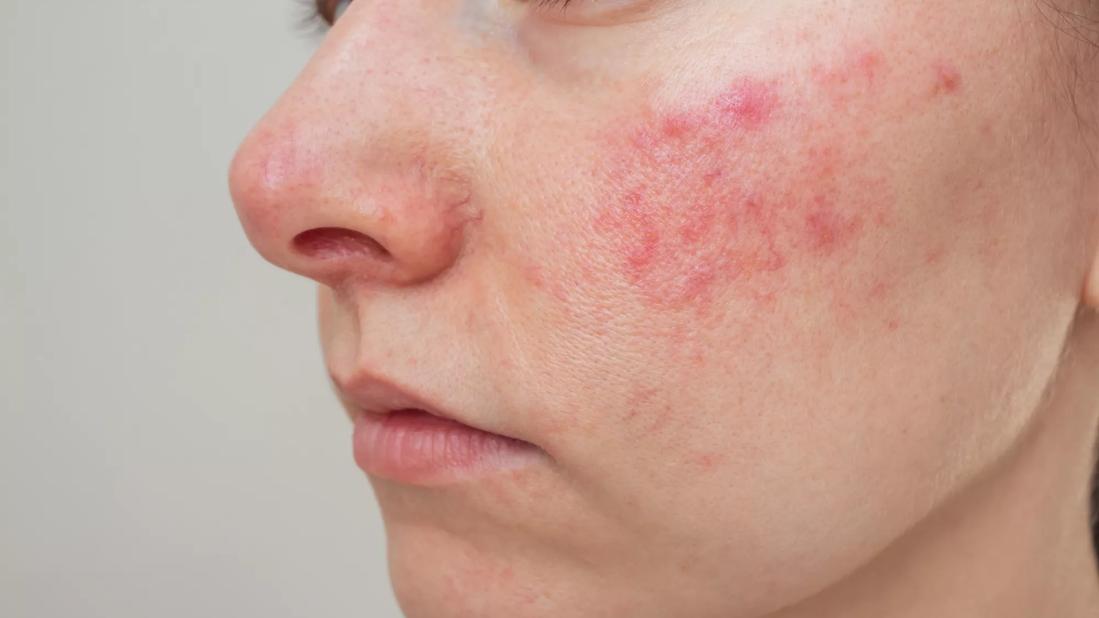
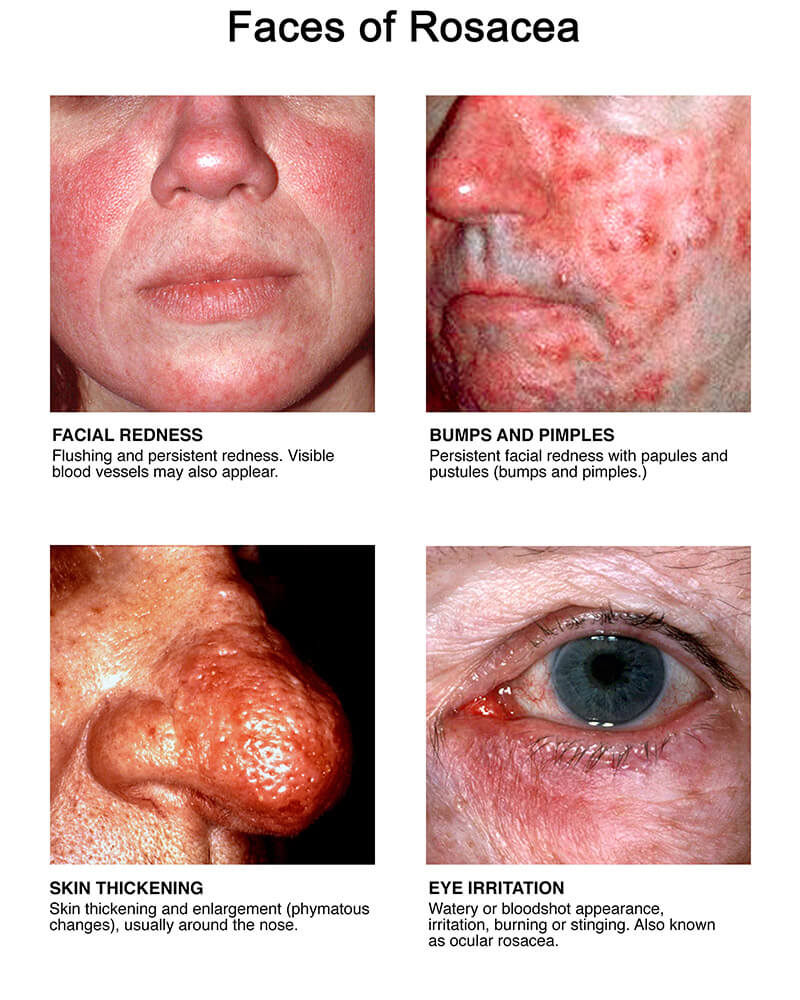
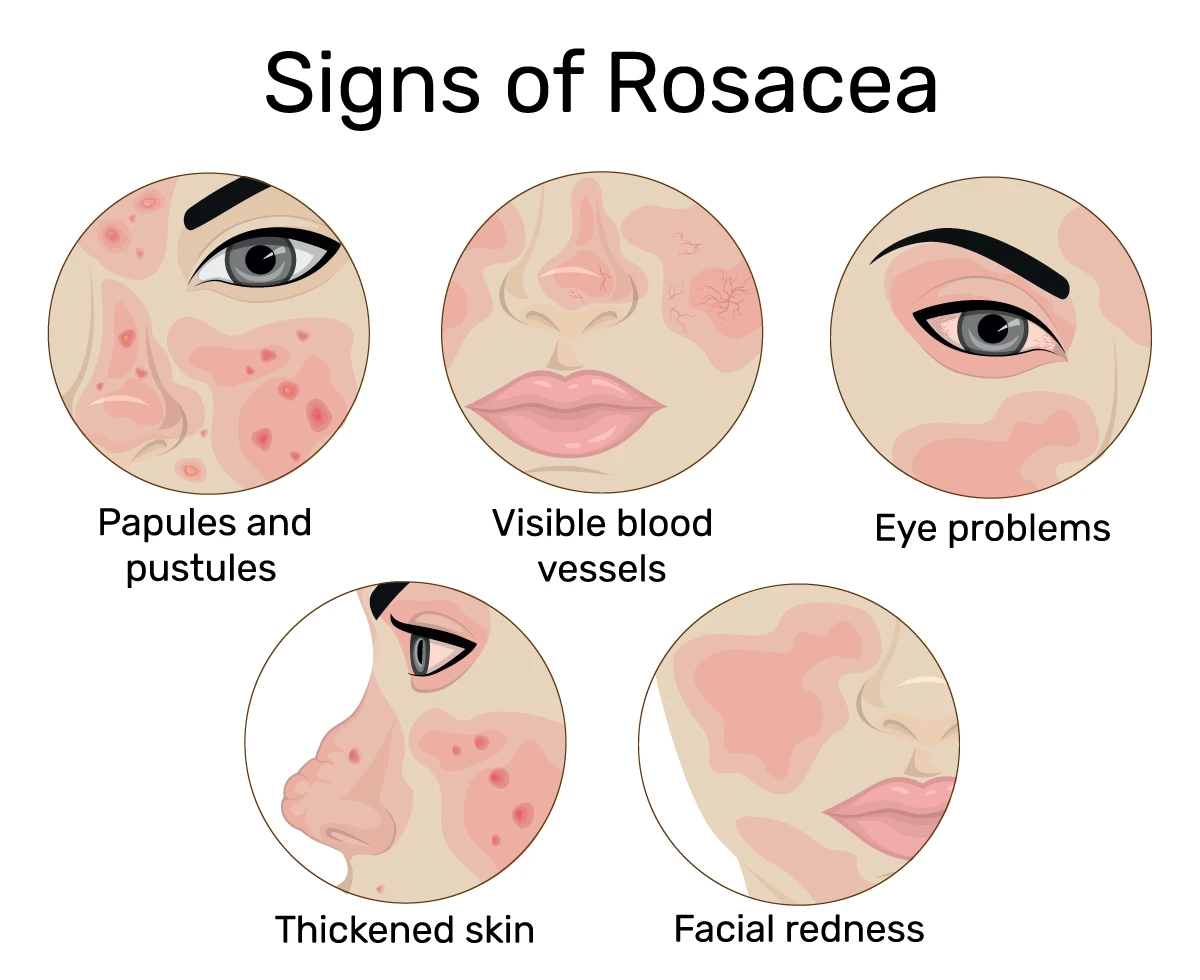
Rosacea is a chronic inflammatory skin condition that most often affects the cheeks, nose, chin, and forehead. It may cause ongoing redness, warm flushing, small bumps, pus-filled spots, or visible tiny blood vessels.
Some people also develop eye symptoms. These may include burning, gritty eyes, swollen eyelids, light sensitivity, or frequent styes. Eye symptoms need medical attention because untreated ocular rosacea can affect the surface of the eye.
Rosacea is not contagious. It is also not caused by poor hygiene. The exact cause is not fully known, but genes, immune activity, skin microbes, blood vessel changes, and nerve sensitivity may all play a role.
Rosacea can look like acne, eczema, a sunburn, or an allergic reaction. That is why a proper diagnosis matters before starting strong products or medicines.
How Do You Treat Rosacea on Your Face?
The best answer to how do you treat rosacea on your face is a layered plan. Most people benefit from a gentle routine, trigger control, sunscreen, and treatment chosen for their main symptoms.
A dermatologist may recommend one or more of these options:
• Gentle skin care to reduce burning and dryness
• Daily broad-spectrum sunscreen to limit flare-ups
• Prescription creams or gels for bumps and redness
• Oral antibiotics for moderate or severe inflammation
• Laser or light treatment for lasting redness and visible blood vessels
• Eye care if rosacea affects the eyelids or eyes
Treatment often takes time. A product that helps bumps may not remove fixed redness. In the same way, laser treatment may reduce visible vessels but will not replace daily sunscreen.
The goal is control, not a permanent cure. With steady care, many people have fewer flares and calmer skin.

Build a Rosacea-Friendly Skin Care Routine
Think of your skin barrier as a thin protective coat. Rosacea can make that coat weaker, so harsh products may cause more water loss and irritation.
Morning routine
Wash with lukewarm water and a mild, fragrance-free cleanser.
Pat your face dry with a soft towel. Do not rub.
Apply a plain moisturizer made for sensitive skin.
Use a broad-spectrum, water-resistant sunscreen with SPF 30 or higher.
Mineral sunscreens with zinc oxide or titanium dioxide may feel more comfortable for some people. Tinted mineral sunscreen can also help reduce the look of redness.
Evening routine
Remove makeup gently.
Cleanse without scrubbing.
Apply any prescribed medicine as directed.
Moisturize after the medicine dries, unless your clinician gives different instructions.
Look for products labeled fragrance-free, noncomedogenic, and suitable for sensitive skin. “Natural” does not always mean gentle. Essential oils, peppermint, eucalyptus, and strong botanical extracts can irritate rosacea-prone skin.
Avoid face brushes, scrubs, peeling acids, rough washcloths, and very hot water. These steps may feel cleansing, but they can act like sandpaper on an already sensitive barrier.
Identify and Avoid Rosacea Triggers
Triggers vary from person to person. A food or activity that affects one person may not affect another. Keeping a simple diary can help you find your own pattern.
Common rosacea triggers include:
• Sun exposure
• Hot weather or sudden temperature changes
• Hot drinks
• Spicy foods
• Alcohol, especially red wine
• Stress and strong emotions
• Heavy exercise
• Hot baths, saunas, and steam rooms
• Wind and cold air
• Irritating skin products
You do not need to avoid every possible trigger at once. That can make daily life stressful and may not help. Instead, track what you ate, where you were, how your skin felt, and how long the flare lasted.
Try practical changes. Let hot drinks cool before drinking them. Exercise in a cool room. Wear a wide-brimmed hat outdoors. Use a scarf to protect your face from cold wind, but avoid rough fabrics that rub the skin.
Stress does not cause rosacea by itself, but it may worsen flushing. Slow breathing, regular sleep, and short breaks during a busy day can support your overall treatment plan.

Prescription Treatments for Rosacea
Prescription treatment depends on the type of rosacea and the symptoms you have. A clinician may use one medicine or combine several approaches.
Treatments for bumps and pimples
Common prescription options include:
• Metronidazole cream, gel, or lotion
• Azelaic acid gel or foam
• Ivermectin cream
• Low-dose doxycycline capsules
These treatments reduce inflammation and rosacea-related bumps. They are not the same as standard acne treatment, and some acne products can make rosacea worse.
Doxycycline may be prescribed at an anti-inflammatory dose. It can cause stomach upset, sun sensitivity, or other side effects. Take it only as prescribed and tell your clinician about other medicines you use.
Treatments for ongoing redness
Brimonidine gel and oxymetazoline cream can temporarily narrow facial blood vessels and reduce persistent redness. Their effects are not permanent, so they must be used as directed.
Some people experience rebound redness after these medicines wear off. Report this to your clinician rather than stopping or changing the dose on your own.
Treatments for visible blood vessels
Vascular laser therapy and intense pulsed light may reduce visible facial blood vessels and some redness. Results vary by skin tone, vessel size, and the device used.
These procedures should be performed by a qualified medical professional with experience treating rosacea. Temporary swelling, bruising, color changes, or irritation can occur.

Can You Treat Rosacea Naturally?
Gentle lifestyle changes may lower flares, but natural remedies do not cure rosacea. Be cautious with online advice that promises fast results from apple cider vinegar, lemon juice, baking soda, toothpaste, or essential oils.
These substances can burn or irritate the skin. A treatment may be natural and still be unsafe for your face.
Helpful non-drug steps include:
• Wearing sunscreen every day
• Keeping showers and baths warm, not hot
• Choosing fragrance-free skin products
• Limiting personal food and drink triggers
• Using a fan or cool cloth during a flush
• Managing stress and getting regular sleep
• Protecting your face from wind and extreme temperatures
Green-tinted makeup may make redness less noticeable. Choose noncomedogenic makeup and remove it gently at night. Cosmetic camouflage can improve confidence while medical treatment works.

What to Avoid When You Have Rosacea
Many people make rosacea worse without realizing it. The most common mistake is treating it like ordinary acne.
Avoid using strong acne products unless a clinician recommends them. Benzoyl peroxide, salicylic acid, adapalene, and other active ingredients may irritate some people with rosacea.
Other common mistakes include:
• Washing your face several times a day
• Scrubbing away flaky skin
• Switching products every few days
• Using hot water to “open the pores”
• Skipping sunscreen on cloudy days
• Applying prescription medicine more often than directed
• Using steroid cream on the face without medical advice
Steroid creams may briefly reduce redness, but they can trigger or worsen rosacea when used incorrectly. Never use a leftover steroid cream on facial redness unless your prescriber tells you to do so.
When starting a new product, test a small amount on the jawline or another small area first. Wait at least a day if your skin is highly reactive. A patch test cannot guarantee safety, but it can reduce the chance of a large reaction.
When Should You See a Dermatologist?
See a dermatologist if facial redness lasts for weeks, keeps returning, or comes with bumps, burning, or visible blood vessels. A clinician can rule out acne, lupus, contact dermatitis, seborrheic dermatitis, and other conditions that may look similar.
Make an appointment sooner if:
• Your eyes feel painful, gritty, or sensitive to light
• Your eyelids swell or develop repeated styes
• Your vision becomes blurry
• Redness spreads quickly
• Your skin develops painful sores
• Nonprescription care does not help
A dermatologist may examine your skin and eyes, ask about triggers, and review your products. Rosacea is usually diagnosed by its appearance and history. There is no single blood test that confirms it.
Seek urgent eye care for eye pain, vision changes, or strong light sensitivity. These symptoms can signal a more serious eye problem.
A Simple Four-Week Rosacea Care Plan
A clear plan can make treatment easier to follow.
Week one: Calm the routine
Stop scrubs, fragrance, essential oils, and harsh acids. Use a gentle cleanser, moisturizer, and sunscreen. Do not add several new products at once.
Week two: Track patterns
Record flushing, food, weather, exercise, stress, and skin products. Look for repeated links rather than reacting to one isolated flare.
Week three: Review treatment
If a clinician prescribed medicine, use it exactly as directed. Many rosacea treatments need several weeks before improvement becomes clear.
Week four: Adjust with professional help
If your skin is not improving, or if it is worsening, contact your dermatologist. You may need a different medicine, a combined approach, or a new diagnosis.
A practical lesson from rosacea care is that consistency usually matters more than a complicated routine. Gentle steps repeated every day often work better than aggressive treatments used only when symptoms become severe.
How Long Does Rosacea Treatment Take?
Some products may reduce redness within hours, but that effect may be temporary. Prescription treatments for bumps often need several weeks of regular use before results are easier to see.
Laser and light treatments may require more than one session. Your clinician can explain the expected number of treatments and the likely recovery time.
Rosacea can flare even after your skin improves. This does not mean treatment failed. It means the condition needs ongoing care, much like dry skin, allergies, or migraine symptoms may need long-term management.
Take photos in the same lighting every few weeks. This gives you a clearer view of gradual change than looking in the mirror several times a day.
Frequently Asked Questions About How Do You Treat Rosacea on Your Face
Can rosacea go away permanently?
Rosacea usually cannot be cured permanently, but it can often be controlled. Treatment, trigger avoidance, sunscreen, and gentle skin care may reduce symptoms and flares.
What is the best treatment for facial rosacea?
The best treatment depends on whether you have bumps, lasting redness, visible vessels, flushing, or eye symptoms. A dermatologist may combine skin care with prescription medicine, oral treatment, or laser therapy.
Is moisturizer good for rosacea?
Yes. A fragrance-free moisturizer can support the skin barrier and reduce dryness and stinging. Choose a simple product and stop using it if it causes burning or a rash.
Does sunscreen help rosacea?
Yes. Sun exposure is a common trigger, so daily broad-spectrum SPF 30 or higher can help protect against flares. Mineral sunscreen may be more comfortable for highly sensitive skin.
Can I use acne products on rosacea?
Some acne products can irritate rosacea-prone skin. Ask a dermatologist before using benzoyl peroxide, retinoids, or strong exfoliating acids on your face.
Is rosacea caused by poor hygiene?
No. Rosacea is not caused by dirt or poor hygiene. Scrubbing harder can damage the skin barrier and make redness, burning, and bumps worse.
Can diet improve rosacea?
Diet may help when certain foods or drinks trigger your symptoms. Keep a diary to identify personal triggers, but avoid overly strict diets unless a qualified professional recommends one.
Conclusion
The best answer to how do you treat rosacea on your face is to use a steady, gentle plan. Protect your skin from the sun, avoid personal triggers, choose mild products, and use prescription treatment when needed.
Rosacea may take patience, but you do not have to manage it alone. Start with a simple routine, track your symptoms, and arrange a dermatology visit if redness, bumps, or eye symptoms continue. Share your experience with a trusted health professional and explore reliable skin-care resources as you build a plan that works for you.
