
Acne rosacea develops when inherited skin sensitivity, immune changes, and triggers cause lasting facial inflammation.
Many people ask, “How do you get acne rosacea?” The answer is more complex than simply having oily skin or poor hygiene. Acne rosacea usually refers to papulopustular rosacea, a form of rosacea that causes red bumps and pus-filled spots that can look like acne. This guide explains the causes, triggers, risk factors, diagnosis, treatment, and daily steps that can help calm your skin.
What Is Acne Rosacea?
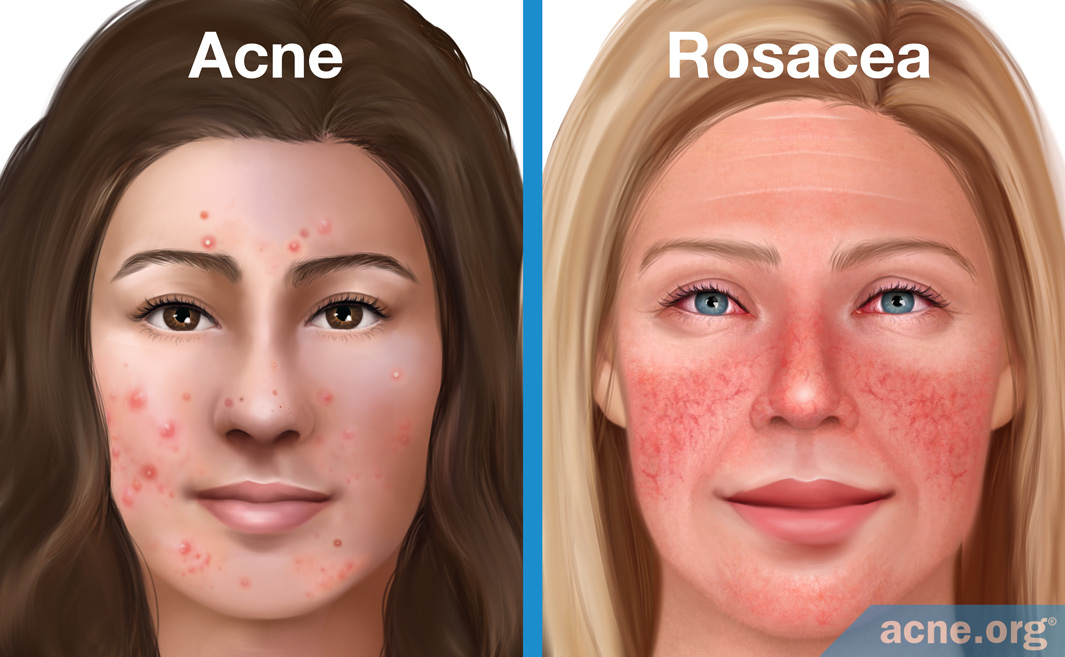
“Acne rosacea” is a common name for rosacea with acne-like bumps. Doctors often call this type papulopustular rosacea. It may cause red or pink skin, small bumps, visible blood vessels, warmth, and burning on the cheeks, nose, chin, or forehead.
Unlike common acne, rosacea does not usually begin with blackheads or whiteheads. It also tends to affect the center of the face and may come with flushing or stinging.
When asking how do you get acne rosacea, it helps to know that rosacea is an inflammatory skin condition. It is not an infection that spreads from person to person, and it is not caused by being dirty.

How Do You Get Acne Rosacea?
Experts do not know one single cause of acne rosacea. Instead, several body and skin changes may work together. Think of the skin barrier as a protective wall. In rosacea, that wall may react too strongly to heat, products, sunlight, or other common stressors.
Possible factors include:
• Genetics: Rosacea often runs in families, so inherited skin sensitivity may play a role.
• Immune activity: The immune system may release too many inflammatory signals in response to normal skin triggers.
• Blood vessel changes: Facial blood vessels may widen too easily, causing flushing and long-lasting redness.
• Nerve sensitivity: Nerves in the skin may overreact to heat, stress, or changes in temperature.
• Skin mites: Demodex mites live on most people’s skin. Some people with rosacea may have more mites or stronger inflammation around them.
• Skin barrier weakness: Sensitive skin may lose moisture more easily and react to products that never caused problems before.
These factors help explain how do you get acne rosacea, but they do not prove that one factor causes every case. Rosacea is a complex condition, and each person may have a different mix of risks.

Common Acne Rosacea Triggers
Triggers do not create rosacea from nothing. Instead, they can start or worsen a flare in someone who is already prone to the condition. A trigger may cause a short flush at first, but repeated exposure can make symptoms harder to control.
Common triggers include:
• Sunlight and ultraviolet exposure
• Hot weather or cold, windy weather
• Hot baths, saunas, and heated rooms
• Spicy foods
• Hot coffee, tea, or soup
• Alcohol, especially red wine for some people
• Emotional stress or embarrassment
• Intense exercise
• Harsh skin care products
• Fragrances and essential oils
• Strong exfoliants, scrubs, or peels
• Corticosteroid creams used on the face without medical advice
A simple diary can help you find your own pattern. Write down what you ate, where you went, which products you used, and when flushing or bumps appeared. This approach is often more useful than removing many foods at once.

Acne Rosacea Versus Common Acne
Acne rosacea and common acne can look similar, but they are not the same condition. Knowing the difference can help you choose safer treatment.
| Feature | Acne rosacea | Common acne |
|---|---|---|
| Main area | Center of the face | Face, chest, back, and shoulders |
| Redness | Often constant or easy to trigger | Usually linked to individual spots |
| Blackheads | Uncommon | Common |
| Flushing | Common | Not typical |
| Burning or stinging | Common | Less common |
| Skin type | May be dry or sensitive | Often oily, but not always |
| Usual cause | Inflammation and vessel sensitivity | Blocked pores, oil, and skin cell buildup |
Some people have both conditions. That is why a skin exam matters, especially when over-the-counter acne products make your face burn or become more red.
Who Is More Likely to Develop Acne Rosacea?
Anyone can develop rosacea, but some people have a higher chance. It often appears between ages 30 and 60, though younger and older people can also have it.
Risk may be higher if you:
• Have a close family member with rosacea
• Have fair skin that flushes easily
• Notice frequent facial flushing
• Have sensitive skin or a history of eczema
• Spend a lot of time in strong sunlight
• Live in a climate with large temperature changes
• Use products that irritate your face
• Have a personal history of migraine or other conditions linked with blood vessel sensitivity
Rosacea is not limited to one race or skin tone. In darker skin tones, redness may be harder to see. Warmth, swelling, burning, bumps, or a dusky color may be more noticeable. A dermatologist familiar with many skin tones can improve the chance of an accurate diagnosis.

What Does Acne Rosacea Look and Feel Like?
Acne rosacea may begin with flushing that fades after a few minutes. Over time, the redness may last longer. Small blood vessels can become visible, and acne-like bumps may appear.
You may notice:
• Red or darkened skin in the center of the face
• Small red bumps
• Pus-filled spots
• Burning, tingling, or stinging
• Rough or dry patches
• Facial swelling
• Eye irritation, dryness, or gritty feelings
• A thicker, enlarged nose in advanced cases
Not every person has every symptom. Rosacea can also change over time. Early care may reduce flares and help prevent symptoms from becoming more persistent.

How Doctors Diagnose Acne Rosacea
There is no single blood test for rosacea. A dermatologist usually makes the diagnosis by looking at your skin and asking about your symptoms, family history, products, and triggers.
Your clinician may ask:
When did the redness or bumps begin?
Does your face flush after heat, food, alcohol, or exercise?
Do the areas burn, sting, or itch?
Have you used steroid creams or strong acne products?
Do you have eye symptoms?
A doctor may also check for other conditions, such as acne vulgaris, seborrheic dermatitis, contact dermatitis, lupus, or a reaction to medication. If bumps appear suddenly, spread quickly, or come with swelling or breathing problems, seek urgent medical care.
How Is Acne Rosacea Treated?
Treatment depends on the symptoms you have. A dermatologist may use one treatment or combine several. The goal is to reduce inflammation, control bumps, protect the skin barrier, and prevent new flares.
Common medical treatments include:
• Metronidazole cream or gel to reduce inflammation
• Azelaic acid to treat bumps and redness
• Ivermectin cream when inflammation linked with Demodex may be involved
• Low-dose doxycycline for moderate or persistent inflammatory bumps
• Brimonidine or oxymetazoline to temporarily reduce facial redness
• Laser or light treatment for visible blood vessels and lasting redness
Your provider may also suggest a gentle cleanser and a moisturizer that does not contain fragrance. Treatment can take several weeks, so stopping too soon may make it hard to judge whether it works.
Do not use prescription steroid creams on your face unless a clinician specifically tells you to. They may briefly reduce redness but can worsen rosacea or cause rebound symptoms.
A Simple Skin Care Routine
A gentle routine can support medical treatment. It will not cure rosacea by itself, but it may reduce irritation.
Morning
Wash with lukewarm water and a mild, fragrance-free cleanser.
Apply a plain moisturizer made for sensitive skin.
Use a broad-spectrum SPF 30 or higher sunscreen.
Choose a mineral sunscreen with zinc oxide or titanium dioxide if chemical sunscreen stings.
Evening
Remove makeup gently.
Cleanse without scrubbing.
Apply prescribed medicine as directed.
Use moisturizer after the medicine if your clinician allows it.
Avoid rough washcloths, facial brushes, alcohol-based toners, and strong exfoliants. Patch-test new products on a small area before applying them to your whole face.
In patient education, one common mistake is treating rosacea like ordinary acne. Strong benzoyl peroxide, gritty scrubs, and frequent acid treatments may increase burning and redness. Gentle care is usually the safer starting point.

Daily Ways to Prevent Flares
You may not be able to avoid every trigger, but small changes can make a real difference.
Try these habits:
• Wear a wide-brimmed hat and use sunscreen every day.
• Exercise in a cool room and take breaks when your face feels hot.
• Let hot drinks cool before drinking them.
• Limit foods or drinks that clearly trigger flushing.
• Protect your face from cold wind.
• Use lukewarm water instead of very hot water.
• Manage stress with slow breathing, walking, stretching, or sleep routines.
• Avoid smoking, which can harm skin health and blood vessels.
Do not create an overly strict diet based on fear. If a food does not trigger symptoms, there is usually no need to remove it. Focus on patterns that you can observe and confirm.
Can Acne Rosacea Go Away?
Rosacea is often a long-term condition, but symptoms can improve greatly. Some people have long periods with few or no bumps. Others need ongoing treatment to control redness and prevent flares.
The condition may return if treatment stops or triggers continue. This does not mean you failed. Rosacea behaves more like a sensitive alarm system than a one-time rash. With the right plan, you can often turn down the alarm.
Results also vary. Creams may help bumps but do little for visible blood vessels. Laser treatment may improve vessels but will not always prevent future inflammation. A dermatologist can match treatment to your main symptoms.
When Should You See a Dermatologist?
Make an appointment if facial redness lasts for weeks, keeps returning, or comes with acne-like bumps. Early care can help prevent the condition from becoming more difficult to manage.
Seek medical advice sooner if you have:
• Eye pain, light sensitivity, blurred vision, or a gritty eye feeling
• Rapid swelling of the face
• Painful or deep lesions
• A spreading rash
• Scarring or skin thickening
• Symptoms that worsen after using a steroid cream
Eye symptoms deserve special attention because ocular rosacea can affect the eyelids and the surface of the eye. Prompt care may protect your comfort and vision.
Frequently Asked Questions About How Do You Get Acne Rosacea
Is acne rosacea caused by poor hygiene?
No. Acne rosacea is not caused by dirt or poor hygiene. Washing too often or scrubbing hard can irritate the skin and make symptoms worse.
Can stress cause acne rosacea?
Stress may trigger flushing and worsen an existing flare, but it is not the only cause. Rosacea usually involves inherited sensitivity, inflammation, blood vessel changes, and other factors.
Is acne rosacea contagious?
No. You cannot catch rosacea from touching someone, sharing towels, or kissing. It is an inflammatory skin condition, not a contagious infection.
Can certain foods cause acne rosacea?
Some foods can trigger flushing in certain people, especially spicy foods and very hot drinks. Triggers vary, so a food diary is more helpful than avoiding every possible trigger.
Is acne rosacea the same as regular acne?
No. Acne rosacea often causes flushing, central facial redness, burning, and acne-like bumps without many blackheads. Regular acne more often involves blocked pores and can affect the chest and back.
Does rosacea ever go away permanently?
Rosacea can improve and remain quiet for long periods, but it often needs ongoing care. Treatment and trigger control can reduce symptoms, although there is no guaranteed permanent cure.
Can I treat acne rosacea with over-the-counter acne products?
Some products may irritate rosacea-prone skin, especially strong acids, scrubs, and benzoyl peroxide. Ask a dermatologist before starting a new acne treatment if your skin burns, flushes, or stings easily.
Conclusion
So, how do you get acne rosacea? It usually develops from a mix of inherited skin sensitivity, immune inflammation, blood vessel changes, nerve responses, and personal triggers. It is not caused by poor hygiene, and it is not the same as ordinary acne.
Track your triggers, use gentle skin care, protect your face from the sun, and seek professional advice when redness or bumps persist. A dermatologist can help identify your rosacea type and build a treatment plan that fits your skin. If this guide helped, explore more trusted skin health resources and share your questions with a qualified medical professional.
