
Rosacea does not always need treatment, but care can control symptoms, protect your eyes, and prevent worsening.
If you have rosacea, you may wonder whether treatment is truly necessary or if you can simply live with the redness. The answer depends on your symptoms, triggers, skin changes, and eye health. This guide explains when treatment helps, what can happen without it, and how to make a safe plan with a health professional.
Do you have to treat rosacea?
No, you do not always have to treat rosacea. Mild redness that causes no pain, eye symptoms, or distress may be managed with gentle skin care and trigger control alone.
Still, rosacea is a long-term inflammatory skin condition. It often comes and goes, rather than disappearing for good. Treatment may reduce flares, limit visible blood vessels, calm bumps, and improve comfort.
The choice is personal. Some people seek treatment because their skin burns or stings. Others want help with flushing or changes in appearance. Neither reason is shallow. Skin symptoms can affect confidence, work, social life, and daily comfort.
Rosacea can also affect the eyes. Ocular rosacea may cause dry eyes, gritty feelings, redness, swollen eyelids, or light sensitivity. Eye symptoms need medical attention because untreated inflammation may harm the cornea.
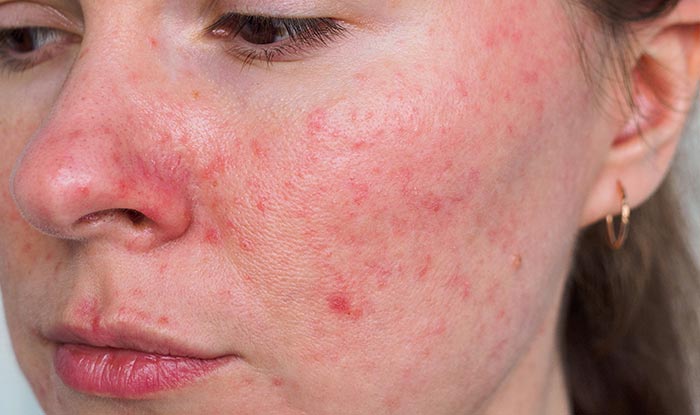
Why rosacea treatment may be helpful
Rosacea is more than simple blushing. It involves changes in skin blood vessels, inflammation, and sometimes the oil glands around facial pores. The exact cause is not fully known, but genetics, immune responses, and environmental triggers may all play a role.
Treatment does not cure rosacea. Instead, it works like a volume control. It can turn down redness, bumps, burning, and flare intensity.
Common reasons to seek treatment include:
• Frequent facial flushing that disrupts daily life
• Persistent redness on the cheeks, nose, chin, or forehead
• Small red bumps or pus-filled spots
• Burning, stinging, or strong skin sensitivity
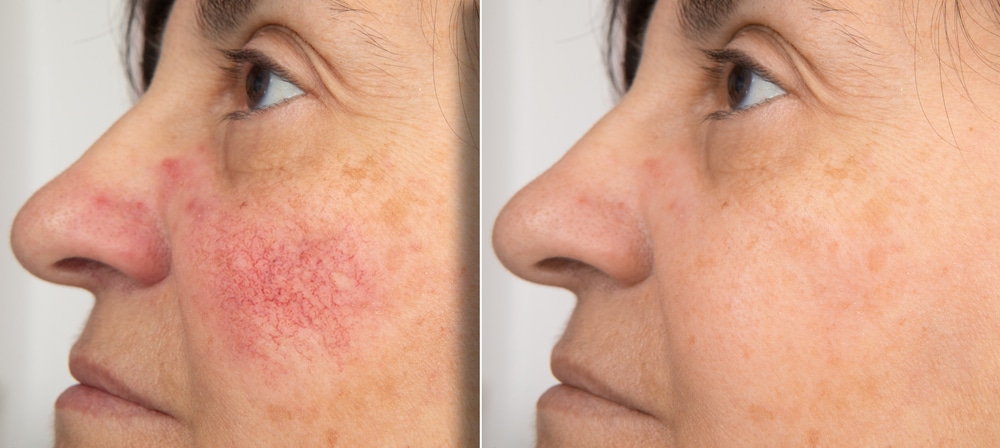
• Visible small blood vessels
• Thickened skin, especially around the nose
• Dry, red, irritated, or gritty eyes
• Symptoms that continue despite avoiding known triggers
Early care may also help prevent a mild problem from becoming harder to manage. For example, persistent inflammation can make the skin barrier more sensitive. A damaged skin barrier may then react to products that once felt comfortable.
A common mistake is to wait until symptoms feel severe. Rosacea can be quiet for months and then flare after heat, stress, alcohol, spicy food, or strong skin products. Keeping symptoms under control early may make future flares easier to manage.

When should you treat rosacea?
You should consider professional care when symptoms are persistent, painful, worsening, or affecting your quality of life. You should also seek help if you are unsure whether the problem is rosacea.
Several skin conditions can look similar. Acne, eczema, seborrheic dermatitis, lupus, contact dermatitis, and allergic reactions may cause redness or bumps. The wrong treatment can irritate your skin or delay the right diagnosis.
Make an appointment with a primary care clinician or dermatologist if you notice:
Redness that stays for weeks or months
More frequent or stronger flushing
New bumps, pustules, or visible veins
4. Burning or stinging with basic products
Thickening skin on the nose or another facial area
Symptoms that affect sleep, work, or confidence
Eye redness, dryness, pain, or light sensitivity
Seek prompt eye care for eye pain, blurred vision, severe light sensitivity, or a feeling that something is stuck in your eye. These signs may point to more serious eye inflammation.
Do you have to treat rosacea if it is mild? Not always. But a medical review is still wise when the diagnosis is uncertain or symptoms change quickly.

What happens if rosacea is not treated?
Some people have mild rosacea that stays stable for years. Others develop more frequent flares, lasting redness, visible blood vessels, or thicker skin. There is no reliable way to predict the exact course for one person.
Leaving rosacea untreated does not mean complications will definitely occur. It means symptoms may continue without a plan to control them. Persistent inflammation can also make daily skin care more difficult.
Possible effects include:
• More constant facial redness
• Increased sensitivity to heat and products
• Recurrent bumps and pustules
• Visible facial blood vessels
• Thickened skin in advanced cases
• Eye irritation or inflammation
• Emotional stress and reduced confidence
Rhinophyma, a thickened and enlarged nose, is uncommon. It is more often linked with long-standing, severe disease. Modern treatment can help manage inflammation and may reduce the risk of major progression.
The eye deserves special attention. Ocular rosacea may occur with or without obvious facial symptoms. Dryness may seem minor at first, but ongoing inflammation can become painful and may affect vision.

How is rosacea treated?
A dermatologist may recommend one treatment or a combination. The plan depends on whether you mainly have redness, bumps, visible blood vessels, thickened skin, or eye symptoms.
Prescription creams and gels
Topical medicines may help reduce bumps and inflammation. Common options include:
• Metronidazole for inflammatory bumps and redness
• Azelaic acid for bumps, redness, and uneven texture
• Ivermectin for inflammatory lesions linked with facial mites and inflammation
• Brimonidine or oxymetazoline to temporarily reduce facial redness
These medicines work in different ways. Some need several weeks of regular use. Redness-reducing products may work faster, but their effect is temporary and they can irritate some people.
Oral medicine
A clinician may prescribe oral antibiotics when rosacea causes many inflamed bumps or affects the eyes. In these cases, the medicine often reduces inflammation rather than treating a bacterial infection.
Do not use leftover antibiotics or share medication. The correct dose and length of treatment matter. Long-term antibiotic use also requires careful medical guidance.
Laser and light treatments
Laser or intense pulsed light treatment may reduce visible blood vessels and persistent redness. Results vary by skin tone, device, treatment settings, and provider skill.
These treatments can be costly and may require several sessions. They are not a cure, and new redness or blood vessels may develop later.
Treatment for thickened skin
Advanced thickening may require prescription medicine, laser treatment, electrosurgery, or another procedure. Early evaluation often gives more options and may prevent symptoms from becoming more difficult to manage.
Eye care
Artificial tears, eyelid hygiene, warm compresses, and prescription treatment may help ocular rosacea. An eye doctor may recommend additional care if the cornea or eyelids are inflamed.
Never ignore eye pain or vision changes. Facial skin treatment alone may not protect the eyes.

Daily habits that can calm rosacea
Skin care is a key part of rosacea management. Think of sensitive skin as a smoke alarm set too high. Harsh products can trigger the alarm even when they seem harmless.
Try these steps:
• Wash with lukewarm water and a mild, fragrance-free cleanser.
• Use your fingertips instead of a scrub, brush, or rough cloth.
• Apply a plain moisturizer after washing.
• Wear broad-spectrum SPF 30 or higher each day.
• Choose mineral sunscreen if chemical sunscreen stings.
• Protect your face from wind, cold, and strong heat.
• Test one new product at a time.
• Keep a simple trigger diary.
Common triggers include heat, sunlight, hot drinks, alcohol, spicy foods, stress, and intense exercise. Triggers differ from person to person. You do not need to avoid every item on a general trigger list.
For example, if coffee causes no symptoms, there may be no reason to stop drinking it. If very hot coffee causes flushing, let it cool before drinking. Small changes are often easier to maintain than strict rules.
Makeup can also be useful. Green-tinted products may reduce the look of redness, while fragrance-free, noncomedogenic formulas are less likely to clog pores or irritate sensitive skin. Remove makeup gently at the end of the day.

Common mistakes to avoid
One of the most common mistakes is treating rosacea like acne. Scrubs, strong acids, benzoyl peroxide, and frequent exfoliation may worsen burning and redness. A product that helps acne may be too harsh for rosacea-prone skin.
Another mistake is using steroid cream on the face without medical advice. Steroids may briefly reduce redness, but they can also trigger or worsen rosacea when used incorrectly. Talk with a clinician before applying steroid medicine to facial skin.
Other mistakes include:
• Changing several products at once
• Using hot water on the face
• Skipping sunscreen
• Picking at bumps
• Using harsh “anti-redness” products
• Stopping prescribed medicine too soon
• Assuming every facial rash is rosacea
A practical approach is to keep your routine boring and steady. Use a gentle cleanser, moisturizer, and sunscreen. Add prescribed treatment slowly if your clinician recommends it. Record changes with photos taken in similar lighting so you can judge progress fairly.
Do you have to treat rosacea with medication? No. But if symptoms continue, medication may offer better control than skin care alone.

How to make a treatment plan
A good plan starts with an accurate diagnosis. During an appointment, describe when the redness began, how long flares last, and what seems to trigger them. Mention all products and medicines you use, including over-the-counter creams.
It may help to bring:
• Photos of your skin during a flare
• A list of suspected triggers
• The names of skin care products
• A record of eye symptoms
• Questions about side effects and cost
Ask how long treatment may take to work. Some medicines improve bumps first, while redness may take longer. Ask what to do if your skin burns, becomes very dry, or worsens after starting a product.
Treatment is often adjusted over time. A medicine may work well at first and then need a change. This does not mean you failed. Rosacea management is more like maintaining a garden than flipping a switch. Regular care, observation, and small changes matter.
Do you have to treat rosacea forever? Not always in the same way. Some people use treatment during flares, while others need a longer maintenance plan. Your clinician can help decide when to continue, reduce, or change therapy.
Frequently Asked Questions About Do You Have to Treat Rosacea
Do you have to treat rosacea if it does not bother you?
Not always. If your symptoms are mild and stable, gentle skin care, sun protection, and trigger control may be enough. Still, seek medical advice if the diagnosis is uncertain or symptoms change.
Can rosacea go away without treatment?
Rosacea may settle for a time, but it is usually a chronic condition with periods of flares and calm. Without treatment, some people develop more lasting redness, visible blood vessels, or eye symptoms.
Is rosacea dangerous if you do not treat it?
Rosacea is not usually dangerous, but untreated eye symptoms can sometimes cause serious irritation or corneal problems. Facial redness alone is often a quality-of-life concern, but eye pain or vision changes require prompt care.
Do you have to treat rosacea with prescription medicine?
No. Mild cases may improve with gentle skin care and trigger avoidance. Prescription medicine can help when redness, bumps, burning, visible vessels, or eye symptoms continue.
Can diet cure rosacea?
No specific diet has been proven to cure rosacea. However, avoiding personal triggers, such as spicy foods, hot drinks, or alcohol, may reduce flares for some people.
Should you see a dermatologist for rosacea?
A dermatologist can confirm the diagnosis and create a treatment plan. You should especially consider an appointment if symptoms persist, worsen, affect your eyes, or do not improve with gentle care.
Can you wear makeup with rosacea?
Yes, many people with rosacea can wear makeup. Choose fragrance-free products, apply them gently, and remove them with a mild cleanser without scrubbing.
Conclusion
Do you have to treat rosacea? Not in every case. Mild, stable symptoms may respond to gentle skin care, sunscreen, and trigger control. Persistent redness, painful bumps, worsening flares, thickened skin, or eye symptoms deserve professional evaluation.
Rosacea treatment is not about chasing perfect skin. It is about reducing discomfort, protecting your eyes, and helping you feel more in control. Start with a calm skin routine, track your triggers, and speak with a health professional when symptoms continue. Explore trusted dermatology resources and share your experience with a clinician so you can build a plan that fits your skin and your life.
