
Rosacea usually cannot be cured permanently, but treatment can control symptoms and prevent many flare-ups.
If you wonder, “can you get rid of rosacea permanently?” the honest answer depends on what you mean by “get rid of.” Rosacea is often a long-term skin condition, but the right care can make redness, bumps, and burning far less noticeable. This guide explains what works, what does not, and when to see a dermatologist.
What Is Rosacea?
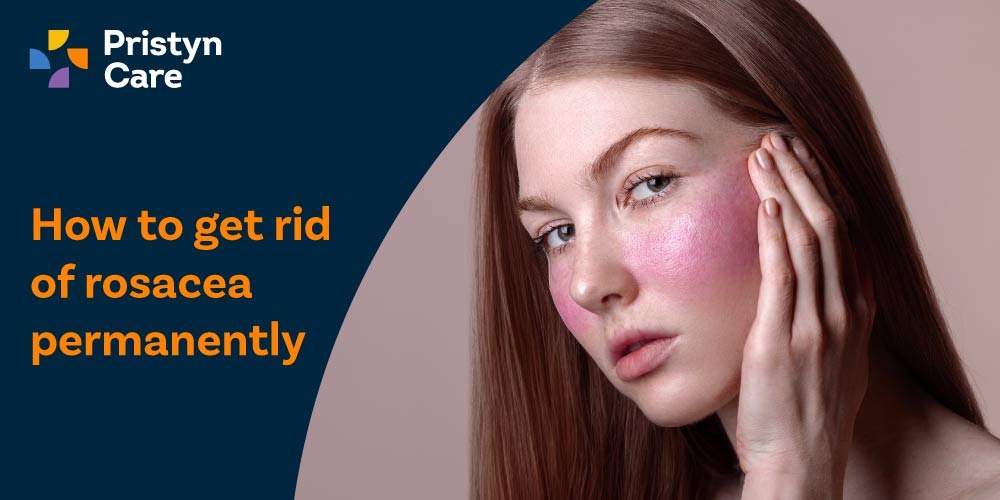
Rosacea is a common inflammatory skin condition that mainly affects the face. It often causes redness on the cheeks, nose, chin, and forehead. Some people also develop small bumps, visible blood vessels, burning, or eye symptoms.
Rosacea can come and go. A flare may last for days or weeks, then settle. Over time, untreated rosacea may become more persistent.
Common signs include:
• Frequent facial flushing
• Redness that lasts longer than normal
• Small red bumps or pus-filled spots
• Visible tiny blood vessels
• Burning, stinging, or tight skin
• Rough or thickened skin on the nose
• Dry, red, or gritty eyes
Rosacea is not contagious. It is also not caused by poor hygiene. Its exact cause is still not fully known, but genes, immune activity, blood vessel changes, skin microbes, and environmental triggers may all play a role.
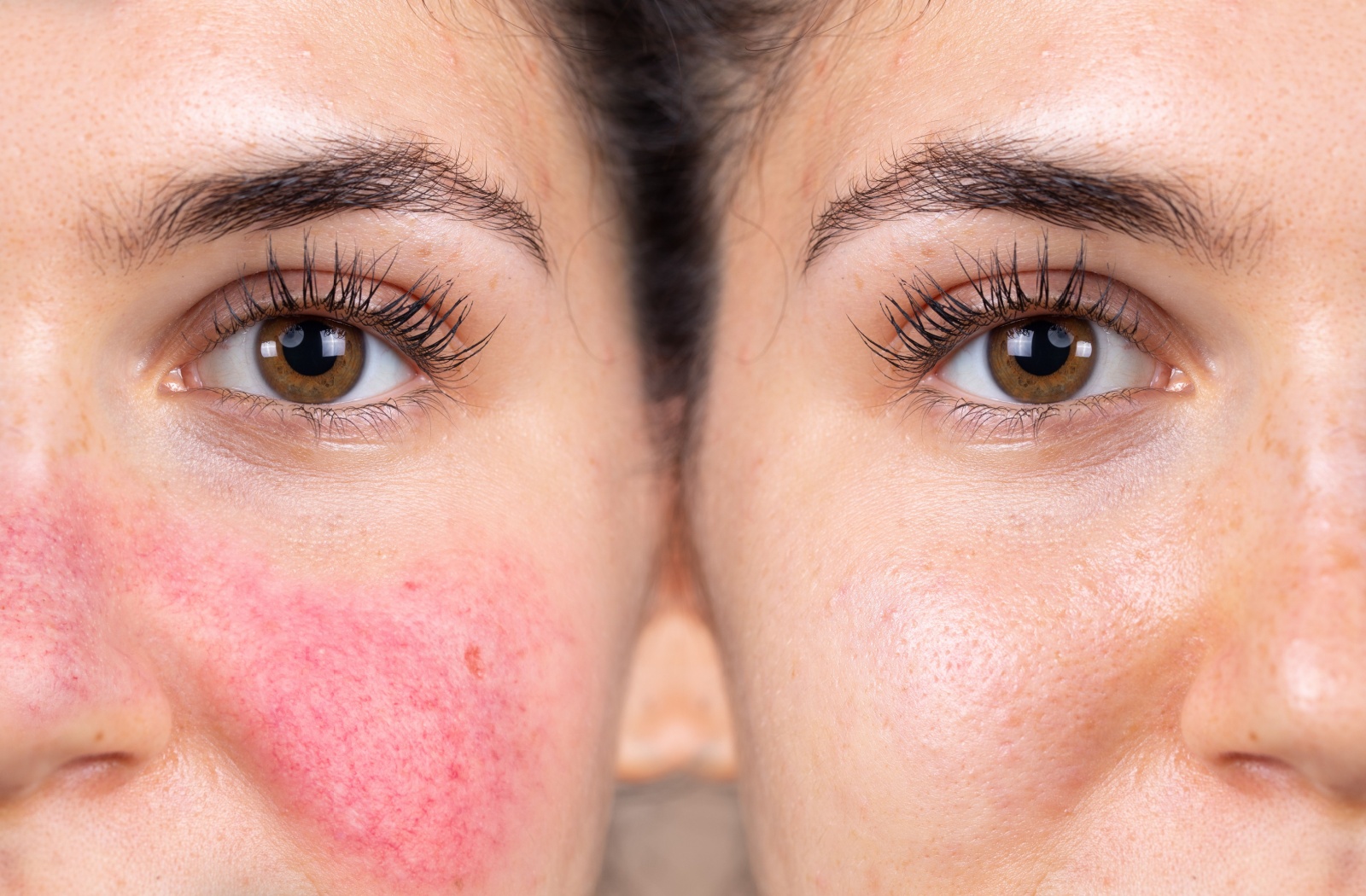
Can You Get Rid of Rosacea Permanently?
In most cases, you cannot get rid of rosacea permanently in the same way you can cure a short-term infection. Rosacea tends to be a chronic condition, which means it may return even after the skin looks clear.
Still, “chronic” does not mean you must live with constant redness. Many people reach long periods of clear or calm skin with a steady treatment plan. The goal is remission, not a promise of a permanent cure.
Treatment can help you:
• Reduce facial redness
• Clear rosacea bumps
• Calm burning and stinging
• Limit future flare-ups
• Protect the skin barrier
• Prevent worsening symptoms
A useful way to think about rosacea is like a sensitive smoke alarm. It may react too strongly to heat, sunlight, stress, or certain products. Treatment lowers that sensitivity, but the alarm may still react at times.
The answer to “can you get rid of rosacea permanently?” is therefore usually no. However, you may be able to control it so well that it has little effect on your daily life.

Why Rosacea Happens
Researchers have not found one single cause of rosacea. Instead, several factors may combine to make facial blood vessels and nerves more reactive.
Possible contributors include:
• Family history of rosacea
• An overactive immune response
• Abnormal facial blood vessel activity
• Sun damage
• Changes in the skin barrier
• Certain skin microbes
• Inflammation around hair follicles
• Nervous system sensitivity
A tiny mite called Demodex may be more common on some rosacea-prone skin. However, its presence does not prove that it caused rosacea. Self-treating with harsh products to remove these mites can irritate the skin and make symptoms worse.
Rosacea is also different from acne. Acne often includes blackheads and whiteheads. Rosacea usually causes flushing, persistent redness, and sensitivity, with few or no clogged pores.

Common Rosacea Triggers
Triggers do not cause rosacea in every person. They can, however, bring on a flare or make symptoms stronger.
Common triggers include:
• Sunlight and ultraviolet exposure
• Hot weather
• Cold wind
• Hot coffee, tea, or soup
• Spicy foods
• Alcohol, especially red wine
• Intense exercise
• Emotional stress
• Hot baths and saunas
• Harsh skin care products
• Corticosteroid creams used on the face without medical advice
Keeping a trigger diary can help. Write down what you ate, where you went, what products you used, and how your skin reacted. After a few weeks, patterns may become clear.
Do not remove every possible trigger at once. That approach can make life stressful and may not be needed. Focus first on triggers that repeatedly cause your own symptoms.
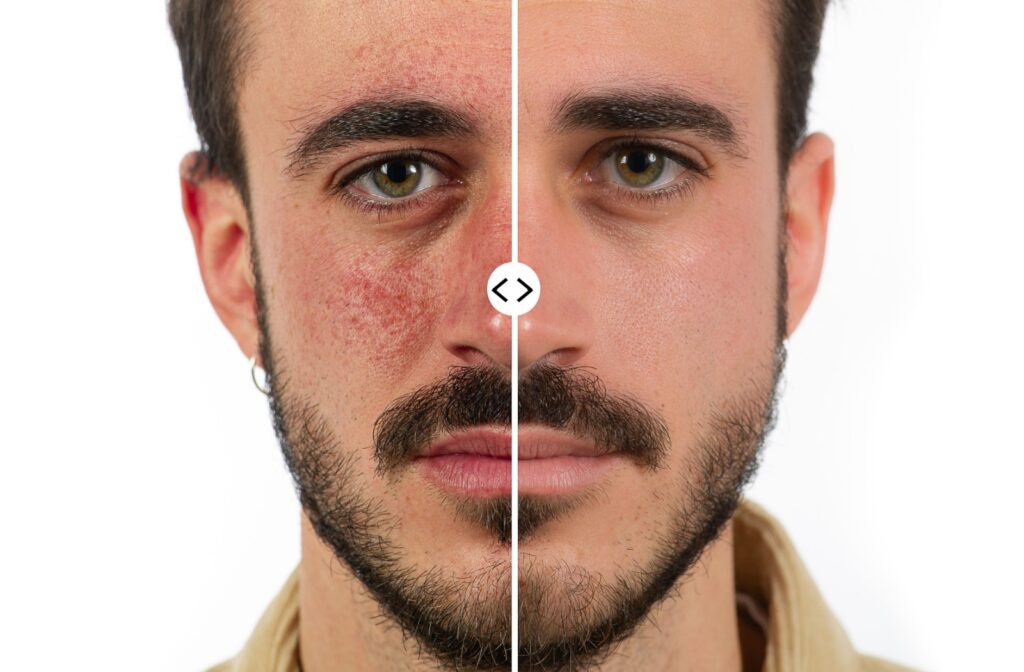
Treatments That Can Control Rosacea
A dermatologist may use one treatment or combine several. The best plan depends on your rosacea type, skin tone, symptoms, and medical history.
Prescription creams and gels
Topical medicines may reduce bumps, inflammation, or redness. Common options include:
• Metronidazole
• Azelaic acid
• Ivermectin
• Brimonidine
• Oxymetazoline
Metronidazole and azelaic acid can help reduce inflammatory bumps. Ivermectin may help some people with inflammatory rosacea. Brimonidine and oxymetazoline can temporarily reduce facial redness by narrowing blood vessels.
These medicines do not permanently remove rosacea. They work while you use them, and symptoms may return after stopping.
Oral medicines
A dermatologist may prescribe oral antibiotics for moderate or severe inflammatory rosacea. Low-dose doxycycline is often used because it can reduce inflammation without acting only as an infection-fighting drug.
Other oral medicines may be considered in selected cases. Your doctor will weigh possible benefits against side effects, drug interactions, pregnancy concerns, and other health conditions.
Never use leftover antibiotics or share medication. This can cause side effects and may delay the correct diagnosis.
Laser and light treatment
Vascular lasers and intense pulsed light may reduce visible blood vessels and lasting redness. They can be helpful when topical products do not provide enough improvement.
Results vary by skin tone, device, treatment settings, and the cause of the redness. Several sessions may be needed. Treatment should be performed by a qualified medical professional with experience treating your skin type.
Laser treatment is not a permanent cure. New vessels or redness may develop later, especially with sun exposure or ongoing triggers.
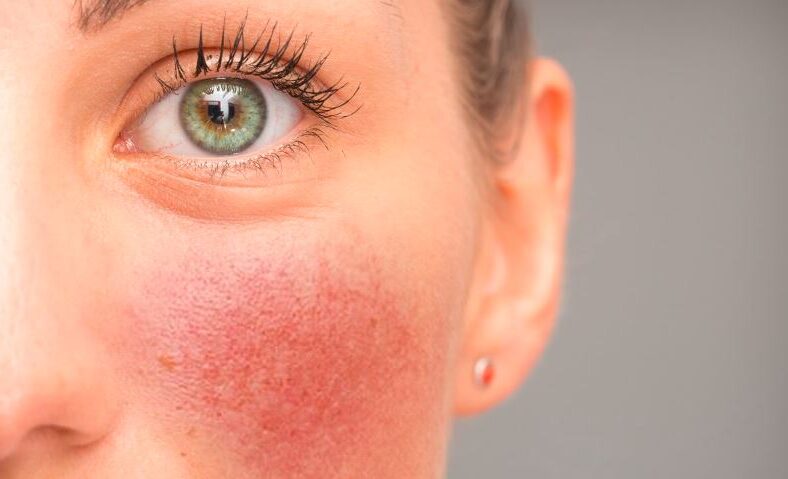
Can Lifestyle Changes Cure Rosacea?
Lifestyle changes cannot cure rosacea permanently, but they can lower the number and strength of flares. They also support medical treatment.
Try these practical steps:
Use a broad-spectrum, water-resistant sunscreen with SPF 30 or higher every day.
Choose a gentle, fragrance-free cleanser.
Wash with lukewarm water instead of hot water.
Apply a plain moisturizer to support the skin barrier.
Avoid scrubs, facial brushes, and strong exfoliating acids during flares.
Test one new product at a time.
Wear a hat and seek shade in strong sunlight.
Let hot drinks cool before drinking them.
Reduce personal triggers instead of following a strict diet without need.
Manage stress with walking, breathing exercises, sleep, or another method you can maintain.
One of the most common mistakes is changing too many products at once. When the skin reacts, you cannot tell which product caused the problem. A simple routine is often more useful than an expensive shelf full of treatments.

A Simple Skin Care Routine for Rosacea-Prone Skin
A gentle routine can help calm the skin and make prescribed treatment easier to tolerate.
Morning
• Cleanse gently, or rinse with lukewarm water if cleansing causes dryness.
• Apply a fragrance-free moisturizer.
• Use mineral or chemical sunscreen that does not sting. Mineral formulas with zinc oxide or titanium dioxide may suit very sensitive skin.
Evening
• Remove sunscreen and makeup with a gentle cleanser.
• Apply prescribed rosacea medicine as directed.
• Finish with moisturizer if your skin feels dry.
Do not apply several active ingredients at the same time unless your dermatologist recommends it. Retinoids, benzoyl peroxide, strong acids, and essential oils may irritate rosacea-prone skin.
Patch-test new products on a small area first. Stop using a product if it causes strong burning, swelling, blistering, or a rash that spreads.
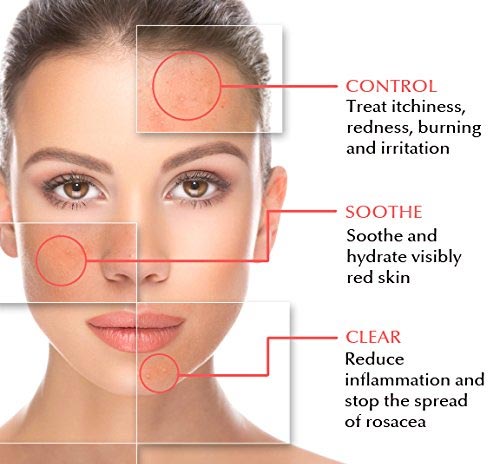
How Long Does Rosacea Treatment Take?
Rosacea treatment often takes time. Redness may improve slowly, while bumps may respond sooner. Many topical treatments need several weeks of regular use before you can judge the result.
A realistic timeline may look like this:
• The first few weeks: Mild dryness or irritation may occur as your skin adjusts.
• After one to two months: Bumps and inflammation may begin to improve.
• After several months: Redness and flare patterns may become easier to manage.
• Long term: Maintenance treatment may be needed to keep symptoms controlled.
Do not stop a treatment after a few days because your skin is not clear yet. At the same time, do not continue a product that causes severe irritation. Contact your health care professional if symptoms worsen or side effects concern you.

When to See a Dermatologist
See a dermatologist if facial redness lasts, returns often, or comes with bumps, burning, or visible blood vessels. Several conditions can look like rosacea, including acne, seborrheic dermatitis, lupus, contact dermatitis, and reactions to medication.
Professional care matters because the wrong treatment can worsen redness. For example, steroid creams may cause or aggravate rosacea when used on the face without proper guidance.
Seek prompt medical care if you have:
• Eye pain or light sensitivity
• Blurred vision
• A very red or swollen eye
• Sudden facial swelling
• A painful rash that spreads quickly
• Thickening skin on the nose
Eye symptoms may signal ocular rosacea. Early treatment can help protect the eyes and reduce the risk of complications.
Rosacea and Different Skin Tones
Rosacea can affect people of every skin tone. In deeper skin tones, redness may look brown, violet, gray, or darker than the surrounding skin. Warmth, swelling, acne-like bumps, burning, and texture changes may be easier to notice than redness.
This can lead to delayed diagnosis. If your face often feels hot, stings, flushes, or develops repeated bumps, ask for an evaluation even if obvious redness is hard to see.
Laser and light treatments require careful assessment for darker skin. Ask whether the provider has experience treating your skin tone. A cautious plan can lower the risk of burns or changes in skin color.
Myths About Permanently Curing Rosacea
Many online claims promise a permanent cure. Be careful with products that guarantee results or tell you to stop medical treatment.
Common myths include:
• Rosacea is caused by dirty skin. It is not.
• A harsh scrub can remove redness. Scrubbing often increases irritation.
• A special detox diet cures rosacea. There is no strong evidence that one universal diet permanently cures it.
• Natural products are always safer. Essential oils, vinegar, and strong plant extracts can burn sensitive skin.
• Antibiotics permanently cure rosacea. They may reduce inflammation, but symptoms can return.
• Laser treatment guarantees lifelong clear skin. It may reduce visible vessels and redness, but maintenance can be needed.
The safest approach combines an accurate diagnosis, gentle skin care, trigger control, and treatment supported by medical evidence.
What to Expect Over Time
Rosacea often follows a pattern of improvement and relapse. A calm period does not always mean the condition has disappeared. It may mean that your treatment and daily habits are working.
Long-term control usually depends on:
• Recognizing early warning signs
• Continuing maintenance care as advised
• Protecting your skin from ultraviolet light
• Treating flares early
• Reviewing treatment when symptoms change
• Avoiding known personal triggers
If you have searched “can you get rid of rosacea permanently,” you may feel disappointed by the word “control.” In practice, good control can be a major success. Clearer skin, fewer flares, and less discomfort are realistic goals for many people.
Frequently Asked Questions About Can You Get Rid of Rosacea Permanently
Can you get rid of rosacea permanently with medicine?
Medicine can control rosacea, reduce inflammation, and limit flare-ups, but it usually does not remove the condition forever. Symptoms may return when treatment stops or when strong triggers continue.
Can rosacea go away on its own?
Mild rosacea may settle for a while, but it can return later. Without care, redness and visible blood vessels may become more persistent, so ongoing symptoms deserve a medical assessment.
Is rosacea curable with diet?
No single diet has been proven to cure rosacea permanently. Tracking personal triggers can help, but avoid major food restrictions unless a qualified professional recommends them.
Does laser treatment permanently remove rosacea?
Laser and light treatments can reduce visible blood vessels and some facial redness. They do not guarantee a permanent cure, and new redness or vessels may appear over time.
Can sunscreen help rosacea?
Yes. Sun exposure is a common trigger, and daily broad-spectrum SPF 30 or higher may help reduce flares. Choose a formula that feels comfortable and does not sting your skin.
Is rosacea the same as acne?
No. Rosacea can cause red bumps that resemble acne, but it usually involves flushing, persistent redness, burning, or visible blood vessels. Blackheads are more typical of acne than rosacea.
Should you stop using skin care products during a flare?
You usually do not need to stop everything. Use a simple routine with a gentle cleanser, bland moisturizer, and sunscreen, while avoiding scrubs and irritating active ingredients.
Conclusion
So, can you get rid of rosacea permanently? Most people cannot cure it forever, but many can control it very well. A dermatologist can confirm the diagnosis and build a plan that may include prescription medicine, gentle skin care, trigger control, or laser treatment.
Start with the basics: protect your skin from the sun, avoid harsh products, track your triggers, and seek medical advice for ongoing redness or eye symptoms. With steady care, rosacea does not have to control your confidence or your routine. Use this guide as a starting point, then speak with a qualified dermatologist about the safest plan for your skin.
