
Introduction
If you buy lip tint in the United States, you may notice that it looks sheer at first but leaves color behind after the shine fades. A lip tint works by spreading a small amount of color across the lips. Some of that color forms a thin film on the surface. Some colorants can also settle into the outer layers of the lip surface.
This gives a lighter feel than most lipstick. It also helps the color last through light eating, drinking, and daily wear. However, a lip tint is not permanent makeup. The color fades as the surface of the lips wears away.

What Is a Lip Tint?
A lip tint is a lip color made to leave a soft stain or veil of color. It may come as a liquid, gel, balm, oil, marker, or cream.
Most lip tints contain some mix of:
- Colorants: These give the product its shade.
- Water or oils: These help spread the formula.
- Film-forming ingredients: These help the color stay on the lips.
- Moisturizers: These reduce a dry feel.
- Preservatives: These help control the growth of microbes in formulas that contain water.
- Flavor or fragrance: These add scent or taste in some products.
The word “tint” does not describe one fixed formula. Two products can both be called lip tints but wear in very different ways.
A watery tint may leave a stronger stain but feel less rich. A tinted balm may feel more comfortable but fade faster. A peel-off tint may form a film that you remove, leaving color on the lips.
How Does a Lip Tint Work?
A lip tint works through three main steps: spreading, film formation, and color retention.
1. The formula spreads across the lips
When you apply a tint, its liquid or cream base helps move colorants over the lip surface. Water-based tints often feel light and dry down fast. Oil-based tints feel smoother and may add shine.
The formula also fills small lines on the lips. This can make the color look more even at first.
2. A thin film remains
As water or volatile ingredients evaporate, other ingredients stay behind. These may include oils, waxes, polymers, and colorants.
Film-forming polymers can create a thin layer over the lips. This layer helps reduce color transfer. It can also slow the loss of color during normal wear.
A film is not the same as a seal. Food, drinks, saliva, rubbing, and lip movement can still remove it.
3. Some color stays on the outer lip surface
Many lip tints use soluble dyes. These dyes dissolve in the formula and can remain on the outer layers of the lips after the carrier dries.
The effect is similar to a very light stain on a surface. The dye does not usually travel deep into the body or create a permanent mark. It fades as the outer lip surface sheds and as the product is removed.
Some tints also use pigments. Pigments are small, solid color particles. They mostly sit on the surface rather than dissolving into the formula.
Why does a lip tint last longer than gloss?
Gloss mainly leaves a shiny layer on top of the lips. That layer can move, spread, and wear away quickly.
A tint may use dyes, pigments, and film formers that stay behind after some of the liquid or oil disappears. This leaves color even when the shine is gone.
That is why a tint can last longer than a clear gloss but still fade faster than long-wear liquid lipstick.

Lip Tint vs. Lipstick, Lip Stain, and Lip Balm
These products overlap, but they do not work in exactly the same way.
| Product | Main color source | Usual finish | Typical feel | How it wears |
|---|---|---|---|---|
| Lip tint | Dyes, pigments, or both | Sheer to light | Thin and light | Leaves a soft wash of color |
| Lipstick | Pigments in oils and waxes | Cream, satin, or matte | More substantial | Sits mainly on the surface |
| Lip stain | Strong color deposit | Often soft or matte | Can feel dry | Leaves more color after the base fades |
| Lip balm | Little or no color | Balm or shine | Moist and smooth | Fades with eating and rubbing |
| Lip gloss | Pigments or dyes in a shiny base | High shine | Slick | Transfers more easily |
The name on the package does not tell the whole story. Check the ingredient list and product claims. A “tint” with waxes and heavy oils may act more like a sheer lipstick. A “stain” with water and strong dyes may leave more lasting color.
What Makes a Lip Tint Last Longer?
Several factors affect how long a lip tint stays visible.
Formula type
Water-based formulas often dry down and leave color behind. Oil-based formulas may feel more comfortable but can move more easily.
Film-forming ingredients can improve wear. Their effect depends on the type and amount used.
Lip condition
Smooth, hydrated lips usually give a more even result. Dry flakes can catch extra color. This may make the tint look darker in some spots.
Very dry lips can also make the product fade in patches.
Application amount
A thin layer gives a soft wash. A second layer can create a deeper shade. More product does not always mean more wear. A thick layer may remain wet and transfer.
Food and drink
Oil can break up some cosmetic films. Acidic foods, hot drinks, and repeated wiping can also remove color.
Eating a greasy meal usually removes tint faster than sipping water.
Rubbing and lip movement
Kissing, wiping the mouth, licking the lips, and rubbing with a napkin all remove product. The more friction the lips face, the faster the color fades.
Natural lip color
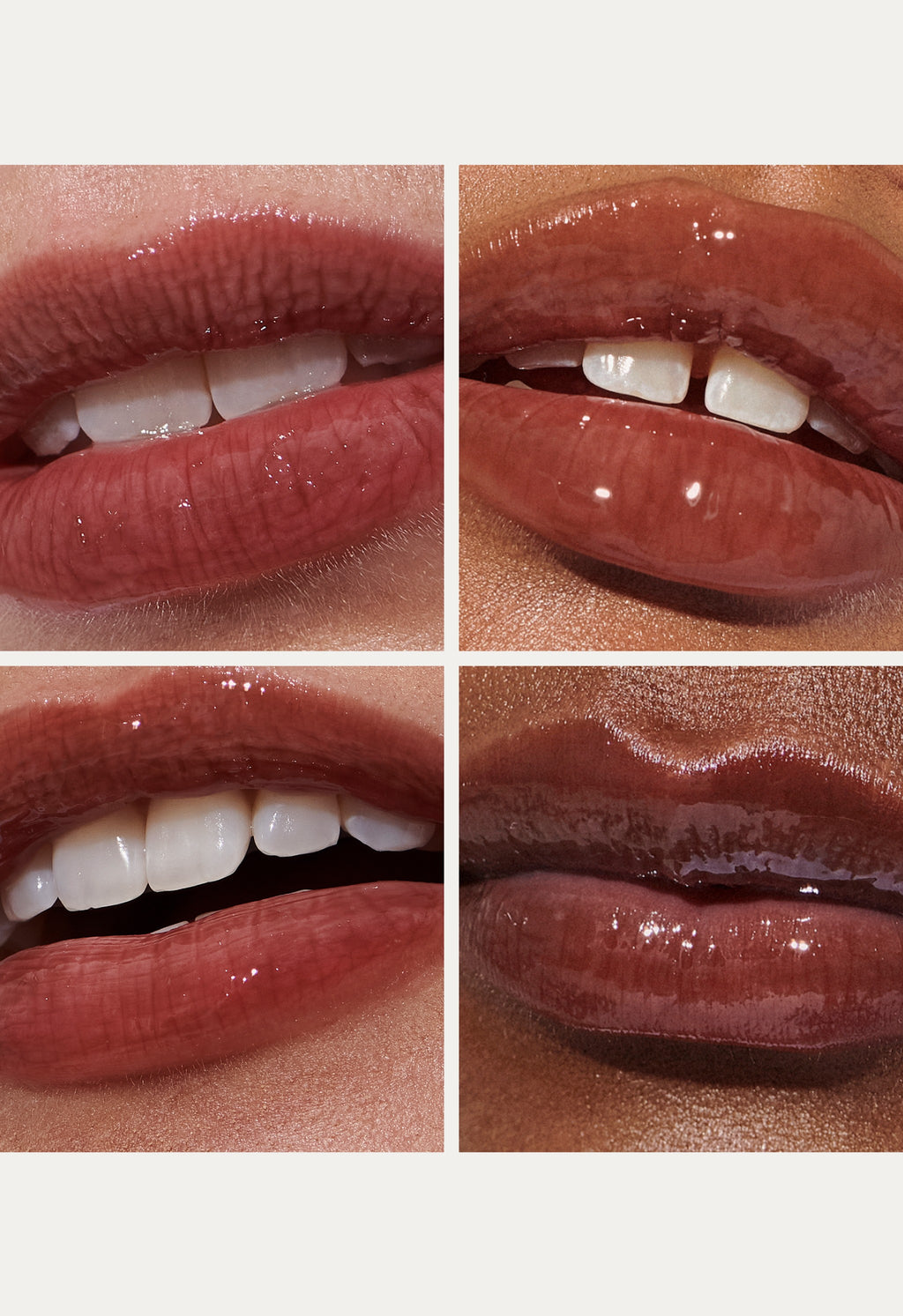
A tint looks different on each person. Natural lip tone, lip texture, and dryness can change the final shade.
A red tint may look pink on one person and berry-toned on another. Product photos cannot predict the exact result for every user.

How to Apply Lip Tint Evenly
Use this simple method for a smooth result.
Step 1: Start with clean, dry lips
Remove old makeup, oil, and balm. Pat the lips dry.
A heavy balm can stop a water-based tint from spreading well. If your lips are very dry, apply a small amount of balm first. Let it absorb, then blot away excess.
Step 2: Apply a small amount
Place a little tint on the center of the upper and lower lips. Spread it with the applicator, a clean finger, or a lip brush.
Start with less than you think you need. Many tints become darker as they dry.
Step 3: Blend the edges
Work toward the lip line. Blend quickly before the formula sets.
Pay attention to the corners and the inner edge of the lips. These areas can collect extra product.
Step 4: Add another layer if needed
Wait until the first layer looks even. Add a second thin layer for more color.
Do not pile on a thick wet coat. It may dry unevenly or transfer more.
Step 5: Add balm or gloss after the tint sets
If the product feels dry, apply a light balm after the color settles. This can improve comfort.
The trade-off is wear time. A thick balm or oil may soften the film and cause the tint to fade sooner.
Signs of a good result
A well-applied tint should:
- Look even across the lips
- Have no dark spots at the corners
- Feel comfortable
- Fade gradually rather than flake off
- Match the level of color you wanted
If the tint looks patchy
Patchy color usually comes from dry skin, uneven product, or a formula that sets too fast.
Try these fixes:
- Remove the product with a gentle cleanser or makeup remover.
- Let the lips rest.
- Smooth away loose flakes without harsh scrubbing.
- Apply a very thin layer of balm.
- Blot the balm.
- Reapply the tint in small sections.
Do not keep scrubbing to force the color off. That can increase irritation and make the next application less even.

Does Lip Tint Dry Out Your Lips?
A lip tint can dry out some lips, but the effect depends on the formula and your skin.
Water-based tints may contain alcohol or other fast-drying ingredients. These help the product set but may feel drying for some people.
Matte tints may also feel dry because they use less oil. Fragrance and flavor ingredients can cause discomfort for people with sensitive skin.
A tint may not be the main cause of dry lips. Weather, cold air, wind, dehydration, lip licking, and irritation from other products can also play a role.
To reduce dryness:
- Use a plain lip balm when needed.
- Avoid licking or biting your lips.
- Remove the tint gently at the end of the day.
- Stop using the product if burning, swelling, or a rash develops.
- Choose a fragrance-free formula if scented products bother you.
If your lips stay cracked, swollen, painful, or inflamed after stopping the product, contact a health care professional. Repeated reactions may need medical review.
Is Lip Tint Safe?
Cosmetic lip tints are generally made for use on the lips, but “cosmetic” does not mean that every formula suits every person.
In the United States, the Food and Drug Administration regulates cosmetics under the Federal Food, Drug, and Cosmetic Act. Color additives used in cosmetics must meet the rules for their intended use. Some color additives also require FDA certification.
The FDA does not approve most cosmetics before they enter the U.S. market. Companies are responsible for making products safe and properly labeled, with some exceptions and specific legal duties.
For safer use:
- Follow the package directions.
- Use the product only on the intended area.
- Do not share lip products.
- Do not use a tint past its recommended period after opening.
- Keep the applicator clean.
- Avoid products with a broken seal or changed smell.
- Stop use if you develop burning, itching, swelling, or a rash.
- Seek urgent care for trouble breathing or major swelling.
A small patch test may help identify irritation, but it cannot guarantee that a product will not cause a reaction on the lips. The lips are more sensitive than many areas of skin.
For official U.S. guidance, see the FDA cosmetics and safety information.
Can You Sleep in Lip Tint?
It is better to remove lip tint before sleeping.
Leaving makeup on overnight may increase dryness or irritation. Product can also mix with saliva, food residue, and skin oils.
Use a gentle lip-safe remover or cleanser. Avoid aggressive rubbing. After removal, apply a plain balm if your lips feel dry.
If the tint leaves a faint stain after washing, that does not mean it is permanent. Some dyes can remain visible until the outer lip surface naturally sheds.
Does Lip Tint Protect Your Lips From the Sun?
Most lip tints do not provide reliable sun protection unless the label clearly lists a broad-spectrum SPF claim.
Color alone does not replace sunscreen. If you need sun protection, choose a lip product labeled with an SPF and follow its directions. Reapply as directed, especially after eating or drinking.
A tinted product may hide dryness or color changes caused by sun exposure. It does not necessarily prevent that damage.
Why Does Lip Tint Turn Darker?
A tint can look darker after it dries for several reasons:
- The water or carrier has evaporated.
- The dye has spread into fine lip lines.
- The formula has layered over itself.
- The natural lip color changes the final shade.
- The product is designed to deepen after application.
Apply a thin layer and wait before adding more. If the shade still looks too dark, soften it with a small amount of balm or remove it and start again.
Why Does Lip Tint Fade Unevenly?
Uneven fading often comes from differences in lip texture and friction.
The center of the lips may lose color from food and saliva. The outer edge may keep more color. Dry flakes may hold extra dye and create dark patches.
To improve fading:
- Begin with smooth, hydrated lips.
- Use less product at the corners.
- Blot instead of rubbing.
- Reapply in thin layers.
- Remove the product fully before applying another coat.

Common Lip Tint Mistakes
Applying too much at once
A thick layer can dry slowly and move into lip lines. Use two thin layers instead.
Putting balm underneath without blotting
Too much balm creates a slippery surface. The tint may bead, slide, or fade fast.
Using a lip scrub too often
Frequent scrubbing can cause tiny areas of irritation. The tint may then cling to those areas and look uneven.
Applying over cracked skin
Tint can collect in cracks and make them more visible. Let the lips recover before using strong color.
Ignoring the removal step
Some long-wear tints need an oil-based remover or cleansing balm. Rubbing harder is not always better.
Assuming “natural” means non-irritating
Plant oils, botanical extracts, flavor oils, and essential oils can still irritate or trigger an allergy. Judge the product by its ingredients and your own response, not by one marketing term.
How to Choose the Right Type of Lip Tint
Choose based on the result you want.
| Your priority | A useful formula to consider | Trade-off |
|---|---|---|
| Light, fresh color | Water-based tint | May feel less moisturizing |
| More comfort | Tinted balm or oil tint | Usually fades sooner |
| Strong stain | Dye-rich lip stain | May look patchy on dry lips |
| Shine | Glossy tint | Transfers more easily |
| Long wear | Film-forming tint | May need more careful removal |
| Sensitive lips | Simple, fragrance-free formula | Fewer scent and flavor options |
Check the full label when possible. Look for directions, warnings, net contents, and the ingredient list.
A lip tint is a good fit when you want light color and do not mind touch-ups. A lipstick may work better when you want strong coverage. A balm may be better when comfort and moisture matter most.

Frequently Asked Questions
Does lip tint stain your lips permanently?
No. A lip tint can leave color on the outer lip surface, but it does not usually create permanent color. The stain fades with cleansing, eating, rubbing, and natural shedding of the surface cells.
Can you use lip tint every day?
Many people can use a lip tint daily if it does not cause dryness or irritation. Stop using it if you notice burning, itching, swelling, cracking, or a rash.
Does lip tint work on dark lips?
Yes, but the result may look different from the shade shown in product photos. A deeper natural lip tone can soften or change the final color. A more pigmented formula may give a clearer result.
Can lip tint replace lipstick?
Sometimes. Lip tint works well for sheer, low-maintenance color. It may not replace lipstick when you want full coverage, a creamy feel, or a precise opaque lip line.
How do you remove a lip tint?
Start with a lip-safe makeup remover, cleansing balm, or oil-based cleanser if the product resists water. Wipe gently, then cleanse away residue. Avoid harsh scrubbing.
Key Takeaways
- A lip tint uses dyes, pigments, film formers, or a mix of these ingredients.
- Its carrier spreads color across the lips, then dries or wears away.
- Some color remains on the outer lip surface, creating a soft stain.
- Water-based tints often feel light, while balms and oils feel more comfortable but may fade sooner.
- Dryness, food, rubbing, lip texture, and natural lip tone all affect the result.
- Apply thin layers, remove the product gently, and stop use if irritation occurs.
Conclusion
A lip tint works by placing color on the lip surface and, in some formulas, leaving a small amount of dye in the outer surface layers. A thin film can help that color last after the wet or shiny part of the product fades.
The best formula depends on your goal. Choose a light tint for a sheer wash, a tinted balm for comfort, or a more pigmented stain for stronger color. Start with a small amount, keep the lips smooth, and remove the product gently at the end of the day.
