
Gentle skin care, daily sun protection, and trigger control can help prevent rosacea flare-ups on your face.
Rosacea is a common, long-term skin condition that can cause facial redness, warmth, visible blood vessels, bumps, and burning. Learning how to prevent rosacea on face starts with protecting the skin barrier and noticing what makes your symptoms worse. This guide explains proven prevention steps, common mistakes, treatment options, and when to see a dermatologist.
What Is Rosacea?
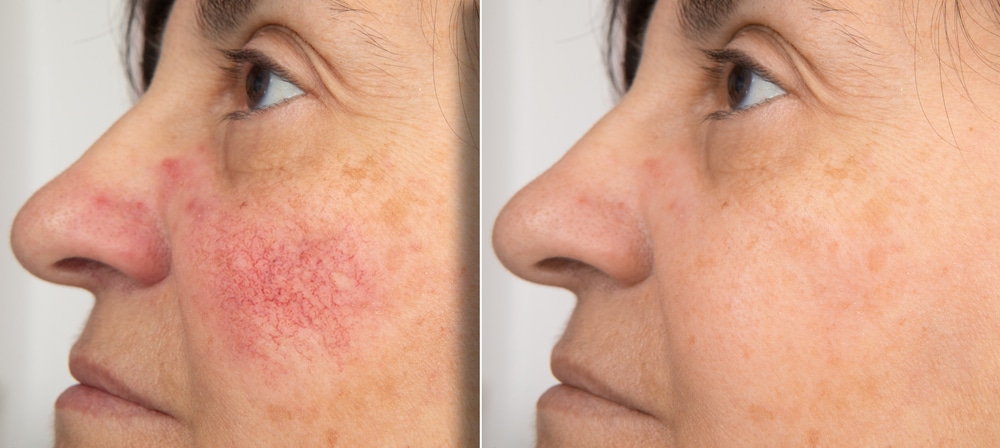
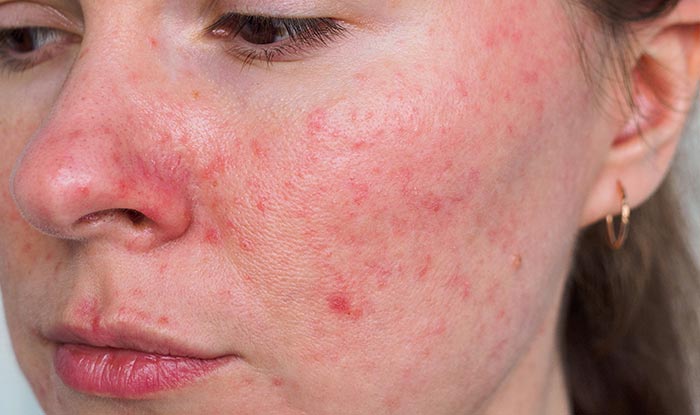
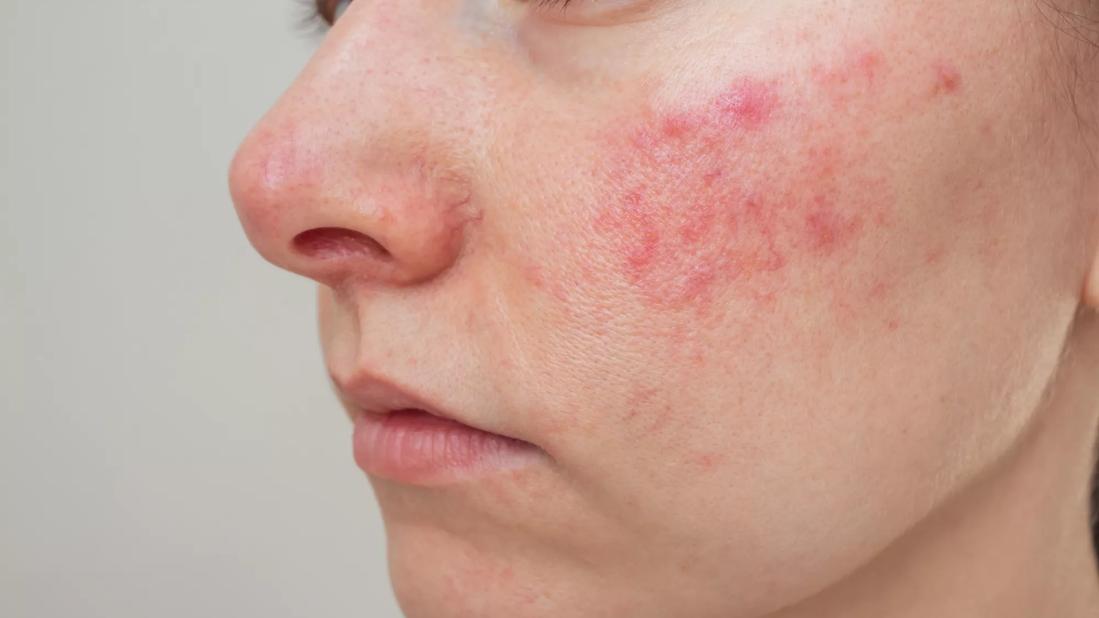
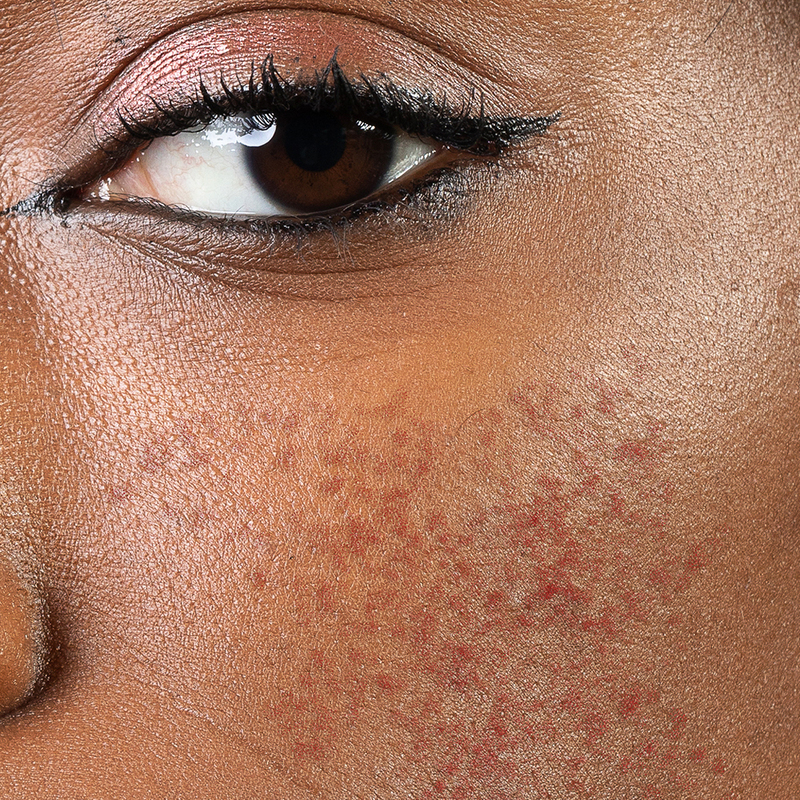
Rosacea is an inflammatory skin condition that often affects the cheeks, nose, chin, and forehead. Some people have mainly flushing and redness, while others develop acne-like bumps, dry skin, eye irritation, or small visible blood vessels.
Rosacea can come and go. A calm period may be followed by a flare after sun exposure, heat, stress, alcohol, spicy food, or irritating skin products. It is not contagious, and it is not caused by poor hygiene.
The exact cause is not fully understood. Research points to a mix of genetics, immune system activity, blood vessel changes, skin microbes, and an overactive response to environmental triggers. Because rosacea varies from person to person, prevention works best when it is personal and consistent.
How to Prevent Rosacea on Face: Start With Daily Sun Protection
Sun exposure is one of the most common rosacea triggers. Even a short time outside can cause flushing and lasting redness in sensitive skin. Daily sunscreen is one of the most important steps in learning how to prevent rosacea on face.
Choose a broad spectrum sunscreen with SPF 30 or higher. Mineral formulas with zinc oxide or titanium dioxide may feel more comfortable for sensitive skin because they are less likely to sting.
Use sunscreen correctly:
- Apply it every morning, even on cloudy days.
- Use enough to cover your face, ears, and neck.
- Reapply every two hours when outdoors.
- Reapply after swimming or heavy sweating.
- Wear a wide brimmed hat in strong sunlight.
- Seek shade between late morning and midafternoon.
- Use sunglasses to protect the delicate skin around your eyes.
Heat can also trigger rosacea, even without direct sunlight. A cool hat, shade, and short outdoor breaks can help during hot weather. Do not rely on sunscreen alone if heat is one of your triggers.
Build a Gentle Skin Care Routine
A damaged skin barrier can make rosacea symptoms worse. Think of your skin barrier as a thin raincoat. When it is healthy, it helps keep irritants out and moisture in. Harsh products can create tiny cracks in that protective layer.
A simple routine is often better than a crowded shelf of strong products.
Morning routine
- Wash with lukewarm water and a gentle, fragrance free cleanser.
- Pat your face dry with a soft towel.
- Apply a plain moisturizer.
- Finish with broad spectrum SPF 30 or higher.
Evening routine
- Remove makeup with a gentle cleanser.
- Avoid scrubbing or using cleansing brushes.
- Apply a fragrance free moisturizer.
- Use only prescribed rosacea treatments as directed.
Look for products labeled:
- Fragrance free
- Sensitive skin
- Noncomedogenic
- Gentle
- Alcohol free
Avoid products that contain harsh scrubs, strong fragrances, menthol, camphor, eucalyptus, or high levels of rubbing alcohol. Essential oils may also irritate sensitive facial skin, even when they are marketed as natural.
A useful lesson from working with skin care information is that people often change too many products at once. When the skin reacts, they cannot tell which product caused the problem. Add only one new product at a time and test it on a small area first.

Learn and Track Your Rosacea Triggers
Trigger control is central to understanding how to prevent rosacea on face. A trigger is anything that causes flushing, burning, bumps, or increased redness. Triggers differ widely, so do not assume that every common trigger affects you.
Common rosacea triggers include:
- Sunlight
- Hot weather
- Hot baths and showers
- Saunas
- Spicy foods
- Hot drinks
- Alcohol
- Intense exercise
- Emotional stress
- Wind and cold
- Strong skin products
- Certain medicines
Keep a simple diary for two to four weeks. Write down what you ate, the weather, your activities, your skin products, and your symptoms. Note how long the flare lasted.
This method can reveal patterns. For example, you may notice that coffee is not a problem when it is warm, but it causes flushing when it is very hot. You may also find that outdoor exercise is fine in cool weather but difficult during summer afternoons.
Do not remove many foods from your diet without a clear reason. Restrictive diets can cause stress and poor nutrition. Focus on confirmed personal triggers rather than fear of every possible trigger.

Manage Heat, Exercise, and Temperature Changes
Heat causes blood vessels near the skin to widen. This can lead to flushing and a warm or burning feeling. Managing heat is an important part of how to prevent rosacea on face.
You do not need to stop exercising. Regular movement supports overall health and may reduce stress, which can be helpful for some people. Instead, adjust the way you exercise.
Try these strategies:
- Exercise during cooler parts of the day.
- Choose swimming, walking, or gentle strength training.
- Take short breaks during intense workouts.
- Drink cool water.
- Use a fan or cool towel.
- Avoid very hot yoga rooms and saunas.
- Cool your face gently after exercise.
Do not place ice directly on your skin. Extreme cold can irritate the skin and cause another reaction. A cool, damp cloth is usually a safer choice.
When showering, use warm rather than hot water. Keep showers short, and avoid letting hot water spray directly onto your face.

Adjust Food and Drink Habits Carefully
Food does not cause rosacea in every person, but some foods and drinks can trigger symptoms. Spicy meals, hot beverages, and alcohol are common examples.
If you suspect a food trigger, make one change at a time. Stop the suspected item for a short period, then observe your skin. A diary can help you avoid unnecessary restrictions.
Helpful habits may include:
- Let hot drinks cool before drinking them.
- Choose mild spices when your skin is active.
- Limit alcohol if it causes flushing.
- Drink water during meals and social events.
- Notice whether large meals affect your symptoms.
- Eat slowly if heat or flushing develops during meals.
Alcohol does not affect everyone with rosacea. If it causes symptoms, reducing or avoiding it may help. Reducing alcohol also supports sleep and general health, so this change may offer benefits beyond skin care.
Reduce Stress Without Blaming Yourself
Stress can trigger flushing for some people. However, stress is not the cause of rosacea, and a flare is not a personal failure. Skin conditions can affect confidence, social comfort, and mood. That emotional burden deserves attention.
Small calming habits may help reduce stress related to rosacea:
- Take slow breaths for a few minutes.
- Practice gentle stretching.
- Keep a regular sleep schedule.
- Spend time outdoors in mild weather.
- Talk with someone you trust.
- Use counseling if skin symptoms affect your mood.
Stress reduction will not replace medical treatment. It is one supportive part of how to prevent rosacea on face. Choose methods that feel realistic rather than adding another demanding task to your day.

Consider Medical Treatment for Frequent Flare-Ups
Lifestyle changes can help, but they may not fully control rosacea. If you have frequent flares, persistent bumps, eye symptoms, or worsening redness, see a board certified dermatologist or another qualified health professional.
A clinician may recommend:
- Prescription creams or gels for bumps and inflammation
- Medicines that reduce facial flushing
- Oral antibiotics for selected inflammatory symptoms
- Laser or light treatment for visible blood vessels
- Eye care for ocular rosacea
- A tailored plan for long-term maintenance
Treatment depends on your rosacea type and symptoms. A cream that helps one person may irritate another. Follow the prescribed instructions, and ask before combining treatments with strong exfoliants or acne products.
Do not use steroid creams on your face unless a clinician specifically tells you to. Steroids may briefly reduce redness, but facial use can sometimes worsen rosacea or cause other skin problems.
Medical treatment is not a failure of prevention. In many cases, the best way to prevent rosacea on face is to combine gentle daily care with professional treatment.
Common Skin Care Mistakes to Avoid
Many people try to “scrub away” redness or bumps. Rosacea does not improve through force. Scrubbing, picking, and using strong acids can increase irritation and prolong a flare.
Avoid these common mistakes:
- Washing your face with very hot water
- Using rough washcloths or facial brushes
- Applying several new products at once
- Using strong acne treatments without guidance
- Exfoliating red or burning skin
- Skipping sunscreen in winter
- Applying fragrance or essential oils to the face
- Using leftover prescription medicine
- Stopping treatment as soon as the skin looks better
- Assuming every facial redness is rosacea
Some conditions look similar to rosacea. Acne, eczema, contact dermatitis, lupus, seborrheic dermatitis, and sun damage can cause facial redness or bumps. A correct diagnosis makes prevention safer and more effective.
How to Create a Simple Rosacea Prevention Plan
A practical plan is easier to follow than a perfect plan. Start with the steps that have the strongest benefit and the lowest risk.
- Use a gentle cleanser and moisturizer.
- Apply SPF 30 or higher every morning.
- Track flushing, food, weather, stress, and products.
- Avoid known personal triggers.
- Keep showers and drinks comfortably warm, not hot.
- Introduce new skin products one at a time.
- Seek medical advice for frequent or severe symptoms.
- Continue helpful care even when your skin looks calm.
Give changes time. Skin may need several weeks to settle after irritation. Take photos in the same light every few weeks so you can notice gradual changes that are easy to miss in a mirror.
The goal is not to create perfectly clear skin every day. The goal is fewer flares, less discomfort, and more confidence in managing your skin.
When Should You See a Dermatologist?
Make an appointment if facial redness does not improve with gentle care, or if symptoms interfere with work, sleep, exercise, or social life. Professional advice is especially important when symptoms are new, severe, or rapidly changing.
Seek prompt medical care for:
- Eye pain, light sensitivity, or blurred vision
- Severe swelling
- Sudden facial changes
- Painful skin lesions
- Signs of infection
- Redness that affects the eyes
Rosacea around the eyes can require special care. Eye symptoms should not be ignored because untreated ocular rosacea may affect eye comfort and vision.
A dermatologist can also check whether another condition is causing your symptoms. This matters because the best way to prevent rosacea on face begins with knowing what you are treating.
Frequently Asked Questions About How to Prevent Rosacea on Face
Can rosacea be prevented completely?
Rosacea cannot always be prevented because genetics and immune responses play a role. However, daily sunscreen, gentle skin care, trigger control, and timely treatment can reduce flare-ups for many people.
What is the best sunscreen for rosacea-prone skin?
Choose a fragrance free, broad spectrum sunscreen with SPF 30 or higher. Mineral sunscreens containing zinc oxide or titanium dioxide may be less irritating, but the best product is one you can use consistently without burning or stinging.
Does washing my face often prevent rosacea?
Washing more often does not prevent rosacea and may damage the skin barrier. Cleanse gently once or twice daily with lukewarm water, depending on your skin and product use.
Should I avoid all spicy foods if I have rosacea?
No. Avoiding every spicy food is not necessary unless you notice a clear connection. Track your symptoms and reduce only the foods that repeatedly cause flushing or discomfort.
Can moisturizer help prevent rosacea flare-ups?
Yes. A gentle moisturizer can support the skin barrier and reduce dryness, tightness, and irritation. Choose a fragrance free product and stop using it if it causes burning or a rash.
Is facial redness always rosacea?
No. Facial redness can also come from acne, eczema, allergies, contact dermatitis, lupus, sun damage, or other conditions. A health professional can confirm the diagnosis and recommend the right care.
Can exercise make rosacea worse?
Exercise can cause temporary flushing because it raises body temperature. You can often reduce this effect by exercising in a cool setting, taking breaks, drinking cool water, and choosing moderate activities.
Conclusion
The most effective way to prevent rosacea on face is to protect your skin barrier, use sunscreen every day, manage heat, identify personal triggers, and seek treatment when symptoms continue. Be gentle with your skin and avoid chasing quick fixes that create more irritation.
Start with one simple step today, such as applying SPF 30 or switching to a fragrance free moisturizer. Track your results, speak with a dermatologist when needed, and share your experience or questions with a trusted skin care community.
