
Sunscreen, gentle cleansers, moisturizers, retinoids, and proven acne treatments deliver the best results.
If you have ever felt lost in a crowded skin care aisle, you are not alone. Many products promise glass-like skin, smaller pores, and instant age reversal, yet only a small group has strong evidence behind it. This guide explains what skin care products actually work, how to use them, and which claims deserve caution.
What Skin Care Products Actually Work?
The best skin care products do not need flashy packaging or a long ingredient list. They work by protecting the skin barrier, reducing proven causes of damage, or supporting healthy cell renewal.
The most evidence-backed products include:
• Broad-spectrum sunscreen with SPF 30 or higher
• Gentle facial cleansers
• Moisturizers with ingredients such as ceramides and glycerin
• Retinoids, including retinol and prescription tretinoin
• Vitamin C serums for some forms of discoloration
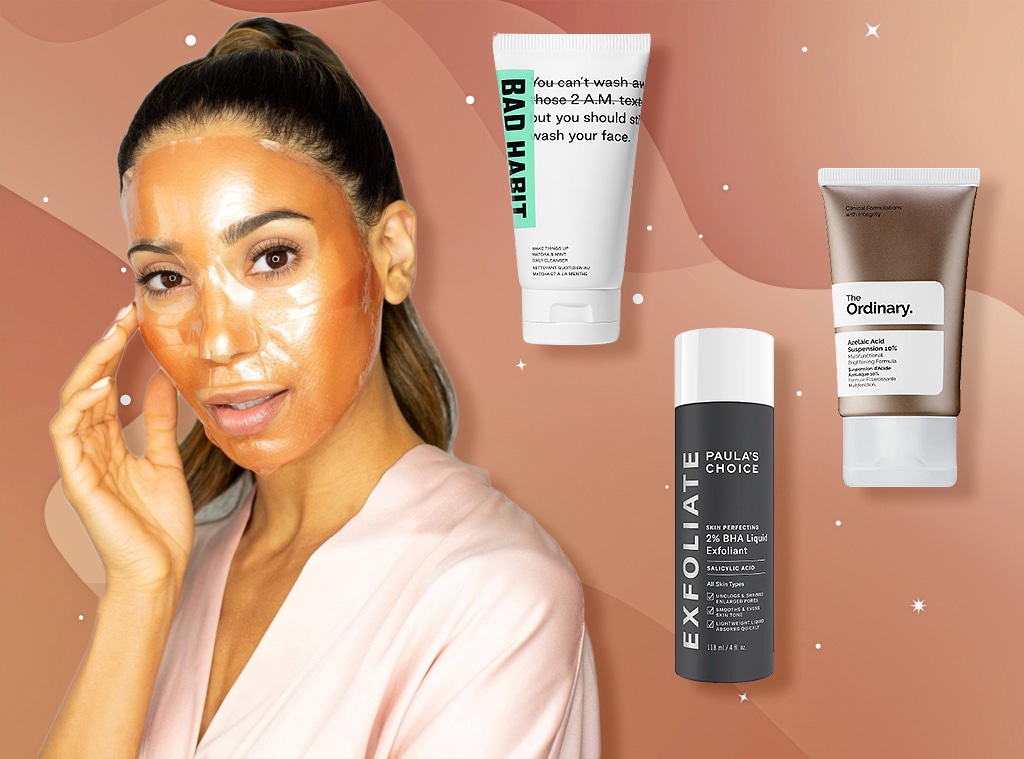
• Salicylic acid and benzoyl peroxide for acne
• Azelaic acid for acne, redness, and dark marks
• Prescription treatments for stubborn skin concerns
A simple routine often works better than a shelf full of products. Skin care is more like brushing your teeth than using a magic eraser. Small, steady habits usually create the biggest change.

Sunscreen Is the Most Effective Skin Care Product
If you buy only one treatment product, make it sunscreen. Daily sun protection helps prevent sunburn, premature skin aging, uneven skin tone, and many forms of skin damage.
Look for a broad-spectrum sunscreen that protects against both UVA and UVB rays. Choose SPF 30 or higher. Water resistance is useful if you swim, sweat, or spend time outdoors.
Sunscreen helps with:
• Fine lines caused by sun exposure
• Dark spots and melasma
• Uneven skin tone
• Sunburn
• Loss of skin firmness
• Lowering the risk of skin cancer
Use about two finger lengths of sunscreen for your face and neck. Apply it as the last step in your morning routine. Reapply every two hours outdoors, and sooner after swimming or heavy sweating.
Mineral sunscreens use zinc oxide or titanium dioxide. Chemical sunscreens use filters that absorb ultraviolet energy. Both types can work well. The best sunscreen is the one you will apply generously and use every day.
Research consistently supports sunscreen as a key tool for preventing photoaging. Still, no sunscreen blocks every ray, so hats, shade, and protective clothing matter too.

Gentle Cleansers Protect the Skin Barrier
A cleanser removes sweat, excess oil, makeup, pollution, and sunscreen. However, a harsh cleanser can also remove protective oils and leave the skin tight, dry, or irritated.
Choose a gentle, fragrance-free cleanser if your skin is sensitive. Cream, lotion, gel, and foaming cleansers can all work. Your choice should match your skin type and comfort.
A useful cleanser should:
• Remove dirt without a squeaky-tight feeling
• Rinse clean without leaving a heavy film
• Avoid strong fragrance if your skin reacts easily
• Support comfortable skin after washing
• Work well with your sunscreen and makeup
Wash your face once at night. In the morning, many people can rinse with water or use a mild cleanser. Washing too often will not always reduce acne. It may simply cause irritation.
A common mistake is scrubbing harder when the skin feels rough. Rough scrubs can create tiny areas of irritation. A mild cleanser and a leave-on treatment are often safer and more effective.

Moisturizers Help Nearly Every Skin Type
Moisturizer is not only for dry skin. It helps reduce water loss and supports the outer skin barrier. A strong barrier can make skin feel calmer and may improve tolerance to active ingredients.
Effective moisturizers often contain:
• Ceramides to support the skin barrier
• Glycerin to draw water into the skin
• Hyaluronic acid to improve surface hydration
• Petrolatum to reduce water loss
• Squalane to soften and smooth the skin
• Colloidal oatmeal to calm some types of irritation
Choose a lotion or gel if your skin feels oily. Try a cream if your skin feels dry. Ointments are useful for very dry areas, but they may feel too heavy for the whole face.
Apply moisturizer to slightly damp skin. This helps trap water at the surface. If a new retinoid or acne treatment causes dryness, moisturizer can make the routine easier to maintain.
Good skin care products do not need to make your face tingle. Tingling can signal irritation, not effectiveness.

Retinoids Have the Strongest Evidence for Skin Renewal
Retinoids are vitamin A derivatives. They are among the most studied ingredients for acne, fine lines, rough texture, and uneven pigmentation.
Prescription tretinoin is stronger and usually works faster. Over-the-counter retinol is milder and may be easier for beginners. Adapalene is an over-the-counter retinoid approved for acne in the United States.
Retinoids can:
• Unclog pores
• Reduce acne breakouts
• Improve rough texture
• Soften the appearance of fine lines
• Support more even skin tone
• Increase skin cell turnover
Start with a pea-sized amount for the entire face two nights per week. Avoid the eyelids, corners of the nose, and corners of the mouth at first. Increase use slowly as your skin adjusts.
Dryness, peeling, redness, and mild irritation can occur during the first few weeks. Applying moisturizer before or after the retinoid may reduce discomfort.
Do not use retinoids during pregnancy unless your health care professional specifically advises you to do so. Ask a dermatologist about safe alternatives if you are pregnant, trying to become pregnant, or breastfeeding.

Vitamin C Can Help With Dullness and Dark Spots
Vitamin C is an antioxidant that helps defend skin from free radicals created by pollution and ultraviolet exposure. It may also support collagen production and help improve the look of uneven skin tone.
L-ascorbic acid is the most studied form of topical vitamin C. Products often use concentrations between 10% and 20%. Higher strength does not always mean better results, especially for sensitive skin.
Vitamin C may help with:
• Mild dark spots
• Dull-looking skin
• Uneven tone
• Early signs of sun damage
• Support for sunscreen use
Vitamin C does not replace sunscreen. Think of it as a supporting player, not the main defense. Store the product away from heat and direct light. If it turns dark orange or brown, it may have oxidized.
Some people develop stinging or redness. Start every other morning and stop if burning continues. A stable, well-made product matters more than choosing the most expensive serum.

Acne Products That Really Work
Acne treatment depends on the type and severity of the breakout. Blackheads, whiteheads, red pimples, and deep cysts do not always respond to the same ingredient.
Benzoyl Peroxide
Benzoyl peroxide reduces acne-causing bacteria and inflammation. It works well for red pimples and can help prevent antibiotic resistance when used with a prescription antibiotic.
Start with a 2.5% product. Research shows that lower strengths can work well with less irritation than stronger formulas. Benzoyl peroxide can bleach towels, pillowcases, and clothing.
Salicylic Acid
Salicylic acid helps loosen dead skin cells inside pores. It can be useful for blackheads, whiteheads, and oily skin.
Use a 0.5% to 2% leave-on product a few times per week. Avoid using several exfoliating products at once. Too much exfoliation can make acne-prone skin more inflamed.
Azelaic Acid
Azelaic acid can help acne, redness, clogged pores, and dark marks left after pimples. It is often a good choice for sensitive skin and deeper skin tones because irritation can worsen discoloration.
Over-the-counter formulas commonly contain 10%. Prescription strengths may be higher. Results often take several weeks.
Hydrocolloid Patches
Hydrocolloid patches can protect a surface pimple from picking. They absorb fluid and create a clean covering. They do not treat deep cysts or prevent every future breakout.
Avoid squeezing pimples. Picking can increase inflammation and raise the risk of lasting marks or scars.
Products for Dark Spots and Uneven Skin Tone
Dark spots can follow acne, sun exposure, hormones, or skin irritation. The first step is to identify and control the cause. Without daily sunscreen, many brightening treatments will have limited results.
Ingredients that may help include:
• Azelaic acid
• Retinoids
• Vitamin C
• Niacinamide
• Kojic acid
• Alpha hydroxy acids
• Prescription hydroquinone under medical guidance
Hydroquinone can be effective for certain types of hyperpigmentation, but it should be used carefully and for a limited period under professional advice. Misuse can cause irritation or a rare condition called exogenous ochronosis, which may create blue-gray discoloration.
Melasma often needs a complete plan. Sunscreen, hats, gentle products, and prescription treatment may work better together than any single serum.
If a dark spot changes shape, color, or size, or if it bleeds, see a dermatologist. Skin care should never replace a skin cancer check.

Ingredients That Support Sensitive Skin
Sensitive skin needs fewer variables. Adding several new products at once makes it hard to find the cause of a reaction.
Helpful ingredients may include:
• Ceramides
• Glycerin
• Colloidal oatmeal
• Panthenol
• Squalane
• Petrolatum
• Niacinamide at a lower concentration
Fragrance, essential oils, and harsh alcohols can trigger irritation in some people. “Natural” does not always mean gentle. Poison ivy is natural, too, but it is not a good facial treatment.
Patch-test new products on a small area for several days. This does not guarantee that your face will never react, but it can lower the risk of a large reaction.
Stop using a product if you develop swelling, hives, blistering, or intense burning. Seek medical care for trouble breathing or swelling around the lips and eyes.
A Simple Skin Care Routine That Works
A practical routine has three steps in the morning and two or three steps at night.
Morning
- Cleanse gently or rinse with water.
- Apply a treatment such as vitamin C or azelaic acid if needed.
- Apply moisturizer.
- Finish with broad-spectrum SPF 30 or higher.
Night
- Remove makeup and sunscreen.
- Cleanse gently.
- Apply one active treatment, such as a retinoid or acne product.
- Apply moisturizer.
Do not begin retinol, exfoliating acids, vitamin C, and acne treatments all at once. Start one product at a time. Give it about eight to twelve weeks unless it causes a reaction or your dermatologist gives different advice.
Skin often improves slowly. Acne treatments may need two to three months. Fine lines and dark spots may take longer. A product that works quietly can be more valuable than one that creates instant redness and temporary tightness.
Skin Care Products That Often Disappoint
Many products sound impressive but have weak evidence or unrealistic promises. A high price does not prove that a formula works.
Be cautious with:
• Products promising permanent pore removal
• Creams claiming instant wrinkle erasure
• Detox masks that supposedly remove toxins from healthy skin
• Home remedies using lemon juice or baking soda
• Extremely strong peeling products sold for home use
• Supplements that promise perfect skin without evidence
• Products with vague “proprietary blends” and no clear ingredient amounts
Pores cannot be permanently erased. They may look smaller when oil and buildup are reduced, but pore size is also shaped by genetics.
Lemon juice and baking soda can irritate the skin and disrupt its natural pH. The same is true of aggressive scrubbing. When a product burns, that does not mean it is working.
How to Choose Skin Care Products by Skin Type
Skin type can guide your starting point, but it is not a permanent label. Weather, hormones, medications, stress, and age can all change how your skin behaves.
Oily or Acne-Prone Skin
Choose lightweight, noncomedogenic products. Consider salicylic acid, benzoyl peroxide, adapalene, or azelaic acid. Moisturizer still matters because irritated skin may produce more discomfort and become harder to treat.
Dry Skin
Use a gentle cleanser and a richer moisturizer. Look for ceramides, glycerin, and petrolatum. Limit hot water and frequent exfoliation.
Combination Skin
Use light products across the face and add richer moisturizer only where needed. You do not need separate products for every small area.
Sensitive Skin
Keep the routine simple. Choose fragrance-free products and add active ingredients slowly. If redness continues, ask a dermatologist about rosacea, eczema, or contact dermatitis.
Mature Skin
Focus on sunscreen, moisturizer, and a retinoid if tolerated. Hydration can soften the look of fine lines, while retinoids may improve texture over time.
Mistakes That Stop Skin Care Products From Working
Even effective products can fail when they are used incorrectly.
Common mistakes include:
• Using too much product
• Changing products every few days
• Skipping sunscreen
• Applying several irritating actives together
• Expecting overnight results
• Using expired products
• Applying retinoids to wet skin
• Scrubbing acne or peeling dry skin
• Ignoring a rash or persistent redness
One lesson from reviewing many skin care routines is that consistency beats complexity. People often spend more money after a product fails, when the real problem is irregular use or too many competing treatments.
Take a photo once a month in similar lighting. This gives you a better view of gradual change than checking the mirror several times each day.
When to See a Dermatologist
Over-the-counter products can help mild concerns, but professional care is important in several situations.
See a dermatologist if you have:
• Painful cystic acne
• Acne that leaves scars
• A rash that spreads or does not improve
• Severe itching or swelling
• Persistent facial redness
• Sudden changes in pigmentation
• A changing or bleeding mole
• No improvement after a consistent treatment trial
A dermatologist can diagnose the problem, prescribe stronger treatments, and help prevent scars. This matters because acne, rosacea, eczema, and allergic reactions can look similar at first.
Professional advice is especially important for children, pregnant people, people taking medications, and anyone with a history of severe skin reactions.
Frequently Asked Questions About What Skin Care Products Actually Work
What skin care products actually work for everyday skin health?
Broad-spectrum sunscreen, a gentle cleanser, a moisturizer, and one targeted treatment have the strongest practical value. The right treatment depends on whether your main concern is acne, dryness, dark spots, redness, or signs of aging.
What is the most effective anti-aging skin care product?
Daily sunscreen is the most important anti-aging product because it helps prevent new sun damage. Retinoids also have strong evidence for improving fine lines, texture, and uneven tone over time.
Do expensive skin care products work better?
Not usually. A lower-cost product can work just as well if it contains a proven ingredient at a useful strength and you use it consistently.
How long does it take for skin care products to work?
Moisturizers may improve comfort within days, but acne, dark spots, and fine lines often need eight to twelve weeks or longer. Stop a product sooner if it causes intense burning, swelling, blistering, or a severe rash.
Can skin care products remove large pores?
No product can permanently remove pores. Cleansing, salicylic acid, retinoids, and sunscreen may make pores look less noticeable by reducing oil, buildup, and sun-related texture changes.
Can I use retinol and vitamin C together?
Many people can use them in the same routine, but irritation is more likely when starting both at once. A simple approach is vitamin C in the morning and retinol at night, with moisturizer and daily sunscreen.
Are natural skin care products safer?
Natural products are not automatically safer or more effective. Fragrance oils and plant extracts can cause irritation or allergies, so judge a product by its ingredients, testing, and your skin’s response.
Conclusion
The skin care products that actually work are usually simple, proven, and used with patience. Sunscreen protects the future of your skin, moisturizer supports the barrier, and targeted ingredients such as retinoids, benzoyl peroxide, salicylic acid, azelaic acid, and vitamin C address common concerns.
Start with a small routine. Add one active product at a time, use it consistently, and give it enough time to show results. If your skin is painful, rapidly changing, or not improving, get advice from a qualified dermatologist. Use this guide to build a routine that fits your skin, then keep learning and share your experience in the comments.
