
The necessary skin care products are a gentle cleanser, moisturizer, broad-spectrum sunscreen, and targeted treatments when needed.
Knowing what skin care products are necessary can save you money, time, and skin trouble. A simple routine often works better than a crowded shelf of strong formulas. This guide explains the essential products, how to choose them, what to skip, and how to build a routine that fits your skin type and daily life.

What Skin Care Products Are Necessary for Everyone?
Most people need only three basic products to support healthy skin:
- A gentle cleanser
- A moisturizer
- A broad-spectrum sunscreen
These products cover the main needs of skin care. Cleansing removes sweat, oil, makeup, and dirt. Moisturizing helps support the skin barrier. Sunscreen protects against ultraviolet, or UV, damage.
The right routine may also include a treatment product. This depends on your goals, such as acne control, dark spots, fine lines, redness, or dryness. A treatment is helpful, but it is not always necessary for everyone.
When asking what skin care products are necessary, think of your routine like a simple meal. The cleanser, moisturizer, and sunscreen are the main ingredients. Extra serums are optional toppings.
1. Gentle cleanser
A cleanser removes substances that build up on the skin. These include:
• Excess oil
• Sweat
• Makeup
• Pollution
• Sunscreen residue
• Dead skin cells
Choose a mild, fragrance-free cleanser if your skin feels dry, tight, or irritated after washing. Foaming cleansers may suit oily skin, while cream or lotion cleansers often feel better on dry or sensitive skin.
Avoid scrubbing hard. Friction can weaken the skin barrier and increase redness. Use lukewarm water, massage the cleanser gently, and pat your face dry with a clean towel.
2. Moisturizer
Moisturizer helps reduce water loss from the skin. It can make skin feel softer and more comfortable while supporting the protective barrier.
Useful moisturizer ingredients include:
• Ceramides to support the skin barrier
• Glycerin to attract water
• Hyaluronic acid to improve surface hydration
• Petrolatum to reduce water loss
• Squalane to soften dry skin
Oily skin still needs moisturizer. Choose a lightweight lotion or gel labeled “noncomedogenic,” which means it is less likely to clog pores. Dry skin may need a thicker cream or ointment.
3. Sunscreen
Sunscreen is one of the most important answers to what skin care products are necessary. Daily UV exposure can contribute to sunburn, premature skin aging, uneven tone, and skin cancer.
Choose sunscreen that offers:
• Broad-spectrum protection
• SPF 30 or higher
• Water resistance when swimming or sweating
• A texture you will use every day
Apply sunscreen to the face, ears, neck, and other exposed skin. Use enough product, and reapply about every two hours when outdoors, sweating, or swimming.
Skin Care Products Based on Your Skin Type
Your skin type affects which formulas feel comfortable and work well. Skin type can also change with weather, age, hormones, stress, and medication.
Dry skin
Dry skin may feel tight, rough, flaky, or itchy. It often benefits from products that add moisture and reduce water loss.
Look for:
• Cream or balm cleansers
• Rich moisturizers
• Ceramides
• Glycerin
• Shea butter
• Petrolatum
• Fragrance-free formulas
Avoid very hot water and harsh soaps. Apply moisturizer while your skin is still slightly damp. This helps trap water on the surface.
Oily skin
Oily skin produces more sebum, a natural oil made by the skin. It may look shiny or develop clogged pores and breakouts.
Helpful choices include:
• Gentle gel cleansers
• Lightweight lotions
• Water-based moisturizers
• Noncomedogenic sunscreen
• Salicylic acid for clogged pores
Do not try to remove every trace of oil. Over-cleansing can irritate the skin and may make it feel even more uncomfortable.
Combination skin
Combination skin is oily in some areas and dry in others. The forehead, nose, and chin may be oily, while the cheeks feel normal or dry.
Use a gentle cleanser and a medium-weight moisturizer. You can apply a lighter product to oily areas and a richer cream to dry areas. This method is often more useful than buying many separate products.
Sensitive skin
Sensitive skin may sting, burn, itch, or turn red after using products. Fragrance, essential oils, alcohol, strong acids, and physical scrubs may cause problems.
Choose:
• Fragrance-free products
• Short ingredient lists
• Gentle cleansers
• Simple moisturizers
• Mineral sunscreen if chemical filters sting
Patch-test new products on a small area before using them across your face. Stop using a product if you develop swelling, hives, blistering, or severe burning.
Normal skin
Normal skin feels fairly balanced and does not react often. Even so, it still needs basic protection.
A simple routine with a gentle cleanser, moisturizer, and sunscreen is usually enough. Add a treatment only when you have a clear skin concern.

What Skin Care Products Are Necessary in the Morning?
A morning routine should protect your skin and prepare it for the day. It does not need to take more than a few minutes.
Follow these steps:
- Cleanse gently, or rinse with water if your skin is dry and not oily.
- Apply a treatment serum if needed.
- Use moisturizer.
- Apply broad-spectrum SPF 30 or higher.
- Reapply sunscreen during long periods outdoors.
Vitamin C is a popular morning treatment. It may help support a more even skin tone and protect against free-radical damage when used with sunscreen. However, it is optional and may irritate sensitive skin.
Do not treat vitamin C as a replacement for sunscreen. Sunscreen remains the main product for UV protection.

What Skin Care Products Are Necessary at Night?
Nighttime is a good chance to remove the day’s buildup and use treatments. A basic night routine can stay simple.
Use this order:
- Remove makeup and sunscreen.
- Cleanse the skin gently.
- Apply one treatment product, if needed.
- Finish with moisturizer.
People who wear heavy makeup or water-resistant sunscreen may need an oil cleanser or micellar water before their regular cleanser. This is called double cleansing. It is optional, not a required step for everyone.
Retinoids, such as retinol, may help with acne, uneven tone, and fine lines. Start with a low-strength product two nights per week. Use a small amount, moisturize well, and increase slowly if your skin remains comfortable.
Pregnant or breastfeeding people should ask a health professional before using retinoids. Irritation is common when starting them, so patience matters.

Optional Skin Care Products for Specific Concerns
Once you know what skin care products are necessary, you can decide whether an extra product serves a real purpose. Add only one new treatment at a time.
For acne and clogged pores
Salicylic acid can help loosen oil and dead skin inside pores. Benzoyl peroxide can reduce acne-causing bacteria and inflammation.
Helpful habits include:
• Use noncomedogenic products
• Avoid picking or squeezing spots
• Change pillowcases often
• Clean makeup brushes regularly
• Give treatments several weeks to work
Severe, painful, or scarring acne may need medical care. Over-the-counter products cannot treat every type of acne.
For dark spots and uneven tone
Dark marks can develop after acne, irritation, or sun exposure. Sunscreen is essential because UV exposure can make these marks last longer.
Possible ingredients include:
• Vitamin C
• Azelaic acid
• Niacinamide
• Retinoids
• Hydroquinone under professional guidance
Do not use many brightening ingredients at once. Irritation can cause more discoloration, especially in deeper skin tones.
For redness
Redness can result from sensitivity, dryness, rosacea, acne, or irritation. A mild cleanser, moisturizer, and sunscreen are good starting points.
Avoid frequent exfoliation and heavily fragranced products. If redness lasts, burns, or comes with visible blood vessels, bumps, or eye symptoms, consult a dermatologist.
For fine lines
Sunscreen is the best daily defense against photoaging. Moisturizer can also make fine lines look less noticeable by increasing skin hydration.
Retinoids have strong evidence for improving signs of aging over time. Results are gradual. A routine that you follow consistently is more useful than an expensive product used only once in a while.

Ingredients That Matter Most
Product labels can feel like a science lesson. You do not need to understand every ingredient. Focus on the product’s purpose and a few proven ingredients.
Barrier-supporting ingredients
These ingredients help dry or sensitive skin:
• Ceramides
• Cholesterol
• Fatty acids
• Glycerin
• Petrolatum
• Colloidal oatmeal
The skin barrier works like a brick wall. Skin cells form the bricks, while fats help fill the gaps. When the barrier is weak, water escapes more easily and irritants can enter.
Exfoliating ingredients
Chemical exfoliants remove or loosen dead skin cells. Common types include:
• Salicylic acid for oily or acne-prone skin
• Lactic acid for mild exfoliation and dryness
• Glycolic acid for stronger exfoliation
• Polyhydroxy acids for more sensitive skin
Start once weekly. Using exfoliants too often can cause dryness, burning, peeling, and increased sensitivity.
Soothing ingredients
Ingredients such as panthenol, allantoin, colloidal oatmeal, and centella may feel calming. They can support a routine for skin that is dry or easily irritated.
No ingredient works perfectly for every person. Your skin’s reaction matters more than a product’s marketing claim.

Common Skin Care Mistakes to Avoid
Many skin problems come from doing too much rather than too little. A complicated routine can create irritation and make it hard to know which product caused the problem.
Avoid these common mistakes:
• Washing your face with very hot water
• Scrubbing with rough brushes or grainy products
• Starting several active ingredients at once
• Skipping sunscreen after using exfoliants
• Using a product because it is popular, not because you need it
• Expecting overnight results
• Applying prescription-strength products without guidance
• Ignoring burning, swelling, or a spreading rash
A practical lesson from skincare testing is simple: change one variable at a time. If you start three new products together and develop a rash, finding the cause becomes difficult.
Patch-testing is also useful. Apply a small amount to the inner arm or behind the ear for several days. This does not guarantee that a product will not irritate your face, but it can reduce surprises.
How to Build an Affordable Skin Care Routine
You do not need a luxury budget to answer what skin care products are necessary. A basic routine can work with affordable products from a drugstore.
Start with this plan:
- Buy a gentle cleanser.
- Choose a moisturizer for your skin type.
- Add broad-spectrum SPF 30 or higher.
- Use the routine for several weeks.
- Add one treatment only if you have a specific concern.
Read the label rather than focusing only on the brand. Look for clear claims, sensible directions, and packaging that protects unstable ingredients.
You should also consider texture. The best sunscreen is the one you will apply in the right amount. The best moisturizer is one you enjoy using. Comfort supports consistency.
Skin care products also have limitations. They cannot erase every scar, cure all rashes, or replace medical treatment. If you have persistent acne, eczema, psoriasis, rosacea, unexplained changes, or a painful lesion, seek advice from a qualified health professional.

How to Layer Skin Care Products
Product order affects comfort and use. A simple rule is to apply lighter products before thicker ones.
A common order is:
- Cleanser
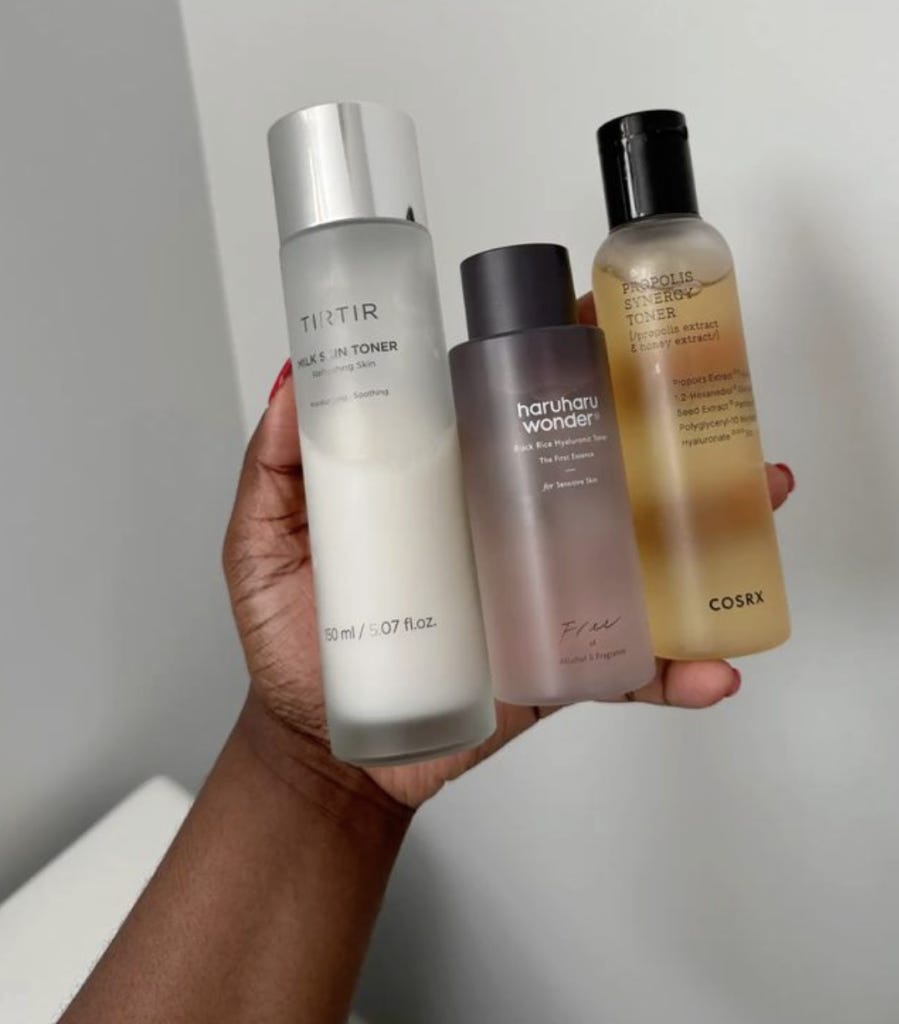
- Toner, if you choose to use one
- Water-based serum
- Treatment cream
- Moisturizer
- Sunscreen in the morning
Toner is optional. It does not replace cleanser, moisturizer, or sunscreen. Avoid toners that sting or leave your skin feeling tight.
Give each layer a short moment to settle. You do not need to wait many minutes between products. If layering causes pilling, use less product or simplify the routine.
When using a retinoid or exfoliating acid, avoid adding many other strong treatments on the same night. Your skin is not a contest. Slow progress with low irritation usually wins.
How Long Does Skin Care Take to Work?
Moisturizers may improve comfort within days. Acne treatments often need several weeks. Dark spots and fine lines may take months of steady care.
Track changes with photos taken in the same lighting. This helps you notice gradual progress and prevents daily checking from creating false worries.
Stop a product and seek medical advice if you experience:
• Facial swelling
• Hives
• Blistering
• Severe pain
• Trouble breathing
• A rash that spreads quickly
Mild dryness can occur with some treatments, but strong pain is not a sign that a product is working. Healthy skin should not require constant suffering.
Frequently Asked Questions About What Skin Care Products Are Necessary
What skin care products are necessary for beginners?
Beginners usually need a gentle cleanser, moisturizer, and broad-spectrum SPF 30 or higher sunscreen. Add a treatment only after the basic routine feels comfortable and stable.
Do I need a toner in my skin care routine?
No, toner is optional. It may add hydration or deliver an active ingredient, but it does not replace cleanser, moisturizer, or sunscreen.
Is sunscreen necessary every day?
Yes, sunscreen is useful every day when exposed skin receives daylight, including during many cloudy days. Apply broad-spectrum SPF 30 or higher and reapply when outdoors for extended periods.
Do oily skin types need moisturizer?
Yes, oily skin still needs hydration. Choose a lightweight, noncomedogenic lotion or gel to help reduce dryness without feeling heavy.
How many skin care products should I use?
Use the fewest products that meet your needs. A simple routine is often easier to follow and creates less risk of irritation than using many active formulas.
Can I use natural skin care products?
Natural does not always mean gentle or safe. Essential oils and plant extracts can irritate some people, so check the ingredients and patch-test new products.
When should I see a dermatologist?
See a dermatologist for severe acne, spreading rashes, persistent redness, painful skin changes, suspected infection, or a changing mole. Professional care is especially important when over-the-counter products do not help.
Conclusion
The answer to what skin care products are necessary is refreshingly simple: use a gentle cleanser, a suitable moisturizer, and broad-spectrum sunscreen. Add targeted products only when you have a clear goal, such as acne control, dark spots, or fine lines.
Start slowly, read labels, patch-test new formulas, and give your routine time to work. Your skin does not need a crowded shelf; it needs steady care that fits your skin type and daily habits. Build your basic routine this week, then explore trusted skin care resources or share your experience in the comments.
