
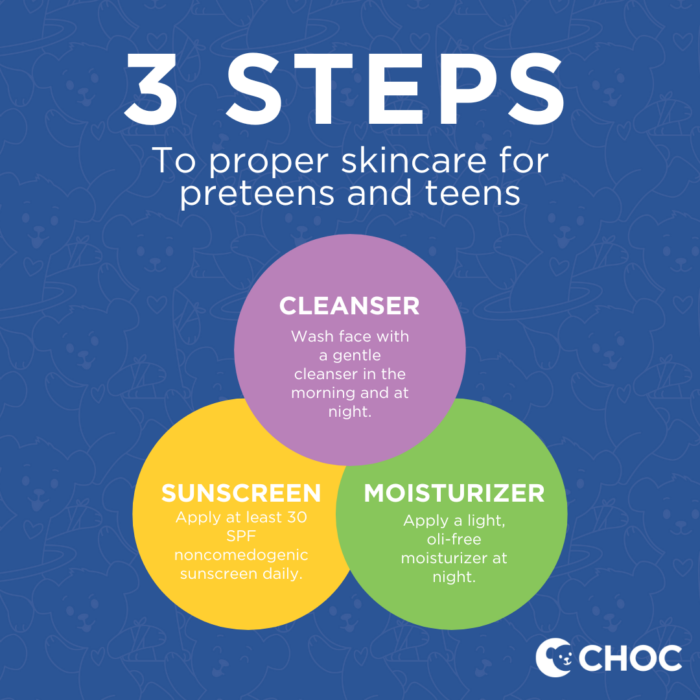
A gentle cleanser, moisturizer, sunscreen, and one targeted treatment form the best basic skin care routine.
Knowing what products should I use for skin care can feel confusing when shelves are packed with serums, oils, masks, and creams. The right routine does not need to be large or costly. It should match your skin type, address your main concerns, protect your skin barrier, and stay simple enough to use every day.
What products should I use for skin care?
Most people need four core products:
- A gentle cleanser
- A moisturizer
- A broad-spectrum sunscreen
- One treatment product for a specific concern
This simple plan works because each product has a clear job. Cleanser removes sweat, oil, makeup, and dirt. Moisturizer helps reduce water loss. Sunscreen protects against ultraviolet radiation. A treatment product can help with acne, dark spots, dryness, redness, or signs of aging.
The best skin care routine is not the one with the most steps. It is the one you can use often without causing irritation. Your skin is more like a garden than a countertop. It needs steady care, not constant change.
When deciding what products should I use for skin care, start with your skin type and your main concern. Avoid buying several strong products at once. If your skin becomes red, tight, itchy, or sore, your routine may be doing too much.

Start with a gentle cleanser
A cleanser is the first product in most skin care routines. It removes buildup without stripping away too much of the skin’s natural oil.
Look for a cleanser that leaves your face comfortable after washing. If your skin feels tight or squeaky clean, the product may be too harsh. A gentle, fragrance-free cleanser is often a safe starting point for sensitive skin.
Choose a cleanser based on your skin type
• Dry skin: Choose a creamy, milky, or lotion-based cleanser with ingredients such as glycerin, ceramides, or hyaluronic acid.
• Oily skin: Try a gentle gel cleanser. If you have clogged pores, salicylic acid may help, but begin slowly.
• Combination skin: Use a mild cleanser that cleans the oily areas without drying the cheeks.
• Sensitive skin: Choose a fragrance-free cleanser with a short ingredient list.
• Acne-prone skin: A cleanser with salicylic acid or benzoyl peroxide may help some people. These ingredients can cause dryness, so avoid using too many acne products at once.
Wash with lukewarm water and your fingertips. Hot water can worsen dryness and redness. You usually do not need a scrub or cleansing brush.
For most people, cleansing once at night is essential. In the morning, rinsing with water may be enough if your skin is dry or sensitive. If you wake up oily or sweaty, use a gentle cleanser.

Use a moisturizer every day
Moisturizer helps support the skin barrier. This barrier holds water in and helps protect the skin from irritants. Even oily or acne-prone skin can need moisturizer.
Many people skip moisturizer because they fear a greasy face. That often leads to a cycle of dryness, irritation, and extra oil. A light gel or lotion can hydrate without feeling heavy.
Helpful moisturizer ingredients
• Glycerin attracts water to the outer layer of the skin.
• Ceramides help support the skin barrier.
• Hyaluronic acid helps the skin hold water.
• Squalane can soften skin without feeling as heavy as some oils.
• Petrolatum helps reduce water loss and can be useful for very dry areas.
Choose a cream if your skin is dry. Choose a lotion or gel if your skin is oily. For sensitive skin, look for products without fragrance, essential oils, or a long list of botanical extracts.
Apply moisturizer to slightly damp skin. This helps trap water before it evaporates. Use a small amount first, then add more if needed.

Make sunscreen your most important morning product
Broad-spectrum sunscreen protects against both UVA and UVB rays. Regular use can help lower the risk of sunburn, uneven skin tone, premature skin aging, and skin cancer.
Choose a sunscreen with SPF 30 or higher. The product should say “broad spectrum” on the label. Water resistance is useful for swimming, sweating, or outdoor work, but no sunscreen stays fully effective all day.
Find a sunscreen you will actually use
• Oily or acne-prone skin: Try a lightweight fluid, gel, or oil-free lotion.
• Dry skin: Choose a moisturizing sunscreen with humectants or emollients.
• Sensitive skin: A mineral sunscreen with zinc oxide may be easier to tolerate.
• Darker skin tones: Look for a formula that blends without leaving a noticeable white cast. Tinted mineral sunscreens may work well.
• Makeup users: Use sunscreen as the final morning skin care step before makeup.
Apply enough sunscreen to cover your face, ears, neck, and other exposed areas. A common guide is about two finger lengths for the face and neck. Reapply at least every two hours when you are outdoors, and reapply sooner after swimming or heavy sweating.
Sunscreen cannot replace shade, hats, or protective clothing. These tools work best together. Also remember that cloudy days and winter weather do not block all ultraviolet exposure.
Add one targeted treatment at a time
Once you have a cleanser, moisturizer, and sunscreen, you can add a treatment. This is where many routines become complicated. A treatment should match a clear goal.
Do not begin several active ingredients at the same time. If irritation starts, you will not know which product caused it. Add one product, use it for several weeks, and watch how your skin responds.
For acne and clogged pores
Salicylic acid helps loosen dead skin cells inside pores. It may be useful for blackheads, whiteheads, and oily skin.
Benzoyl peroxide helps reduce acne-causing bacteria and inflammation. It may bleach towels, pillowcases, and clothing. Start with a low concentration and use it a few times per week.
Adapalene is a topical retinoid available without a prescription in the United States. It can help prevent clogged pores and treat acne. It may cause dryness at first, so use a small amount and apply moisturizer.
Do not use several acne treatments aggressively at once. More irritation does not always mean better results.
For dark spots and uneven tone
Vitamin C may help brighten the appearance of uneven skin and support protection against environmental stress when used with sunscreen. Products vary widely in stability, so store them as directed.
Niacinamide may help support the skin barrier, reduce the look of excess oil, and improve uneven tone. It is often well tolerated.
Azelaic acid can help with acne, redness, and dark marks. It is a useful option for people who cannot tolerate stronger treatments.
Dark spots can have many causes. Picking at acne, hormonal changes, inflammation, and sun exposure can all play a role. If a spot changes quickly, bleeds, itches, or looks unusual, see a dermatologist.
For fine lines and rough texture
Retinoids are among the most studied ingredients for acne and visible signs of skin aging. They encourage faster skin cell turnover and can improve texture over time.
Start with a pea-sized amount for the entire face two or three nights per week. Avoid the eyelids and corners of the nose and mouth at first. Apply moisturizer before or after the retinoid if you are prone to dryness.
Retinoids can cause irritation and increase sun sensitivity. Do not use topical retinoids during pregnancy unless your health care professional says they are safe. Ask a clinician if you are pregnant, nursing, or planning pregnancy.
For redness and sensitivity
A short routine is often best for reactive skin. Use a gentle cleanser, bland moisturizer, and sunscreen. Ingredients such as niacinamide or azelaic acid may help, but introduce them carefully.
Avoid scrubs, strong acids, essential oils, and heavily fragranced products if they trigger burning or redness. Persistent redness may be related to rosacea, eczema, contact dermatitis, or another condition that needs medical care.
Build a simple morning and night routine
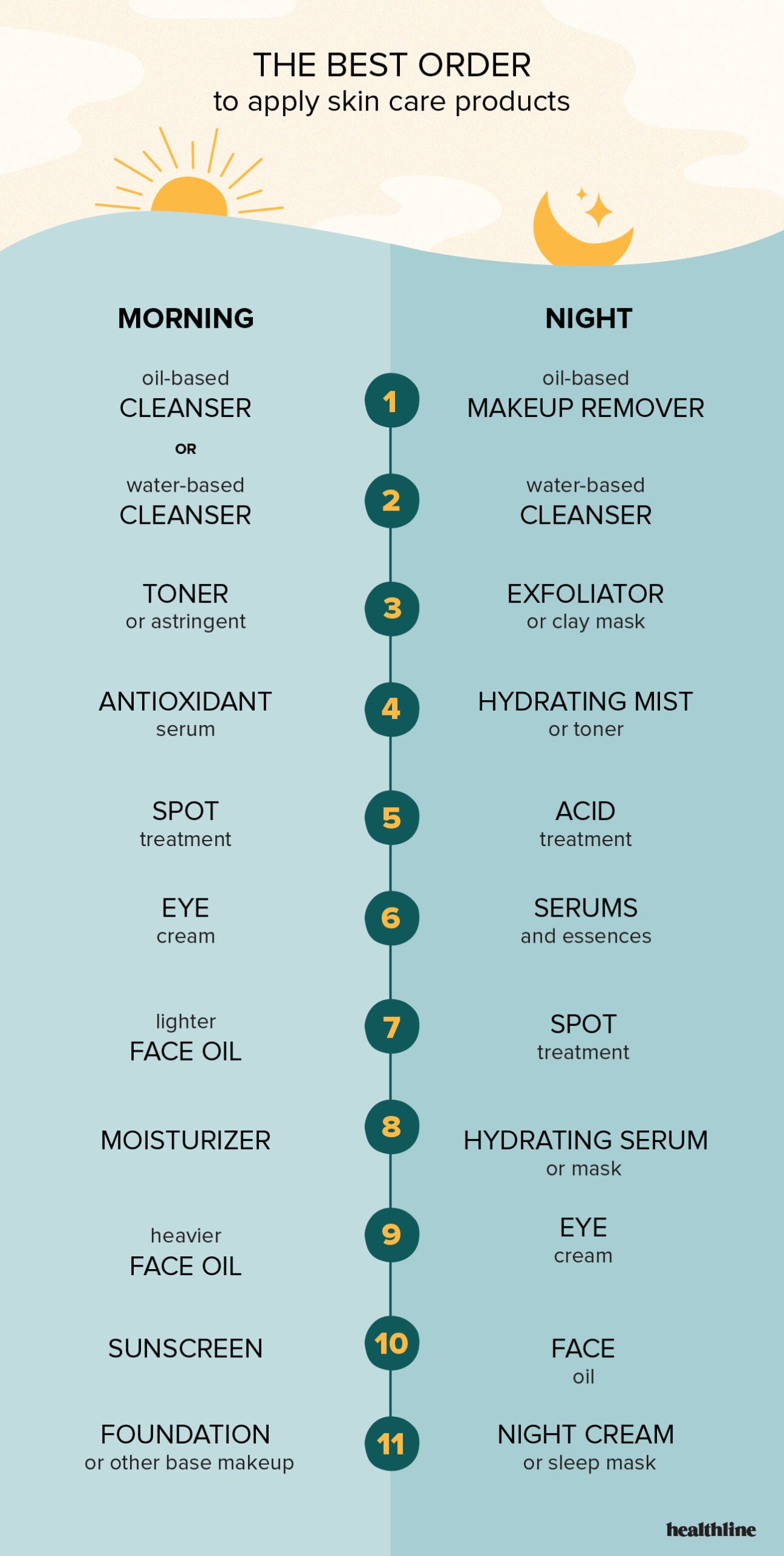
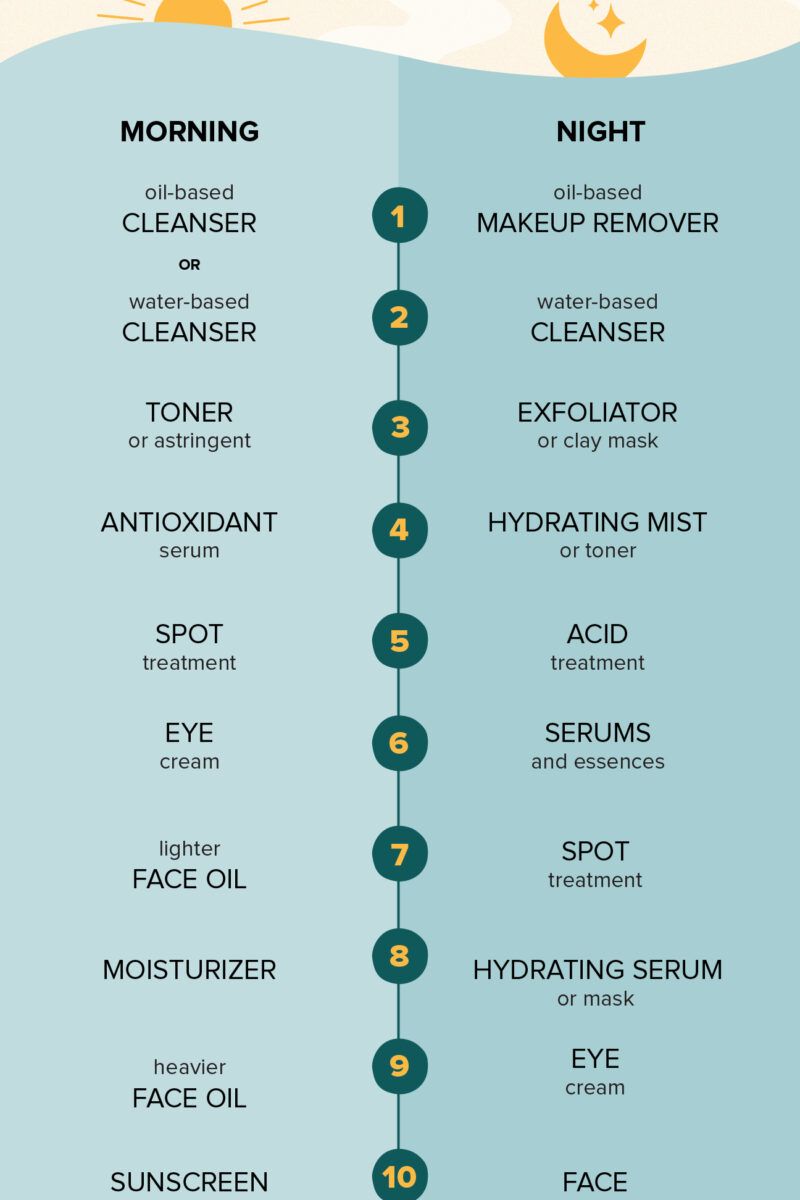
A clear order helps products work well and keeps your routine easy to follow. You do not need to wait many minutes between every step. Let each layer settle before applying the next one.
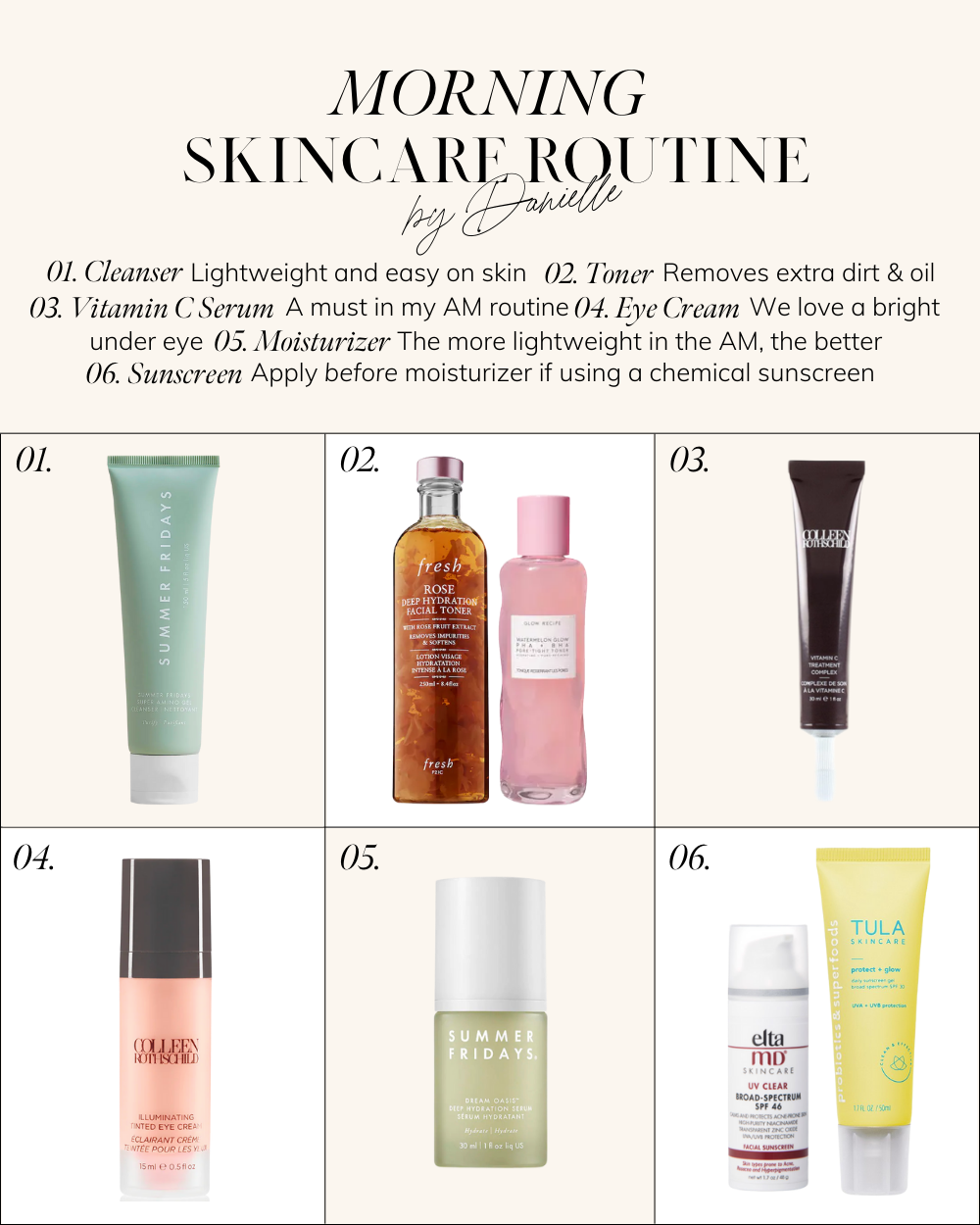
Morning routine
- Cleanse or rinse with lukewarm water.
- Apply a treatment such as vitamin C or niacinamide if desired.
- Apply moisturizer.
- Apply broad-spectrum SPF 30 or higher.
- Add makeup after sunscreen has set.
Night routine
- Remove makeup and sunscreen.
- Cleanse your face gently.
- Apply one treatment, such as adapalene, salicylic acid, or azelaic acid.
- Apply moisturizer.
- Use a thin layer of petrolatum on very dry areas if needed.
If you use a cleansing balm or oil to remove makeup, follow with a gentle water-based cleanser. This two-step method is optional. It can help remove water-resistant sunscreen, but it is not required for everyone.
The answer to what products should I use for skin care often becomes clear when you separate basic care from targeted care. Basic care protects the skin every day. Targeted care addresses a specific need.

Match products to your skin type
Skin type can change with weather, hormones, age, medication, and stress. It is not a permanent label. A person may have oily skin in summer and dry skin in winter.
Dry skin
Use creamy cleansers, rich moisturizers, and gentle treatments. Avoid very hot water and frequent exfoliation. Look for ceramides, glycerin, and petrolatum.
Oily skin
Use a gentle gel cleanser and a lightweight moisturizer. Choose noncomedogenic products when possible. “Noncomedogenic” means the product is designed to be less likely to clog pores, although no label guarantees that every person will react well.
Combination skin
Use lightweight products across the face. Apply extra moisturizer to dry areas and a lighter layer to oily areas. You do not always need separate products for each part of your face.
Sensitive skin
Use fragrance-free products and introduce changes one at a time. Patch-test new products on a small area before applying them widely. Stop using a product if you develop swelling, severe burning, hives, or a spreading rash.
Normal skin
You can usually focus on maintenance. Use a mild cleanser, moisturizer, sunscreen, and one treatment if you have a specific goal. Avoid changing products simply because a trend is popular.

Know which products to avoid or limit
Some products can make skin problems worse when used too often or in the wrong order. Stronger does not always mean more effective.
Limit or avoid the following if they irritate your skin:
• Harsh physical scrubs with rough particles
• Fragranced products if you have sensitive skin
• Rubbing alcohol used as a facial toner
• Pore strips used often
• Lemon juice, baking soda, or toothpaste as home remedies
• Several exfoliating acids used together
• Frequent face washing that leaves skin tight
• Picking, squeezing, or scraping blemishes
Essential oils can smell pleasant, but they may trigger irritation or allergic reactions. Natural does not automatically mean gentle or safe.
Be careful with unregulated skin-lightening products. Some may contain undisclosed steroids, mercury, or other harmful ingredients. Buy from reliable retailers and read the full label.
Product quality also matters. Store products as directed, keep containers closed, and check for changes in smell, color, or texture. Do not share eye products, makeup, or applicators.
Introduce new products safely
Before using a new product on your whole face, test it on a small area. Apply a small amount behind the ear or on the inner arm once or twice daily for several days. This does not guarantee that a reaction will not occur, but it can lower the chance of a full-face problem.
Add only one new active product at a time. Use it as directed, and give your skin time to adjust. Many treatments need several weeks before you can judge their effect.
A useful schedule might look like this:
- Week one: Use a gentle cleanser, moisturizer, and sunscreen.
- Week two: Add one treatment two or three times.
- Week three: Increase use only if your skin feels comfortable.
- After one month: Decide whether the product is helping.
Stop a product if you develop intense burning, swelling, blisters, severe itching, or a rash. Seek medical care for breathing trouble, facial swelling, or a rapidly spreading reaction.
This slow approach may feel less exciting, but it makes your routine easier to understand. Skin care is a long game. Small, steady steps usually beat dramatic changes.
Understand how long results take
Some products work quickly, but most skin concerns need patience. Moisturizer can make dry skin feel better within days. Acne treatments may need six to twelve weeks for a clear improvement. Dark spots and fine lines often take longer.
Sunscreen helps prevent new damage, but it does not erase old marks overnight. Consistent use matters more than buying the most expensive formula.
Take a photo in the same lighting once a month. This can help you notice gradual changes that are hard to see each day. Keep notes if you are testing a treatment.
Product claims also deserve careful thought. Phrases such as “clean,” “clinical,” or “dermatologist tested” do not always prove that a product will work for you. Look for clear ingredients, realistic claims, and evidence from well-designed studies.
A dermatologist can help if over-the-counter products do not improve your skin, if acne is painful or scarring, or if you have ongoing redness, itching, scaling, or unexplained changes.
Common mistakes that weaken a skin care routine
Even good products can cause problems when used poorly. These mistakes are common and easy to fix.
Changing products too often
Using a new product every few days prevents you from knowing what works. Give a basic routine time before making changes.
Using too many active ingredients
Retinoids, exfoliating acids, benzoyl peroxide, and strong vitamin C products can all irritate skin. Use one main active at first.
Skipping sunscreen
Treatments for dark spots and aging work against daily sun exposure. Sunscreen is the foundation of any routine focused on long-term skin health.
Washing too aggressively
Scrubbing harder does not clean pores better. It can damage the skin barrier and increase irritation.
Copying another person’s routine
A routine that works for a friend or online creator may not suit your skin, climate, allergies, or medical history. Use other routines as ideas, not instructions.
Ignoring the neck and lips
The neck can receive the same sun exposure as the face. Use sunscreen there, and use a lip balm with SPF for outdoor time.
When people ask what products should I use for skin care, I often suggest removing steps before adding more. A calm, consistent routine gives you a better starting point than a crowded shelf.
How to choose affordable skin care products
Effective skin care does not need to be expensive. Store brands can contain the same proven ingredients as luxury products. Focus on the formula, not the package.
Spend most of your budget on products that protect or treat a clear concern. A dependable sunscreen and moisturizer may matter more than a costly serum.
Use this shopping checklist:
• Does the product address a real skin concern?
• Is the ingredient list easy to understand?
• Does the product suit your skin type?
• Is it fragrance-free if you are sensitive?
• Does the package protect light-sensitive ingredients?
• Can you use it consistently without discomfort?
• Is the seller reliable?
Avoid buying large backups before testing a product. A small first purchase can save money if your skin reacts poorly.
If you have a medical skin condition, ask a dermatologist or pharmacist about suitable ingredients. Professional advice is especially important when you take medication or have a history of allergies.
Frequently Asked Questions About What Products Should I Use for Skin Care
What products should I use for skin care as a beginner?
Start with a gentle cleanser, moisturizer, and broad-spectrum SPF 30 or higher. After your skin adjusts, add one treatment for a specific concern, such as acne or dark spots.
What products should I use for skin care if I have oily skin?
Use a gentle gel cleanser, lightweight moisturizer, and noncomedogenic sunscreen. Salicylic acid may help clogged pores, but begin with limited use to avoid dryness.
What products should I use for skin care if I have dry skin?
Choose a creamy cleanser and a moisturizer with glycerin, ceramides, or petrolatum. Apply moisturizer to damp skin and avoid hot water and harsh scrubs.
What products should I use for skin care to reduce acne?
A gentle cleanser, noncomedogenic moisturizer, and sunscreen create a useful base. Salicylic acid, benzoyl peroxide, or adapalene may help, but introduce only one acne treatment at a time.
What products should I use for skin care to fade dark spots?
Daily broad-spectrum sunscreen is essential because ultraviolet exposure can keep dark spots visible. Ingredients such as azelaic acid, niacinamide, and vitamin C may help improve uneven tone over time.
What products should I use for skin care if my skin is sensitive?
Choose fragrance-free products with simple formulas and avoid adding several actives at once. Patch-test new products and speak with a dermatologist if redness, itching, or burning continues.
How many skin care products do I really need?
Most people can meet their basic needs with three or four products: cleanser, moisturizer, sunscreen, and one optional treatment. More products are not automatically better and may increase irritation.
Conclusion
The best answer to what products should I use for skin care is usually simple: use a gentle cleanser, a moisturizer that supports your skin barrier, broad-spectrum sunscreen, and one targeted treatment when needed.
Choose products based on your skin type, introduce them slowly, and give them time to work. Avoid harsh home remedies, excessive exfoliation, and routines that make your skin sting or peel.
Start with the basics this week, track how your skin responds, and adjust with care. If you are dealing with painful acne, lasting irritation, or changing spots, consult a qualified dermatologist for personalized advice. Share your routine or explore more evidence-based skin care guides to keep learning.
