
The best products for a skin care routine are a gentle cleanser, moisturizer, sunscreen, and targeted treatment.
Knowing what products for skin care routine to use can save money, reduce irritation, and make daily skin care much easier. A good routine does not need ten steps or luxury labels. It needs the right products for your skin type, your goals, and your lifestyle. This guide explains what to buy, how to use each product, and which common mistakes to avoid.
What Products for Skin Care Routine Do You Really Need?
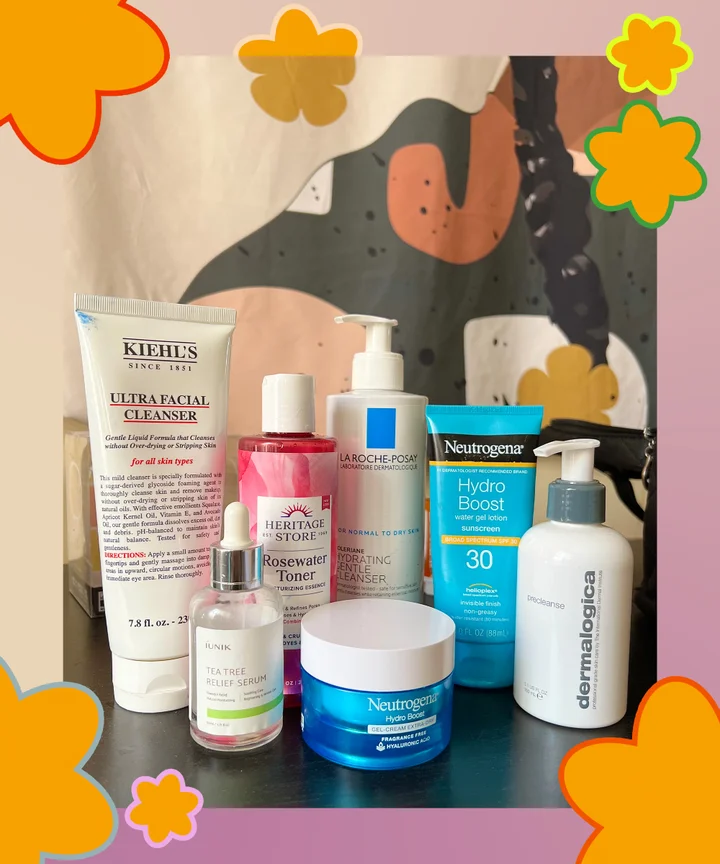
The basic skin care routine has four product types:
- Cleanser
- Moisturizer
- Sunscreen
- Treatment product, if needed
These products support the skin barrier, remove dirt, protect against sun damage, and address concerns such as acne, dryness, dark spots, or fine lines.
When people ask what products for skin care routine they need, I usually suggest starting with the smallest useful routine. More products do not always mean better results. In fact, using too many active ingredients can cause redness, peeling, burning, and breakouts.
A simple routine is easier to follow. Consistency also matters more than buying the most expensive product on the shelf.
The Essential Products for a Skin Care Routine
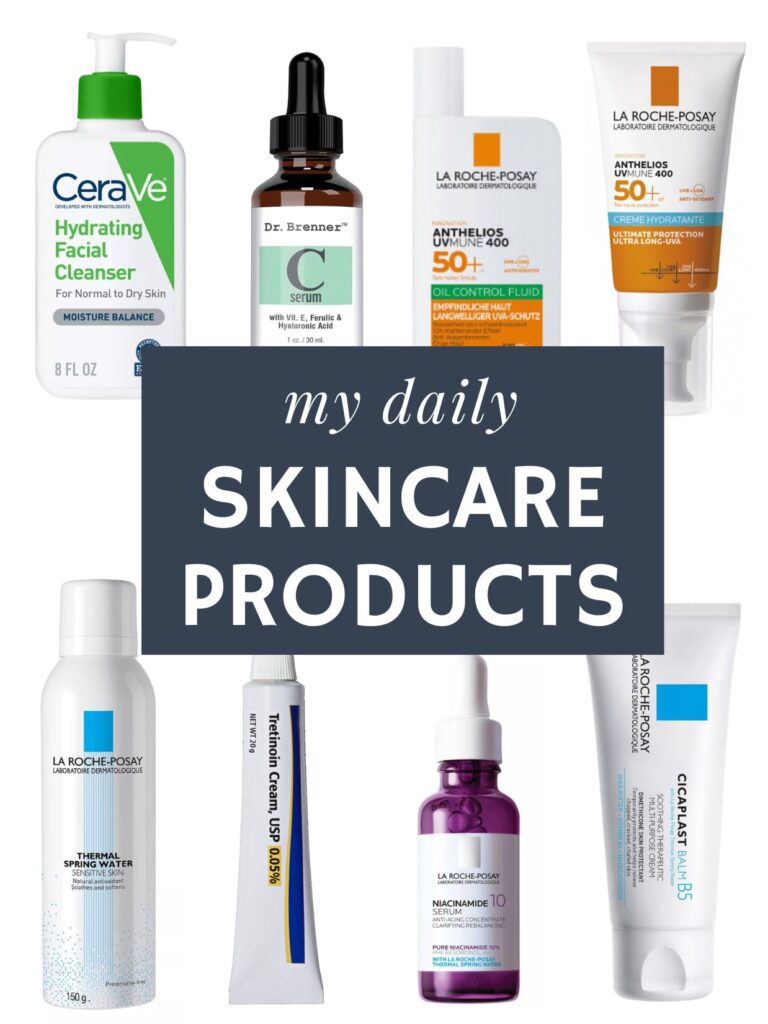
1. Gentle cleanser
A cleanser removes sweat, oil, makeup, sunscreen, and daily dirt. Choose a gentle, fragrance-free cleanser if your skin feels tight or dry after washing.
Look for:
• Cream or lotion cleansers for dry skin
• Gel cleansers for combination or oily skin
• Micellar water for light makeup removal
• Nonfoaming cleansers for sensitive skin
• Salicylic acid cleansers for acne-prone skin
Avoid very hot water and rough washcloths. Both can weaken the skin barrier. Wash your face with lukewarm water for about 30 to 60 seconds, then pat it dry.
2. Moisturizer
A moisturizer helps reduce water loss and keeps the skin barrier strong. Even oily skin needs moisture. When oily skin becomes too dry, it may produce more oil and feel uncomfortable.
Helpful ingredients include:
• Ceramides to support the skin barrier
• Glycerin to attract water
• Hyaluronic acid to improve hydration
• Squalane to soften dry skin
• Colloidal oatmeal to calm irritation
• Petrolatum to seal in moisture
Choose a cream for dry skin, a lotion for normal or combination skin, and a lightweight gel for oily skin. If you have acne-prone skin, look for products labeled noncomedogenic.
3. Broad-spectrum sunscreen
Sunscreen is one of the most important products for a skin care routine. It helps protect against sunburn, premature skin aging, and worsening dark spots.
Choose a broad-spectrum sunscreen with SPF 30 or higher. Apply it every morning to the face, neck, ears, and other exposed areas. Reapply every two hours when outdoors, sweating, or swimming.
Mineral sunscreens use zinc oxide or titanium dioxide. Chemical sunscreens use filters that absorb ultraviolet radiation. Both types can work well when used correctly. The best sunscreen is one you enjoy wearing enough to use every day.
4. Targeted treatment
A treatment product is optional. It should match a specific concern instead of trying to fix everything at once.
Common treatments include:
• Benzoyl peroxide for acne-causing bacteria
• Salicylic acid for clogged pores and blackheads
• Azelaic acid for acne, redness, and uneven tone
• Retinol for acne and signs of skin aging
• Vitamin C for antioxidant support and uneven skin tone
• Niacinamide for oil control and barrier support
Start with one treatment. Use it two or three times each week before increasing use. This approach makes it easier to see what works and what causes irritation.
What Products for Skin Care Routine Fit Your Skin Type?
Your skin type helps guide your product choices. However, skin can change with weather, hormones, stress, age, and medication. Think of skin type as a starting point rather than a permanent label.
Dry skin
Dry skin often feels tight, rough, or flaky. It may look dull and become more sensitive after washing.
Choose:
• A creamy, low-foam cleanser
• A rich moisturizer
• Ingredients such as ceramides, glycerin, and petrolatum
• A hydrating sunscreen
• A gentle exfoliant used no more than once weekly, if needed
Avoid strong scrubs, alcohol-heavy products, and frequent hot showers. These can remove protective oils from the skin.
Oily skin
Oily skin produces more sebum. It may look shiny and develop enlarged pores or acne.
Choose:
• A gentle foaming or gel cleanser
• A lightweight lotion or gel moisturizer
• Noncomedogenic sunscreen
• Salicylic acid for clogged pores
• Niacinamide for oil balance
Do not scrub oily skin harshly or skip moisturizer. Both habits may increase irritation.
Combination skin
Combination skin has oilier areas, often around the nose and forehead, with drier cheeks.
Use a balanced routine:
• A gentle cleanser
• A light moisturizer across the face
• A richer cream only on dry areas
• Salicylic acid on oily areas if needed
• Daily sunscreen
You can use different textures on different parts of your face. Skin care does not need to be one-size-fits-all.
Sensitive skin
Sensitive skin may sting, burn, itch, flush, or react to new products. It often benefits from a short ingredient list.
Choose:
• Fragrance-free products
• A gentle cleanser
• A basic moisturizer
• Mineral sunscreen if chemical filters sting
• One new product at a time
Patch-test new products on a small area first. Stop using any product that causes strong burning, swelling, blisters, or a spreading rash.
Acne-prone skin
Acne-prone skin needs gentle care. Drying the skin too much can worsen irritation and make treatment harder to tolerate.
Useful ingredients include:
• Salicylic acid for blocked pores
• Benzoyl peroxide for inflamed pimples
• Adapalene for acne prevention
• Azelaic acid for acne and post-acne marks
• A noncomedogenic moisturizer
Moderate or severe acne may need professional care. A dermatologist can help prevent scars and choose treatment based on the type of acne you have.
Morning Skin Care Routine: What Products Should You Use?
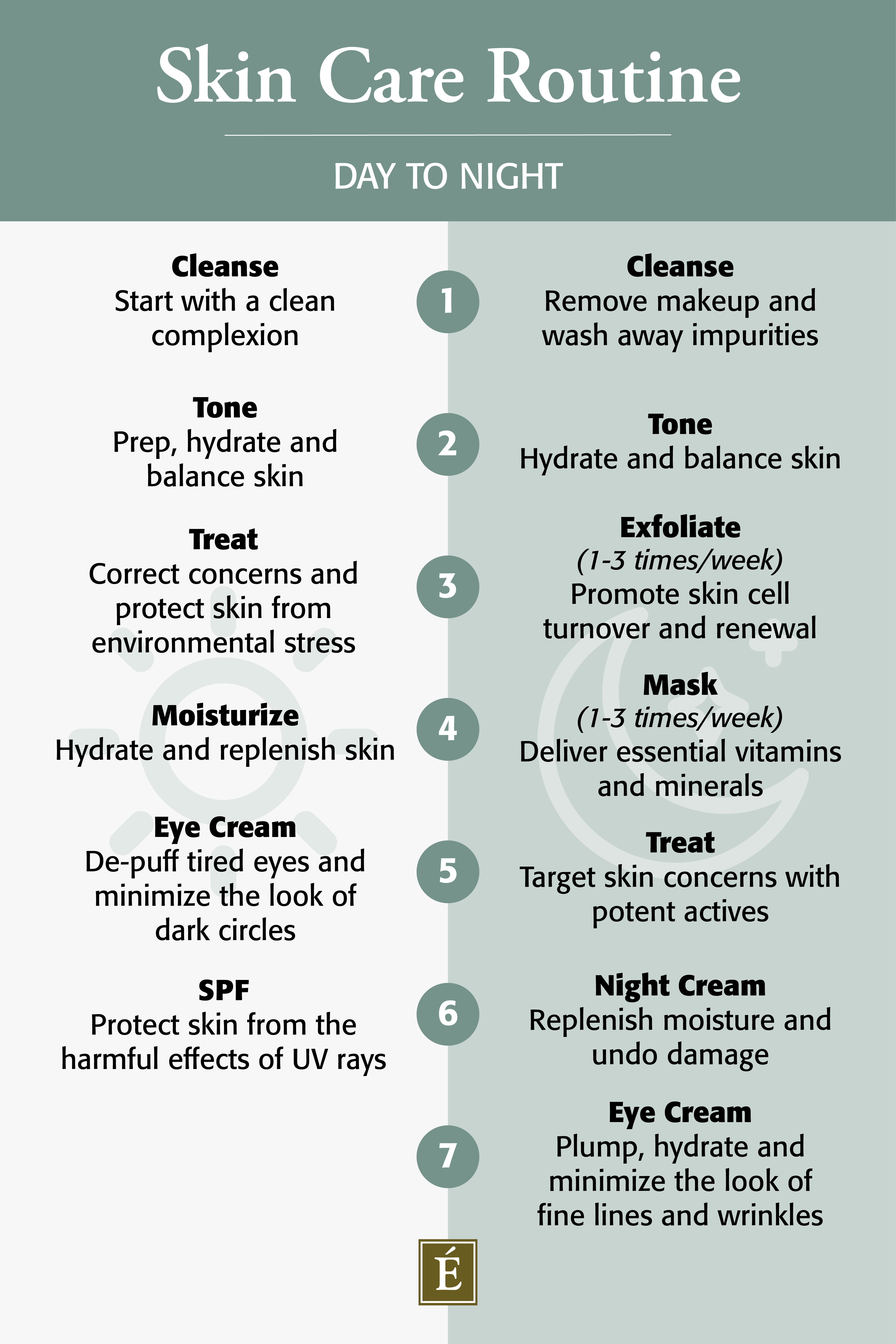
A morning routine should protect and hydrate your skin. The ideal order is simple.
- Cleanse with a gentle face wash, or rinse with water if your skin is very dry.
- Apply a treatment serum if you use one, such as vitamin C or niacinamide.
- Apply moisturizer.
- Finish with broad-spectrum SPF 30 or higher.
Sunscreen should be the final skin care step before makeup. Apply enough to cover the face and neck. Many dermatology professionals suggest using about two finger lengths of sunscreen for these areas.
If your sunscreen feels heavy, try a lighter fluid or gel formula. The product will not protect your skin if you avoid wearing it because of its texture.

Evening Skin Care Routine: What Products Work Best?
Your evening routine removes the day’s buildup and supports skin repair. The order is also easy to remember.
- Remove makeup and sunscreen.
- Cleanse the skin.
- Apply one treatment product.
- Use moisturizer.
If you wear waterproof makeup or thick sunscreen, you may need an oil cleanser or micellar water before your regular cleanser. This is called double cleansing. It is useful for some people but not required every night.
Retinol and exfoliating acids can be effective, but do not start both at the same time. For example, use retinol on two nights per week and keep the other nights focused on cleansing and moisturizing.

How to Add Active Ingredients Safely
Active ingredients can improve skin concerns, but they also carry a higher risk of irritation. Introduce them slowly.
Retinol
Retinol may help with acne, uneven texture, and fine lines. Begin with a pea-sized amount for the entire face two nights per week. Apply moisturizer before or after it if your skin is sensitive.
Do not apply retinol to the eyelids, corners of the nose, or corners of the mouth. Avoid retinoids during pregnancy unless your health professional gives specific advice.
Vitamin C
Vitamin C is an antioxidant that may help protect skin from environmental stress and improve the look of uneven tone. A stable formula in suitable packaging is important because some vitamin C products break down with light and air.
Apply it in the morning before moisturizer and sunscreen. Mild tingling may occur, but strong burning is a reason to stop.
Salicylic acid
Salicylic acid can loosen dead skin cells inside pores. It is useful for blackheads, whiteheads, and oily skin.
Start with a low-strength product a few times per week. Avoid combining it with several other exfoliants until you know how your skin reacts.
Benzoyl peroxide
Benzoyl peroxide can help reduce acne-causing bacteria and inflamed pimples. It may dry the skin and bleach fabrics, so use white towels and pillowcases if needed.
Apply a small amount and follow with moisturizer. If irritation develops, use it less often or ask a dermatologist about other options.
Azelaic acid
Azelaic acid is a useful choice for acne, redness, and dark marks left after breakouts. It is often easier to tolerate than stronger exfoliating products.
Use it once daily at first. It may cause mild itching or dryness during the first weeks.
What Products for Skin Care Routine Should You Avoid Mixing?
Some products can be used together, but combining too many strong ingredients may damage your skin barrier. The problem is often not one product. It is the total amount of irritation.
Use caution when combining:
• Retinol and exfoliating acids
• Retinol and benzoyl peroxide
• Several exfoliating acids
• Strong vitamin C and exfoliating acids
• Scrubs with any strong active ingredient
A simple schedule may work better:
• Monday: retinol
• Tuesday: moisturizer only
• Wednesday: salicylic acid
• Thursday: moisturizer only
• Friday: retinol
• Saturday: moisturizer only
• Sunday: rest or gentle hydration
This schedule is only an example. Sensitive skin may need fewer treatment nights. Always follow the product label and advice from a qualified health professional.

Common Skin Care Mistakes to Avoid
Understanding what products for skin care routine to use is helpful, but knowing what not to do is just as important.
Changing products too often
Most products need time to show results. Acne treatments may take several weeks, while improvements in fine lines and dark spots can take longer. Switching products every few days makes it hard to identify what helps.
Using too much product
More is not always better. A pea-sized amount of retinol is enough for the entire face. A thin layer of moisturizer usually works well. Using extra product may increase waste and irritation.
Skipping sunscreen
A strong treatment cannot replace sun protection. Sun exposure can worsen dark spots and reduce the visible benefits of many treatments.
Exfoliating every day
Daily exfoliation can cause dryness, redness, and sensitivity. Most people do not need a scrub and an acid. Choose one gentle method, if exfoliation is needed at all.
Ignoring the neck and hands
The neck and hands also receive sun exposure. Extend moisturizer and sunscreen to these areas unless a product causes irritation.
Copying another person’s routine
A routine that works for a friend may not work for you. Skin type, allergies, climate, medication, and health conditions all matter.

How Much Should a Skin Care Routine Cost?
An effective routine can be affordable. Price does not always predict performance. A basic cleanser, moisturizer, and sunscreen can provide strong daily care without a luxury budget.
Spend more time checking:
• The ingredient list
• The product texture
• The expiration date
• The brand’s testing and labeling
• Whether the product suits your skin type
• Whether you will use it consistently
Prescription treatments may cost more, but they can be valuable for persistent acne, rosacea, eczema, or severe pigmentation. Health insurance and generic options may reduce the cost in some cases.
Be careful with products that promise instant results, permanent pore removal, or dramatic skin changes in a few days. Skin biology is slower than advertising claims.
A Simple Starter Routine for Beginners
If you are new to skin care, start with these products for a skin care routine:
Morning
• Gentle cleanser
• Moisturizer
• Broad-spectrum SPF 30 or higher
Evening
• Gentle cleanser
• Moisturizer
Follow this routine for two to four weeks. If your skin feels calm, add one treatment for a clear goal. For example, choose salicylic acid for clogged pores or azelaic acid for acne marks.
Apply new products to a small test area before using them on your whole face. Keep a simple record of what you use and how your skin responds. This small habit can prevent confusion later.
What I Have Learned About Building a Skin Care Routine
One practical lesson is that the “perfect” routine is usually the one a person can repeat. Many people begin with a shelf full of products, use several strong ingredients at once, and then blame their skin when irritation appears.
A better approach is to treat your routine like building a healthy meal. Start with the basics, add one item at a time, and remove anything that causes problems. This makes results easier to track and keeps skin care less stressful.
Another common mistake is judging a product too soon. Some products need weeks to work, while irritation can appear within days. Give gentle products enough time, but do not push through intense pain, swelling, or a rash.
Frequently Asked Questions About What Products for Skin Care Routine
What products for skin care routine should beginners buy first?
Beginners should start with a gentle cleanser, moisturizer, and broad-spectrum SPF 30 or higher. Add one treatment product only after the basic routine feels comfortable.
What products for skin care routine help with acne?
Salicylic acid, benzoyl peroxide, adapalene, and azelaic acid may help acne. Use one active ingredient at a time and see a dermatologist if acne is painful, widespread, or leaving scars.
What products for skin care routine are best for dry skin?
Dry skin often benefits from a creamy cleanser and a moisturizer with ceramides, glycerin, or petrolatum. Daily sunscreen and fewer exfoliating products can also help protect the skin barrier.
What products for skin care routine should be used every day?
Cleanser, moisturizer, and sunscreen are the main daily products. Treatment products may be used less often, depending on the ingredient and your skin’s tolerance.
Can I use the same products for skin care routine in the morning and at night?
You can use the same cleanser and moisturizer in both routines if they suit your skin. Sunscreen belongs in the morning, while treatments such as retinol are often better suited to nighttime use.
How long does a skin care routine take to work?
Hydration may improve within days, but acne, dark spots, and fine lines often need several weeks or months. Stop using products that cause severe irritation and seek professional advice when needed.
Conclusion
The best answer to what products for skin care routine is not a long shopping list. Start with a gentle cleanser, a suitable moisturizer, and daily broad-spectrum sunscreen. Then add one targeted treatment based on your main skin concern.
Keep your routine simple, introduce products slowly, and pay attention to how your skin responds. Choose products you can use consistently, and ask a dermatologist for help with persistent or painful conditions. Try your basic routine this week, then share your skin care questions or explore more evidence-based skin care guides.
