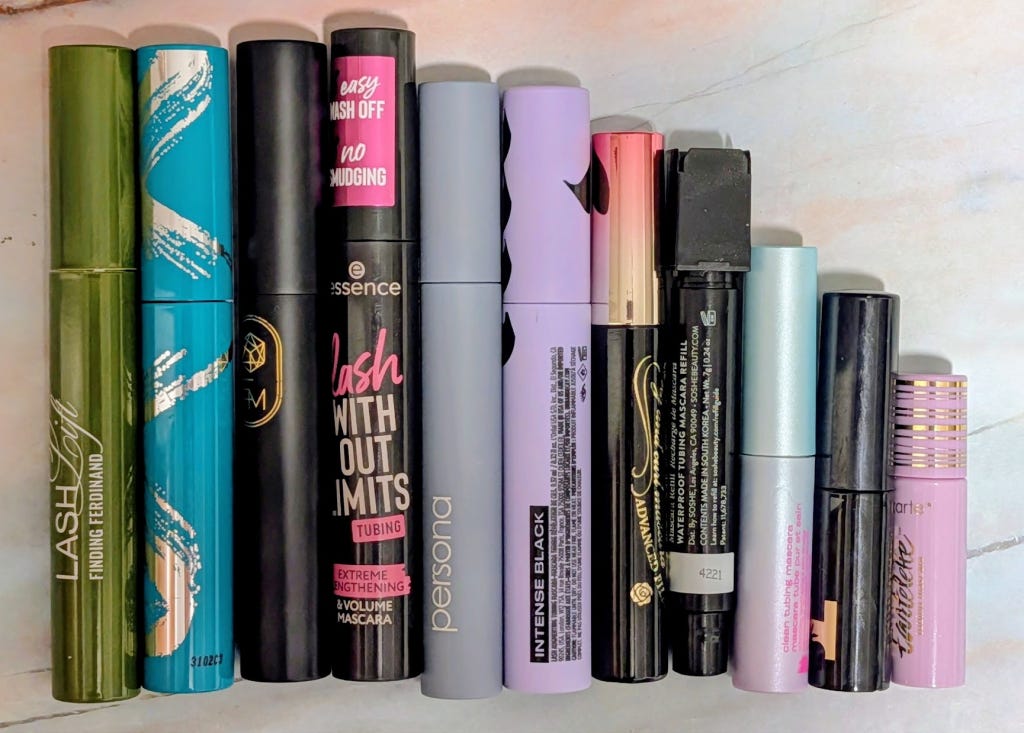
Sometimes—but not automatically. Tubing mascara may help lashes keep a curl because its polymer “tubes” can form a light, water-resistant coating around each lash. However, tubing mascara is not always lighter or stronger than traditional mascara. The formula, brush, drying time, lash type, and curling method all affect the result.
For straight or downward-pointing lashes, a lightweight tubing formula may hold a curl well. For very fine lashes, it may also prevent smudging without adding much weight. Yet a heavy tubing formula can still pull a curl down.
Introduction: The U.S. answer for American mascara users
If you use an eyelash curler and want your lashes to stay lifted through a long day in the United States, tubing mascara is worth trying—but it is not a guaranteed curl-locking product. No broad, independent study proves that all tubing mascaras hold curls better than all traditional mascaras.
The better answer is more specific: tubing mascara often holds a curl well when it dries into a light, firm film and you apply only one or two thin coats. It may work less well when the formula is wet, thick, or layered heavily.
This guide explains how tubing mascara works, why it may support curl, how to apply it, and when a regular waterproof mascara may still be the better choice.

What is tubing mascara?
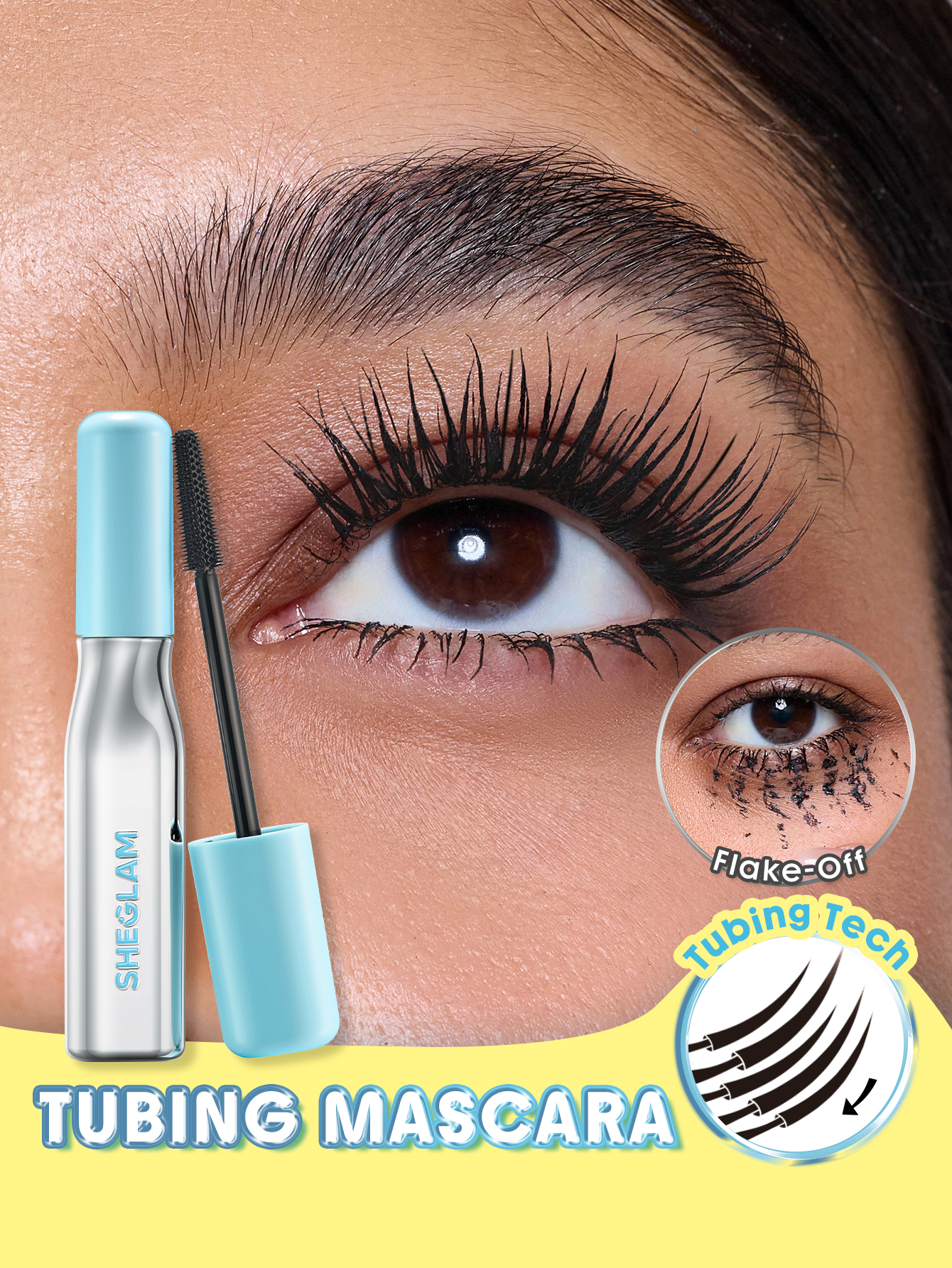
Tubing mascara uses film-forming polymers that wrap around individual lashes. Instead of coating lashes mainly with a pigment-rich wax and oil mixture, the formula creates small flexible “tubes” around the lash hair.
The word “tube” describes the coating effect. It does not mean the mascara contains tiny hard tubes that permanently shape the lash.
Most tubing mascaras are designed to:
- Separate lashes
- Add length and definition
- Resist everyday smudging
- Form a film that can loosen with warm water and gentle pressure
- Reduce the need for oil-based makeup remover
Traditional mascara often relies more heavily on waxes, oils, pigments, and film-forming ingredients. Waterproof formulas may use ingredients that resist water and tears, but they can also feel stiff or require more effort to remove.
Tubing mascara versus regular mascara
| Feature | Tubing mascara | Traditional mascara | Waterproof mascara |
|---|---|---|---|
| Main coating style | Polymer film around lashes | Pigment, wax, oils, and film formers | Water-resistant waxes, oils, and polymers |
| Typical strength | Length and separation | Volume, length, or both | Long wear and water resistance |
| Curl support | Often good with light formulas | Varies widely | Often strong, but may feel heavier |
| Removal | Warm water and gentle pressure may work | Usually needs cleanser or remover | Usually needs an oil-based remover |
| Smudge resistance | Often strong against light rubbing | Varies | Usually strong |
| Risk of losing curl | Can happen if the formula is heavy | Depends on the formula | Can happen if the formula is heavy |
These are general patterns, not rules for every product. A mascara’s ingredient list and brush design matter more than the word “tubing” alone.

Does tubing mascara hold a curl better?
Tubing mascara can hold a curl better for some people, especially when the product is light and dries quickly. The main reason is that a dry polymer film can add structure without the oily feel found in some traditional formulas.
Still, curl hold depends on several factors:
The weight of the formula
A thick or wet mascara can pull lashes downward before it sets.The lash’s natural direction
Very straight lashes usually fight against a curl more than naturally curved lashes.The strength of the eyelash curler
A weak or poorly shaped curler may create little lift, no matter which mascara you use.The number of coats
Extra layers add weight. This can flatten the curl.Drying time
A formula that stays wet for a long time gives the curl more time to fall.Oil and moisture on the lashes
Eye cream, skin oil, and leftover makeup can make mascara slide or weigh down the lashes.
Why tubing mascara may help
A light tubing formula may support curl in three ways:
- It can create a firm film as it dries.
- It may contain less wax or oil than some traditional formulas.
- It can give a clean, separated look without a thick layer of product.
This is an analysis based on how film-forming mascara formulas work. It does not prove that every tubing mascara will outperform every regular mascara.
Why it may not help
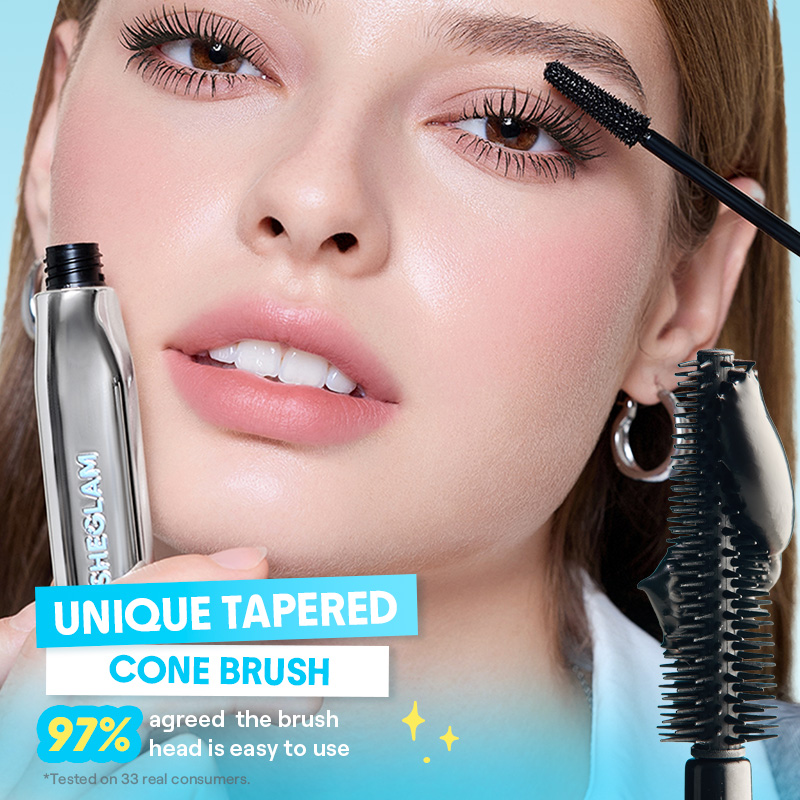
Some tubing mascaras are creamy, glossy, or rich in conditioning ingredients. These formulas may feel smooth but can be too heavy for short, fine, or very straight lashes.
Also, “tubing” describes the coating method, not a performance grade. Two tubing mascaras may have very different results because they use different polymers, pigments, waxes, solvents, and brush shapes.
How to use tubing mascara for better curl hold
The best method is to create the curl first, then add a thin, even film of mascara.
1. Start with clean, dry lashes
Remove old mascara, skin oil, and eye cream from the lash area. Let the lashes dry before curling them.
Do not apply mascara over wet lash serum, moisturizer, or makeup remover. Moisture can weaken the grip of the product and make the formula slide.
2. Curl in three places
Use a clean eyelash curler that fits your eye shape. Press gently at:
- The base of the lashes
- The middle of the lashes
- Near the tips
Hold each position for a few seconds. Avoid clamping hard or pulling the curler sideways.
This method creates a soft curve instead of one sharp bend. It may also reduce the chance of a crease.
3. Wipe off excess mascara
Before applying, lightly scrape excess product from the wand against the inside rim of the tube or use a clean tissue. Do not pump the wand repeatedly, because that can push air into the tube and dry the product faster.
A thinner coat usually supports curl better than a thick coat.
4. Apply from the lash base
Place the wand near the roots without pressing into the eyelid. Wiggle it slightly, then pull upward toward the tips.
For the strongest lift, focus more product at the base and less at the ends. Heavy product at the tips acts like a small weight at the far end of a lever.
5. Let the first coat set
Wait briefly before adding another coat. The exact time depends on the product, but the first coat should feel set rather than wet.
If you add a second coat while the first is still wet, you may create clumps and extra weight.
6. Add only a small second coat
Apply a second coat only if you need more length or separation. Avoid repeated back-and-forth strokes once the mascara starts to dry. That can disturb the film and cause flakes.
Signs that the method is working
You may have a good match when:
- The lashes stay lifted after the mascara dries.
- The tips do not point straight down.
- The lashes remain separated.
- The formula does not feel wet or heavy.
- The curl lasts through normal daily activity.
If the curl falls
Try these changes in order:
- Use less mascara.
- Clean oil and cream from the lashes.
- Curl in three positions instead of one.
- Wait longer between coats.
- Try a lighter tubing formula.
- Compare it with a waterproof curling formula.
Do not keep adding coats to force more lift. That usually increases weight rather than curl.

Tubing mascara and waterproof mascara: Which holds curl longer?
For many people, waterproof mascara has a stronger reputation for holding curl, especially on straight lashes. Waterproof formulas often dry into a firm film and resist moisture from tears, humidity, and sweat.
That does not mean waterproof mascara is always better. It may feel stiff, look less natural, or require more rubbing during removal. Repeated rough removal can irritate the eyelid or cause lash breakage.
Tubing mascara may be the better choice when you want:
- Easy removal with warm water
- Less smudging under the eyes
- A lengthened, separated look
- A lighter feel
- Less dependence on oil-based remover
Waterproof mascara may suit you better when you need:
- Maximum curl retention
- Strong resistance to water or heavy sweat
- A bold, lifted look
- A formula made specifically for curl hold
The most useful comparison is not “tubing versus regular.” Compare the actual results on your lashes after the same preparation, number of coats, and wear period.
A simple home comparison
This is an informal personal test, not a scientific study:
- Curl both eyes in the same way.
- Apply tubing mascara to one eye.
- Apply a regular or waterproof curling mascara to the other.
- Use the same number of coats.
- Take a photo immediately and again after several hours.
- Check lift, smudging, flakes, comfort, and removal.
Test one variable at a time. If you change the curler, eye cream, and mascara together, you will not know what caused the difference.

Who may benefit most from tubing mascara?
Tubing mascara may work especially well for people with fine, short, or easily smudged lashes. The coating can make individual lashes look more distinct without the thick, wet finish of some volume mascaras.
It may also suit people who:
- Have oily skin around the eyes
- Notice dark marks under the eyes
- Prefer a natural lash look
- Dislike harsh makeup removal
- Wear mascara for a normal workday
- Want length and separation more than dramatic volume
It may be less suitable if your main goal is maximum volume or all-day curl during swimming, intense exercise, or very humid conditions. Some tubing formulas can loosen when exposed to a lot of warm water, steam, or rubbing.
A person with sensitive eyes may appreciate easier removal, but “tubing” does not automatically mean hypoallergenic or irritation-free. Always check the product label and stop using it if you develop burning, swelling, pain, or a rash.
Common mistakes that reduce curl
Applying mascara before curling
Do not curl lashes after mascara has dried. The product can make lashes stiff, and the curler may cause them to stick together or break.
Curl clean lashes first unless the product label specifically gives different instructions.
Using too much product
More mascara usually means more weight. Start with a thin coat and build only where needed.
Coating the lash tips heavily
Long, thick ends can pull the lash down. Keep the tips light if curl is your priority.
Using an old or dry tube
As mascara dries, it may become clumpy and harder to spread evenly. Do not add water, saliva, or another liquid to the tube. This can change the formula and may introduce contamination.
The U.S. Food and Drug Administration advises replacing eye cosmetics according to safe-use practices and avoiding products that are contaminated, dried out, or past their intended use. Follow the product’s label and discard mascara if its smell, texture, or performance changes.
Sleeping in mascara
Leaving mascara on overnight can irritate the eyes and make lashes stiff and brittle. Remove it before bed, even when the product comes off easily with warm water.
Sharing mascara
Do not share mascara or use a tester directly on your eyes. Eye products can spread bacteria and other contaminants.

Is tubing mascara safer for your lashes?
Tubing mascara is not automatically safer than other mascara types. Its main benefit is often easier removal, not a special protective effect on the lash.
Gentle removal may reduce rubbing, which can be helpful. However, you still need to loosen the product without pulling the lashes.
To remove most tubing mascaras:
- Use comfortably warm water.
- Hold a damp cloth or wet fingertips over the lashes for several seconds.
- Gently press and slide the softened coating away.
- Rinse the eye area.
- Stop if the product does not loosen easily.
Some products need a cleanser or makeup remover. Follow the label rather than forcing the coating off.
Seek medical advice for ongoing redness, swelling, eye pain, discharge, light sensitivity, or vision changes. These symptoms may require more than a simple product change.
Quick decision guide
| Your main goal | First option to consider | Why |
|---|---|---|
| Easy removal and low smudging | Tubing mascara | Film may resist everyday transfer and loosen with warm water |
| Maximum curl on straight lashes | Waterproof curling mascara | Often dries firmly and resists moisture |
| Natural length and separation | Lightweight tubing mascara | Usually emphasizes individual lashes |
| Bold volume | Traditional volume mascara | Waxes and pigments may create a fuller look |
| Sensitive eye area | A fragrance-free, eye-tested formula | Product-specific testing matters more than the category |
| Swimming or heavy sweating | A water-resistant or waterproof formula | Tubing formulas may loosen with heat and water |
This table gives a starting point, not a universal ranking. Your lash shape and the specific formula can change the result.

Frequently asked questions
Does tubing mascara hold curl better than regular mascara?
It can, but not consistently. A lightweight tubing formula may hold curl better than a heavy traditional formula. A waterproof curling mascara may hold curl better than many tubing products. The formula’s weight and drying behavior matter most.
Should I curl my lashes before or after tubing mascara?
Curl clean, dry lashes before applying mascara. Curling after the product dries can make lashes stick together or break.
Can tubing mascara make straight lashes stay curled all day?
It may extend the life of a curl, but it cannot change the natural structure of straight lashes permanently. A good curler, thin application, and a formula made for lift may improve the result.
Does tubing mascara work in humidity?
It often resists normal humidity and light moisture, but warm water, steam, sweat, and rubbing may loosen some formulas. Check the product label if you need strong water resistance.
Why does my tubing mascara make my lashes fall flat?
The most common causes are too much product, a wet or heavy formula, oily lashes, or too many coats. Remove the mascara, clean the lashes, curl again, and test a thinner coat.
Final answer: Is tubing mascara worth trying for curl?
Yes, if you want a light, clean lash film that may support curl while reducing smudging and making removal easier. But tubing mascara is not automatically the best curl-holding option.
For straight lashes, start with a clean lash base, use a curler in three positions, apply one thin coat, and let it set before deciding whether you need more. If the curl still falls, compare the tubing formula with a lightweight waterproof curling mascara.
The best choice is the one that keeps your lashes lifted without excess weight, irritation, or rough removal.
Evidence and source notes
The article’s main distinction is based on cosmetic formulation principles and product-label functions, not on a universal independent trial comparing every tubing mascara with every traditional mascara. Product performance varies by formula, brush, lash type, and use conditions.
Useful U.S. references include:
- U.S. Food and Drug Administration: Eye Cosmetic Safety
- U.S. Food and Drug Administration: Cosmetics Safety
- American Academy of Ophthalmology: Eye Makeup Safety