Natural hair thrives on moisture, gentle handling, regular cleansing, and protective styling.
I have worked with natural hair for years as a stylist and writer. I know how to take care of natural hair in real life. This guide breaks down science, daily steps, product tips, and simple fixes. Read on to learn clear routines, proven tips, and mistakes to avoid so your curls, coils, or waves stay healthy and strong.
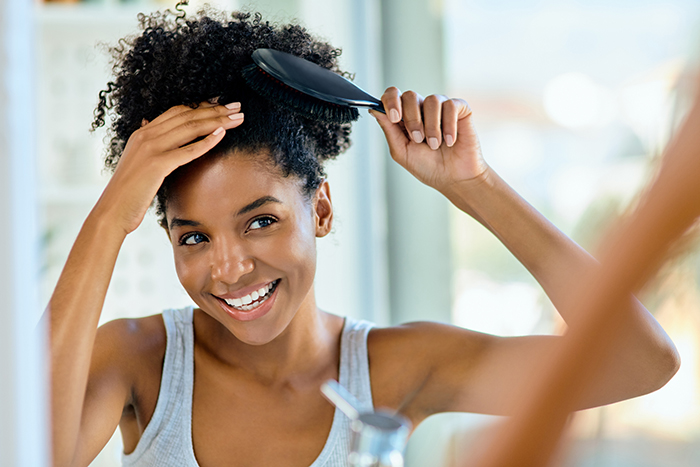
Understanding natural hair: types, porosity, and needs
Natural hair covers a wide range of curl patterns and textures. Each head has a mix of curl types, porosity levels, and scalp needs. Knowing these basics helps you know how to take care of natural hair well.
Curl pattern
- 2 (wavy), 3 (curly), 4 (coily). Each needs a different level of moisture and hold.
Porosity
- Low porosity repels water. High porosity loses moisture fast. Test by dropping a clean strand in water; sinking means higher porosity.
Scalp health
- A healthy scalp grows better hair. Watch for dryness, flakes, or oil build-up.
Why this matters
- The right routine follows your curl type and porosity. That is how to take care of natural hair without guesswork.
From my experience, a quick porosity test and a simple routine cut breakage in half. Small checks give big gains.

Build a simple routine you can stick to
A short routine beats a perfect plan you never start. Aim for a root-to-tip plan you can do each week.
Core weekly routine
- Cleanse: wash or co-wash once every 1–2 weeks depending on oil and product use.
- Condition: deep condition weekly or biweekly for dry or high-porosity hair.
- Moisture: apply leave-in or cream after washing to lock water in.
- Style: use a gentle method that reduces combing and heat.
Daily habits
- Refresh with water or a light spray.
- Sleep with satin or silk to cut friction.
- Limit heat to once a month or less.
I used to over-wash my hair. When I switched to a steady wash-and-seal routine, my ends got stronger. That is a core secret for how to take care of natural hair.

Cleansing and conditioning: gentle methods that work
Cleansing cleans scalp and hair. Conditioning restores moisture and slip.
Shampoo vs co-wash
- Use sulfate-free shampoos for low-stripping cleanses.
- Co-wash (conditioner-wash) works for low build-up and dry hair.
Deep conditioning
- Use protein or moisture treatments based on need. Low-porosity hair often needs heat to absorb moisture.
- Apply deep conditioner after shampoo. Sit with heat or a warm towel for 20–30 minutes.
Detangling
- Detangle with fingers or a wide-tooth comb while hair is wet and conditioned. Work from ends to roots.
A study found gentler cleansers reduce dryness. I choose mild products and rarely use strong clarifiers. This approach shows practical care for how to take care of natural hair.

Moisture and sealing: the key to softness and fewer breaks
Moisture and seal is the basic cycle. Water or a water-based leave-in gives moisture. An oil or butter locks it in.
Methods
- LOC: Liquid, Oil, Cream. Good for thicker hair.
- LCO: Liquid, Cream, Oil. Good for fine hair and low porosity.
Best ingredients to add moisture
- Glycerin and aloe draw water into the hair in humid conditions.
- Hyaluronic acid and panthenol help hold moisture.
Sealing agents
- Light oils: jojoba, sweet almond for fine hair.
- Heavier butters: shea, mango for thick or coarse hair.
I learned to adjust oil types to season and porosity. That small tweak changed my daily softness. This is central to how to take care of natural hair long-term.
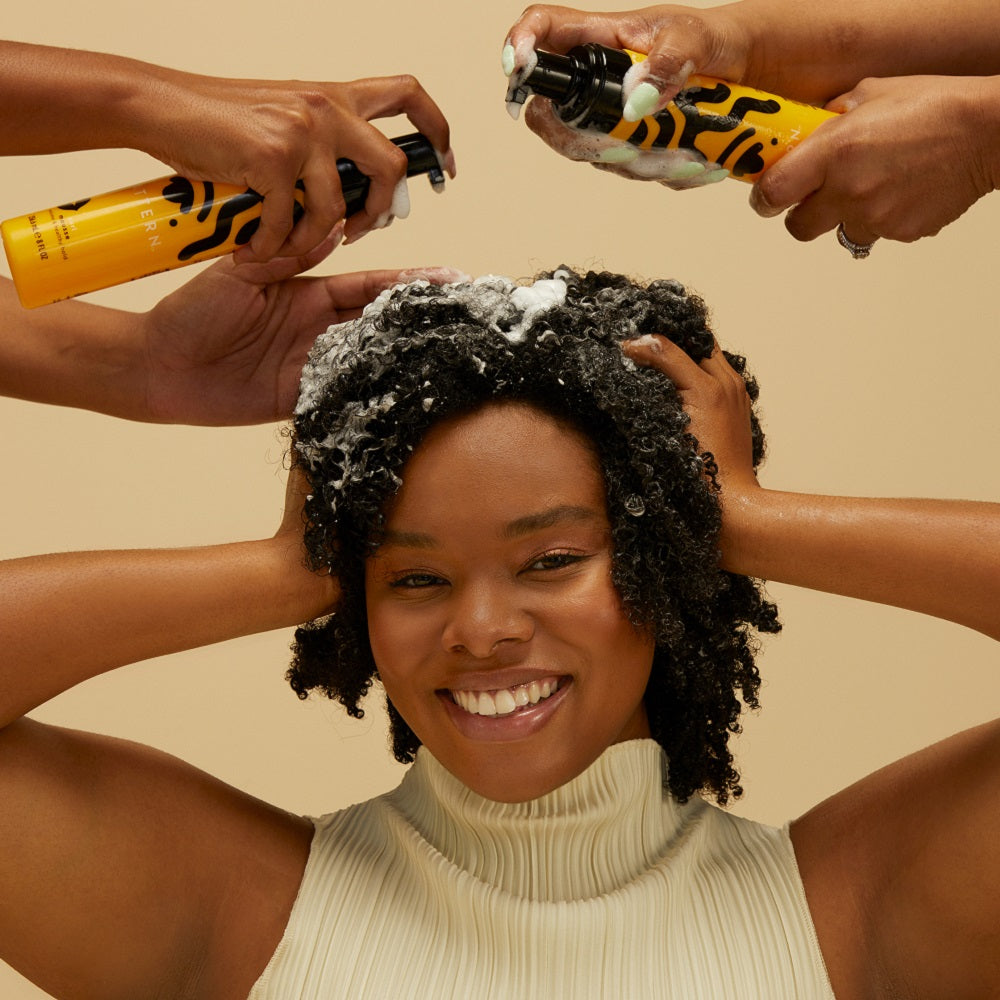
Styling and protective styles: low manipulation wins
How you style affects growth and breakage. Low-manipulation and protective styles protect ends and cut daily stress.
Protective style options
- Two-strand twists, braids, buns, wigs, and weaves.
- Updos that do not pull tight on edges.
Heat and chemical care
- Use heat sparingly. Always use a heat protectant.
- Avoid harsh chemical straighteners if you want strong, elastic hair.
Styling tips
- Keep tension low to protect edges.
- Refresh styles with a light mist and oil on the ends.
My tip: give hair six weeks in a gentle braid or twist to rest after intense heat. This is how to take care of natural hair while keeping style.

Nighttime care and useful tools
Night habits matter. Sleep habits affect daily health.
Night routine
- Pineapple loose curls or wrap hair on a satin scarf.
- Use satin pillowcases to back up the scarf.
Tools that help
- Wide-tooth combs for detangling wet hair.
- Soft bristle brushes for smoothing styles.
- Microfiber towels or cotton tees to blot water.
I swapped cotton pillowcases for satin and saw fewer split ends in a few weeks. Tiny changes add up in how to take care of natural hair.

Common problems and practical fixes
Breakage
- Cause: over-manipulation, dryness, tight styles. Fix: trim damaged ends, add protein and moisture, lower tension.
Dryness
- Cause: lack of moisture, harsh cleansers. Fix: deep condition more, use leave-ins, seal ends.
Shedding vs breakage
- Shedding is natural hair loss from the root. Breakage is cut hair along the shaft. Treat breakage with gentle detangling and protein balance.
Frizz and shrinkage
- Frizz: humidity and weak cuticles. Use anti-frizz serums and proper seals. Shrinkage: a sign of healthy elasticity. Stretch styles if you want length look.
I once misread heavy shedding for breakage. After a scalp check, I found product build-up was the issue. Regular clarifying once a month fixed it. This is important to know how to take care of natural hair.
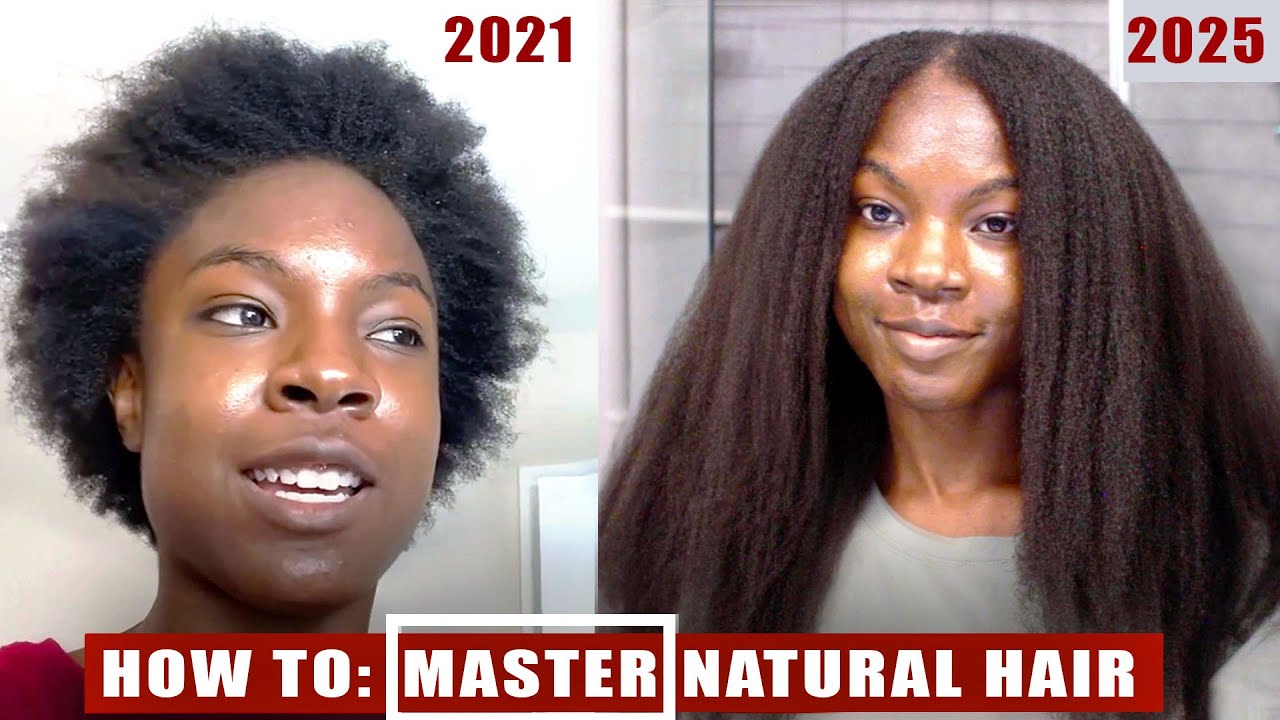
Product guide: what to use and what to avoid
Good products do not need fancy labels. Read ingredient lists and keep to the basics.
Helpful ingredients
- Moisturizers: glycerin, panthenol, aloe vera.
- Oils and butters: jojoba, argan, shea butter.
- Proteins when needed: hydrolyzed protein, silk, or keratin derivatives.
Ingredients to limit or avoid
- Strong sulfates that strip natural oils.
- Alcohols that dry hair (denatured alcohol, isopropyl).
- Heavy silicones without proper cleansing for low-porosity hair.
When in doubt, try one product at a time. Track changes for two to four washes. That is how to take care of natural hair with fewer surprises.

DIY treatments and simple at-home masks
Home treatments can help between salon visits. Keep recipes simple and safe.
Easy masks
- Honey + coconut oil: shine and softening. Use sparingly if hair is protein-sensitive.
- Avocado + olive oil: rich moisture for dry hair.
- Yogurt + egg white: protein boost for weak strands (use only if you know your hair tolerates protein).
How to use
- Mix, apply to clean, damp hair, sit 20–30 minutes, then rinse and condition.
- Patch test if you have scalp sensitivity.
I used a warm avocado mask before a big event and my curls looked fuller and softer after one application. Small DIY fixes can fit into how to take care of natural hair affordably.
Frequently Asked Questions of how to take care of natural hair
What is the best wash frequency for natural hair?
Most people benefit from washing every 1–2 weeks. Adjust based on oil, sweat, and product build-up for your scalp and style.
How can I stop my natural hair from breaking?
Stop tight styles and use regular deep conditioning. Trim split ends and use gentle detangling from ends to roots.
Do I need protein treatments?
Only if your hair shows signs of weakness or excessive stretch. Use protein sparingly and follow with moisture to balance.
How do I seal moisture into natural hair?
Apply a water-based leave-in, then use an oil or butter to seal. Follow LOC or LCO methods depending on your hair type.
Can I heat style natural hair safely?
Yes, with a heat protectant and low-to-moderate heat. Keep sessions short and limit heat to reduce long-term damage.
Will trimming frequently make my hair grow faster?
Trimming does not speed growth, but it prevents split ends that lead to breakage. Healthier ends show more retained length over time.
How do I choose products for my porosity?
Low porosity likes light water-based products and gentle heat for treatments. High porosity needs heavier creams and oils to lock moisture.
Conclusion
You can keep natural hair healthy with a few clear steps: know your type, build a simple routine, focus on moisture and protection, use gentle tools, and adapt seasonally. Start with small changes—one better product or one night habit—and track results. Try one tip this week and notice the change. Share your journey, ask questions below, or subscribe for more practical hair care guides.