Use gentle cleansers, steam or heat when conditioning, and lightweight leave-ins for lasting moisture.
I’ve spent years working with clients and testing routines to perfect how to care for low porosity hair. This guide breaks down the science, daily steps, product choices, and real-world tips so you can hydrate, style, and maintain low porosity hair with confidence and fewer mistakes. Read on to learn practical routines and evidence-based tricks that actually work.
Understanding low porosity hair: the basics and science
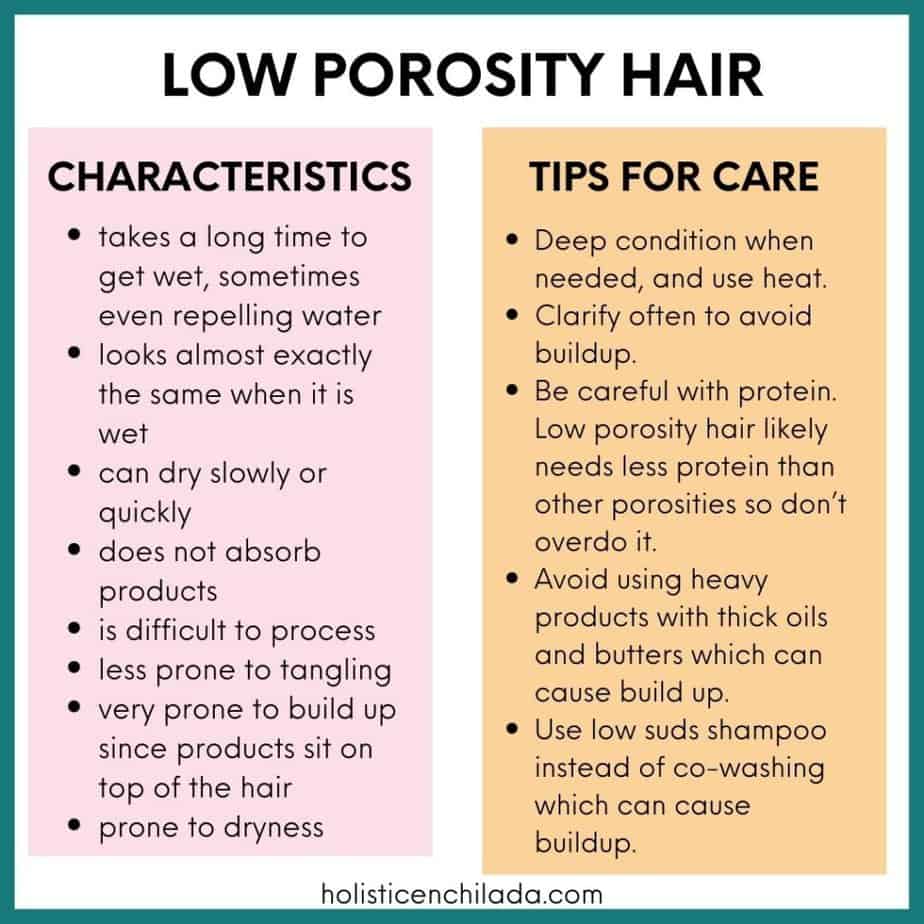
Low porosity hair has a tightly packed cuticle layer that resists moisture entry. Knowing this is the first step in learning how to care for low porosity hair because the barrier affects cleansing, conditioning, and styling.
Key traits of low porosity hair
- Cuticles lie flat and close, which limits water absorption.
- Hair often feels smooth but can be product-resistant and prone to buildup.
- It takes longer to wet and longer to dry after washing.
- Products can sit on the hair shaft instead of penetrating.
Why that matters for routine
- When you know how to care for low porosity hair, you stop overloading it with heavy creams that sit on the surface.
- You use techniques that open the cuticle briefly, like gentle heat or steam, to let moisture in and seal it afterward.
My experience
- I’ve seen clients switch from heavy butters to lighter creams and immediately notice softer, less weighed-down hair. Simple changes in technique often beat buying “miracle” products.

Cleansing and clarifying: start fresh without stripping
How to care for low porosity hair begins with the right cleanse. Dirt and product buildup are common because the cuticle traps residue. A clean base helps treatments work.
Best practices
- Use a sulfate-free, clarifying, or chelating shampoo once every 1–3 weeks to remove buildup.
- For regular washes, choose mild, sulfate-free cleansers that don’t strip natural oils.
- Rinse with warm water to help lift the cuticle slightly. Finish with a cool rinse if you like shine.
Step-by-step wash routine
- Pre-poo: Apply a lightweight oil to dry hair for 10–30 minutes to protect against tangles.
- Shampoo: Work product into the scalp, massage to lift buildup, and rinse.
- Second cleanse only if needed: A second gentle shampoo can help if hair felt heavy.
Why this helps
- Effective cleansing keeps products from stacking on the surface, which is central to how to care for low porosity hair long-term.

Conditioning and deep treatments: get moisture in and keep it there
Conditioning is where most wins happen. The trick for how to care for low porosity hair is using heat and product choice to improve penetration.
Deep conditioning tips
- Use lightweight, water-based conditioners with humectants like glycerin or propylene glycol. These attract moisture.
- Apply deep conditioner to damp hair after warming it slightly. Heat opens the cuticle and improves absorption.
- Use a plastic cap and sit under a hooded dryer or apply a warm towel for 15–30 minutes.
Protein balance
- Low porosity hair often needs less frequent protein. Too much protein can make hair stiff.
- Look for products labeled “balanced” or lower-protein formulations.
- Rotate moisturizing deep treatments with occasional protein treatments no more than once a month, depending on hair feel.
Quick at-home treatment
- Mix a small scoop of a lightweight deep conditioner with warm water. Apply to damp hair, cover with a cap, and sit under gentle heat for 20 minutes.
- Rinse with cool water to help seal the cuticle.
Personal tip
- I learned to always warm conditioner between my hands and use a steamy towel. The difference in softness was immediate and consistent.

Daily care and styling: lightweight products and protective habits
Daily choices shape long-term health. When learning how to care for low porosity hair, prioritize lightweight hydration and styles that minimize manipulation.
Daily styling checklist
- Use lightweight leave-in conditioners or sprays, not heavy butters.
- Seal moisture with a light oil like argan or jojoba applied sparingly to ends.
- Choose styling products labeled “lightweight,” “water-based,” or “quick-absorbing.”
- Protect hair at night with satin or silk to reduce friction and moisture loss.
Protective styling ideas
- Low manipulation styles: loose buns, twists, braids, and clipped styles.
- Avoid very tight styles that stress hair and lead to breakage.
- Refresh curls with water-based sprays followed by a tiny amount of leave-in.
How to care for low porosity hair during styling
- Apply products to damp hair for better absorption.
- Use a fine mist sprayer so water and humectants penetrate rather than pool on hair.
Heat, steam, and tools: safe ways to open the cuticle
The core of how to care for low porosity hair is delivering heat safely to help products penetrate. Heat and steam change the cuticle temporarily and let moisture in.
Methods that work
- Steam treatment: Use a hair steamer or sit in a hot shower with a cap on for 10–20 minutes.
- Hooded dryer or infrared heat: Gentle, even heat under a cap helps deep conditioners penetrate.
- Warm towel wrap: Microwave a damp towel briefly (carefully) and wrap over a plastic cap.
Safety and tips
- Keep heat moderate. Excessive heat damages hair and defeats the purpose.
- Limit heated treatments to once a week or as needed.
- Always follow with a cool rinse or sealant to lock in moisture.
Personal experience
- I tested steam vs. non-steam deep conditioning. Steam consistently improved softness and manageability without needing heavier products.

Common mistakes and troubleshooting: what to avoid
Knowing how to care for low porosity hair also means knowing what not to do. Avoid routines that seem logical but actually worsen moisture issues.
Mistakes to avoid
- Overusing heavy oils and butters that sit on the surface and cause buildup.
- Skipping clarifying shampoos; buildup prevents moisture absorption.
- Using protein-heavy regimens too often; this can make hair stiff and break-prone.
- Leaving conditioners on without adding gentle heat for penetration.
How to fix common problems
- If hair feels heavy, clarify gently and switch to lighter leave-ins.
- If hair is frizzy and dry despite treatments, reduce protein and increase steam/moisture time.
- If product flakes appear, simplify the routine and use fewer layered products.

Product selection: what ingredients to choose and avoid
Choosing the right products is practical when you know how to care for low porosity hair. Look at ingredient lists more than marketing terms.
Ingredients to favor
- Humectants: glycerin, panthenol, propanediol to attract and hold water.
- Lightweight oils: argan, grapeseed, jojoba for sealing without weight.
- Emollient esters and light silicones (dimethicone in small amounts) for smoothness without heavy build-up.
Ingredients to avoid or limit
- Heavy butters and waxes if you find they sit on the hair.
- High-protein products used too often.
- Alcohols that dry out hair (avoid drying short-chain alcohols).
How to patch-test products
- Try a product on a small section for two weeks before committing.
- Note immediate feel and how hair handles the product after a week of normal use.
Small routines that make big differences
Little habits add up. Consistency is the best secret for how to care for low porosity hair.
Easy practices to adopt
- Weekly steam or warmed deep condition.
- Monthly clarification to remove buildup.
- Nightly light oil seal on ends after moisturizing.
- Protective styles for sleep and active days.
My rule of thumb
- If a product feels heavy on wet hair, it will likely sit on your hair. Choose the lighter option.

Frequently Asked Questions of how to care for low porosity hair
How often should I wash low porosity hair?
Wash frequency depends on your scalp needs, but generally every 1–2 weeks for curly or textured types is common. Use gentle cleansers between clarifying sessions to avoid buildup.
Can heat damage low porosity hair if used often?
Yes, high or frequent heat can damage cuticles and protein structure. Use moderate heat for short periods and always follow heat treatments with conditioning.
Is my hair low porosity if water beads on it?
Yes, water beading or running off hair is a typical sign of low porosity hair. A porosity test that shows slow water absorption confirms it.
Should I avoid protein treatments entirely?
Not necessarily. Use protein treatments sparingly and only when hair feels weak or overly stretchy. Balance protein with moisturizing treatments to maintain elasticity.
What’s the best leave-in for low porosity hair?
Choose a lightweight, water-based leave-in with humectants and minimal heavy oils. Apply on damp hair and seal sparingly with a light oil if needed.
Conclusion
You can have healthy, soft, and manageable hair once you learn how to care for low porosity hair. Focus on gentle cleansing, warmed deep conditioning, lightweight leave-ins, and regular clarification. Try a simple routine for six weeks: clarify once, deep condition with heat weekly, use light daily moisturizers, and protect ends nightly. Track what improves and adjust protein and heavy products as needed. Start small, be consistent, and share your results or questions below — I’d love to hear how these tips work for you.