
Clean gently, add moisture, shape curls while damp, and protect short curly hair from friction, heat, and product buildup.
Short curly hair can look full, fresh, and stylish with a simple routine. The key is to work with your curl pattern instead of fighting it. In this guide, you’ll learn how to take care of short curly hair, prevent dryness and frizz, choose useful products, and keep your curls defined between wash days.
Understand what short curly hair needs
Short curly hair often needs more moisture than straight hair because its bends make it harder for natural scalp oils to travel down each strand. Curly hair may also lose water faster when exposed to heat, dry air, chlorine, or strong cleansing products.
Your hair’s needs depend on more than curl type. Density, porosity, strand thickness, scalp oil, color treatments, and local weather all affect your routine.
Use these signs as a guide:
• Dry, rough curls usually need more water and conditioner.
• Limp curls may need less product or a lighter formula.
• Brittle ends can signal heat damage, chemical damage, or a need for a trim.
• An itchy, oily, or flaky scalp may need better cleansing or medical advice.
• Frizz does not always mean damage. Some frizz is normal, especially in humid weather.
When learning how to take care of short curly hair, think of each curl as a small spring. It needs moisture and gentle handling to keep its shape.

Build a simple wash routine
A good wash routine cleans the scalp without stripping the hair. For many people, washing short curly hair two or three times per week works well. However, oily scalps, frequent workouts, and heavy product use may require more frequent cleansing.
Start by soaking the hair with warm water. Water helps loosen sweat, oil, and product before shampoo touches the scalp.
Apply a small amount of shampoo to your fingertips, then massage the scalp with the pads of your fingers. Avoid scratching with your nails. Let the foam rinse through the curls rather than rubbing the hair lengths together.
Follow with conditioner from the middle of the hair to the ends. If your hair is very short, you can spread a small amount over the whole head while keeping most of it away from the scalp.
A useful wash-day order is:
Wet the hair fully.
Clean the scalp with a gentle shampoo.
Rinse well.
Apply conditioner and gently detangle.
Rinse lightly, leaving a little slip if your hair feels dry.
Style while the hair is still wet.
Clarifying shampoo can help remove buildup from oils, gels, waxes, and silicones. Use it only when your hair feels coated, dull, or difficult to style. Overuse can make curls dry and rough.
People with dandruff, psoriasis, or ongoing scalp irritation may need a medicated shampoo. A dermatologist can help choose the right treatment, especially if redness, pain, or heavy shedding occurs.

Keep curls hydrated without weighing them down
Moisture is central to how to take care of short curly hair, but more product is not always better. Short curls can become greasy or flat when covered with thick creams and oils.
Look for lightweight ingredients such as:
• Aloe vera for light hydration
• Glycerin for attracting water in suitable climates
• Panthenol for softness
• Fatty alcohols, such as cetyl alcohol, for smooth conditioning
• Plant oils in small amounts for added softness
Conditioners and leave-ins can help reduce tangles and friction. Still, products work best when applied to wet hair. Water should be the first source of moisture; creams and gels help hold that moisture in place.
Try this method:
Apply a small amount of leave-in conditioner to soaking-wet hair.
Smooth it through with your fingers or a wide-tooth comb.
Add a curl cream only if your hair needs more softness.
Finish with a light gel or mousse for hold.
Scrunch gently to encourage the curl shape.
If curls feel sticky, stiff, or coated, use less product at the next wash. If your hair feels dry by the next morning, add water before adding more product. A spray bottle with plain water can refresh curls without creating a heavy layer.
One lesson many curly-haired people learn through trial and error is that oil does not replace water. Oil can reduce friction, but applying oil to very dry hair may only make it feel greasy. Add water first, then use a small amount of oil if your hair responds well to it.

Choose products for your curl pattern
There is no single best product for every curl type. A loose wave may need mousse, while a tight curl may need a richer cream and stronger gel. Your best routine may change with the season.
For fine or low-density curls, try:
• Lightweight mousse
• Foam stylers
• Thin leave-in sprays
• Light gels
For thick or dense curls, consider:
• Cream-based leave-ins
• Rich conditioners
• Strong-hold gels
• Small amounts of natural oil
For dry or coarse curls, look for products that offer slip and softness. For oily or fine hair, avoid layering several rich products at once.
Product labels can help, but they do not tell the whole story. A product marketed for curls may still be too heavy for your hair. Test one new product at a time and give it at least two or three uses before judging it.
To prevent irritation, patch-test a new product on a small area of skin. Stop using it if you develop burning, swelling, a rash, or severe itching.

Define short curls with the right technique
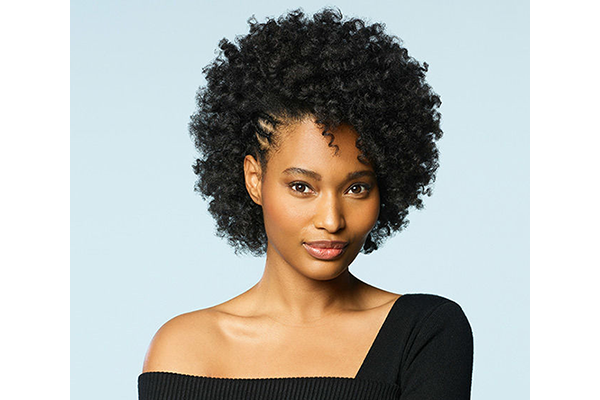
Short curly hair often looks best when styled while it is very wet. Wet hair allows curls to group together, which can reduce puffiness and improve definition.
After washing, gently squeeze out excess water. Do not rub your hair with a rough bath towel. Instead, use a microfiber towel or a soft cotton T-shirt.
Apply styling products with one of these methods:
• Raking: Use your fingers like a comb to spread product through the hair.
• Praying hands: Press the product between your palms and smooth it over the curls.
• Scrunching: Cup the ends and gently push them toward the scalp.
• Finger coiling: Wrap a few curls around your finger when you want extra shape.
Avoid touching the curls while they dry. Constant touching can break curl groups and create frizz. Once the hair is fully dry, gently shake the roots with your fingertips if you want more volume.
A diffuser can speed up drying and help keep the curl pattern intact. Use low or medium heat and low airflow. Hold the diffuser near the hair rather than blasting the curls from above.
Heat can damage the protein structure of hair when used too often or at high temperatures. Use a heat protectant before blow-drying, and let your hair air-dry when time allows.

Reduce frizz and protect the hair
Frizz happens when strands move out of their curl group. It can come from humidity, dryness, friction, damage, or touching the hair while it dries. The goal is not to remove every flyaway. The goal is to keep the hair healthy and make frizz manageable.
Use these habits when learning how to take care of short curly hair:
• Sleep on a satin or silk pillowcase to reduce friction.
• Wear a loose satin bonnet if it stays comfortable.
• Avoid tight hats that crush the curl pattern.
• Do not brush dry curls unless you want a fuller, softer shape.
• Detangle when the hair is wet and coated with conditioner.
• Protect hair from chlorine with a swim cap or clean water before swimming.
• Rinse hair after swimming and condition it if it feels dry.
Sun exposure can also fade color and dry the hair. A hat provides simple protection. Some styling products contain UV filters, but they do not replace physical shade during long outdoor exposure.
A light refresh can bring curls back without a full wash. Mist the hair with water, smooth a small amount of leave-in conditioner over rough areas, and scrunch. If the roots are flat, lift them with your fingers or use a diffuser for a few minutes.
Detangle and trim short curly hair safely
Detangling is easier when the hair is wet and slippery. Apply conditioner, divide the hair into small areas, and start at the ends. Move slowly toward the roots.
A wide-tooth comb or your fingers usually creates less tension than a fine brush. If you meet a knot, add more conditioner rather than pulling harder. Repeated force can cause breakage and split ends.
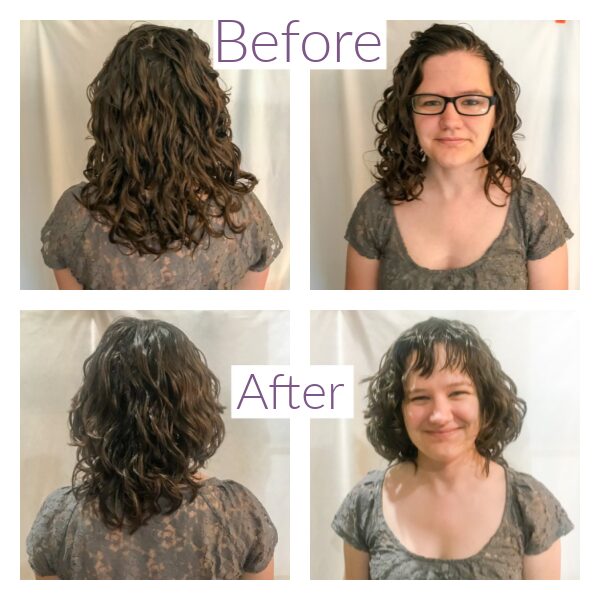
Short hair still benefits from regular trims. A trim every six to twelve weeks can help maintain the shape, but the right timing depends on your haircut and growth goals. Curly hair can shrink, so ask your stylist to account for its dry shape.
A stylist who understands curls can help with:
• Curl-by-curl shaping
• Weight removal without creating uneven layers
• Managing a cowlick or difficult growth pattern
• Choosing a cut for your curl density
• Reducing bulk without thinning the ends too much
Avoid thinning shears unless your stylist has strong experience with curly hair. They can create uneven texture or frizz in some curl patterns.

Create a practical weekly routine
The best routine is one you can repeat. You do not need a shelf full of products to maintain short curly hair.
A simple weekly plan may look like this:
• Wash day: Clean the scalp, condition the hair, apply leave-in and gel, then air-dry or diffuse.
• Midweek refresh: Add water, reshape curls, and use a small amount of styling product only where needed.
• Deep-conditioning day: Use a richer conditioner when the hair feels dry or rough.
• Trim check: Look for split ends, uneven areas, or a shape that no longer works.
Deep conditioning can improve softness and manageability, but it cannot permanently repair split ends. Hair is made of nonliving fibers, so damaged ends must eventually be trimmed.
Protein treatments may help hair that feels weak, overly stretchy, or damaged by bleach and chemical services. They can make some hair feel stiff, so use them carefully. If your hair feels hard after a protein product, return to a moisturizing conditioner and reduce protein use.
Hair needs balance. Too much moisture can make curls limp, while too much protein can make them stiff. Change one part of your routine at a time so you can see what helps.
Common mistakes to avoid
Small habits can make a large difference in how to take care of short curly hair. Many problems come from friction, buildup, or using products that do not match the hair.
Avoid these common mistakes:
• Washing with very hot water, which may increase dryness.
• Scrubbing the hair lengths during shampooing.
• Brushing curls dry without a clear styling goal.
• Applying heavy oils and butters to a fine curl pattern.
• Using high heat without protection.
• Sleeping with wet hair pressed against a rough pillowcase.
• Changing several products at once.
• Pulling tight styles that cause scalp soreness.
• Ignoring sudden hair loss, sores, or persistent scalp problems.
If your scalp hurts after a style, remove the style. Ongoing tension can contribute to traction-related hair loss. Seek professional care if shedding is sudden, patchy, painful, or paired with scalp changes.
Frequently Asked Questions
How often should you wash short curly hair?
Many people with short curly hair wash two or three times a week, but there is no universal schedule. Wash more often if your scalp is oily, sweaty, or covered with buildup, and wash less often if your hair is dry and your scalp feels comfortable.
Should you brush short curly hair?
Brush short curly hair when it is wet and covered with conditioner. A wide-tooth comb or your fingers can reduce pulling and help preserve the curl pattern.
How do you sleep with short curly hair?
Use a satin or silk pillowcase, or wear a loose satin bonnet. In the morning, refresh the curls with water instead of brushing them dry.
Why is my short curly hair frizzy after washing?
Frizz may come from dryness, rough towel drying, product buildup, humidity, or touching the curls while they dry. Use a gentle cleanser, apply products to wet hair, and dry with a soft T-shirt or microfiber towel.
Is gel good for short curly hair?
Gel can be useful because it groups curls and provides hold. Apply a small amount to wet hair, let it dry fully, then gently soften any firm cast with clean hands.
How can I make short curls grow longer?
Hair grows from the scalp, so focus on scalp health, enough food, gentle handling, and reduced breakage. Regular trims do not make hair grow faster, but they can help prevent damaged ends from splitting farther.
Can I use oil on short curly hair?
You can use a small amount of oil if your hair needs softness or reduced friction. Apply it after water-based products, and stop if it makes your curls greasy, dull, or flat.
Conclusion
Taking care of short curly hair becomes much easier when you keep the routine simple. Clean the scalp gently, condition well, style on wet hair, limit friction, protect curls from excess heat, and adjust products based on how your hair responds.
Healthy curls do not need perfection. Start with one change, such as using a softer towel or applying gel before your curls dry. With steady care, your short curly hair can feel softer, look more defined, and fit naturally into your daily life. Share your favorite curl-care tip or explore more evidence-based hair-care guides for your next routine upgrade.
