
Wash less, use cool water, protect against heat and sun, and refresh red tones with color-safe products.
Red hair can look rich, bright, and full of life, but it often needs a careful routine. Natural red hair may be delicate and prone to dryness, while dyed red hair can lose its vivid tone quickly. Learning how to take care of red hair means protecting moisture, reducing color loss, and choosing products that support both the hair and scalp. This guide explains the science and daily habits behind lasting shine, with simple tips you can use at home.

Why red hair needs special care
Red hair can be natural, dyed, highlighted, or created with a copper, auburn, burgundy, or strawberry-blonde toner. Each type needs slightly different care, but all red shades benefit from gentle washing and protection from damage.
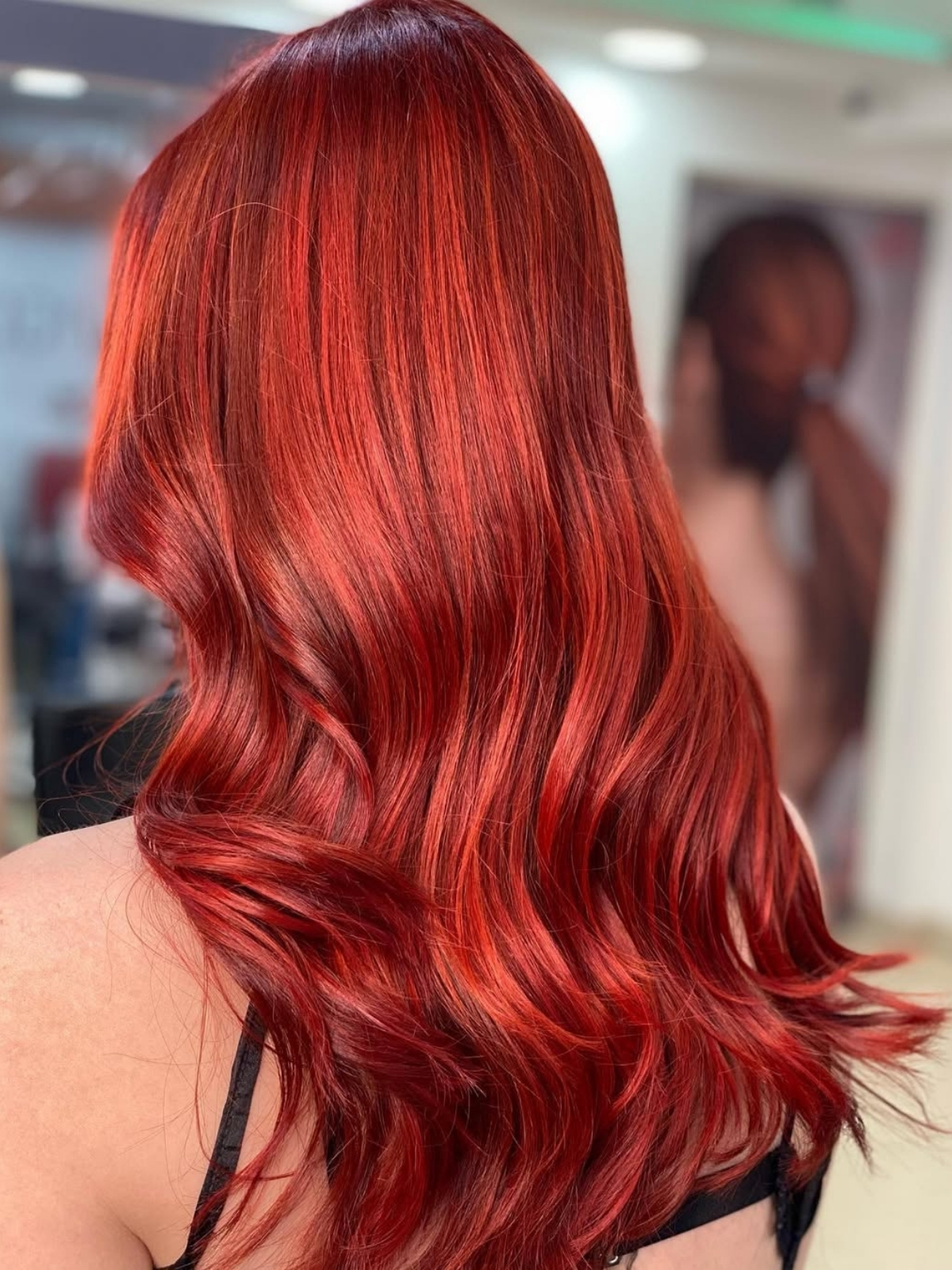
Red hair color can fade because water, shampoo, heat, sunlight, and chemical treatments slowly remove or weaken color molecules. Bright red and copper dyes may show fading sooner than darker shades because the change is easier to see.
Natural red hair also has unique traits. It may contain more pheomelanin, the pigment linked with red and yellow tones, and less eumelanin, the darker pigment found in brown and black hair. This can make natural red hair more sensitive to visible sun fading, especially when the hair is fine or dry.
The best approach is to treat your hair like delicate fabric. Strong heat, harsh cleansers, and frequent chemical services can wear it down. Gentle care helps keep the cuticle smoother, so the hair reflects more light and looks brighter.

Build a gentle red hair washing routine
Washing is one of the biggest factors in how long red hair stays vibrant. Shampoo lifts oil, dirt, and product buildup, but it can also remove some artificial color with each wash.
For many people, washing red hair two or three times a week works well. If your scalp is oily, you exercise often, or you work in a dusty setting, you may need to wash more often. The goal is not to follow a strict number. The goal is to keep your scalp clean without drying the lengths.
Use these habits:
• Choose a sulfate-free, color-safe shampoo when possible. Sulfates are not harmful for everyone, but stronger cleansers may remove color faster from porous or freshly dyed hair.
• Use lukewarm or cool water. Hot water can lift the cuticle and may increase dryness and color loss.
• Apply shampoo mainly to the scalp. Let the foam rinse through the ends instead of scrubbing them.
• Wash once unless you have heavy oil or product buildup. A second wash is not always needed.
• Squeeze out excess water before applying conditioner. This helps the conditioner stay on the hair instead of sliding away.
• Rinse well, but avoid long showers with very hot water.
Dry shampoo can help extend time between washes, but it should not replace regular cleansing. Too much dry shampoo may leave buildup on the scalp. Use it as a short-term tool, then wash your hair when it feels oily, itchy, or coated.
Choose products that protect red hair color
Product labels can feel confusing, especially when every bottle claims to preserve color. Focus on a few useful product types rather than buying a large collection.
A good red hair care routine may include:
• A gentle color-safe shampoo for regular washing
• A moisturizing conditioner for every wash
• A weekly hair mask for dry or porous ends
• A heat protectant before blow-drying or styling
• A leave-in conditioner to reduce tangles and friction
• A red, copper, or color-depositing conditioner for tone maintenance
Color-depositing products do not permanently dye the hair. They add a small amount of pigment to the surface, so the effect fades over time. Always follow the directions and perform a strand test first. A bright copper mask may look beautiful on one shade and too orange on another.
Purple shampoo is often used for blonde or yellow tones, but it is not always the best choice for red hair. Purple pigment can make some copper shades look dull or muddy. Blue shampoo may also shift warm red tones in an unwanted direction. Use toning products only when you know which color problem you want to correct.
Ingredient quality matters, but your hair’s condition matters more. A costly product cannot fully repair severe chemical damage. Regular conditioning, gentle handling, and reduced heat usually have a greater effect than a luxury label.

Keep red hair moisturized without making it greasy
Dry hair reflects less light, so it can make red shades look flat. Moisture helps the cuticle lie smoother, which improves softness and shine.
Use conditioner from the mid-lengths to the ends. Avoid applying a heavy conditioner directly to the scalp unless your scalp is very dry. Fine hair may need a lightweight formula, while thick, curly, or bleached hair may need a richer mask.
Once a week, use a hair mask if your ends feel rough. Look for moisturizing ingredients such as:
• Glycerin
• Aloe vera
• Panthenol
• Fatty alcohols such as cetyl alcohol or stearyl alcohol
• Plant oils and butters
• Hydrolyzed proteins
Protein can help hair feel stronger, but too much may make it stiff or brittle. If your hair feels hard after several protein treatments, switch to a moisture-focused product for a while.
A simple test can help you choose the right care. If your hair feels rough, puffy, and dry, add moisture. If it feels weak, overly stretchy, or breaks easily, a balanced product with some protein may help. This test is not a medical diagnosis, but it is a useful styling guide.

Protect red hair from heat
Heat styling can cause dryness, split ends, and changes in the way color appears. Flat irons and curling irons can reach temperatures far above what wet hair can tolerate.
For better protection:
Let your hair air-dry partway before using a blow dryer.
Apply a heat protectant from roots to ends, following the product directions.
Use the lowest heat setting that gives you a good result.
Keep the dryer moving instead of holding it in one spot.
Use a flat iron or curling iron only on fully dry hair.
Avoid passing a hot tool over the same section again and again.
Heat protectants reduce damage, but they do not make hair heatproof. Think of them as a seat belt, not permission to drive recklessly. If your red hair is lightened, bleached, or already fragile, limit hot tools as much as possible.
A microfiber towel or soft cotton T-shirt can also help. Regular bath towels create friction and may rough up the cuticle. Gently squeeze the water out instead of twisting your hair into a tight bundle.

Protect red hair from sun, chlorine, and salt water
Sun exposure can fade dyed red hair and make natural red hair look lighter or more muted. Ultraviolet light can also weaken the hair fiber, especially when the hair is dry or chemically treated.
When spending time outdoors:
• Wear a hat with a wide brim.
• Use a hair product labeled with UV protection.
• Tie hair loosely rather than tightly.
• Reapply protection after swimming or heavy sweating if the product directions recommend it.
Chlorine and salt water can also leave hair dry and rough. Before swimming, rinse your hair with clean water and apply a small amount of conditioner or a swim-specific leave-in product. Hair that is already wet absorbs less pool or ocean water.
After swimming, rinse as soon as possible. Use a clarifying or chelating product only when needed, because frequent use may dry the hair and speed up color fading. If your hair turns green, feels coated, or reacts badly to hard water, ask a professional about a chelating treatment.
Hard water contains minerals that can build up on the hair. This buildup may make red hair look dull, dry, or darker than usual. A shower filter may help with some impurities, but it will not remove every mineral. A properly chosen chelating treatment is often more effective.
Refresh dyed red hair safely
Red dye usually needs more regular maintenance than many other shades. Bright red, copper, and fashion red tones may fade with washing, while roots can become visible as natural hair grows.
A color refresh may involve:
• A color-depositing conditioner at home
• A gloss or toner at a salon
• A root touch-up
• A full color service when the shade has faded throughout the hair
Do not apply permanent color to the entire head every time you see fading. Repeated permanent color can create unnecessary damage and uneven color buildup. In many cases, a professional can refresh the lengths with a demi-permanent gloss while applying permanent color only to the roots.
Wait until your hair is in good condition before lightening it again. Bleaching removes natural pigment and increases porosity. Red shades placed over porous hair may look bright at first but fade unevenly.
Always perform a patch test and follow the product instructions for home color. Avoid coloring an irritated scalp. If you have swelling, burning, blistering, or severe itching, rinse the product and seek medical advice.

Handle red hair gently between washes
Daily habits can either protect your color or slowly wear it away. Small changes often make a bigger difference than one expensive treatment.
Try these practical habits:
• Detangle from the ends upward with a wide-tooth comb.
• Use a silk or satin pillowcase to reduce friction.
• Sleep with hair loosely braided or tied with a soft scrunchie.
• Avoid tight ponytails that pull on the roots.
• Trim split ends every eight to twelve weeks, depending on your style and damage.
• Keep brushes clean so oil and product buildup do not return to freshly washed hair.
• Do not brush soaking-wet hair unless you are using a suitable wet-hair brush and plenty of conditioner.
A useful lesson is to stop treating the ends like the scalp. The ends are older and have faced more washing, sunlight, brushing, and heat. They usually need more conditioner and less friction than the roots.
If your hair tangles often, add a leave-in conditioner. Work in small sections rather than forcing a brush through a large knot. Pulling hard can cause breakage, even when the hair appears healthy.
Support healthy hair from the inside
Hair grows from the follicle, so nutrition and general health affect new growth. However, supplements cannot repair split ends or restore color that has already faded.
Eat a balanced diet with enough protein, iron, zinc, vitamin D, and healthy fats. Good food choices may include eggs, beans, fish, poultry, leafy greens, nuts, seeds, fruit, and whole grains.
Do not take high-dose hair supplements without a medical reason. Too much of certain nutrients can cause side effects, and some supplements can interfere with medicines. If you have sudden shedding, bald patches, scalp pain, or major texture changes, speak with a health professional.
A healthy scalp also matters. Wash often enough to control oil and buildup, but avoid harsh scrubbing. Persistent flakes, sores, burning, or itching may need evaluation by a dermatologist rather than a new shampoo.
Common mistakes when caring for red hair
Many red hair problems come from routines that seem harmless. Avoid these common mistakes:
• Washing with very hot water every day
• Using a strong clarifying shampoo too often
• Applying permanent dye over the full head at every touch-up
• Skipping heat protectant
• Using purple shampoo without a clear reason
• Swimming without wetting and protecting the hair first
• Rubbing wet hair with a rough towel
• Brushing from the roots down through large knots
• Ignoring split ends until they move higher up the hair shaft
• Expecting one product to repair severe bleach or heat damage
One mistake I often see in red hair routines is chasing color before fixing dryness. When hair is porous, it may absorb pigment unevenly and lose it quickly. Improve the hair’s moisture and strength first, then refresh the shade.
A simple weekly red hair care schedule
A routine does not need to be complex. Use this sample plan as a starting point and adjust it to your scalp, texture, and color history.
On wash days
• Clean the scalp with a gentle, color-safe shampoo.
• Condition the mid-lengths and ends.
• Rinse with cool or lukewarm water.
• Apply leave-in conditioner if needed.
• Use heat protectant before any hot styling.
Once a week
• Apply a moisturizing mask.
• Check the ends for dryness or splitting.
• Clean brushes and combs.
• Use a color-depositing conditioner only if your shade needs a refresh.
Every few weeks
• Use a clarifying or chelating product if you have heavy buildup, hard-water residue, or frequent swimming.
• Check whether your products are making the hair dry or coated.
• Schedule a gloss or salon refresh if the color looks uneven.
The best routine is the one you can maintain. If five products feel like too much, start with shampoo, conditioner, heat protection, and a weekly mask. Consistency matters more than complexity.
Frequently asked questions about how to take care of red hair
How often should you wash red hair?
Most people can wash red hair two or three times a week, but your scalp may need a different schedule. Use dry shampoo between washes if helpful, but cleanse your scalp when it feels oily, itchy, or coated.
Does cold water help red hair color last longer?
Cool or lukewarm water may help reduce cuticle swelling and limit some color loss compared with very hot water. It will not stop fading completely, but it is a simple habit that supports dyed red hair.
Is purple shampoo good for red hair?
Purple shampoo is mainly designed to reduce yellow tones in blonde or lightened hair. It may dull some red and copper shades, so use it only when you have a specific toning goal and test it on a small section first.
How can I stop red hair from fading?
Wash less often, use color-safe products, avoid hot water, protect the hair from heat and sunlight, and refresh the shade with a suitable gloss or color-depositing conditioner. Permanent color should usually be limited to new growth when possible.
Can I use coconut oil on red hair?
Coconut oil may reduce moisture loss for some hair types, but it can make fine hair limp or greasy. Use a small amount on the lengths, and remember that oil does not replace heat protection or conditioner.
Is natural red hair more fragile than other hair colors?
Natural red hair is not automatically fragile, but its texture and density vary from person to person. Fine, curly, dry, or chemically treated red hair may need extra moisture and gentle handling.
How often should I touch up dyed red hair?
Many people refresh roots every four to eight weeks, depending on growth and the color contrast. Ask a colorist whether a gloss or color-depositing conditioner can refresh the lengths without repeated permanent color.
Conclusion
Taking care of red hair starts with gentle washing, cool water, regular conditioning, and protection from heat, sunlight, chlorine, and friction. Color-safe products can slow fading, while glosses and color-depositing conditioners can restore warmth between salon visits. Natural red hair also benefits from moisture, scalp care, and protection from UV exposure.
Start with one change this week: wash a little less often, use heat protectant, or add a weekly mask. Small habits help red hair stay soft, shiny, and vibrant for longer. Try the routine, adjust it to your texture and color, and share your best red hair care tip in the comments.
