
Daily sun protection, gentle care, good nutrition, and medical advice can help slow age-related skin thinning.
Learning how to prevent skin from thinning with age starts with protecting collagen, elastin, and the skin barrier every day. Years of sun exposure, smoking, harsh products, poor nutrition, and some medicines can speed this process. This guide explains the science in clear terms and shares practical steps you can use at home.
What causes skin to thin with age?
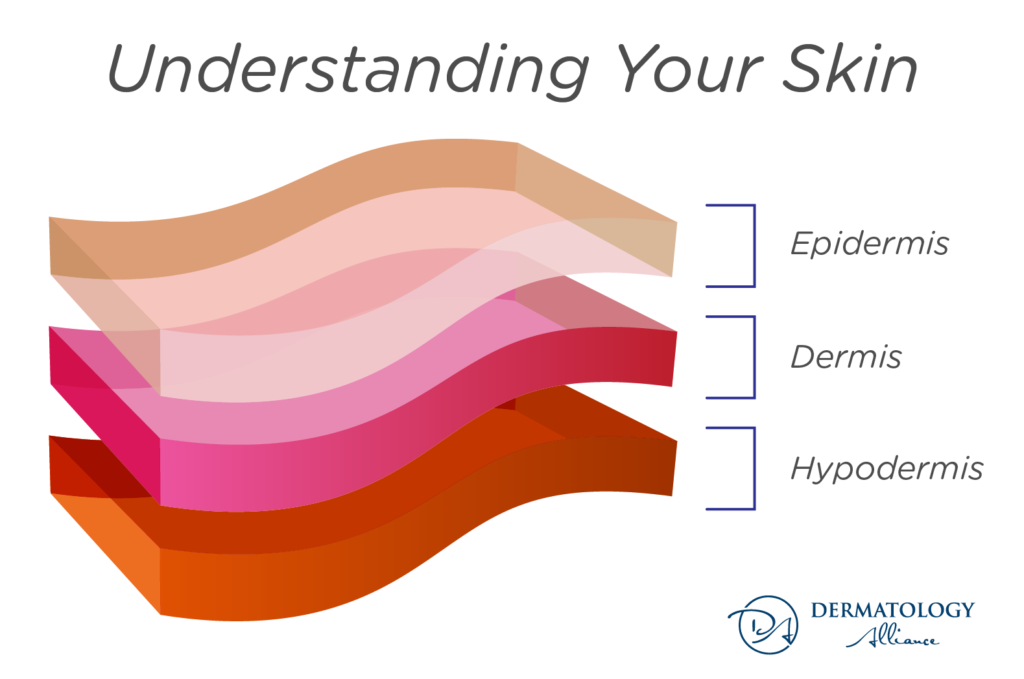
Skin thinning is a normal part of aging. Over time, the body makes less collagen, elastin, and hyaluronic acid. These substances help skin stay firm, springy, and hydrated.
The outer skin layer may also become thinner. Blood vessels become more fragile, and the skin may hold less moisture. As a result, older skin can bruise, tear, dry out, or heal more slowly.
Knowing the causes is an important part of learning how to prevent skin from thinning with age. Some causes cannot be stopped, but many outside factors can be managed.
Common causes include:
• Natural aging: Collagen production falls with age.
• Sun exposure: Ultraviolet, or UV, rays break down collagen and damage skin cells.
• Smoking: Tobacco smoke reduces blood flow and increases oxidative stress.
• Poor nutrition: Skin needs protein, vitamins, minerals, and healthy fats to repair itself.
• Dehydration: Low fluid intake can make fine lines and dryness look worse, although drinking extra water cannot fully reverse thin skin.
• Harsh skin care: Strong scrubs, hot water, and irritating products can weaken the skin barrier.
• Certain medicines: Long-term use of corticosteroids can thin the skin, especially when used incorrectly or for long periods.
• Some health conditions: Hormone changes, connective tissue disorders, and poor circulation may affect skin strength.
Sun damage is often the biggest preventable factor. Think of collagen as the support beams under a house. UV rays slowly weaken those beams, even when the damage is not visible right away.
Protect your skin from the sun every day
Daily sun protection is the most important answer to how to prevent skin from thinning with age. UV exposure can damage collagen and elastin. It can also cause age spots, rough texture, wrinkles, and skin cancer.
Use a broad-spectrum sunscreen with an SPF of 30 or higher. Broad-spectrum products protect against both UVA and UVB rays. Apply it to the face, neck, ears, hands, arms, and any other exposed skin.
Use these simple habits:
• Apply sunscreen every morning, even on cloudy days.
• Reapply every two hours when outdoors.
• Reapply after swimming, sweating, or towel drying.
• Wear a wide-brimmed hat and sunglasses.
• Seek shade between 10 a.m. and 2 p.m. when sunlight is often strongest.
• Wear tightly woven clothing or clothing with an ultraviolet protection factor.
Many people apply too little sunscreen. Most adults need about one ounce to cover the exposed body. For the face and neck, use enough to fill about two finger lengths.
Do not rely on sunscreen alone. Hats, shade, and protective clothing add another layer of defense. This matters because no sunscreen blocks every UV ray.
A common mistake is protecting the face but forgetting the hands. Hands often show sun damage early because they receive daily exposure while driving, walking, and doing outdoor tasks.

Build a gentle skin care routine
A gentle routine helps reduce dryness, irritation, and barrier damage. It also supports the goal of how to prevent skin from thinning with age without overwhelming your skin with too many products.
Cleanse with lukewarm water and a mild, fragrance-free cleanser. Hot water can remove protective oils. Scrubbing hard can create small areas of irritation.
After washing, pat the skin dry. Do not rub it with a rough towel. Apply moisturizer while the skin is still slightly damp. This helps trap water in the outer layer.
Look for moisturizers with ingredients such as:
• Ceramides to support the skin barrier
• Glycerin to attract water
• Hyaluronic acid to increase surface hydration
• Petrolatum to reduce water loss
• Dimethicone to form a protective layer
• Squalane to soften dry skin
Creams and ointments are often better than thin lotions for mature or very dry skin. Use a richer product on the hands, elbows, knees, and feet if those areas crack easily.
Avoid frequent use of strong scrubs, abrasive brushes, and products that sting. A burning feeling is not proof that a product is working. It may signal irritation.
Retinoids deserve special care. Prescription tretinoin and over-the-counter retinol may support collagen and improve fine lines over time. However, they can cause dryness, redness, and peeling. Start slowly, use a moisturizer, and ask a dermatologist for advice, especially if your skin is thin, sensitive, or easily bruised.
Eat for healthy skin
Nutrition is another key part of how to prevent skin from thinning with age. Skin is a living organ. It needs energy and building materials to maintain its structure.
Protein supplies amino acids used to make collagen and other tissues. Include foods such as:
• Fish, eggs, poultry, and lean meat
• Greek yogurt and cottage cheese
• Beans, lentils, and tofu
• Nuts and seeds
• Milk or fortified plant beverages
Vitamin C helps the body make collagen. Good sources include oranges, strawberries, kiwi, bell peppers, broccoli, and tomatoes.
Other useful nutrients include zinc, vitamin A, vitamin E, and healthy fats. A varied diet is usually better than relying on a single supplement.
Try to build meals around this simple pattern:
Fill half the plate with vegetables or fruit.
Add a source of protein.
Include whole grains or another high-fiber carbohydrate.
Add a small portion of healthy fat, such as olive oil, avocado, nuts, or seeds.
Collagen supplements may improve skin hydration or elasticity for some people, but results vary. They are not a replacement for sunscreen, protein, or medical care. Supplement quality also differs, and some products may interact with medicines.
If you have a restricted diet, digestive disease, kidney disease, or unexplained weight loss, ask a health professional before taking supplements.

Avoid habits that weaken skin
Small daily choices can make a real difference in how to prevent skin from thinning with age. They may not stop normal aging, but they can reduce added stress on the skin.
Avoid smoking and vaping nicotine. Smoking can reduce blood flow and increase free radicals that damage collagen. If quitting feels difficult, use support from a health professional, quitline, or evidence-based medication plan.
Limit tanning beds. They expose skin to concentrated UV radiation and speed collagen breakdown. A spray tan can add color without UV exposure, although it does not replace sunscreen.
Be careful with long-term steroid use. Corticosteroid creams can be helpful for eczema, rashes, and inflammation. But strong products used too often or on delicate areas may cause skin thinning. Follow the prescribed amount and duration. Do not stop a prescribed steroid suddenly without medical advice.
Protect fragile skin from injury:
• Use gloves for gardening and household work.
• Keep fingernails trimmed.
• Remove sharp jewelry that may catch on skin.
• Cover cuts with a clean dressing.
• Use fragrance-free laundry products if your skin reacts easily.
• Avoid adhesive tape directly on fragile skin when possible.
Sleep and stress also matter. Poor sleep and ongoing stress can affect skin repair and inflammation. These factors do not explain every skin change, but regular sleep, movement, and stress support can improve overall health.

Support circulation, strength, and movement
Movement does not directly rebuild thin skin, but it supports the systems that keep skin healthy. Regular activity can improve circulation, muscle strength, balance, and overall health.
Strength training is especially useful as you age. Strong muscles provide support under the skin and may reduce the risk of falls and bruises. Start with light resistance, such as body-weight exercises or resistance bands.
Walking, cycling, swimming, and gentle stretching can also help. If you have balance problems or a chronic condition, ask a clinician which activities are safe.
Hydration supports normal body function, but it has limits. Drinking water can help when you are dehydrated. It cannot restore lost collagen by itself. Moisturizer and sun protection remain essential.
A practical weekly plan may look like this:
• Walk for 20 to 30 minutes on most days.
• Do gentle strength exercises two times each week.
• Stretch after activity.
• Drink fluids regularly, especially in hot weather.
• Eat protein with each main meal.
This approach supports how to prevent skin from thinning with age from the inside and outside. It also helps protect mobility, which becomes more important as fragile skin heals more slowly.

Consider professional treatments carefully
Some dermatology treatments may improve the appearance of aging skin. These can include prescription retinoids, chemical peels, laser procedures, microneedling, and other collagen-stimulating treatments.
Results depend on your skin type, age, health, and the cause of thinning. These treatments do not make skin permanently young or remove the need for sun protection.
A board-certified dermatologist can help you choose a safe plan. This is especially important if you have very thin skin, easy bruising, rosacea, eczema, a history of poor wound healing, or a tendency toward dark marks after irritation.
Ask the clinician:
• What problem is the treatment meant to address?
• How many sessions might I need?
• What are the common side effects?
• How long is recovery?
• Could this worsen pigmentation or irritation?
• What evidence supports the treatment?
Be cautious with products that promise to “thicken” skin quickly. Creams can improve hydration and texture, but they cannot fully replace lost tissue. Claims of instant collagen repair are often stronger than the available evidence.
In my experience reviewing skin care advice, the most common mistake is chasing a powerful treatment while skipping basic protection. A simple routine used every day often does more than an expensive product used once in a while.

Know when to see a dermatologist
Some changes need professional evaluation. Do not assume every bruise, tear, or thin patch is simply normal aging.
Make an appointment if you notice:
• Skin that tears from minor contact
• Frequent or unexplained bruises
• A wound that does not heal
• Sudden skin thinning
• Painful redness, swelling, or warmth
• A new or changing mole
• Repeated skin infections
• Purple or stretch-like marks without a clear cause
• Long-term use of steroid pills, creams, inhalers, or injections
A clinician may review your medicines and health history. They may also check for nutritional problems, hormone changes, circulation issues, or other medical causes.
Keep a list of all products and medicines you use. Include over-the-counter creams and supplements. This can help your clinician find a possible cause faster.
Do not use a strong steroid cream on your face, groin, or skin folds unless a qualified professional tells you to. These areas absorb medicine more easily and may be more prone to side effects.

Common mistakes to avoid
Learning how to prevent skin from thinning with age also means knowing what not to do. Many popular skin care habits can cause more harm than benefit when used too often.
Avoid these mistakes:
• Using a tanning bed for a “healthy glow”
• Skipping sunscreen in winter or on cloudy days
• Washing with very hot water
• Scrubbing dry or flaky skin
• Layering many active products at once
• Using steroid creams without guidance
• Expecting supplements to replace a balanced diet
• Picking at bruises, scabs, or irritated skin
• Ignoring sudden changes
More is not always better. Mature skin often responds best to a calm routine with fewer products. Add only one new product at a time. Test it on a small area first, and stop if you develop marked burning, swelling, or a rash.
Patch testing does not guarantee that a product will never cause a reaction. It is simply a safer way to introduce new products.

Frequently Asked Questions About How to Prevent Skin From Thinning With Age
Can moisturizer prevent skin from thinning with age?
Moisturizer cannot stop the natural loss of collagen, but it can reduce dryness and support the skin barrier. Ingredients such as ceramides, glycerin, and petrolatum help the skin hold water and resist irritation.
Does sunscreen help prevent thin skin?
Yes. Regular broad-spectrum sunscreen helps limit UV damage, which is a major cause of collagen breakdown and premature skin aging. Use SPF 30 or higher and combine it with shade, hats, and protective clothing.
Can collagen supplements thicken aging skin?
Some studies suggest collagen supplements may modestly improve hydration or elasticity, but results are not guaranteed. They do not replace sunscreen, a balanced diet, or treatment for an underlying medical issue.
Does drinking more water prevent skin thinning?
Drinking enough water supports normal health and can improve dryness caused by dehydration. However, extra water alone cannot rebuild collagen or reverse age-related skin thinning.
Can retinol make thin skin stronger?
Retinol may support collagen production and improve fine lines over time. It can also irritate fragile skin, so begin with a low strength, use it slowly, and ask a dermatologist for personalized advice.
Do steroid creams cause skin thinning?
Long-term or incorrect use of strong corticosteroid creams can cause skin thinning, easy bruising, and visible blood vessels. Use them only as directed and speak with a clinician if you need them for an extended period.
What foods help support stronger skin?
Protein-rich foods, fruits, vegetables, whole grains, and healthy fats provide nutrients needed for skin repair. Vitamin C foods, such as citrus, berries, peppers, and broccoli, help support collagen production.
Conclusion
The best way to prevent skin from thinning with age is to protect it from UV rays, moisturize gently, eat a varied diet, avoid smoking, use medicines carefully, and seek medical advice for sudden changes. These steps cannot stop natural aging, but they can help your skin stay more comfortable, resilient, and healthy.
Start with two habits today: apply broad-spectrum SPF 30 or higher each morning and moisturize after washing. Then build from there with nourishing meals, safe movement, and regular skin checks. For more personalized guidance, schedule a visit with a dermatologist and share your experience or questions in the comments.
