
Clean gently, add moisture, style with care, and protect curls from friction, heat, and excess handling.
Learning how to take care of curly hair for beginners can feel confusing because every curl pattern reacts differently. The key is to build a simple routine around moisture, gentle cleansing, careful detangling, and low-friction styling. This guide explains the science, tools, mistakes, and daily steps that help curls look healthy without making hair care feel like a full-time job.
How to Take Care of Curly Hair for Beginners: Start With Your Curl Needs
Curly hair bends and twists along its length. These curves make it harder for natural scalp oils to travel from the roots to the ends. As a result, curly hair often feels dry, frizzy, or rough even when the scalp is not dry.
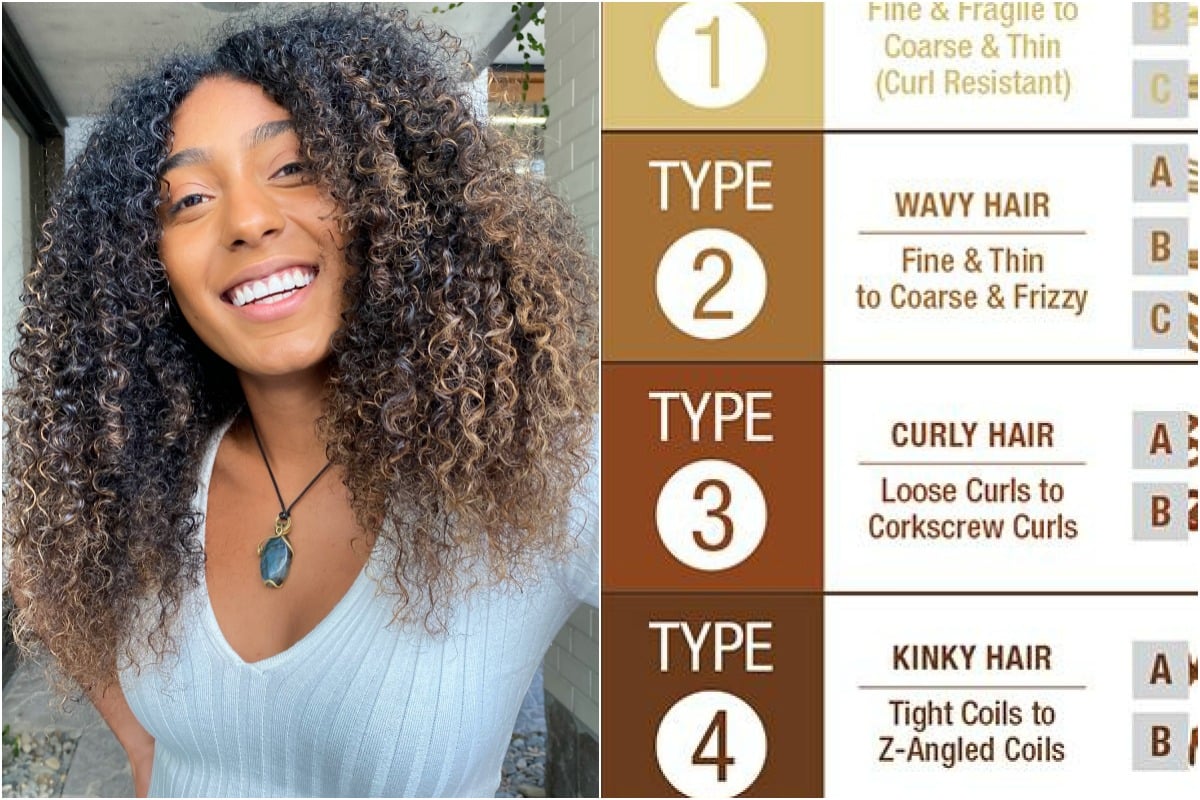
Your curl pattern matters, but it does not tell the whole story. Hair density, strand thickness, porosity, climate, chemical treatments, and scalp health also affect your routine.
Before buying many products, note these traits:
• Curl pattern: Your hair may be wavy, curly, coily, or a mix of more than one pattern.
• Strand thickness: Fine strands need light products, while thick strands may need richer creams or conditioners.
• Density: Dense hair may require sectioning during washing and styling.
• Porosity: High-porosity hair absorbs water quickly but may lose moisture fast. Low-porosity hair may resist water and product buildup.
• Scalp condition: Itching, flakes, pain, or heavy oil may point to a scalp issue rather than a curl-care problem.
A useful beginner rule is to change one product or habit at a time. If you change your shampoo, conditioner, gel, brush, and drying method at once, you will not know what helped or caused trouble.

Build a Simple Curly Hair Routine
The best routine for beginners is not the longest one. It is the one you can repeat without stress. A basic curly hair routine has four parts: cleanse, condition, style, and protect.
Step 1: Cleanse the scalp
Shampoo is mainly for the scalp, not the full length of the hair. Massage the scalp with your fingertips, then let the suds rinse through the ends.
Choose a gentle shampoo if your hair feels dry. Use a stronger clarifying shampoo from time to time if you have heavy buildup from oils, gels, waxes, or silicones. The right frequency depends on your scalp and lifestyle.
Many beginners wash too rarely because they fear dryness. Others wash too often and strip the hair. A clean, comfortable scalp is a better guide than a fixed schedule.
Step 2: Condition the lengths
Apply conditioner from the middle of the hair to the ends. Use your fingers or a wide-tooth comb to gently loosen knots while the conditioner gives the hair slip.
Leave the conditioner on for a few minutes. Rinse well, but you do not need to remove every trace if your hair responds well to a small amount.
Step 3: Add styling products to wet hair
Curly hair usually forms its best shape when it is very wet. Apply a leave-in conditioner, curl cream, mousse, or gel while the hair is still wet.
Use a small amount first. You can always add more, but too much product can make curls flat, sticky, or dull.
Step 4: Dry without rough handling
Use a microfiber towel or a soft cotton T-shirt to squeeze out water. Do not rub the hair briskly. Rubbing breaks up curl groups and raises the risk of frizz and tangles.
Let the hair air-dry, or use a diffuser on low heat and low airflow. Keep the diffuser close to the curls without constantly moving it through the hair.

How to Wash Curly Hair Without Causing Dryness
Washing is one of the most important parts of how to take care of curly hair for beginners. The goal is to remove sweat, oil, dead skin, and product residue without leaving the hair stiff.
Start by soaking the hair fully. Curly hair can repel water when it has heavy buildup, so take time to wet it before adding shampoo.
Use your fingertips, not your nails, to massage the scalp. Scratching can irritate the skin and create tiny breaks. If your scalp is oily, focus shampoo at the roots. If your scalp is dry, use less shampoo and avoid very hot water.
A cleansing conditioner, often called co-wash, may work for some people with very dry or tightly curled hair. However, co-washing may not remove enough oil, sweat, or buildup for everyone. If your scalp feels coated, itchy, or uncomfortable, add regular shampoo to your routine.
Consider clarifying when:
• Your curls feel waxy or heavy.
• Products stop working as well.
• Your hair looks dull after washing.
• Your scalp feels coated.
• You swim often or use many styling products.
Do not clarify too often. A strong cleanser can leave curls dry, especially when used without a rich conditioner afterward.
Dermatology experts generally recommend choosing hair products based on your hair and scalp needs rather than marketing claims. “Natural” does not always mean gentle, and “chemical-free” is not a realistic description because water and every cosmetic ingredient are chemicals.
How to Detangle Curly Hair Safely
Detangling is where many beginners lose patience. Curly hair tends to knot because individual strands wrap around each other. The answer is not force. It is moisture, slip, time, and the right direction.
Detangle during conditioning or after applying a leave-in product. Start at the ends and work upward in small sections. Holding the hair above the knot can reduce pulling on the scalp.
Use one of these tools:
• Your fingers: Best for feeling through knots and reducing breakage.
• A wide-tooth comb: Useful for thick or dense hair.
• A flexible detangling brush: Helpful when used gently on wet, conditioned hair.
Avoid dragging a fine-tooth comb through dry curls. Avoid brushing from the roots to the ends in one hard pull. These habits can cause breakage and make the hair look puffy.
A practical lesson in how to take care of curly hair for beginners is that detangling should never feel like a battle. If the hair is snagging, add more conditioner or water. If the scalp hurts, stop and work in smaller sections.
Shedding is normal. The American Academy of Dermatology notes that people commonly lose about 50 to 100 hairs each day. Curly hair may hold onto shed strands until wash day, so the amount in the drain can look larger than expected.

Choose Products for Moisture, Hold, and Hair Health
You do not need a shelf full of products. Most beginners can start with:
• A gentle shampoo.
• A moisturizing conditioner.
• A leave-in conditioner, if needed.
• A styling product such as gel, mousse, or curl cream.
• A microfiber towel or cotton T-shirt.
Each product has a different job.
Shampoo cleans. Conditioner softens and improves slip. Leave-in conditioner adds light moisture. Curl cream can reduce dryness and help shape curls. Gel creates hold and helps curls stay grouped as they dry. Mousse gives volume and light hold.
Understand protein and moisture
Hair needs both moisture and strength. Some products contain hydrolyzed proteins that may help weak or damaged hair feel stronger. However, too much protein can make some hair feel stiff or brittle.
Signs your hair may need more conditioning include:
• A rough or straw-like feel.
• Increased tangles.
• Dull curls.
• Ends that feel dry soon after washing.
Signs your hair may dislike a product include:
• Stiffness that does not improve after conditioning.
• A coated or waxy feel.
• Flakes or residue.
• Scalp itching or burning.
Product response is personal. A formula that works in humid Florida may feel heavy in dry Colorado. Water quality also matters. Hard water can leave mineral deposits that make hair feel dull or rough.
Patch-test new products on a small area of skin when possible. Stop using a product if it causes burning, swelling, a rash, or severe itching.
How to Style Curly Hair for Beginners
Styling is the step that turns clean hair into defined curls. Start with soaking-wet hair because water helps curls group together.
Try this simple method:
Divide wet hair into two to four sections.
Apply a small amount of leave-in conditioner or curl cream.
Smooth the product over each section with flat hands.
Scrunch the hair upward toward the scalp.
Add gel or mousse for stronger hold.
Scrunch again with a soft T-shirt or microfiber towel.
Air-dry or diffuse on low heat.
Scrunching encourages the natural curl shape. Raking product through the hair can spread it evenly, but too much raking may separate curl groups and create frizz.
If your curls dry with a hard or crunchy cast, do not panic. A gel cast is often a sign that the product created hold. Once the hair is fully dry, gently squeeze the curls with clean, dry hands to soften them. This step is called scrunching out the crunch.
Do not touch the hair while it dries. Each touch can disturb the curl pattern and create frizz. This is one of the hardest habits for beginners, especially when they are waiting to see the final result.
For more volume, dry your roots first with a diffuser. You can also flip your head gently, but avoid shaking the hair before it is dry.

Protect Curly Hair While Sleeping
Night care can make a major difference. Cotton pillowcases create friction, which can roughen the cuticle and pull moisture from the hair. Satin or silk surfaces are usually smoother and may reduce friction.
Try one of these options:
• Sleep on a satin or silk pillowcase.
• Wear a satin bonnet that fits comfortably.
• Gather long hair loosely at the top of your head in a “pineapple.”
• Use a soft scrunchie instead of a tight elastic.
Do not tie the hair tightly every night. Repeated tension can contribute to breakage and hair loss around the hairline.
In the morning, avoid soaking the entire head unless it needs a full refresh. Mist the hair lightly with water, then add a small amount of leave-in conditioner or gel to dry areas. Scrunch gently and allow the hair to reshape.
Learning how to take care of curly hair for beginners includes accepting that not every morning will produce perfect curls. Weather, sleep, exercise, and product buildup all affect the result.
Manage Frizz, Humidity, and Dryness
Frizz is not always a sign of damaged hair. It can be part of the natural texture. Curly hair may also look frizzier in humid weather because water in the air changes how hair fibers interact with moisture.
To manage frizz:
• Use conditioner regularly.
• Apply styling products to wet hair.
• Choose a gel with enough hold for your climate.
• Avoid brushing dry curls.
• Dry hair fully before separating curl groups.
• Sleep on a smooth surface.
• Limit high heat and repeated chemical processing.
Silicones are often misunderstood. Some silicones can smooth hair and reduce friction, while others may build up on certain hair types. If you use products that leave buildup, occasional clarifying may help. There is no need to avoid every ingredient based on a simple internet rule.
Heat can damage the hair cuticle and weaken the fiber over time. If you diffuse, use low or medium heat and keep the tool moving. If you use a flat iron or curling iron, apply a heat protectant and avoid very high temperatures.
Humidity-resistant products may help in wet climates, but they are not magic. If your hair is damaged, no product can fully repair the internal structure. A trim, gentle routine, and time are often needed.

Avoid Common Curly Hair Mistakes
Many curly hair problems come from small habits rather than a lack of expensive products. A few changes can protect the hair and simplify your routine.
Avoid these common mistakes:
• Washing with very hot water: Warm water is usually more comfortable and less drying.
• Rubbing with a rough towel: Use a T-shirt or microfiber towel instead.
• Detangling dry hair: Add water and conditioner first.
• Using too much product: Begin with a small amount and build slowly.
• Sleeping with wet hair: This can increase tangles and may leave the scalp damp for hours.
• Applying heavy oils to the scalp: Oils may worsen buildup or irritation for some people.
• Changing products every wash: Give a routine time to show how it works.
• Pulling out knots: Separate them with your fingers and more conditioner.
• Ignoring the scalp: Healthy-looking curls still need a clean, comfortable scalp.
A useful beginner test is the “one-week rule.” Keep the same basic routine for several washes, then change only one part. This makes it easier to identify what your hair likes.
Create a Weekly and Monthly Curly Hair Schedule
A schedule can make how to take care of curly hair for beginners feel easier. Your schedule should fit your scalp, exercise routine, climate, and styling habits.
On wash day
• Cleanse the scalp.
• Condition and detangle.
• Apply styling products to wet hair.
• Dry with low heat or air-dry.
Between washes
• Protect curls during sleep.
• Refresh only the areas that need help.
• Avoid brushing dry hair.
• Check the scalp for oil, flakes, or irritation.
Every few weeks
• Clarify if you notice buildup.
• Use a deeper conditioner if the hair feels dry.
• Clean brushes, combs, bonnets, and pillowcases.
• Inspect the ends for splits and roughness.
You may need to wash more often if you sweat heavily, swim, or have an oily scalp. You may wash less often if your hair is very dry and your scalp stays comfortable. There is no universal wash-day calendar.
Deep conditioners can improve softness and manageability, but they cannot permanently repair split ends. Once an end splits, trimming is the only lasting way to remove the split.
Know When to See a Dermatologist or Stylist
Most beginners can improve their curls with gentle care. However, some symptoms need professional attention.
See a dermatologist if you notice:
• Sudden or severe hair shedding.
• Bald spots or widening part lines.
• Scalp pain, sores, or pus.
• Persistent itching or thick scales.
• Redness that does not improve.
• Broken hairs near the scalp.
A dermatologist can check for conditions such as dandruff, psoriasis, fungal infections, or other causes of hair loss. A stylist can help with shaping, product use, and techniques for dense or mixed-texture hair.
Be careful with online advice that promises instant growth or permanent curl changes. Hair growth supplements, essential oils, and restrictive routines may not be safe or useful for everyone. If you have a medical condition, take medication, are pregnant, or have sudden hair changes, ask a qualified health professional before trying supplements or strong treatments.
How to Take Care of Curly Hair for Beginners on a Budget
Healthy curls do not require luxury products. Technique often matters more than price.
A low-cost routine can include:
• A basic shampoo that cleans without leaving the scalp tight.
• A conditioner with good slip.
• A small amount of gel or mousse.
• A clean cotton T-shirt for drying.
• A satin pillowcase if it fits your budget.
You can also use less product by applying it to very wet hair. Water spreads the product and helps form curl groups. If your hair is fine, skip rich creams and start with a light mousse or gel.
Track your results for a month. Write down how your hair feels, how long definition lasts, and whether your scalp feels comfortable. This simple record can help you find patterns and avoid wasting money.
The best routine is affordable, repeatable, and gentle. If a routine takes two hours and leaves you frustrated, it may not be the right routine for your life.
Frequently Asked Questions About How to Take Care of Curly Hair for Beginners
How often should beginners wash curly hair?
Wash when your scalp feels oily, sweaty, itchy, or coated. Many people wash one to three times per week, but your scalp and lifestyle should guide the schedule.
Should curly hair be brushed?
Curly hair can be brushed when it is wet and coated with conditioner or leave-in product. Avoid brushing dry curls because it can separate the curl pattern and increase frizz.
Is gel good for curly hair?
Gel can define curls and help them keep their shape. Apply it to wet hair, let the hair dry fully, and gently soften any crunchy cast with your hands.
How can beginners reduce frizz?
Use enough water and conditioner, apply styling products to wet hair, avoid rough towels, and do not touch curls while they dry. Humidity can still cause some frizz, and that is normal.
What is the best way to sleep with curly hair?
Use a satin or silk pillowcase, bonnet, or loose pineapple style. Avoid tight hair ties because repeated tension may cause breakage around the hairline.
Can curly hair be washed every day?
Some people with oily scalps may need frequent washing, while very dry curls may need less. Daily washing is not automatically harmful, but use a gentle cleanser and condition the lengths.
How do beginners know if hair has product buildup?
Buildup may make curls feel coated, limp, waxy, or dull. A clarifying shampoo can help when used occasionally, followed by a moisturizing conditioner.
Does trimming make curly hair grow faster?
Trimming does not speed up growth from the scalp. It removes split and damaged ends, which can help the hair look neater and reduce further splitting.
Conclusion
Learning how to take care of curly hair for beginners starts with a calm, simple routine. Clean the scalp gently, condition well, detangle with care, style on wet hair, dry with less friction, and protect curls at night.
Your curls do not need to look perfect every day. Focus on a comfortable scalp, strong ends, and habits you can repeat. Start with one small change this week, track what works, and explore more curl-care resources as you learn your hair’s needs.
