
Wash less often, use gentle products, protect strands from heat, sun, chlorine, and friction.
Learning how to take care of color treated hair starts with one simple idea: treat your hair like delicate fabric. Hair color can change how the cuticle behaves, how much moisture your strands hold, and how fast your shade fades. With the right wash routine, conditioning plan, and daily protection, you can keep color treated hair soft, shiny, and vibrant for much longer.

What Color Treated Hair Needs
Color treated hair has been changed by chemicals. Permanent color, bleach, highlights, balayage, and some vivid dyes can lift or open the outer cuticle layer. This helps color enter the hair, but it may also increase dryness, porosity, tangles, and breakage.
Think of the cuticle as a row of tiny roof tiles. Healthy tiles lie flat and help lock in moisture. Chemical processing can lift some of those tiles. The goal of hair care is to smooth the cuticle and reduce moisture loss.
Color treated hair usually needs three forms of care:
• Moisture to reduce dryness and rough texture
• Strength to support weakened strands
• Protection to limit heat, sun, chlorine, and friction damage
The level of care depends on your service. A dark gloss may cause little stress, while platinum blonde hair may need a stronger repair routine. Your hair’s texture also matters. Fine hair can become heavy with rich products, while thick or curly hair may need more moisture.
A strand test can help you understand your hair. Place a clean strand in a glass of water. If it sinks quickly, it may be more porous. If it floats for a long time, it may have a tighter cuticle. This test is only a rough guide, not a medical or scientific diagnosis.

How Often Should You Wash Color Treated Hair?
Washing too often can remove some surface color and natural oils. However, waiting too long can leave the scalp oily, itchy, or coated with product. Most people do well with washing color treated hair two or three times per week.
Your ideal schedule depends on your scalp, hair type, lifestyle, and color. Someone who exercises daily may need more frequent washing. Someone with dry, curly hair may wash once a week.
Try these steps:
Brush your hair gently before washing if it tangles easily.
Use lukewarm water instead of hot water.
Apply shampoo mainly to the scalp.
Let the suds rinse through the lengths without scrubbing them.
Apply conditioner from the middle of the hair to the ends.
Rinse with cool or lukewarm water.
Do not scrub the hair lengths as if you are washing fabric. The scalp needs cleansing, but the ends usually need gentleness. This small change can help color treated hair feel smoother and retain more shine.
Dry shampoo can help extend time between washes. Still, it does not clean the scalp. Remove buildup with a normal wash when your hair feels dull, sticky, or heavy.

Choose the Right Shampoo and Conditioner
The best products for color treated hair are gentle, moisturizing, and suited to your shade and texture. Look for labels such as color safe, sulfate free, moisturizing, or bond care. These labels can help, but they do not guarantee that a product will suit everyone.
Sulfate cleansers are not automatically harmful. They can be useful for oily scalps and buildup. Yet some people find strong cleansing formulas drying, especially after lightening services. A mild shampoo may be a better daily choice for dry or fragile color treated hair.
Choose conditioner based on your main need:
• Use a lightweight conditioner for fine hair.
• Use a rich conditioner for thick, coarse, or curly hair.
• Use a repair-focused product when hair feels weak or snaps easily.
• Use a color-depositing conditioner to refresh certain red, copper, brown, or fashion shades.
Purple shampoo can reduce the look of yellow tones in blonde or gray hair. Blue shampoo may help soften orange tones in some brown hair. These products do not repair damage, and using them too often can make hair look dull or slightly stained.
Start with color-enhancing shampoo once every one or two weeks. Follow the product directions and stop if your hair feels dry or the shade looks uneven.

Build a Weekly Hair Care Routine
A simple routine is easier to follow than a shelf full of products. Here is a practical plan for color treated hair.
On wash days
Cleanse the scalp with a gentle shampoo. Apply conditioner to the lengths and ends. Leave it on for two to five minutes, then rinse well.
Once a week
Use a deep conditioning mask. Apply it to damp hair after shampooing. Focus on the driest areas, such as the ends and lightened pieces.
Every two to four weeks
Use a clarifying shampoo if you have heavy buildup from dry shampoo, oils, hard water, or styling products. Follow it with a rich conditioner or mask because clarifying can make hair feel dry.
When hair feels weak
Add a protein or bond-building treatment. Do not use strong protein products every day. Too much protein can make some hair feel stiff or brittle.
Hair needs balance. Moisture helps flexibility, while protein and bond care can support strength. If your hair feels soft but weak, a strengthening treatment may help. If it feels rough and stiff, focus more on moisture.
One useful lesson from salon routines is to change only one product at a time. If you start five new products together, you will not know what helped or caused buildup.

Protect Color Treated Hair From Heat
Heat styling can worsen dryness and speed up color fading. A flat iron or curling iron may reach more than 350°F. Repeated exposure can make the cuticle rough and increase breakage.
Use these heat safety habits:
• Apply a real heat protectant before blow-drying or styling.
• Dry hair with low or medium heat when possible.
• Keep hot tools moving instead of holding them in one spot.
• Use the lowest temperature that gives you the result you want.
• Make sure hair is fully dry before using a flat iron or curling iron.
• Limit daily heat styling.
A heat protectant does not make hair heatproof. It creates a layer that may reduce damage, but it cannot cancel out high heat or repeated use. This is an important limitation that many product claims overlook.
Air-drying is gentler, but wet hair is also more fragile. Do not twist wet hair tightly or sleep with it soaked. Use a soft towel or cotton T-shirt to press out water, then let your hair dry in a loose style.

Protect Your Hair From Sun, Chlorine, and Hard Water
Ultraviolet light can affect hair color, especially bright, red, copper, and pastel shades. Sun exposure may also dry the hair and make blonde strands look warmer. A hat is one of the simplest ways to protect color treated hair outdoors.
Swimming requires extra care. Chlorine can leave hair dry and may interact with some blonde shades. Before swimming, wet your hair with clean water and apply a small amount of conditioner. Hair that is already full of clean water absorbs less pool water.
After swimming:
Rinse your hair as soon as possible.
Use a gentle shampoo if your hair feels coated.
Apply a moisturizing conditioner.
Use a swimmer’s shampoo when chlorine buildup continues.
Salt water can also dry the hair. It may create a rough feel, especially on bleached strands. Rinse after swimming in the ocean and apply leave-in conditioner to the ends.
Hard water contains minerals that can collect on the hair. This buildup may make color treated hair look dull, dry, or brassy. A chelating shampoo can help remove mineral deposits, but it should not replace regular shampoo and conditioning.

Handle Color Treated Hair Gently
Daily handling matters as much as shampoo. Small acts of pulling, rubbing, and tight styling can add up over time.
Use a wide-tooth comb on damp hair. Start at the ends and work upward. Do not drag a brush from the roots through a large knot. That can pull on the weakest parts of the strand.
Helpful habits include:
• Sleep on a satin or silk pillowcase to reduce friction.
• Use soft fabric scrunchies instead of tight elastic bands.
• Change your hairstyle so the same area is not pulled every day.
• Avoid tight ponytails when hair is wet.
• Trim split ends when they become rough or tangled.
• Carry a leave-in conditioner for dry ends during travel.
Color treated hair can look healthy even when it has hidden weakness. Shine does not always mean the inner structure is strong. If your hair snaps, stretches like gum, or develops many short pieces, reduce chemical services and speak with a licensed stylist.
Keep Your Color Fresh Between Salon Visits
Color fade is normal. Shampoo, water, sunlight, heat, and time can all change the way a shade looks. The goal is not to stop fading completely. The goal is to slow it and refresh the tone safely.
Ask your stylist about a gloss, toner, or color-refresh service. A gloss can add shine and adjust tone, but the effect is temporary. It may last several weeks, depending on your washing routine and hair porosity.
At home, you can use:
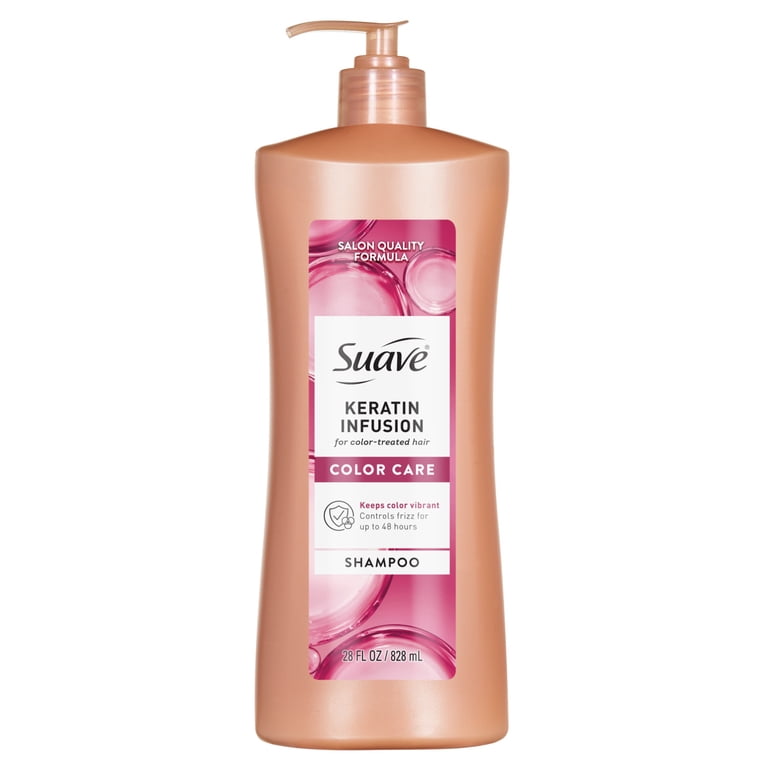
• A color-safe shampoo and conditioner
• A tinted mask made for your shade
• A leave-in product with UV protection
• A clear gloss product for added shine
Always follow the directions for tinted products. Apply a small amount first, especially if your hair is very porous. Lightened sections may absorb pigment faster than darker sections, which can create uneven results.
Do not use box dye over fresh salon color without understanding the result. Different dyes and chemicals can react in unexpected ways. A professional colorist can help you choose a safer refresh plan.
Common Mistakes to Avoid
Even a good routine can fail when a few habits work against it. Avoid these common mistakes when caring for color treated hair.
Washing with very hot water
Hot water may increase dryness and make the hair feel rough. Lukewarm water is a better choice for the scalp and lengths.
Applying shampoo to the ends
The ends are usually the oldest and driest part of the hair. Clean the scalp well and let the rinse cleanse the lengths.
Using purple shampoo too often
Purple shampoo is a toner, not a daily cleanser. Excessive use can leave blonde hair dull or overly cool.
Skipping conditioner
Color treated hair needs slip to reduce tangles and friction. Skipping conditioner can make breakage more likely during brushing.
Coloring damaged hair again
More chemical processing cannot fix damage. Give the hair time to recover and ask a stylist to assess its condition.
Relying only on expensive products
Price does not determine whether a product works. A simple routine used consistently often beats a costly routine used once a month.
Brushing aggressively
Ripping through knots can cause mechanical breakage. Take small sections and begin at the ends.
When to See a Professional
Home care can improve softness, shine, and manageability. It cannot fully reverse severe chemical damage or correct every color problem.
Book a professional consultation if you notice:
• Hair breaking near the roots
• A gummy or stretchy feel when wet
• Severe matting
• Scalp burning, swelling, sores, or persistent itching
• Uneven color after a home dye
• A strong chemical smell that remains after washing
A stylist can check porosity, elasticity, and previous chemical history. Be honest about box dye, henna, bleach, relaxers, perms, and other services. Hidden color history can affect how safely a new service can be performed.
If you develop a rash, swelling, or breathing trouble after hair color, seek medical care promptly. Hair dye reactions can be serious, and repeated exposure may increase sensitivity.
Frequently Asked Questions About How to Take Care of Color Treated Hair
How often should you wash color treated hair?
Most people can wash color treated hair two or three times each week. Wash more often if your scalp is oily or you exercise often, but use a gentle shampoo and condition the lengths.
Is sulfate-free shampoo required for color treated hair?
No, it is not required for everyone. A mild sulfate-free shampoo may help reduce dryness and fading for some people, while a stronger cleanser can be useful for oily scalps or buildup.
Can I use purple shampoo on color treated hair?
Yes, purple shampoo can help reduce yellow tones in blonde or gray hair. Use it occasionally and follow the label because frequent use may cause dryness or a dull, overly cool tone.
How can I stop color treated hair from fading?
Wash less often, use lukewarm water, choose color-safe products, and protect your hair from heat, sun, chlorine, and hard water. A salon gloss or color-depositing mask may also refresh the shade.
Is it safe to straighten color treated hair?
You can use a flat iron, but always apply heat protectant and use the lowest effective temperature. Avoid straightening wet hair and limit frequent high-heat styling.
Why does color treated hair feel dry?
Chemical services can lift the cuticle and reduce the hair’s ability to hold moisture. Heat, strong cleansers, sun, chlorine, and rough brushing can make dryness worse.
Can I oil color treated hair?
A small amount of lightweight oil can smooth the ends and reduce the look of frizz. Oil does not repair chemical damage, so use it as a finishing product rather than a replacement for conditioner.
Conclusion
Taking care of color treated hair means protecting the cuticle, limiting stress, and keeping your routine simple. Wash gently, condition often, use heat protection, guard against sun and chlorine, and refresh your shade with products that match your hair’s needs.
Start with one change this week, such as lowering your wash temperature or adding a weekly mask. Pay attention to how your hair feels, not just how it looks, and adjust your routine as needed. Share your favorite color-care tip or explore more hair-care guides to keep your strands healthy and your color bright.
