Coily hair thrives on regular moisture, gentle detangling, low heat, and protective styles.
I have worked with textured hair for years. I know how to take care of coily hair. This guide mixes practical steps, science-backed tips, and plain talk. You will get routines, product ideas, and mistakes to avoid so your coils look healthy and full.
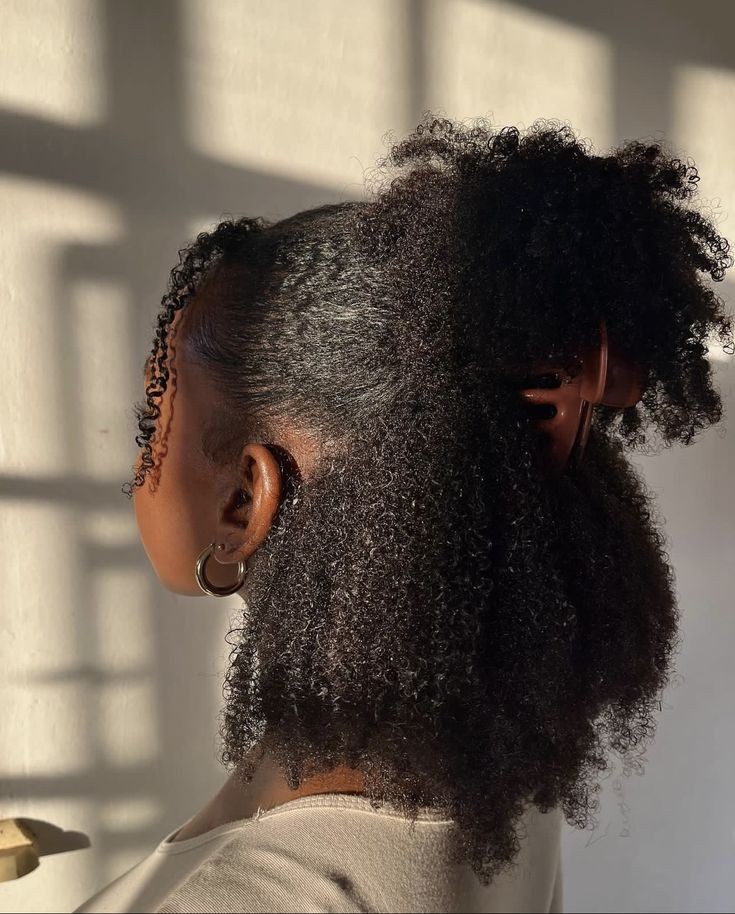
Understanding coily hair: what makes it unique
Coily hair is type 4 on the common curl scale. The strands form tight S or Z-shaped curls. This pattern makes natural oils struggle to travel down the shaft. That is why moisture and gentle handling matter more than for straighter hair.
Coily hair may shrink a lot when dry. It can break if you force a comb through it. Knowing structure helps you plan how to take care of coily hair with patience and the right steps.

Core principles for how to take care of coily hair
Follow these main rules every week. They make a big difference fast.
• Prioritize moisture. Rehydrate hair often with water-based products.
• Minimize manipulation. Less daily brushing means fewer breaks.
• Use gentle cleansing. Clean hair without stripping oils.
• Seal in hydration. Add a layer of oil or butter to lock moisture.
• Protect at night. Use satin or silk to reduce friction and breakage.
Repeat these actions and you will see stronger, softer coils. This is the backbone of how to take care of coily hair.
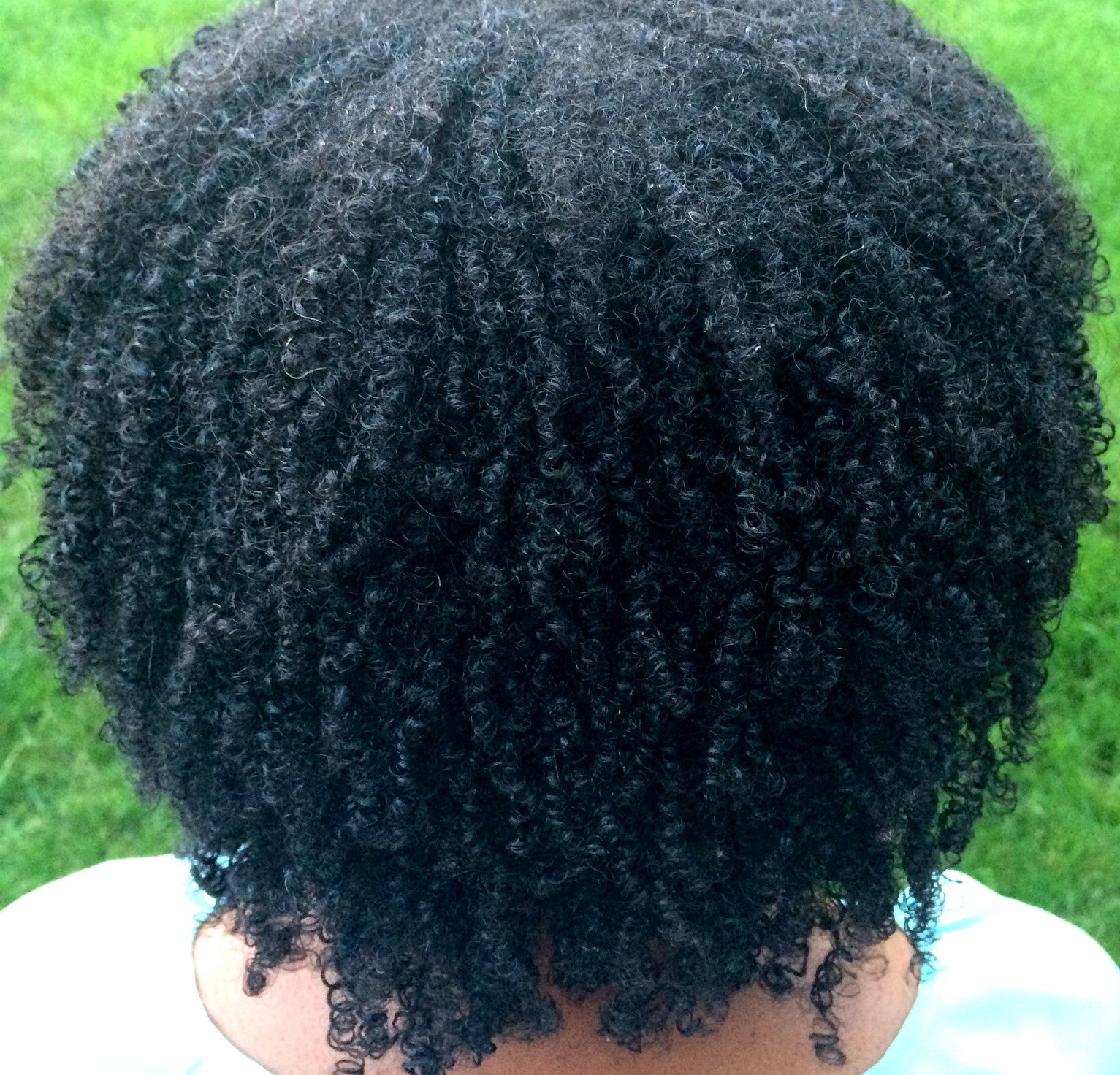
Daily and weekly routine: steps to follow
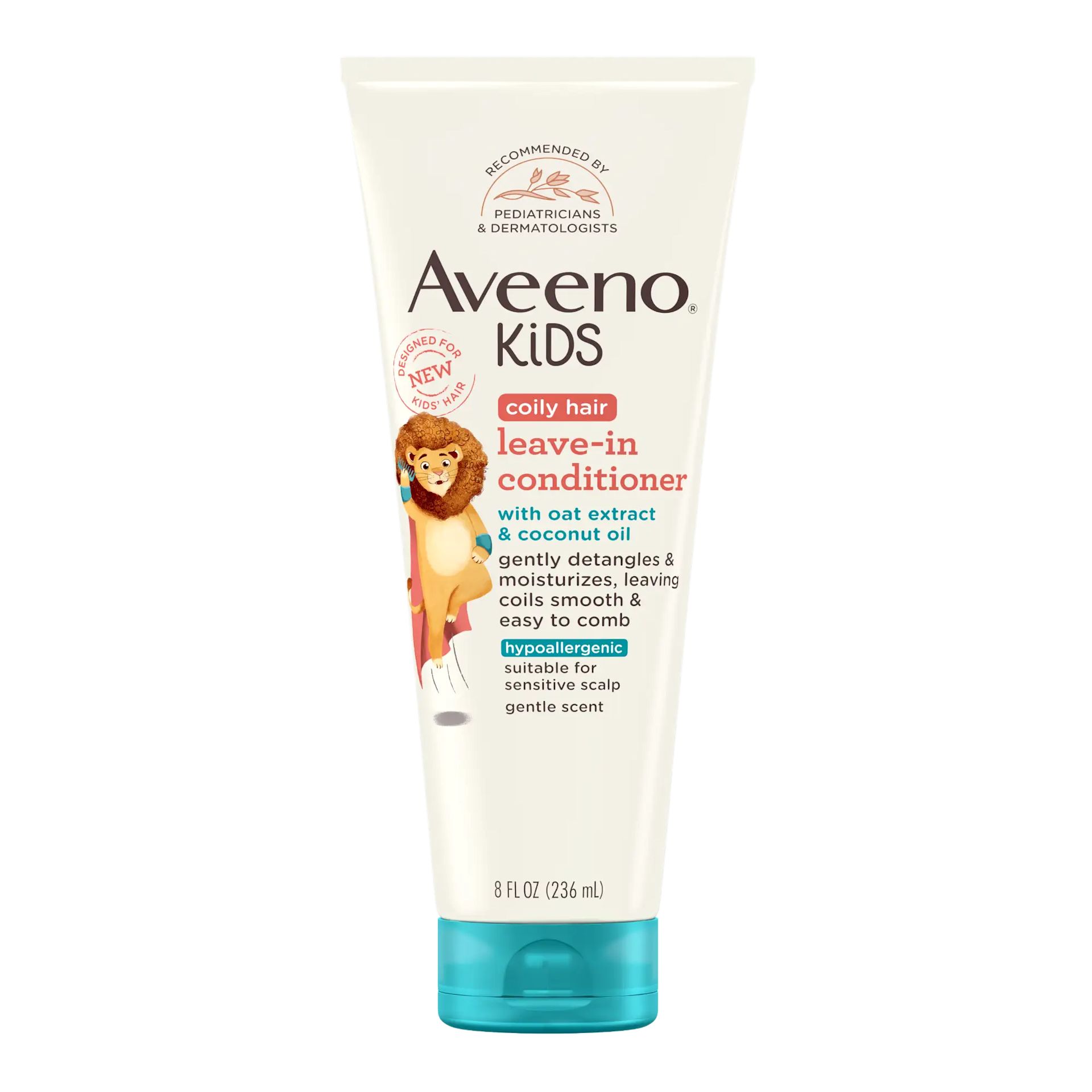
Daily care should be quick and low-force. Use a spray bottle of water and leave-in conditioner each morning. Refresh curls, reapply a small amount of oil, and style with fingers.
Weekly care needs a plan. Do a gentle wash every 1–2 weeks. Follow with a deep conditioner for at least 15–30 minutes. Detangle while hair is saturated and slippery to avoid snaps.
Follow this routine to keep strands balanced. This routine shows how to take care of coily hair without stress.

Cleansing and conditioning: what to use and why
Choose sulfate-free shampoos or co-washes. These clean without stripping natural oils. If you use a stronger shampoo, follow with a rich conditioner.
Deep condition regularly. Use products with humectants like glycerin and proteins in balance. Protein helps weak strands; too much protein can feel stiff. Alternate moisture treatments and protein treatments as needed.
This is a clear part of how to take care of coily hair that protects curl shape and strength.
Detangling and styling: gentle methods that protect curls
Detangle on wet, conditioned hair. Use wide-tooth combs or your fingers. Work in small sections. Hold the root to avoid pulling.
For styling, choose low-tension looks. Twist-outs, braids, bantu knots, and wash-and-go styles are good options. Avoid tight ponytails and heavy elastic bands that pull at the edges.
These methods reduce breakage and show how to take care of coily hair with care.

Moisture and sealing: lock in hydration the right way
Moisture routine: water, leave-in conditioner, then oil or butter. Use light oils like jojoba or grapeseed for scalp and coconut, olive, or shea butter for seals on ends. Apply to damp hair to trap water.
Watch humidity and seasons. In dry winter months, use heavier creams. In humid summer months, use lighter layers. Learning to seal helps maintain healthy strands and teaches you how to take care of coily hair in any climate.

Protective styles and night care: reduce friction and loss
Protective styles give hair a rest. Examples include twists, braids, and wigs with protective caps. Keep styles loose to avoid stress at the hairline.
Night care matters. Sleep on a satin pillow or wear a satin bonnet. Tie hair in a loose pineapple or wrap to protect curl shape. Good night habits are major for how to take care of coily hair long-term.

Common problems and quick fixes
Dry ends and split ends can happen. Trim ends every 8–12 weeks to remove damage. If hair feels straw-like, use a deep hydrating mask for several weeks.
Breakage at the edges often means too much tension or chemical damage. Stop tight styles, and use gentle edges treatments. If you relaxed or colored hair, lower heat and increase protein treatments.
Frizz often comes from lack of moisture or friction. Use leave-ins, avoid rough towels, and protect hair at night. These fixes show practical ways to take care of coily hair day to day.

How often should I wash coily hair?
Wash coily hair every 1–2 weeks or as needed. Co-washing between shampoos can help keep moisture without buildup.
Can I use heat on coily hair?
You can use heat sparingly and with a heat protectant. Keep temperatures low and limit heat to occasional use to avoid damage.
Will trimming more often make my coils grow faster?
Regular trims do not speed growth but prevent breakage. Healthier ends keep length from breaking off so your hair appears to grow faster.
Frequently Asked Questions of how to take care of coily hair
How often should I moisturize coily hair?
Moisturize coily hair every 2–3 days or when it feels dry. Use a water-based moisturizer and seal with oil to keep it soft.
What products are best for coily hair?
Choose sulfate-free cleansers, creamy conditioners, leave-ins, and natural oils. Look for simple ingredient lists and avoid heavy silicones if you prefer water absorption.
Is detangling coily hair painful?
Detangling should not be painful. Always detangle on wet, conditioned hair in sections, and use gentle pressure to prevent snaps.
How do I prevent shrinkage?
Shrinkage is natural and shows healthy coils. To stretch hair, use braids, twists, banding, or blow-drying on low heat with tension. Shrinkage can protect ends, so balance stretching with care.
Can coily hair be styled with heat?
Yes, but sparingly. Always use a heat protectant and the lowest effective temperature. Overuse of heat increases breakage and weakens curl pattern.
Personal tips from experience
I learned to slow down. Quick fixes often caused more harm. I now detangle in small sections. I deep condition weekly. I avoid heavy brushing and tight styles.
One time I used too much protein and my hair felt brittle. I switched to moisture masks and it recovered. These small lessons show how to take care of coily hair in practical steps.
Signs your routine needs a change
If your hair breaks more, gets limp, or loses curl formation, reassess products. Too many new products at once can hide the real cause. Track what you add and remove items until you find the issue.
Pay attention to scalp health too. An itchy, flaky scalp needs gentle cleansing and possibly medicated care. Fix the scalp, and the hair will follow.
Final styling and maintenance tips
• Use small sections when applying product for even coverage.
• Rotate styles to avoid stress on one area.
• Clarify every 4–8 weeks if you use many buildup products.
• Keep a travel kit with water, a spray leave-in, and an oil for quick refreshes.
• Be patient; healthy change takes weeks to show.
These habits complete how to take care of coily hair with long-term results.
Conclusion
You now have a clear map for how to take care of coily hair. Start with moisture, gentle detangling, protective styling, and consistent routines. Small habits add up quickly and protect your curl pattern and length.
Try one change this week. Track what improves and keep it. If you found this helpful, leave a comment, subscribe, or share your own routine so others can learn from your experience.