
Deep clean, hydrate, protect: use gentle sulfate-free care, protein and heat protection.
I’ve spent years helping clients and testing routines, so I know exactly how to take care of bleached hair without guessing. This guide walks you through daily care, repair treatments, styling tips, color maintenance, and common mistakes. You’ll get step-by-step actions, simple product advice, and real-life tips I learned as a stylist and tester. Read on to protect your color, rebuild strength, and keep bleached hair soft and shiny.
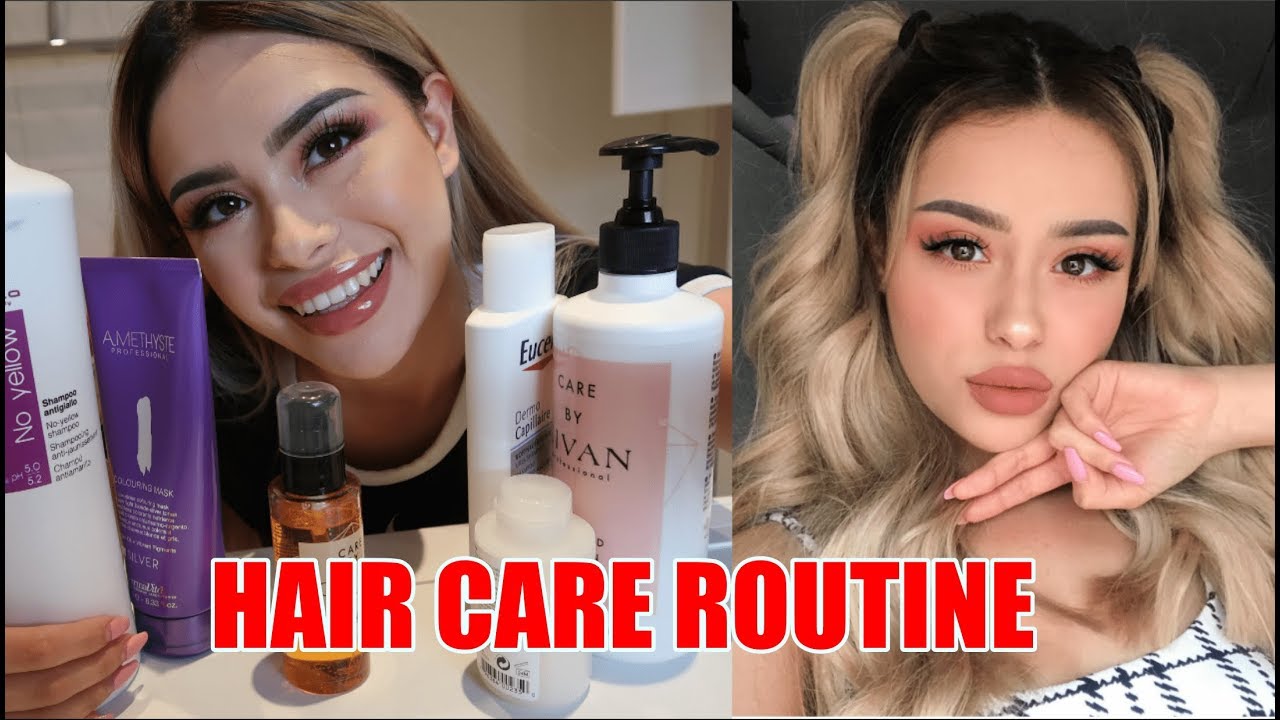
Understanding bleached hair: what happens and why it needs special care
Bleaching opens the hair cuticle and removes natural pigment. This makes hair porous, fragile, and prone to breakage. When you know how to take care of bleached hair, you treat it like fragile fabric — gentle, moisturized, and supported.
Damage shows as dryness, frizz, brassiness, and split ends. Bleached strands lose protein and lipids. That is why routines must add moisture, protein, and protection.
My experience: I once left a client’s hair too porous after multiple sessions. We rebuilt it slowly with weekly protein and daily oils. The turnaround took three months of consistent care.
Core daily routine for how to take care of bleached hair
Keep the daily routine simple. Focus on cleansing, conditioning, moisture, and protection.
- Cleanse gently: Use a sulfate-free shampoo. Wash 1–3 times weekly based on oil levels. Harsh cleansers strip moisture.
- Condition every wash: Use a rich conditioner after shampoo. Focus on mid-lengths and ends.
- Leave-in protection: Apply a lightweight leave-in conditioner or cream to damp hair. It fights frizz and adds slip for detangling.
- Seal with oil: Use a small amount of hair oil on ends. This locks moisture and reduces tangles.
Tip from my chair: When detangling, start at the ends. Work up slowly. This prevents breakage on brittle bleached hair.
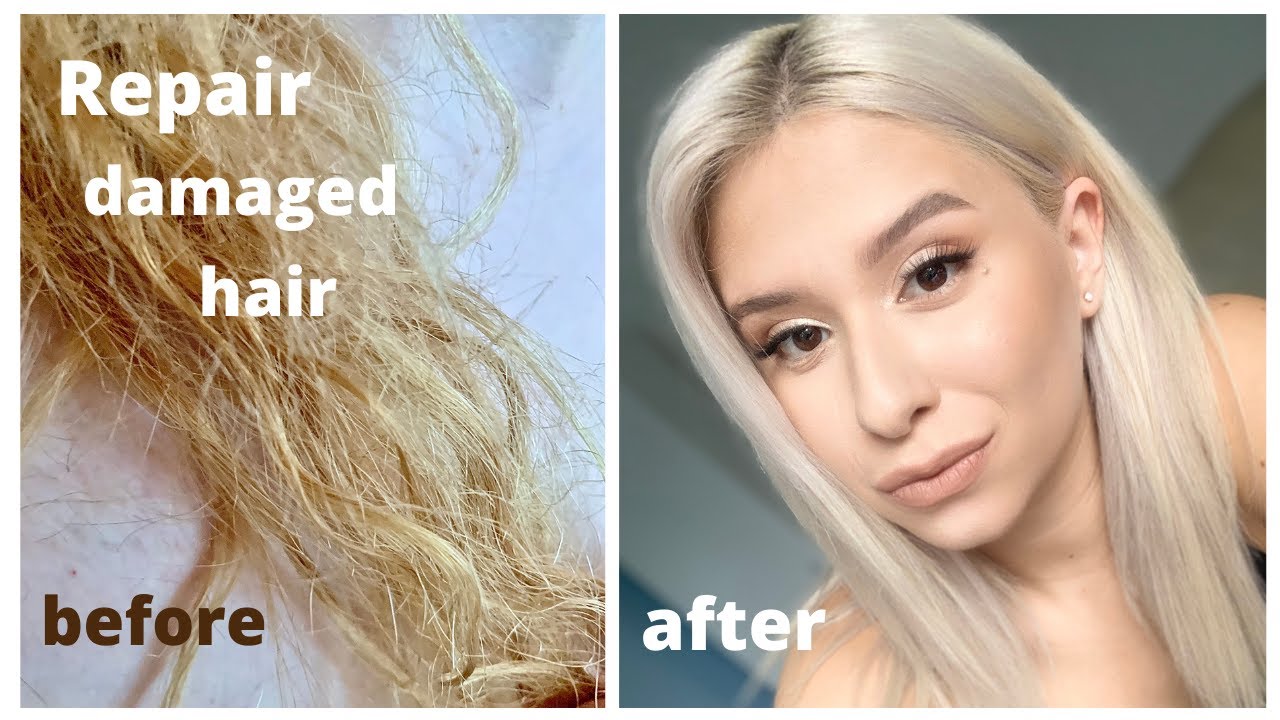
Weekly and biweekly treatments: repair and rebuild
Bleached hair needs protein and moisture in balance. Use both types of treatments.
- Weekly deep mask: Use a moisturizing mask one time per week. Leave 10–20 minutes under a towel or heat cap.
- Protein treatments: Use a protein or bond-building treatment every 2–6 weeks depending on porosity. Do not overuse protein; hair can become stiff.
- Scalp care: Keep the scalp healthy with a gentle exfoliant or clarifying treatment once a month.
Example routine I followed: Moisture mask week one, protein treatment week three, then a lighter mask week four. That rotation kept strength without dryness.
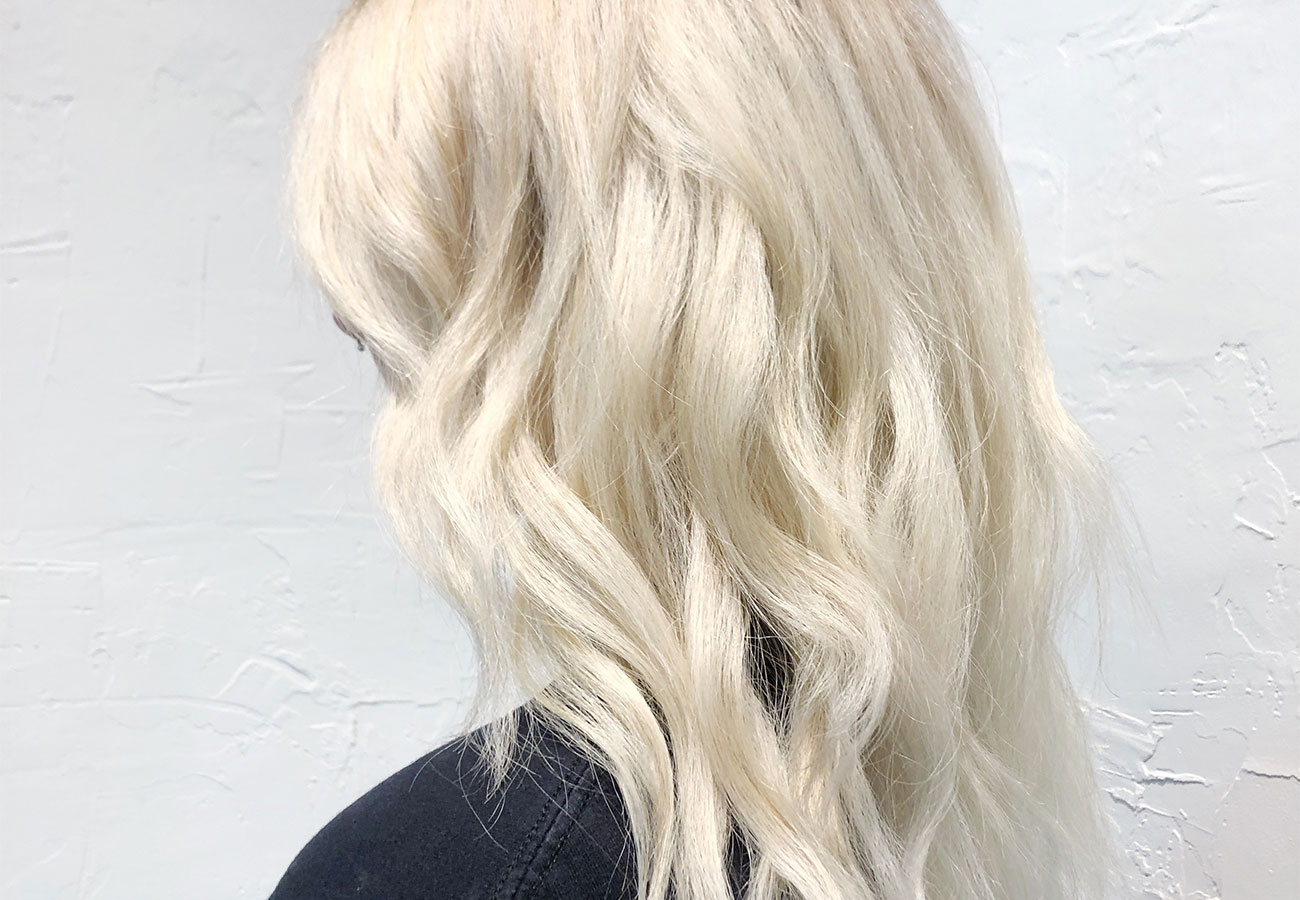
How to style bleached hair safely
Styling choices affect hair health. Protect before you style.
- Always use a heat protectant: Spray or cream before any hot tool. Reapply on damp hair for better coverage.
- Lower heat settings: Use medium or low heat. Thin bleached strands melt faster.
- Limit hot tool use: Aim for 1–2 times per week max. Embrace air-drying and heatless styles.
- Gentle brushing: Use a wide-tooth comb or soft paddle brush. Work in sections.
Personal tip: I use a low-temp straightener and glide quickly. Slow passes burn fragile hair.

Color maintenance: keeping brass and tone under control
Bleach can go brassy fast. Tone and neutralize brassiness to keep color fresh.
- Purple shampoo: Use weekly or as needed to cancel yellow tones. Leave 1–5 minutes based on product strength.
- Toner touch-ups: Visit the salon every 4–8 weeks for toner or glaze. This maintains the intended shade.
- Avoid harsh sun: UV fades color and speeds brass. Wear a hat or use UV protection sprays.
Quick Q: How often should I use purple shampoo?
Use it 1–2 times per week for maintenance. If your hair is very porous, reduce use to avoid dryness.

Trims, salon visits, and professional fixes
Regular trims remove split ends and keep hair looking healthy. See a stylist for major fixes.
- Trim every 8–12 weeks: Even a small trim improves the look and prevents splits from traveling up the hair shaft.
- Professional bond treatments: For severe damage, consider salon bond-repair services. They rebuild links in the hair molecule.
- Talk to your stylist: Plan bleaching in stages to avoid over-processing.
My salon mistake: Trying to lift too light in one session led to breakage. Staged lightening saved the rest of the hair.

Ingredients to seek and avoid when you take care of bleached hair
Know ingredients to help or harm bleached hair.
- Look for moisturizing ingredients: Glycerin, panthenol, hyaluronic acid, natural oils, and shea butter.
- Seek protein sources: Keratin, silk protein, and amino acids for strength.
- Avoid harsh surfactants: Sodium lauryl sulfate can dry brittle hair.
- Avoid excessive alcohol: Some drying alcohols make hair brittle.
PAA-style question: Can I use regular shampoo on bleached hair?
You can, but choose one labeled sulfate-free and hydrating. Regular shampoos with strong detergents can strip moisture and fade tone.

Common mistakes to avoid with bleached hair
Learning from errors saves time and hair.
- Over-washing: Strips moisture and speeds fading. Wash less often.
- Skipping protein: Weak hair breaks. Use protein as needed.
- Too much heat: High heat causes melting and breakage.
- Ignoring porosity: Porous hair needs different products. Test by seeing how quickly hair soaks water.
From my experience: Many clients jump between heavy oils and protein masks without balance. That causes stiff or greasy hair. Watch how hair responds and adjust.
Travel and seasonal care for bleached hair
Change your routine with seasons and travel.
- Summer: Use UV protectant and refresh with light mists. Chlorine and salt water cause dryness and brass.
- Winter: Increase moisture with richer masks and oils. Indoor heat can dry hair fast.
- Air travel: Use leave-in conditioners and avoid long hot showers that dry hair further.
PAA-style question: Will swimming ruin bleached hair?
Chlorine and salt can dry and discolor hair. Rinse right away, use a barrier oil, and deep condition after swimming.
Making a simple 4-week plan for how to take care of bleached hair
A clear plan helps build good habits.
Week 1
- Use sulfate-free shampoo twice.
- Apply deep moisture mask once.
- Use leave-in daily.
Week 2
- Light cleanse once.
- Use protein treatment midweek.
- Trim or dust ends if needed.
Week 3
- Purple shampoo if brass shows.
- Gentle styling with heat protectant.
- Deep mask weekend.
Week 4
- Clarify scalp lightly.
- Bond treatment if recommended.
- Evaluate and adjust products.
This rotating plan worked well for many clients I coached. Adjust frequency based on hair response.
Products and tools checklist for how to take care of bleached hair
Keep a compact kit to protect and repair.
- Sulfate-free cleansing shampoo
- Rich conditioner
- Leave-in conditioner or cream
- Lightweight hair oil for ends
- Protein treatment or bond builder
- Purple shampoo (for blondes)
- Heat protectant spray
- Wide-tooth comb and soft brush
Investing in a few good items beats buying many poor ones. Quality matters more than quantity.
Frequently Asked Questions of how to take care of bleached hair
How often should I wash bleached hair?
Wash bleached hair 1–3 times weekly based on oil and activity. Less washing helps retain moisture and color.
Can bleached hair recover to fully healthy?
You can rebuild strength and appearance, but fully replacing damaged hair takes trims and time. Bond treatments and consistent care speed recovery.
Is it safe to bleach at home?
Home bleaching carries risk of uneven lightening and breakage. If you choose home kits, follow instructions and use strand tests.
How do I stop my bleached hair from breaking?
Use a balanced routine of protein and moisture, avoid high heat, and trim split ends regularly. Gentle handling and low-manipulation styles reduce breakage.
When should I see a professional for damaged bleached hair?
See a stylist if you notice severe breakage, excess porosity, or scalp irritation. Professionals can offer bond treatments and tailored plans.
Conclusion
Taking care of bleached hair is about gentle cleansing, balanced protein and moisture, smart styling, and steady maintenance. Start small: pick a sulfate-free shampoo, add a weekly mask, and use heat protection every time you style. Be patient—repair takes weeks to months, but consistent care pays off. Try one new tip from this guide this week, track results, and adjust as needed. Share your progress or questions below and subscribe for more practical hair care tips.
