Gentle cleansing, regular brushing, heat protection, and honest pro maintenance keep extensions lasting.
I’ve worked with hundreds of clients and tested many extension types, so I know what keeps hair extensions looking natural and healthy. This guide walks you through how to care for hair extensions step by step. You’ll get clear routines, product tips, styling guides, and pro advice that I use in the chair. Read on to protect your investment and enjoy soft, full hair that lasts.
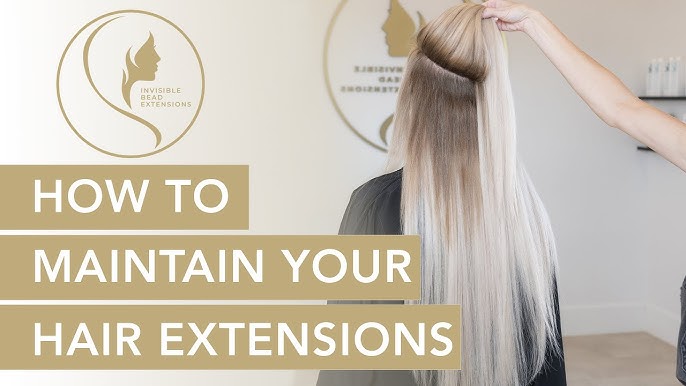
Types of hair extensions and why proper care matters
Different extensions need different care. Knowing your type helps you follow the right routine for how to care for hair extensions.
Common types
- Tape-in extensions: thin wefts taped at the roots. They need gentle handling at the bonds.
- Clip-in extensions: temporary pieces that clip in and out. Store them flat and avoid tangling.
- Sew-in or weft extensions: stitched into braids. Keep the braid base clean and dry.
- Fusion or bonded extensions: attached with keratin or adhesive. Avoid heavy oils at the bonds.
- Micro-link extensions: small rings clamped near the scalp. Brush gently to avoid slip.
Why care matters
- Proper care prevents breakage at attachment points.
- Good care extends the life of the extension hair and your natural hair.
- Simple routines reduce salon visits and save money.
From my experience, the wrong shampoo or a rough brush is the fastest way to shorten extension life. Treat the bonds like fragile seams. When you learn how to care for hair extensions for your specific type, they look better and feel better longer.

Daily routine: simple habits that protect extensions
A short daily routine keeps extensions neat and prevents tangles. Stick to a few habits each day to maintain shine and strength.
Daily steps
- Brush gently in the morning and before bed. Start from the ends and work up.
- Apply a light leave-in conditioner to the mid-lengths and ends. Keep away from bonds.
- Avoid sleeping with wet hair. Dry fully before bed.
- Use a silk or satin pillowcase or wrap hair in a silk scarf to reduce friction.
Practical tips I use with clients
- Keep a soft-bristle paddle brush in your bag for quick touch-ups.
- If you sweat after a workout, rinse and brush soon after to avoid salt build-up.
- Make a note of when you installed the extensions so you can track maintenance intervals.
Knowing how to care for hair extensions daily prevents matting and makes salon maintenance easier.
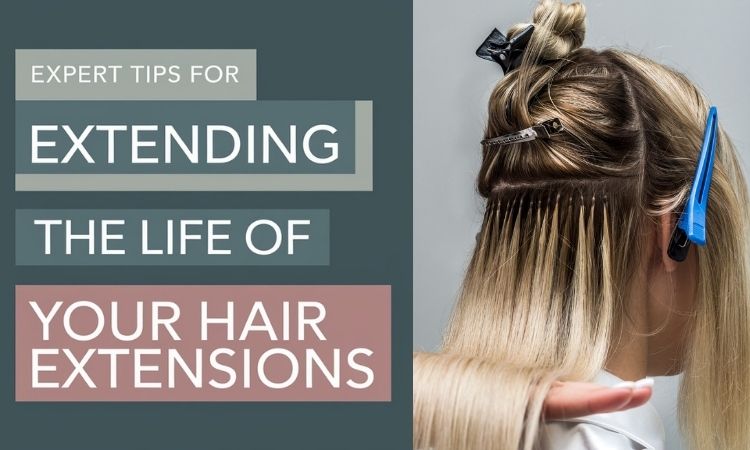
Washing and conditioning hair extensions the right way
Washing is simple if you follow gentle steps. The wrong products or rough technique can tangle and dry extension hair.
How to wash
- Use a sulfate-free, gentle shampoo. Sulfates strip moisture and lift bonds.
- Rinse hair with lukewarm water. Hot water weakens adhesives and dries hair.
- Hold the bonds steady while you wash to avoid pulling.
Conditioning tips
- Use a hydrating conditioner from mid-length to ends only.
- Leave the conditioner on for a minute or two, then rinse thoroughly.
- Once or twice weekly, use a deep conditioning mask on the extension hair (avoid the roots and bonds).
Dos and don’ts
- Do pat hair dry with a microfiber towel or soft T-shirt.
- Don’t rub or twist the hair. That causes tangles.
- Do cleanse the scalp gently to prevent oil build-up that can loosen attachments.
- Don’t apply heavy oils near bonds or tape strips.
When clients first get extensions, I recommend washing every 2–3 days. If you use products daily, you may need to wash more often. Proper washing is a major part of knowing how to care for hair extensions.

Drying, brushing, and styling without damage
Styling can be safe when done with care. Use heat wisely and pick tools that protect the hair and attachments.
Drying
- Blot excess water with a microfiber towel.
- Air dry when you can to reduce heat stress.
- If blow-drying, use a low heat setting and a nozzle to direct air down the hair shaft.
Brushing techniques
- Use a wide-tooth comb or a soft paddle brush designed for extensions.
- Start at the ends and work up in small sections.
- Hold the base near the root to reduce tension on attachment points.
Styling with heat
- Always use a heat protectant spray on the extension hair.
- Keep hot tools on a low to medium setting.
- Curl away from bonds and avoid clamping near the base.
Products and tools I recommend
- Silicone-free detangler for daily use.
- Ceramic flat iron with adjustable heat.
- Brushes labeled safe for extensions or wigs.
If you learn how to care for hair extensions while styling, you keep the hair smooth and avoid damage at the bonds.

Sleeping, swimming, and active life with extensions
You can live fully with extensions. Small pre- and post-activity steps help them last and stay beautiful.
Sleeping care
- Braid hair loosely or tie in a low, loose ponytail before bed.
- Use a silk pillowcase or silk scarf to reduce friction.
- Brush gently in the morning to remove small tangles.
Swimming and water
- Before swimming, wet hair and apply a salt-protect barrier or leave-in conditioner to help limit salt or chlorine absorption.
- Wear a swim cap if possible to reduce tangling.
- Rinse and wash hair soon after swimming to remove chemicals and salt.
Exercise tips
- Tie hair up loosely for workouts.
- Rinse and brush after sweating to remove salt and sweat.
- Use dry shampoo at the roots to soak up oil between washes.
From hands-on work with clients, I see that simple pre-swim rinses and protective braids save the most heartache. Knowing how to care for hair extensions around activities keeps them strong.
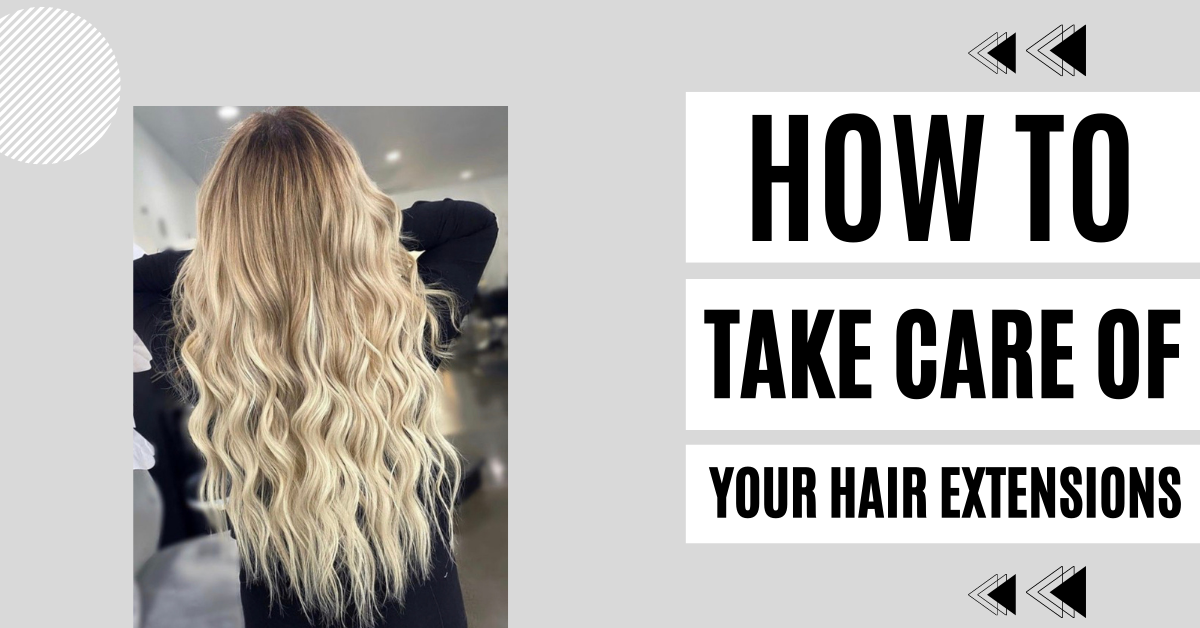
Professional maintenance, removal, and longevity
Regular pro care is essential. Proper removal avoids damage to natural hair and extends the life of the extensions.
Maintenance schedule
- Tape-in extensions: salon re-tape or move every 6–8 weeks.
- Sew-in/weft: tighten or reweave every 6–8 weeks.
- Micro-links: check and move every 6–8 weeks.
- Fusion bonds: check and remove professionally when needed.
When to see a professional
- If you notice matting near bonds.
- If a lot of extensions shift or slip.
- When you plan to remove extensions to avoid damaging your natural hair.
Removal tips
- Always have a pro remove bonded or taped extensions.
- For clip-ins, be gentle and unclasp each clip slowly.
- After removal, deep condition the natural hair and let the scalp rest.
With proper care and timely salon visits, many extensions can last their designed lifespan. Learning how to care for hair extensions includes knowing when to ask a pro for help.

Common mistakes, damage signs, and fixes
Avoid these common errors to keep extensions healthy and natural-looking.
Frequent mistakes
- Using heavy oils at the roots that break down adhesive.
- Brushing from the top down and tugging at the bonds.
- Skipping salon check-ins and waiting until problems grow.
Signs of trouble
- Excessive slipping or sliding of tape or micro-links.
- Matting or fuzzing at the base of the extensions.
- Thinning or breakage of natural hair near attachment points.
Quick fixes
- Use a detangler and gentle brush to remove surface tangles.
- Apply a light leave-in on the lengths to restore shine.
- Book a pro check-up if bonds slip or if matting is severe.
From my experience, quick attention prevents long repairs. A small issue now is easier and cheaper to fix than heavy damage later. Learning how to care for hair extensions includes spotting problems early.
Frequently Asked Questions of how to care for hair extensions
How often should I wash my extension hair?
Wash extensions every 2–3 days for most people, or as needed if you use many styling products. If you exercise daily or use heavy products, you may wash more often.
Can I use regular shampoo and conditioner on extensions?
Use sulfate-free, gentle formulas on extension hair and avoid heavy oils near roots and bonds. Choose products labeled safe for color-treated or extension hair when possible.
How long do hair extensions last with proper care?
Lifespan depends on type and care: clip-ins may last years, tape-ins 6–12 weeks per application, and bonded styles several months with maintenance. Proper care and pro maintenance extend lifespan.
Will extensions damage my natural hair?
Extensions can stress roots if installed or removed poorly or if bonds are too heavy. Proper application, gentle daily care, and timely salon checks minimize damage.
How do I sleep with extensions to avoid tangles?
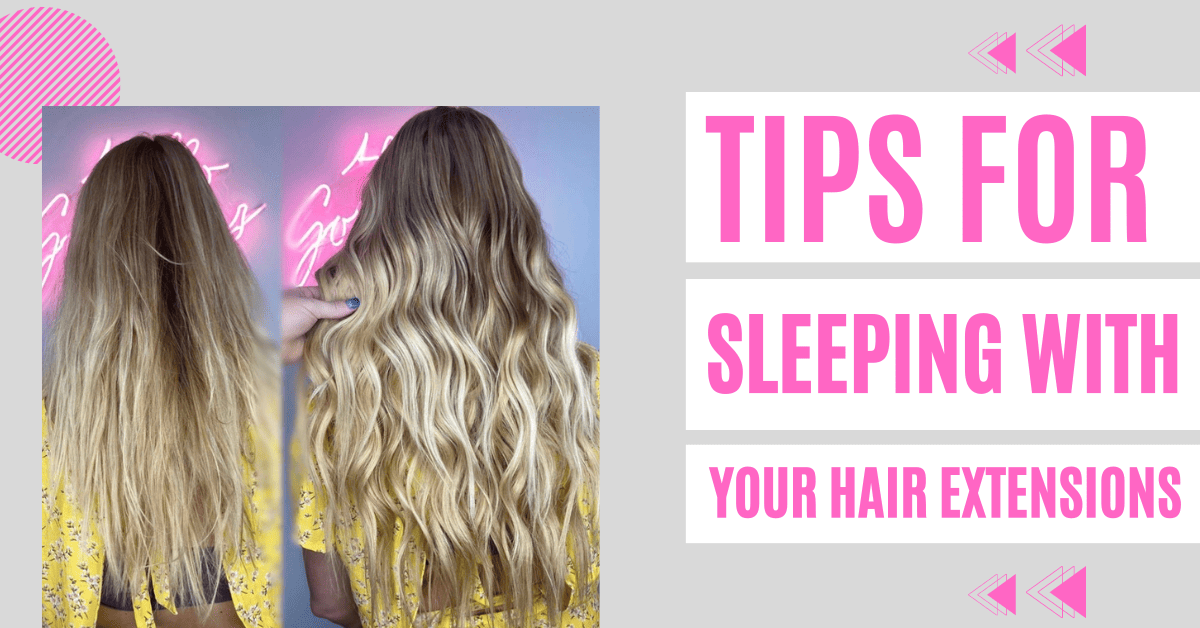
Braid hair loosely or tie in a low ponytail with a silk scrunchie and use a silk pillowcase. This reduces friction and keeps hair smooth.
How can I refresh my extensions between salon visits?
Use a lightweight leave-in conditioner, gentle detangler, and low-heat styling. Brush carefully and spot-clean the scalp if needed until your appointment.
Are heat tools safe on extensions?
Yes, with heat protectant and low to medium temperature settings. Avoid clamping hot tools at bonds or tape strips.
Conclusion
Caring for extensions is simple when you follow clear steps. Gentle washing, careful brushing, smart styling, and regular pro checks keep extensions soft and long-lasting. Start with the right products and habits, and address small issues early to protect both your extensions and your natural hair. Try one new habit this week—like a silk pillowcase or daily detangling—and watch the difference. Want more tips or product suggestions? Leave a comment, subscribe, or book a professional consult to get personalized care advice.